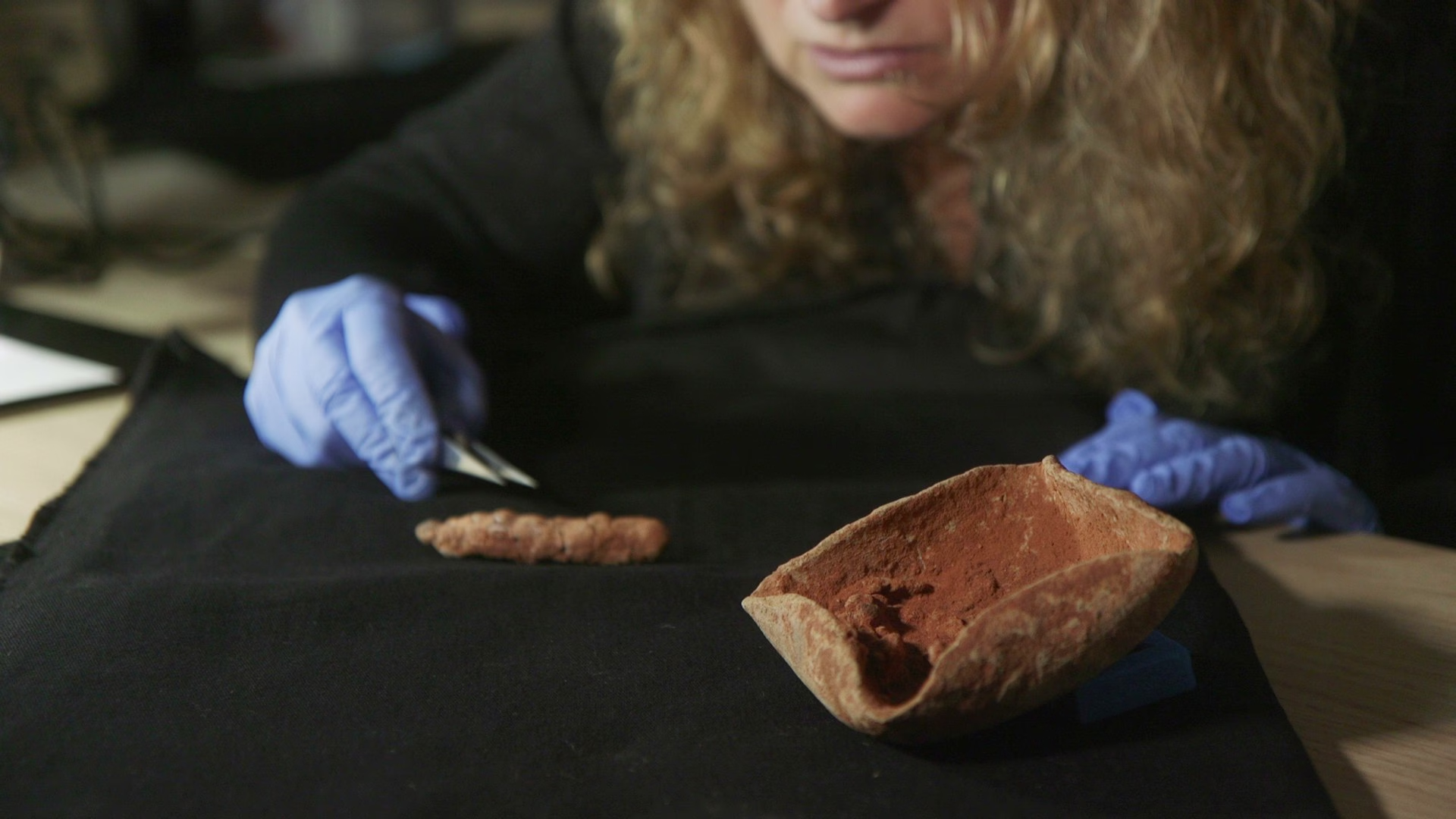
In a groundbreaking archaeological discovery, rare 4,000-year-old lamp wicks have been unearthed at the Newe Efraim antiquities site, offering an unprecedented glimpse into Intermediate Bronze Age (c. 2500–2000 BCE) lighting practices. Preserved inside clay lamps, these wicks are among the oldest known in the world and provide unique insights into the symbolic and practical role of fire in ancient burial rituals, often referred to by researchers as “Ner Neshama” – the flame of the soul.
Excavated by the Israel Antiquities Authority as part of development works by the Israel Lands Authority, the wicks were preserved inside clay lamps—an unusual survival given their organic nature and the moist Mediterranean climate.
Dr. Naama Sukenik and Dr. Yonah Maor, lead researchers on the study, explained:
“This discovery is entirely unexpected. Organic wicks rarely survive for millennia and are only identifiable when preserved within a lamp.”
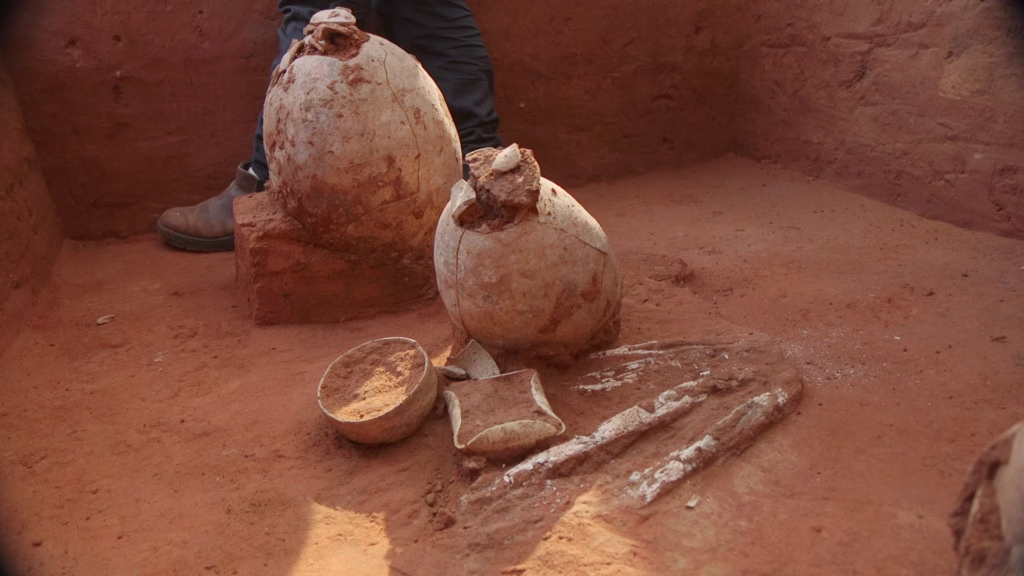
Excavation directors Dr. Gilad Itach, Yossi Elisha, and Yaniv Agmon added that the wicks were found inside oil lamps buried in Intermediate Bronze Age tombs alongside pottery, animal bones, metal weapons, and jewelry. While these lamps likely illuminated underground burial spaces during ceremonies, researchers believe their significance went far beyond mere light.
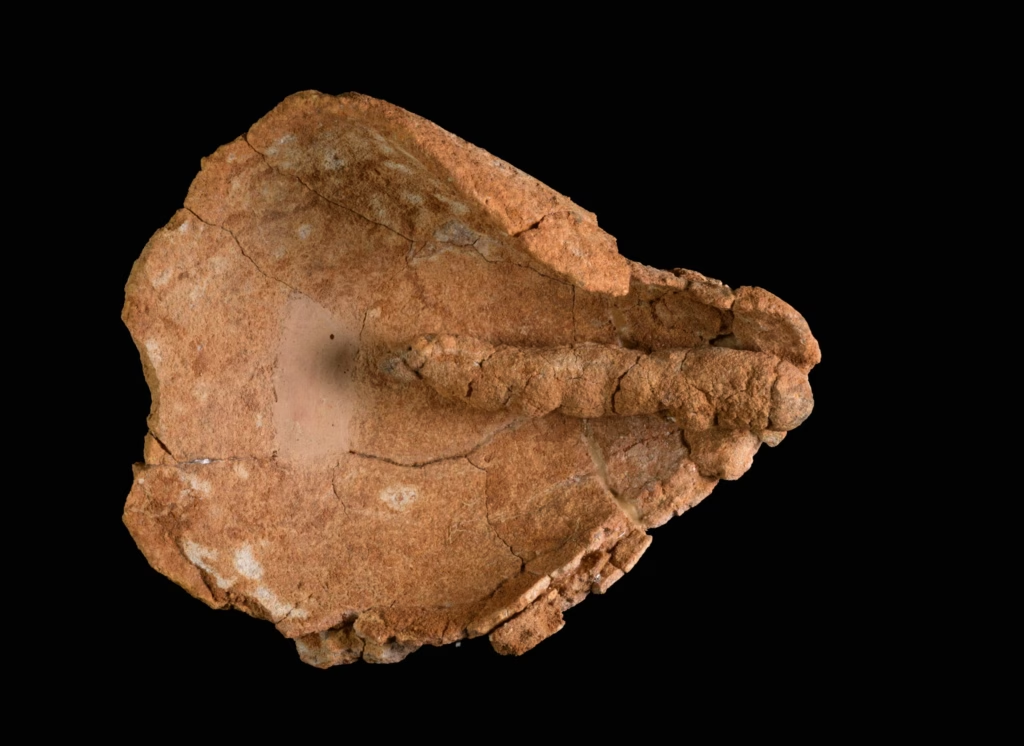
“Since the dawn of humankind, fire has been associated with magical power—transforming, warming, illuminating. In these lamps, the flame symbolized the human soul,” the team noted. They also suggest that the modern Hebrew term “Ner Neshama” (flame of the soul) may trace its origins back thousands of years.
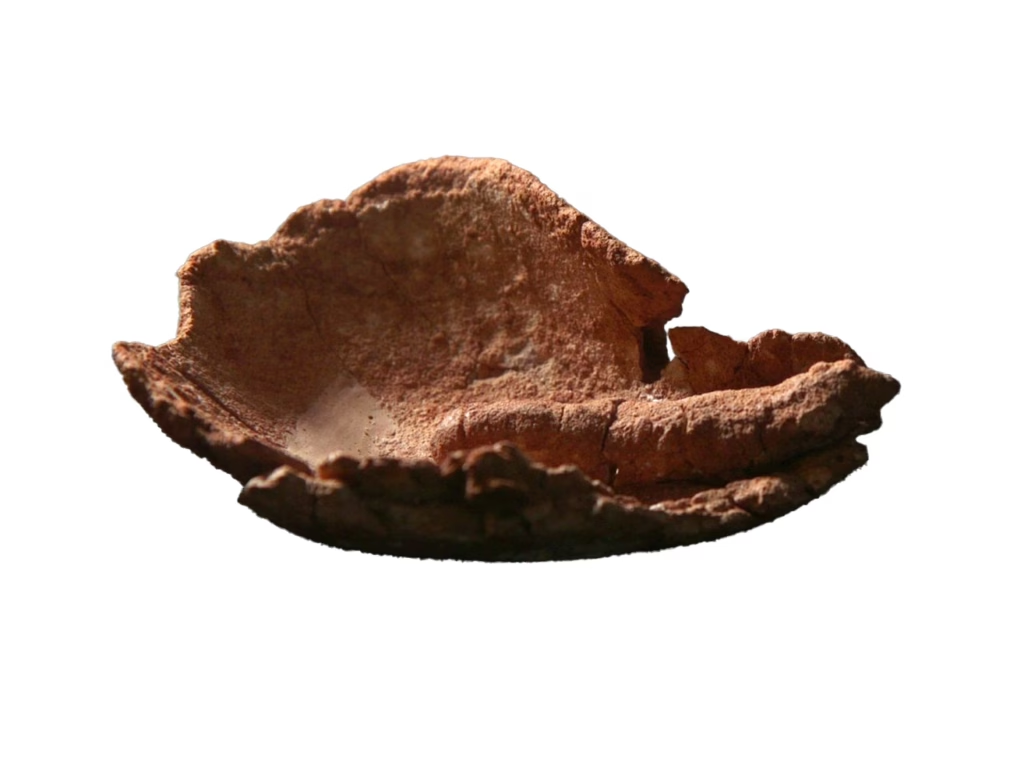
Soot traces on the wicks indicate the lamps were actually lit during burial rituals, confirming their practical and symbolic use. Though the Intermediate Bronze Age communities left no written records, archaeological and Near Eastern evidence highlights the central role of fire in ancient funerary rites.
This remarkable find not only rewrites the history of prehistoric lighting technologies but also offers an unprecedented glimpse into ritual beliefs and the symbolic power of fire in the ancient Levant.