-
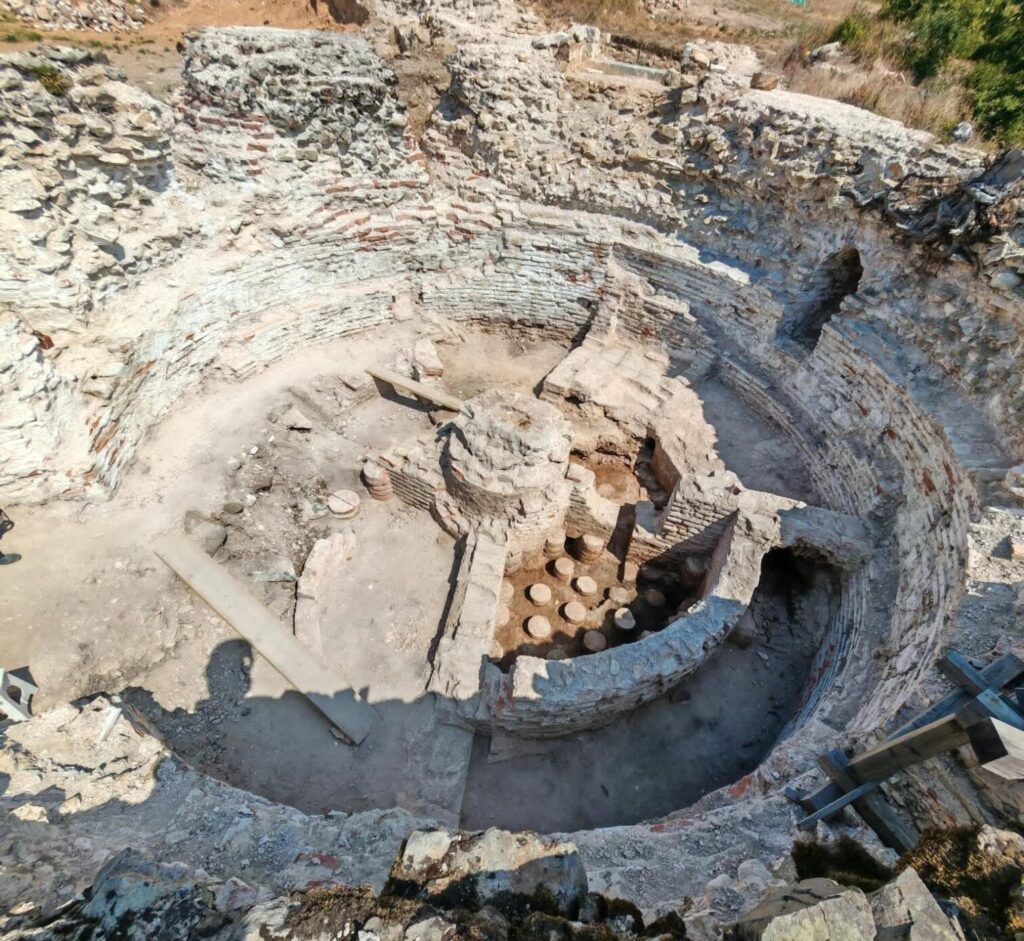
A Roman Palace Tower in Serbia Was Hiding a Unique Imperial Bath
Archaeologists at Vrelo–Šarkamen in eastern Serbia have uncovered a remarkably preserved Roman imperial bath built into the lowest level of a monumental palace tower. The circular balneum belonged to a fortified residence associated with the Roman tetrarch Maximinus Daia, and the excavation team says no direct parallel for this architectural arrangement is currently known elsewhere…
-
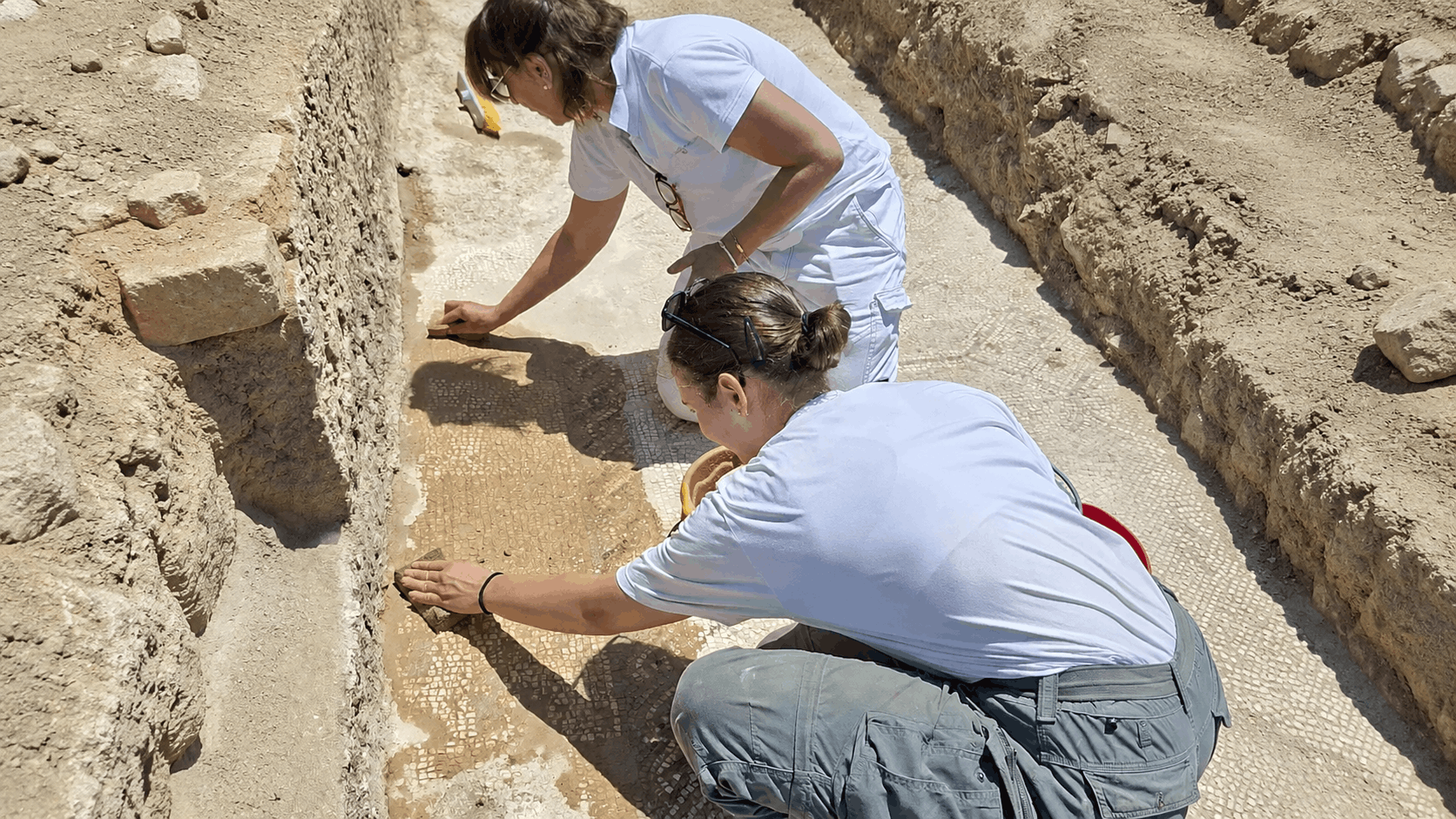
Polychrome Late Antique Mosaic and Christian Monogram Unearthed in Sicily
Archaeologists working in Agrigento, Sicily, have uncovered a polychrome geometric mosaic and a group of objects linked to the city’s early Christian community. The discoveries were made during the 11th excavation campaign in the Hellenistic-Roman Quarter of ancient Agrigentum, close to a large Roman bath complex. The excavated building remained in use for nearly eight…
-
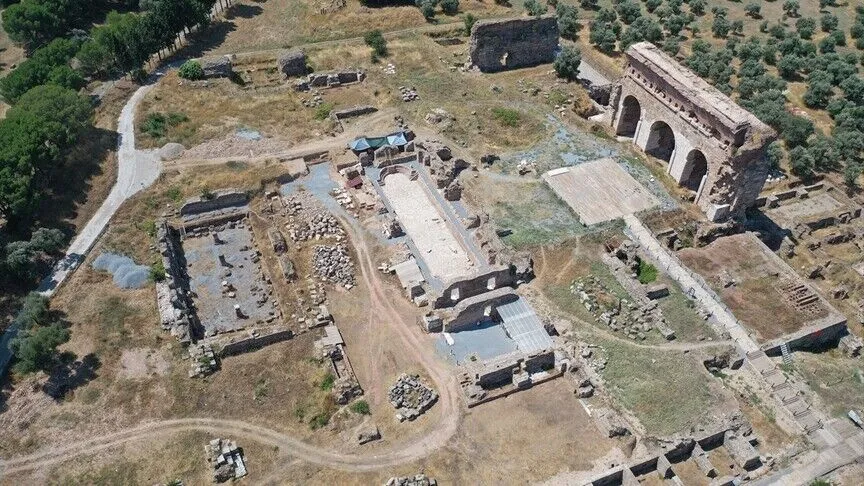
A 56-Kilometre Water System Fed Tralleis’ 2,000-Year-Old Roman Pool
A Roman pool capable of holding around 300 people has been fully excavated at Tralleis, an ancient city near Aydın in western Turkey. The 2,000-year-old basin was supplied with fresh water through a network stretching approximately 56 kilometres from the mountains north of the city. The open-air pool measures 37 metres long and 12 metres…
-
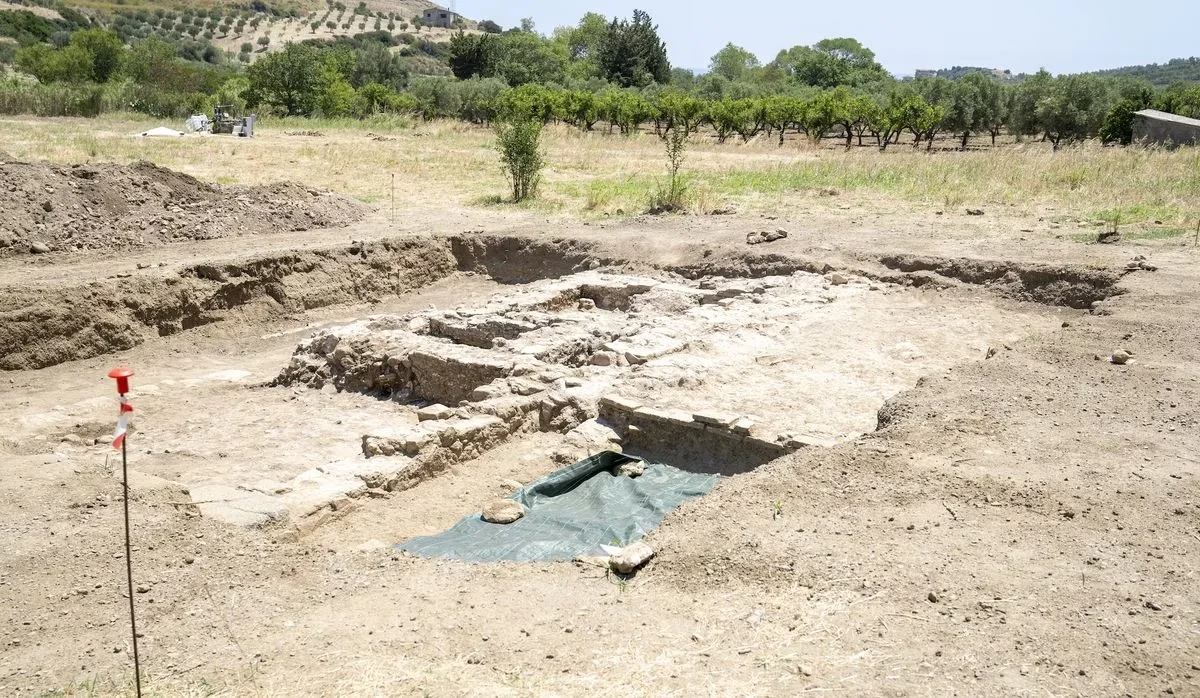
Unearthed in Southern Italy: Roman Villa Offers New Clues to Saint Cassiodorus and His Vanished Monastery
Archaeologists have uncovered the remains of a monumental Roman villa in the Ceraso area of Squillace, southern Italy, shedding new light on settlement patterns in the late antique period and potentially offering rare evidence linked to Saint Cassiodorus — a renowned sixth-century Christian scholar, politician, and monastic founder. The excavation, led by the Pontifical Institute…
-
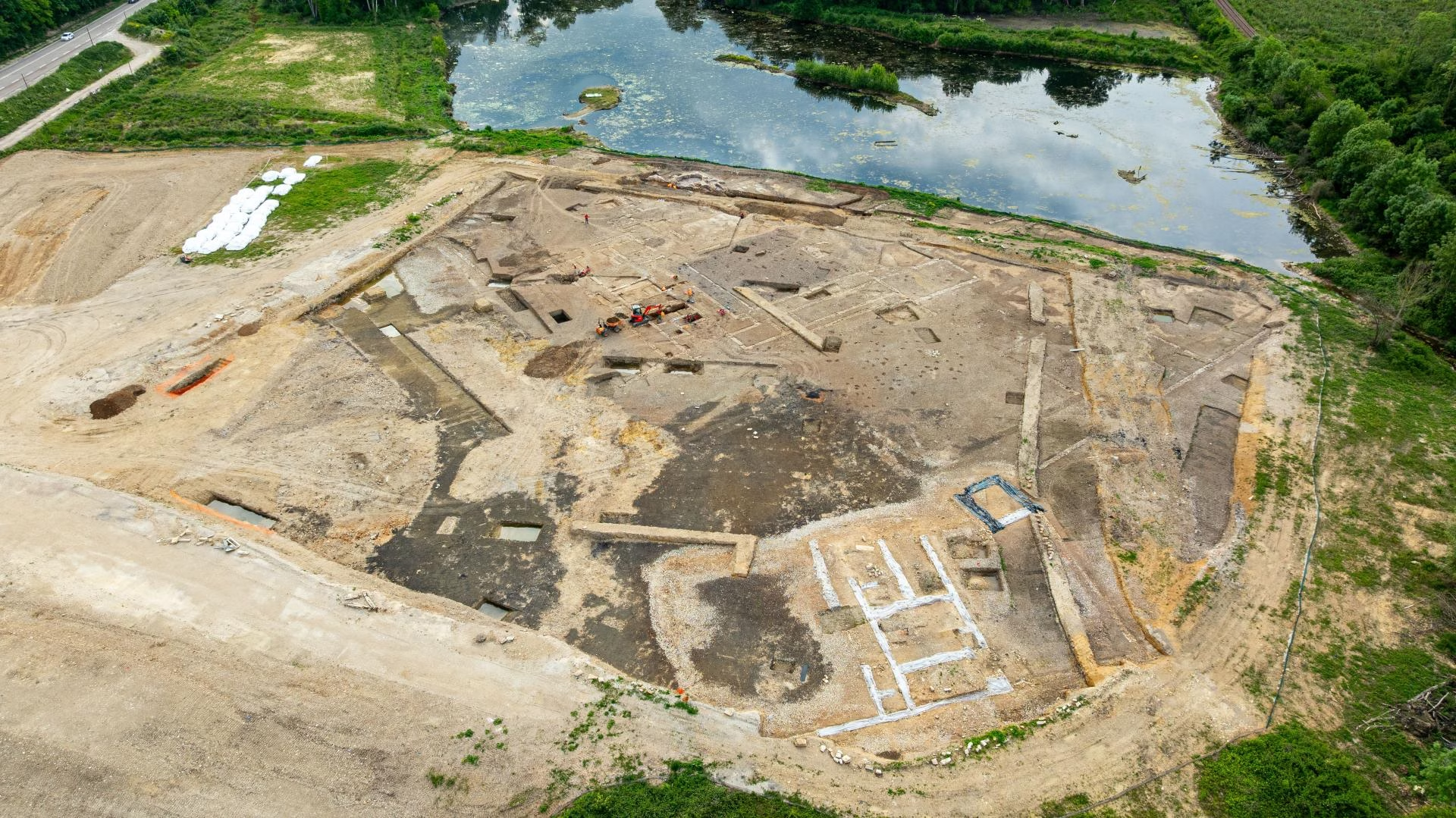
Exceptional Roman Villa Unearthed in France: Archaeological Site Opens to the Public
An extraordinary Roman-era rural estate has been uncovered near Auxerre, France, revealing the luxurious lifestyle of ancient elites. Although the site was first identified in 1966 during gravel extraction works, the ongoing excavations have now expanded the known area to 4,000 square meters. What was once thought to be a standalone building has now been…