-
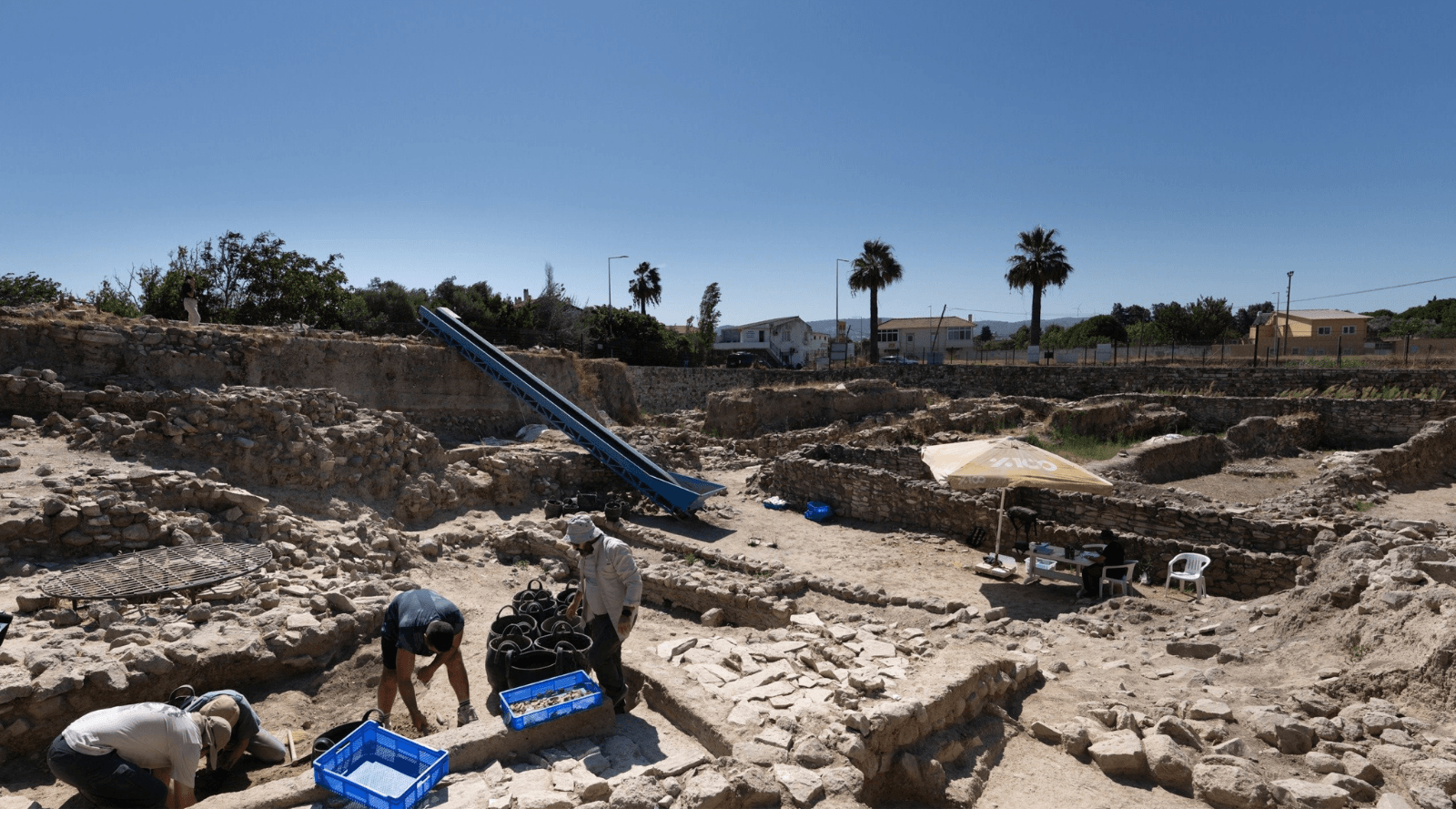
5,000-Year-Old Drainage System Reveals Early Planning in Western Türkiye
Archaeologists excavating Liman Tepe, a prehistoric coastal site in western Türkiye, have uncovered a stone drainage system built approximately 5,000 years ago. The channels ran between terraces at different elevations and probably directed rainwater toward a designated part of the site. Located in Urla, İzmir, Liman Tepe was an important coastal centre during the Early…
-
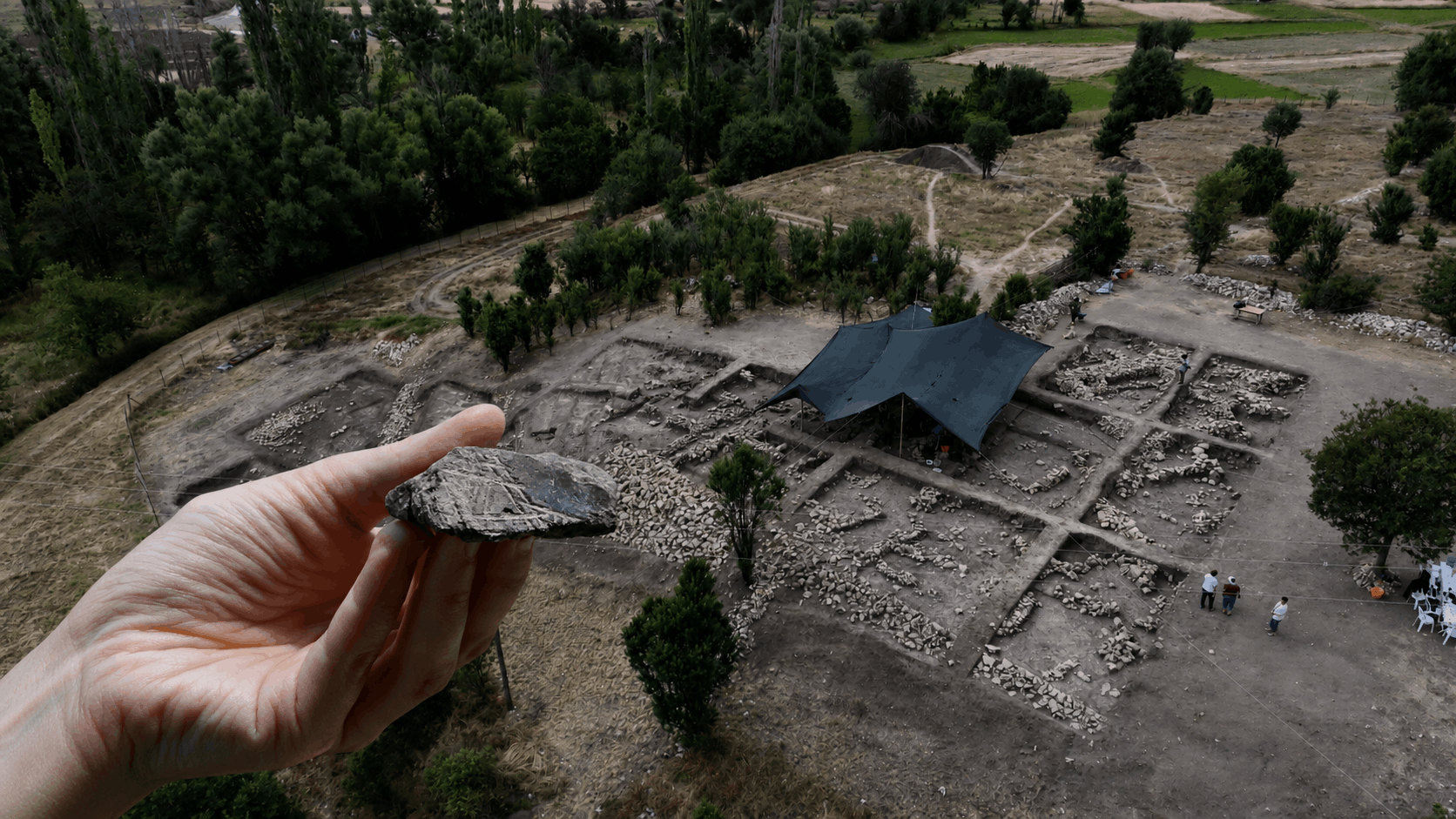
5,000-Year-Old Melos Obsidian Found at Çaltılar Höyük Reveals Aegean Connections
Archaeologists excavating Çaltılar Höyük in southwestern Türkiye have uncovered stone tools made from obsidian originating on the Aegean island of Melos. The discovery shows that the highland settlement was connected to long-distance exchange networks around 5,000 years ago, linking the Aegean islands with inland Anatolia. Çaltılar Höyük lies in the Seydikemer district of Muğla, around…
-

5,000-Year-Old Pithos Burial Discovered in Coastal Attica Reveals Complex Bronze Age Rituals
An exceptionally preserved Early Bronze Age pithos burial has been uncovered in eastern Attica, revealing complex funerary architecture and long-lived ritual activity along the coast of the Aegean. The discovery was made during rescue excavations carried out since 2024 in the town of Rafina, ahead of riverbank stabilization works. Dated to the Early Bronze Age…
-
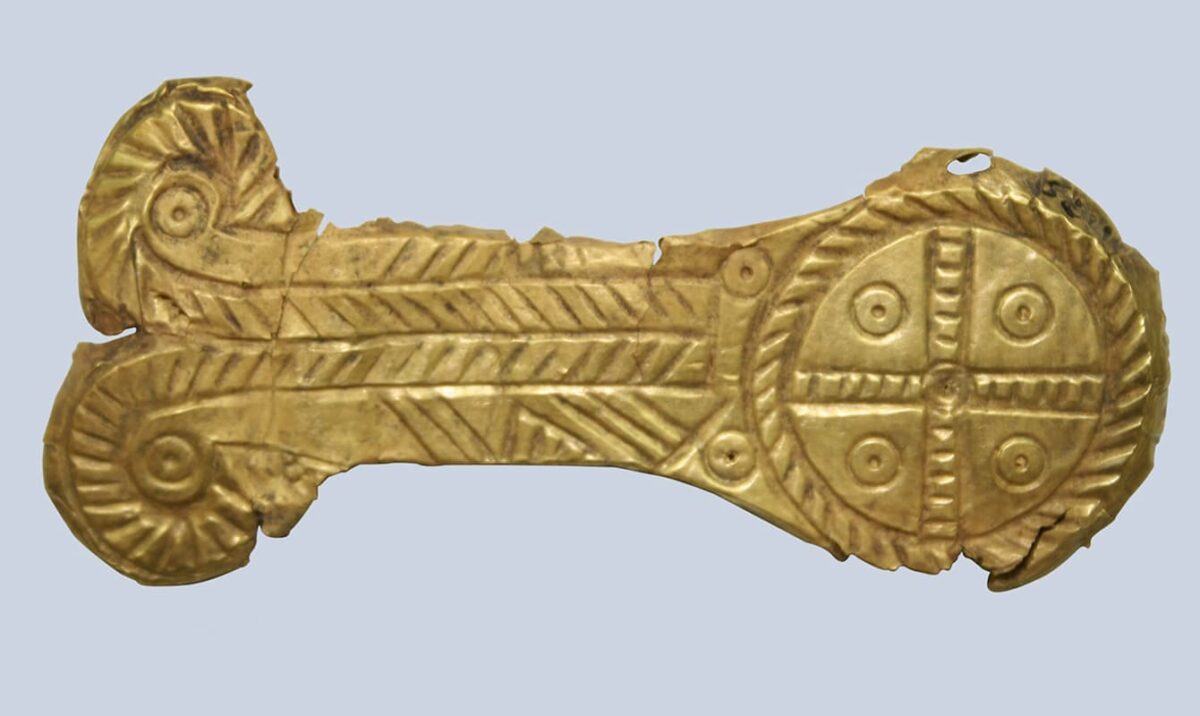
Northern Suns in Mycenaean Gold: How European Solar Symbols Reached a Greek Island
A pair of modest-looking gold ornaments from Mycenaean graves on the Ionian island of Kefalonia has opened an unexpectedly wide window onto the connected world of the Late Bronze Age. According to a new study published in the European Journal of Archaeology, the solar symbols embossed on these objects did not originate in the Aegean…
-
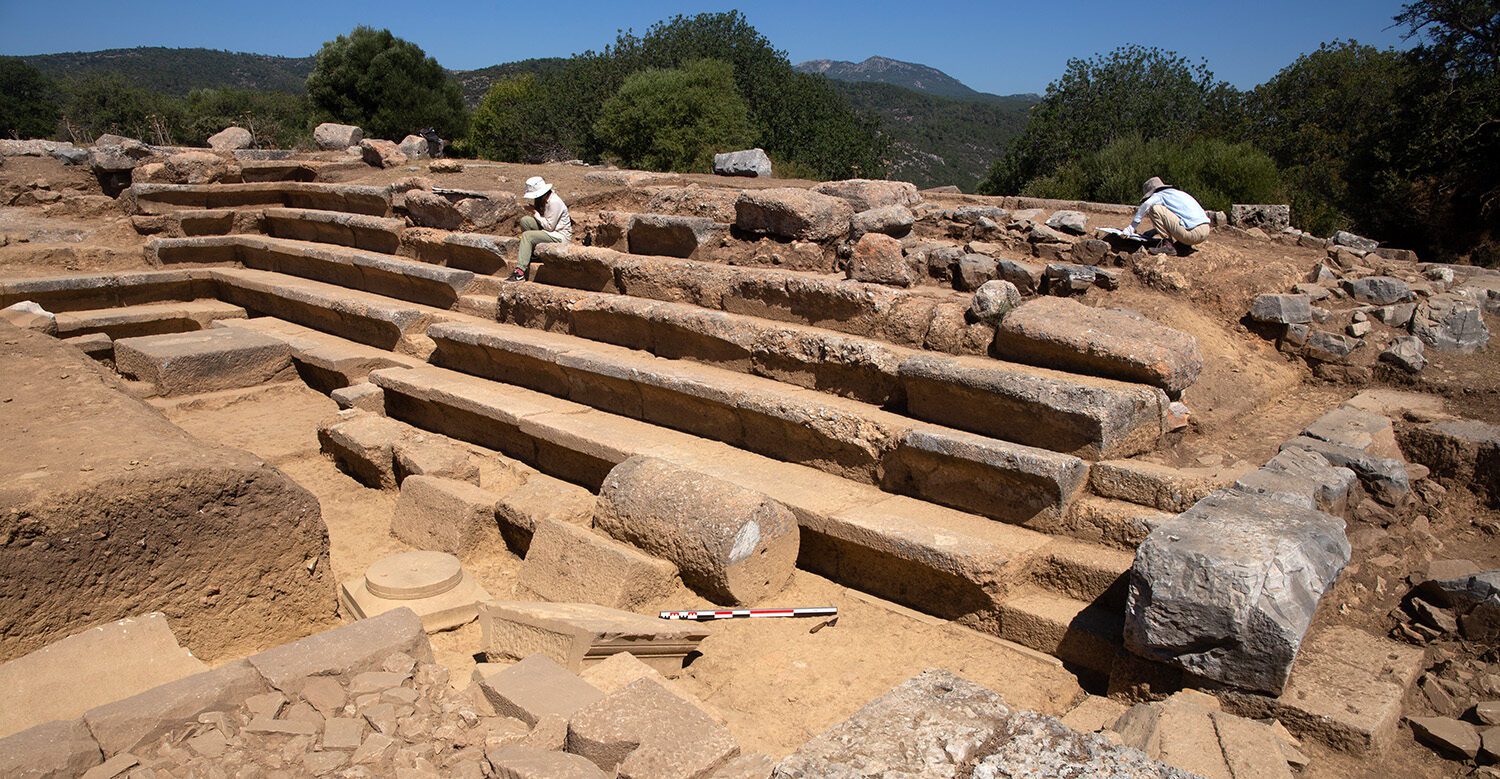
Persian Gold Hidden Beneath a Greek City: What a Hoard at Notion Reveals About Imperial Power
On the western edge of Anatolia, far from royal capitals and imperial courts, the Greek-founded harbor city of Notion once found itself entangled in the financial machinery of one of antiquity’s greatest empires. The evidence did not come in the form of inscriptions or monumental architecture—but from a modest ceramic pot buried beneath the floor…