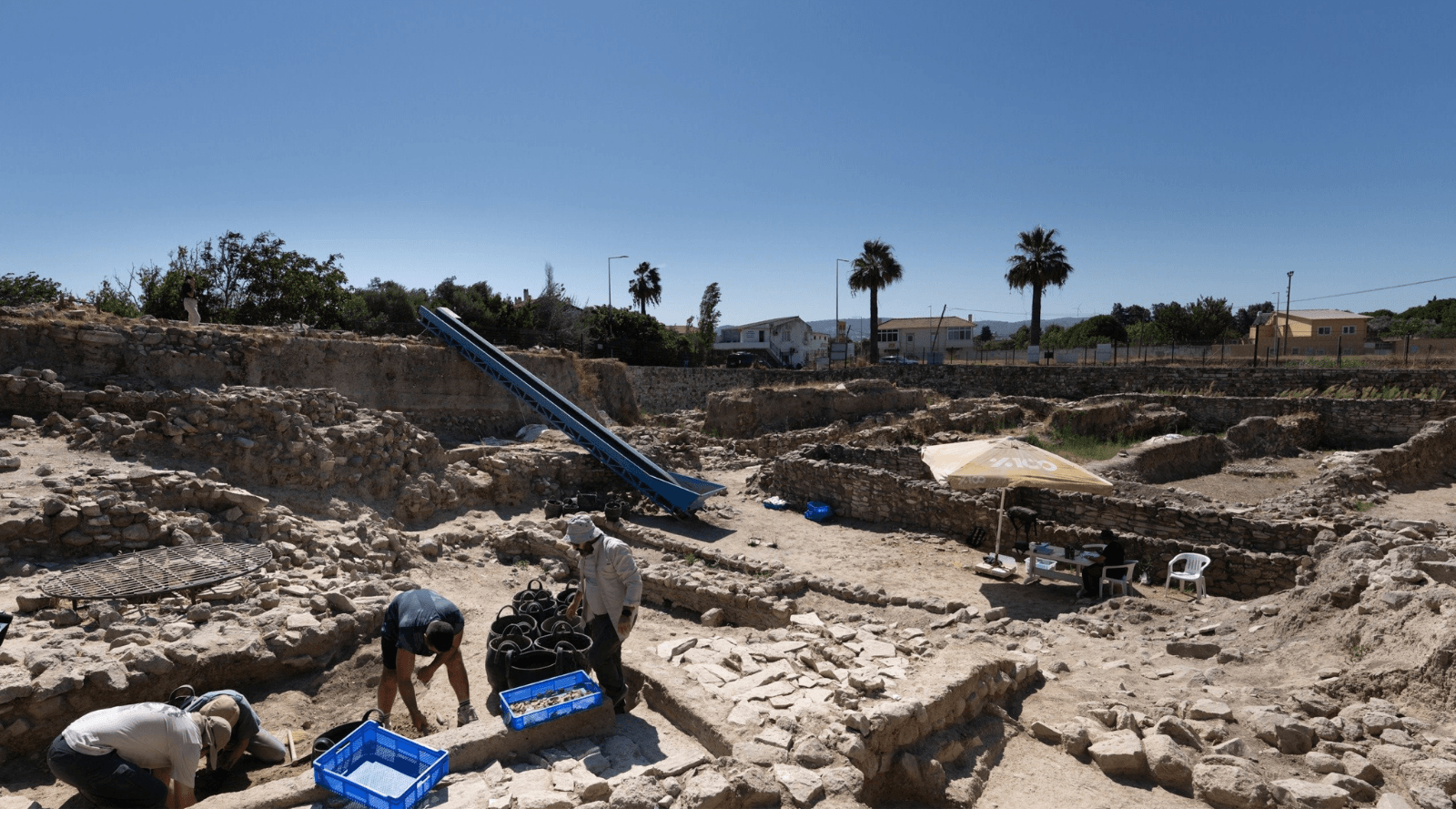
Archaeologists excavating Liman Tepe, a prehistoric coastal site in western Türkiye, have uncovered a stone drainage system built approximately 5,000 years ago. The channels ran between terraces at different elevations and probably directed rainwater toward a designated part of the site.
Located in Urla, İzmir, Liman Tepe was an important coastal centre during the Early Bronze Age. Excavation director Prof. Dr. Vasıf Şahoğlu of Ankara University said few comparable drainage systems are known from western Anatolia or the wider Aegean.
Stone channels carried water between terraces
The channels were constructed from stones and placed between sections of the site built at different heights. Their position indicates that the inhabitants considered the movement of rainwater while arranging buildings and open spaces.
Archaeologists have not yet established the complete route of the system. Further examination may show where the water was taken and whether all the channels were built during the same phase of construction.
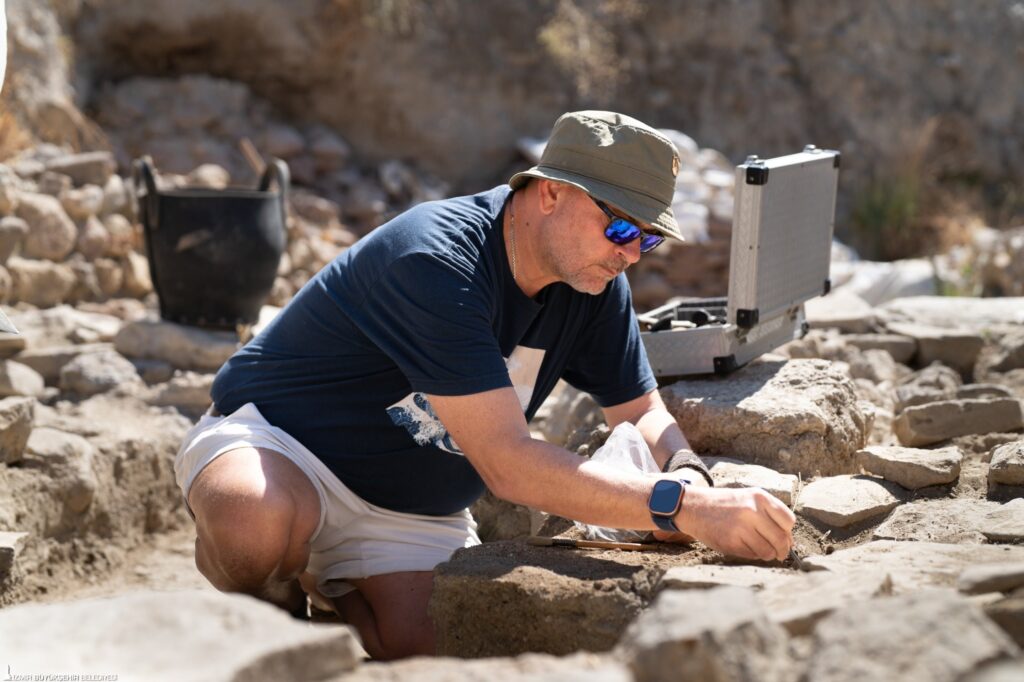
The find offers evidence for a part of prehistoric life that is often difficult to trace. Managing runoff would have been especially important in a densely built area where uncontrolled water could damage walls, floors and stored goods.
Long houses served several purposes
The same excavations have exposed houses more than 25 metres long and about five metres wide. Their scale and internal organization provide new information about domestic life at Liman Tepe around the third millennium BC.
Large storage vessels were fixed near the entrances of some buildings. Evidence connected with metalworking and textile production was also identified, suggesting that household spaces were used for manufacturing and storage as well as daily activities.
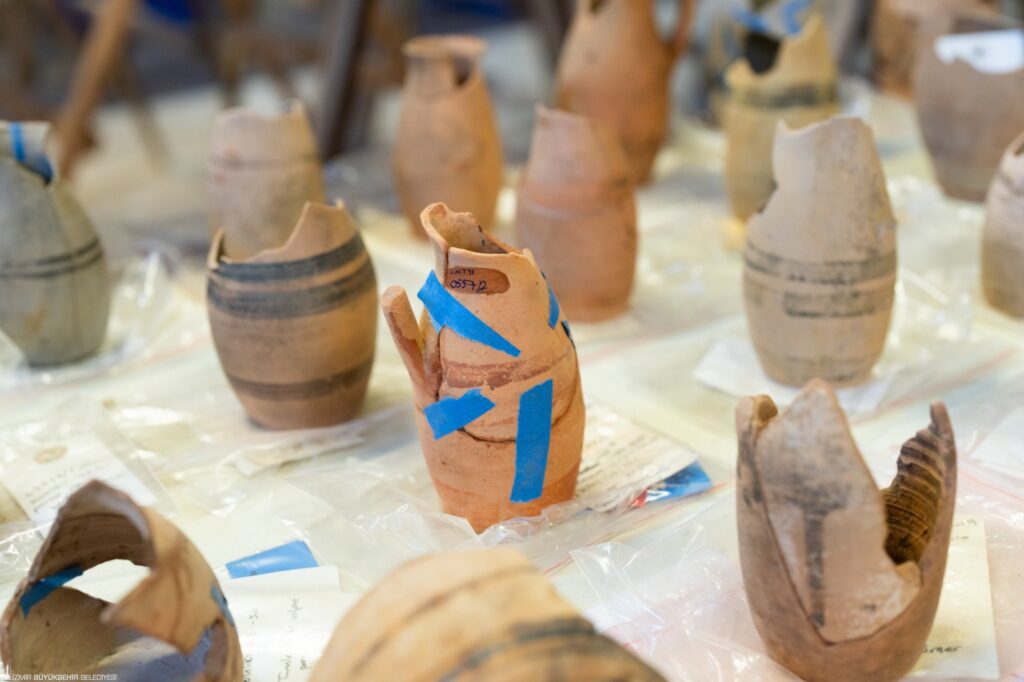
The combination of long buildings, fixed storage vessels and production remains points to an organized use of space. Different stages of work could be carried out under the same roof while food, raw materials or finished goods were kept close at hand.
Obsidian crossed the Aegean 7,000 years ago
Liman Tepe’s maritime contacts began long before the newly uncovered drainage channels were built. Obsidian recovered there came from Melos, a volcanic island in the Cyclades, and reached the Anatolian coast around 7,000 years ago.
Because Melian obsidian had to be transported by sea, its presence records some of the earliest maritime connections between this part of Anatolia and the Aegean islands. Later finds show that these routes remained active for thousands of years.
Cycladic pottery dating to approximately 4,500 years ago provides further evidence of overseas exchange during the Bronze Age. Liman Tepe was therefore connected to communities across the Aegean while its inhabitants practised metalworking, textile production and other crafts locally.
Excavations extend beneath the sea
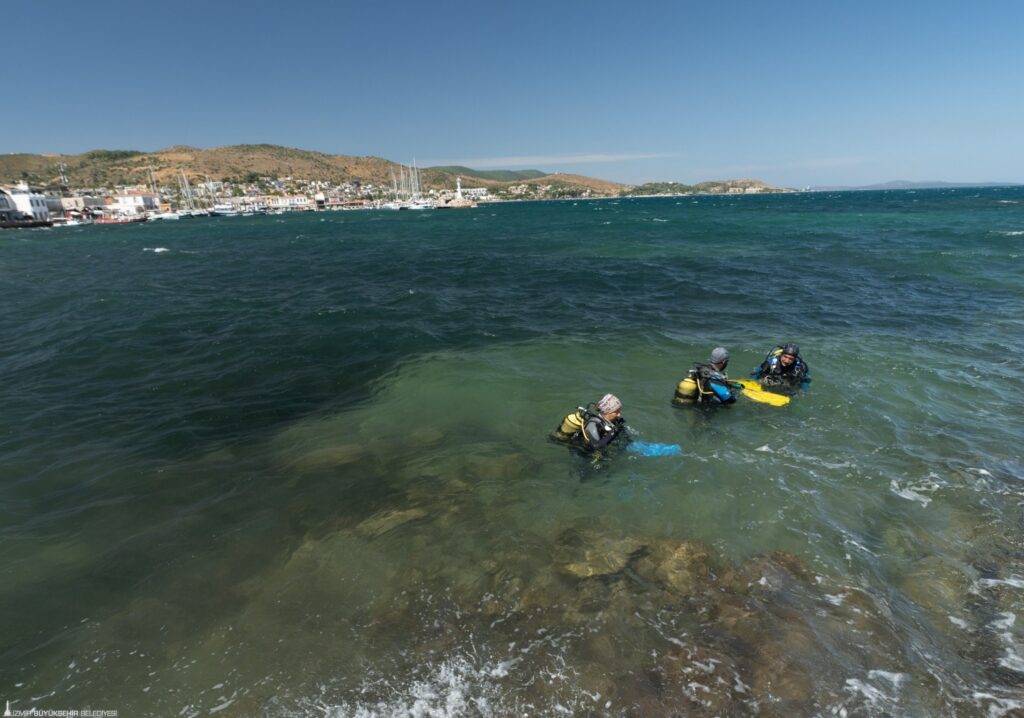
Archaeological excavations on land have continued at Liman Tepe since 1992. Work moved offshore in 2000, beginning what is regarded as Türkiye’s first underwater excavation of an ancient harbour.
The combined research allows archaeologists to study houses and production areas alongside the harbour that supported maritime movement. Few prehistoric sites in the region preserve both sides of coastal life so clearly.
The newly discovered channels add rainwater management to that picture. Their simple stone construction records a practical response to living on terraced ground, while the houses and imported materials show a community closely tied to both western Anatolia and the Aegean Sea.
Cover Image: Excavations at Liman Tepe have revealed a 5,000-year-old drainage system built between different levels of the prehistoric site. Credit: İzmir Metropolitan Municipality