
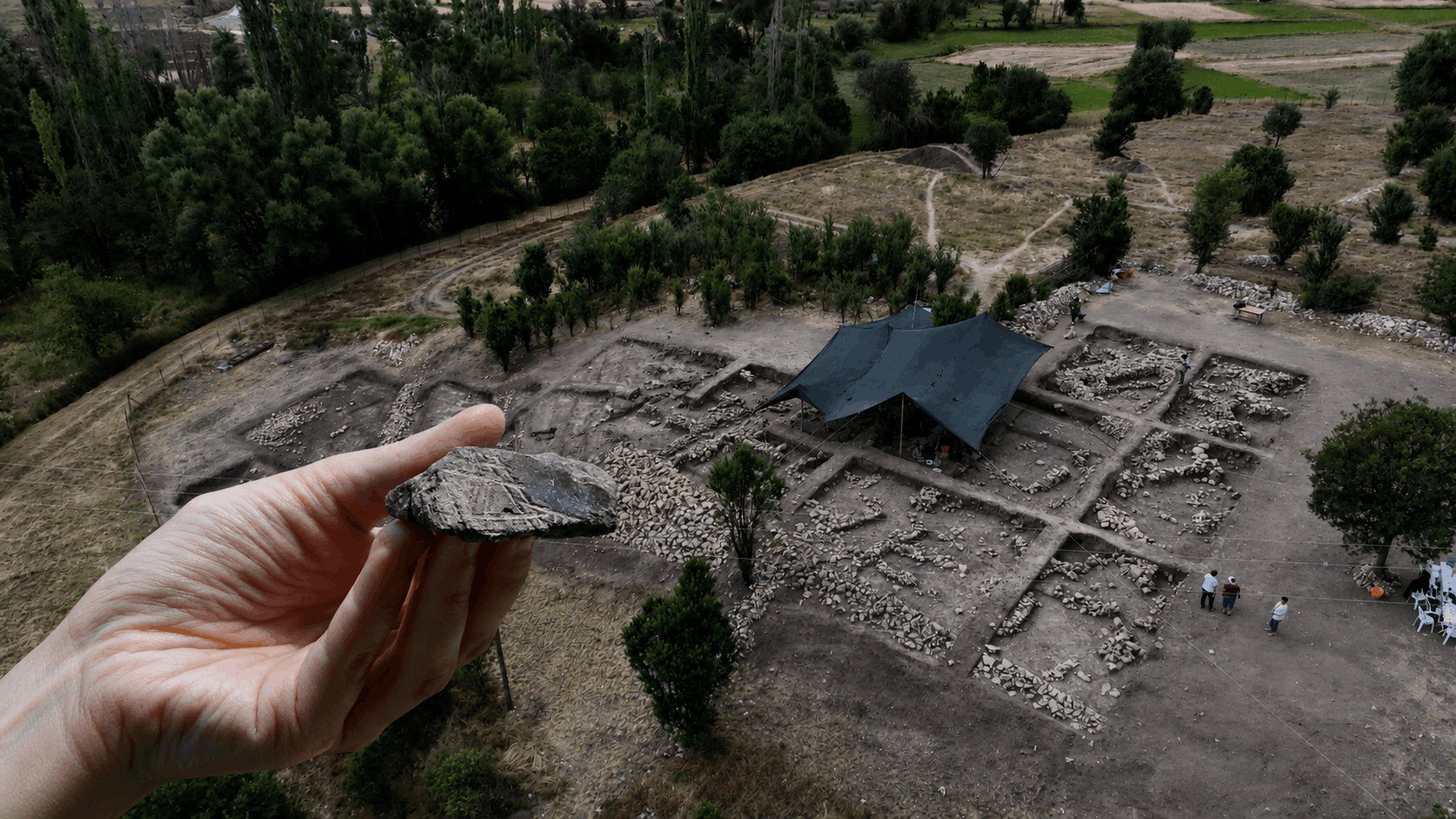
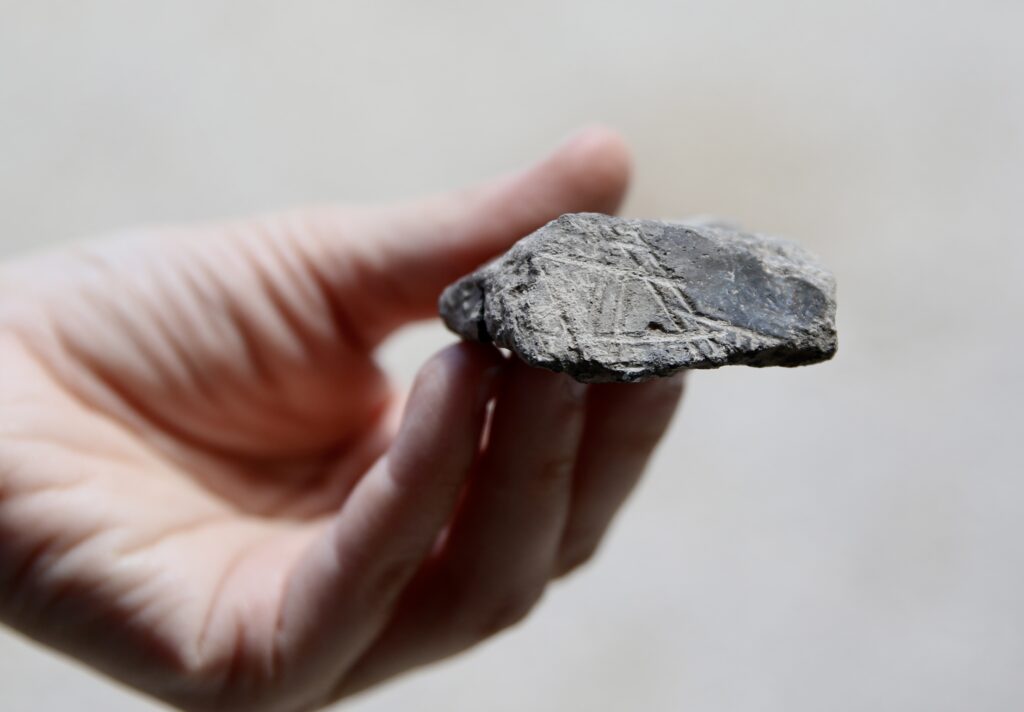
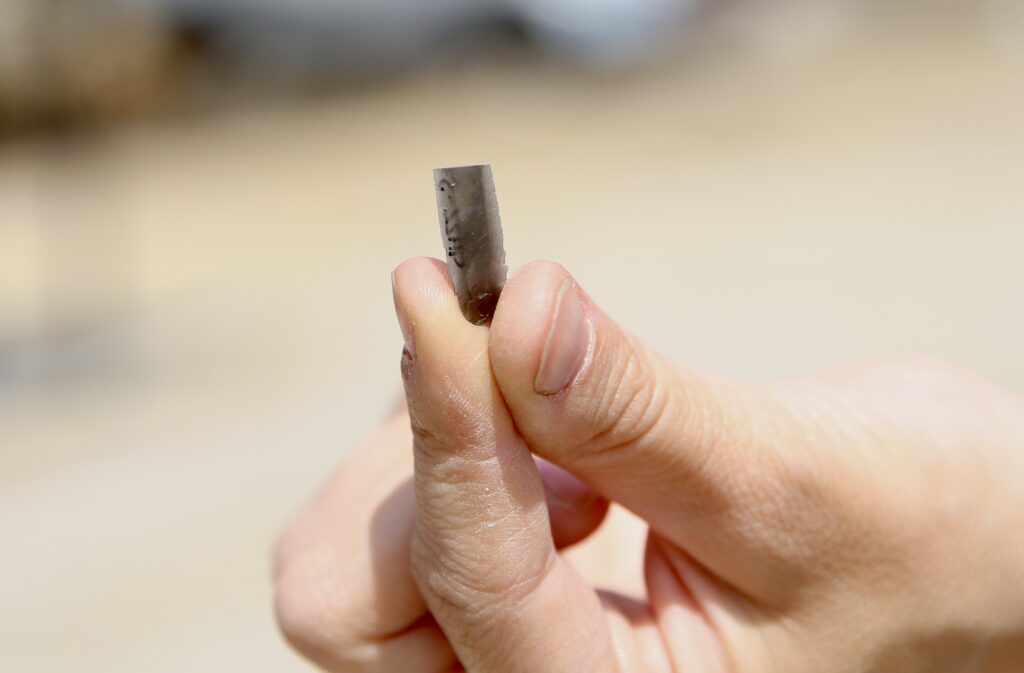
Archaeologists excavating Çaltılar Höyük in southwestern Türkiye have uncovered stone tools made from obsidian originating on the Aegean island of Melos.
The discovery shows that the highland settlement was connected to long-distance exchange networks around 5,000 years ago, linking the Aegean islands with inland Anatolia.
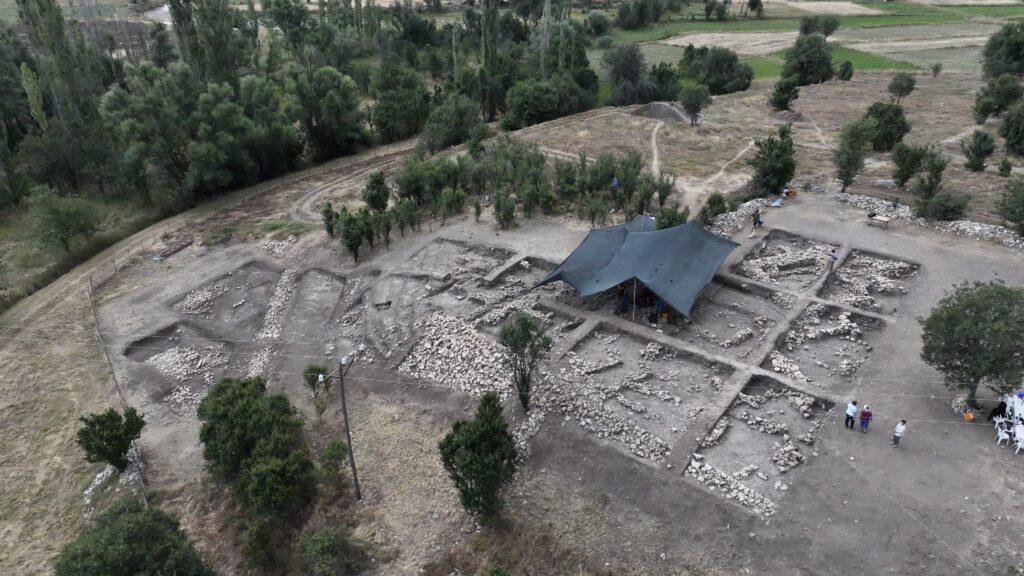
Çaltılar Höyük lies in the Seydikemer district of Muğla, around 100 kilometers from the coast and 1,287 meters above sea level. Its remote location makes the Melian obsidian particularly significant.
Obsidian Traced to the Aegean
Obsidian is a volcanic glass that was widely used in prehistory to produce sharp cutting tools.
Because obsidian from different volcanic sources has distinct chemical properties, archaeologists can often determine where an artifact originated.
Analysis of the finds from Çaltılar Höyük identified Melos as the source of some of the obsidian. This means that material from the Cycladic island reached communities living in the mountainous interior of southwestern Anatolia.
The obsidian may have passed through several coastal and inland communities before reaching the settlement.
A Meeting Point Between the Coast and Inland Anatolia
The excavations also uncovered tools made from Central Anatolian obsidian.
The presence of obsidian from both Melos and Central Anatolia suggests that Çaltılar Höyük stood at the intersection of separate exchange routes.
Researchers believe the Eşen River valley may have connected the settlement with the coast, while overland routes led toward the Anatolian interior.
Rather than being an isolated highland community, Çaltılar Höyük may have served as a regional point through which raw materials and objects moved between distant regions.
Cycladic Object Strengthens the Aegean Link
The Melian obsidian is not the only evidence of contact with the Aegean world.
Archaeologists also found a so-called Cycladic frying pan, a distinctive Early Bronze Age vessel associated mainly with the Cycladic islands and western Aegean communities.
Despite their modern name, these objects were not ordinary cooking vessels. Their exact function remains uncertain, and scholars have suggested ritual, symbolic, or domestic uses.
A spool-shaped balance weight was also recovered at the site. Its presence may indicate that weighing and controlled exchange formed part of economic life at the settlement.
A Structure Built from Burial Jar Fragments
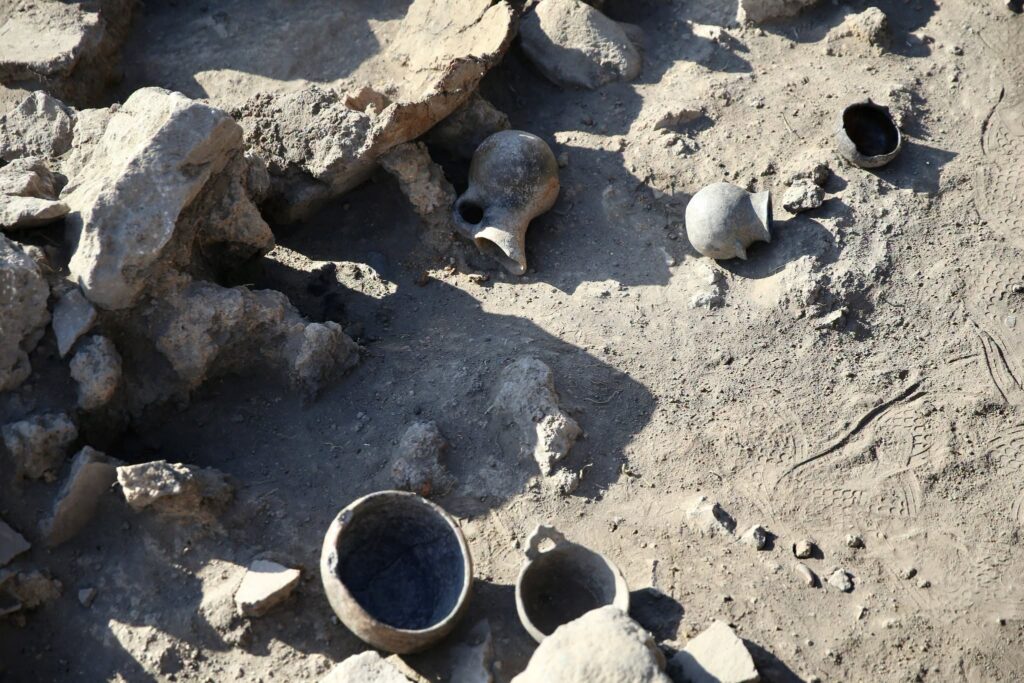
Another unusual discovery at Çaltılar Höyük was first identified in 2024.
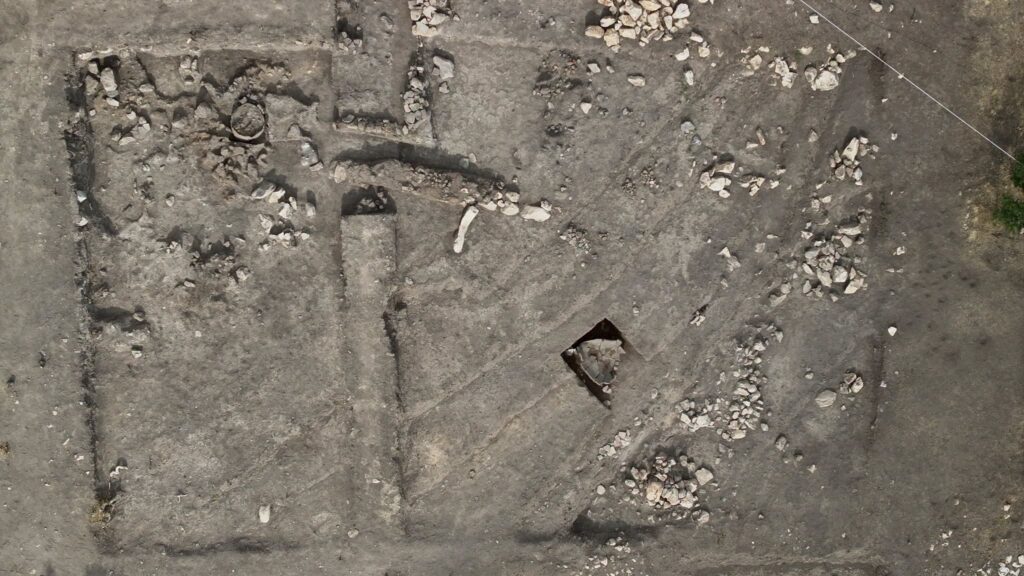
Archaeologists uncovered a structure built with fragments of older burial jars. Excavation of the building is still continuing.
According to the excavation team, no close parallel is currently known elsewhere in Anatolia.
Its function remains unclear. The use of funerary vessels as construction material may reflect simple reuse, but it could also point to a more symbolic relationship with the remains of earlier communities.
Excavations Continue at Muğla’s Only Active Mound Site
Systematic excavations at Çaltılar Höyük began in 2021 following earlier surveys.
The project is directed by Prof. Dr. Ayşegül Aykurt of Hacettepe University’s Department of Archaeology.
The combined evidence from Melian obsidian, Central Anatolian raw materials and Aegean-style objects places Çaltılar Höyük within a broad Early Bronze Age exchange network extending across sea, coast and inland Anatolia.