-
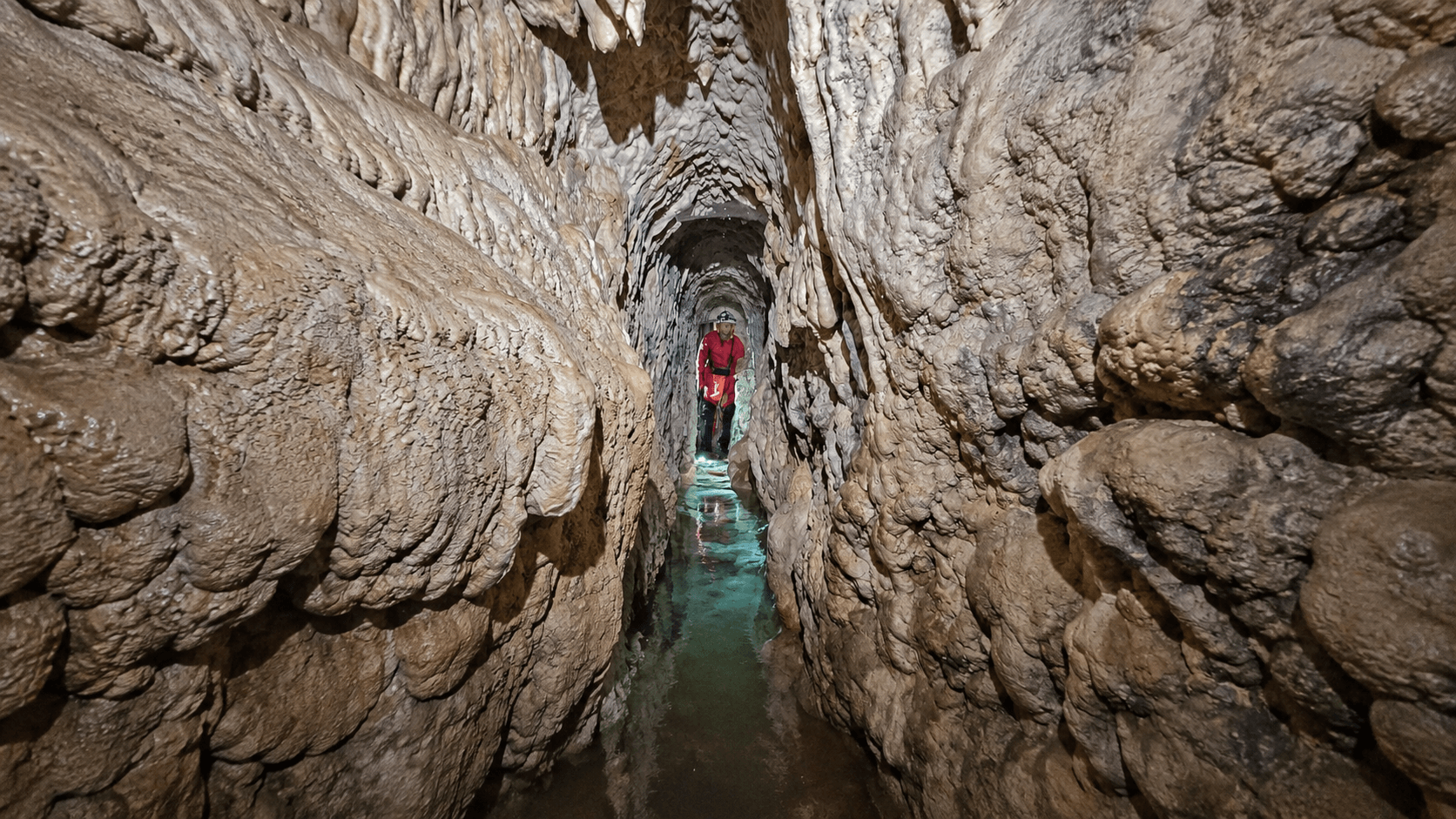
Before Roman Rule, the Sabines Carved This 100-Meter Aqueduct Through Solid Rock
Long before Rome absorbed the Sabine territories of central Italy, communities in the hills northeast of the city were already reshaping the landscape to control water. Archaeologists have now documented a rock-cut aqueduct near the ancient settlement of Trebula Mutuesca, revealing sophisticated engineering from the region’s pre-Roman past. The underground structure was discovered at Monteleone…
-
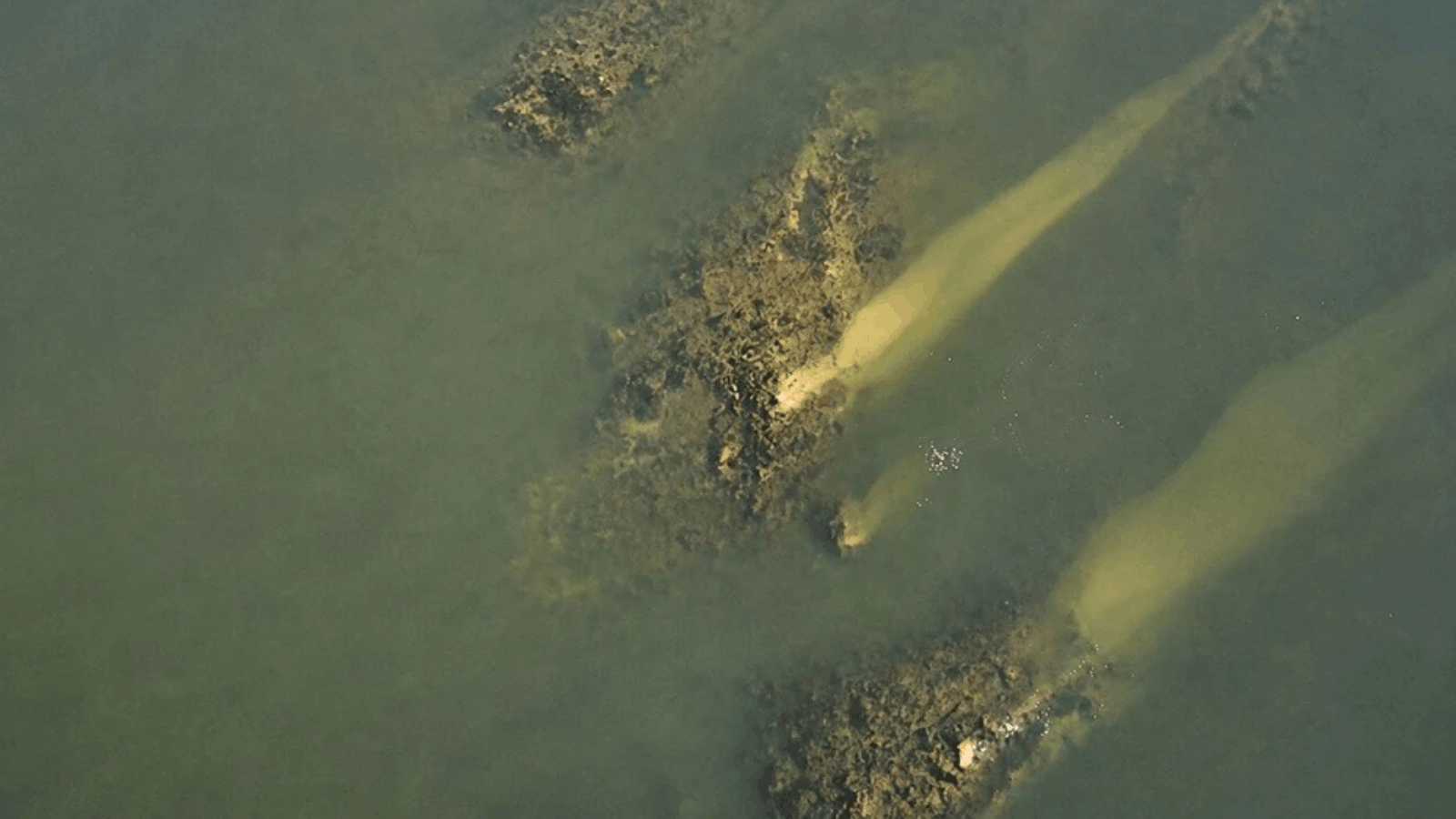
Low Danube Waters Expose Remains of Constantine’s 1,700-Year-Old Roman Bridge
Exceptionally low water levels in the Danube have exposed parts of a vast Roman bridge built during the reign of Emperor Constantine the Great, allowing archaeologists to document foundations that normally remain hidden beneath the river. The remains have emerged near the village of Gigen in northern Bulgaria, close to the ruins of the Roman…
-
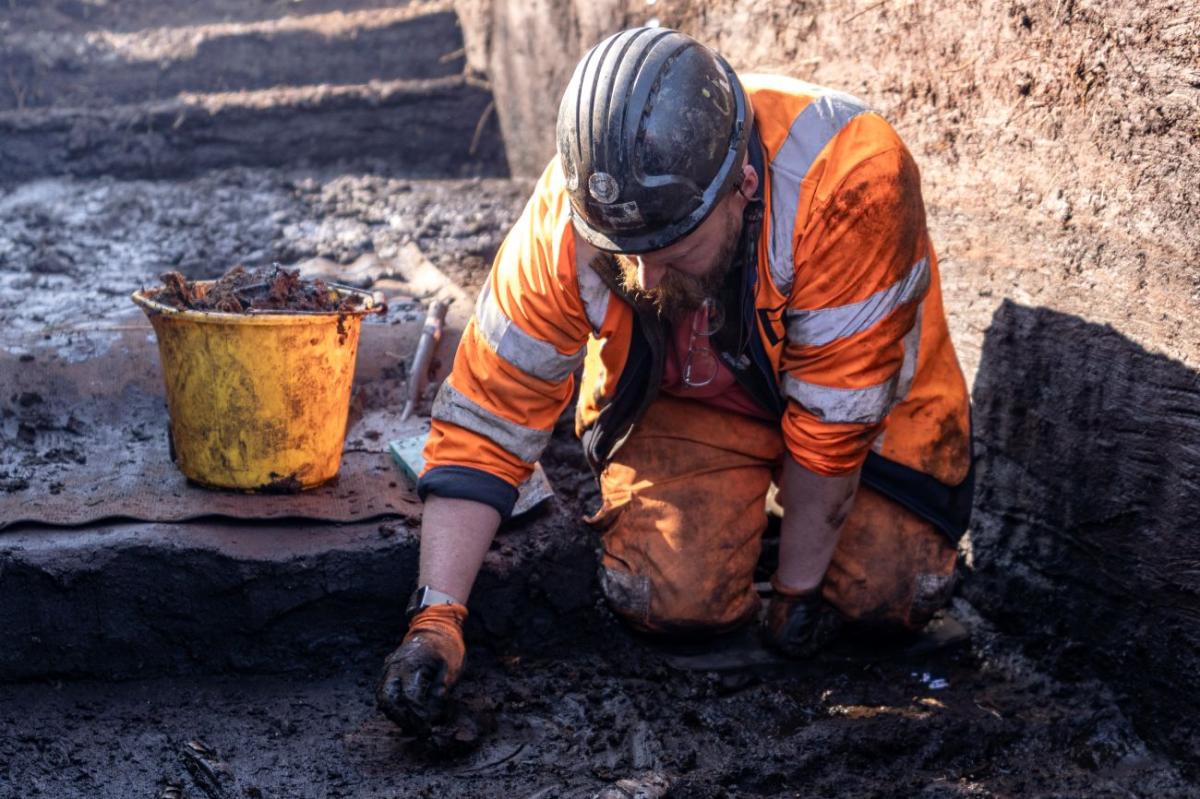
6,000-Year-Old Neolithic Trackway Discovered Beneath Somerset Peatland
A wooden pathway laid down nearly 6,000 years ago has surfaced from the peatlands of Somerset, revealing how some of Britain’s earliest farming communities moved through a landscape dominated by water and marsh. The discovery emerged during excavations at Honeygar, a site now undergoing long-term ecological restoration. Archaeologists had originally been asked to assess a…
-
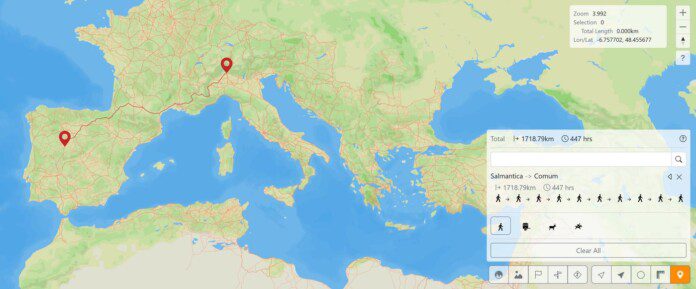
The Digital Road Map of the Roman Empire: Scientists Rebuild a 180,000-Mile Ancient Network
A vast digital reconstruction of the Roman Empire’s road network—covering nearly 180,000 miles—has just been completed, revealing the empire’s highways with unprecedented accuracy. The ambitious project, named Itiner-e, stands as the most comprehensive digital atlas ever created for the ancient world. Built by an international team of more than twenty researchers, the model visualizes how…
-
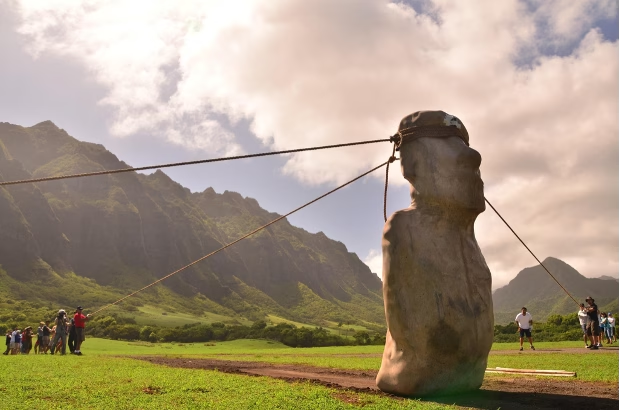
How Easter Island’s Moai Statues “Walked”: New Research Confirms Ancient Engineering Genius
For centuries, the mystery of how the people of Rapa Nui moved their colossal moai statues across the island’s rugged terrain has puzzled archaeologists. Now, new research led by Binghamton University and the University of Arizona offers the clearest answer yet: the statues “walked” — using an ingenious system of ropes, balance, and motion that…