-
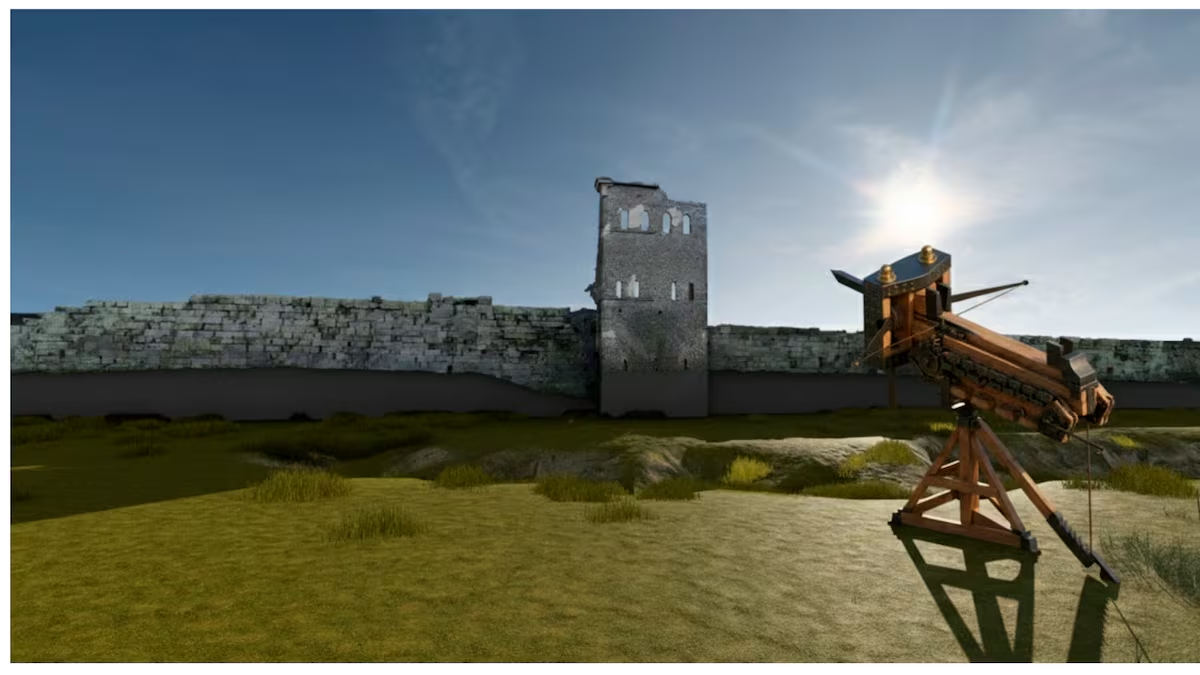
Pompeii Evidence Points to an Ancient Automatic Weapon Known as the Roman Polybolos
Pompeii evidence points to an ancient automatic weapon known as the Roman polybolos—an advanced repeating machine once thought to exist only in ancient texts. Unusual patterns carved into the city’s defensive walls suggest that this elusive device may have been used during the Roman siege of 89 BC, leaving behind a distinct signature unlike any…
-
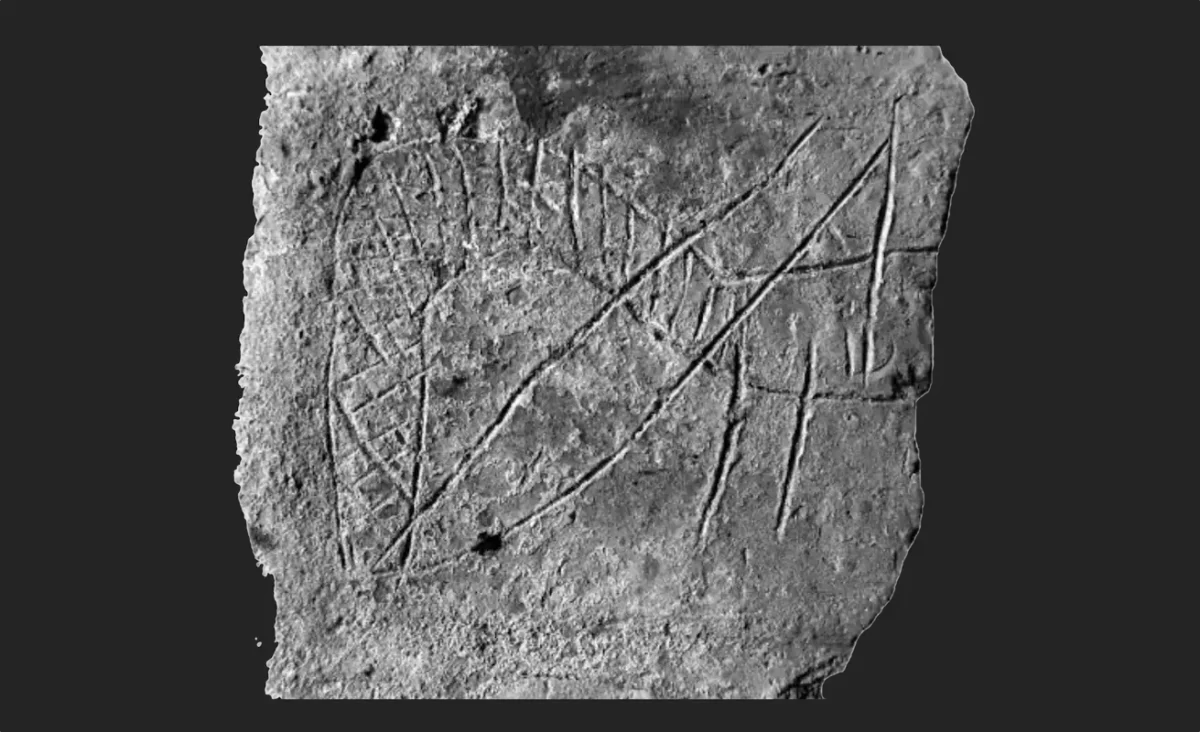
Roman-Era Brick in Spain May Reveal Europe’s Earliest Stirrup—Rewriting Cavalry History
A roughly scratched drawing on a fragment of clay, discovered in central Spain, may be forcing historians to reconsider a long-standing assumption about European warfare. What appears at first to be a crude sketch could, in fact, represent the earliest known stirrup in Western Europe—potentially pushing its use back by more than a century. A…
-
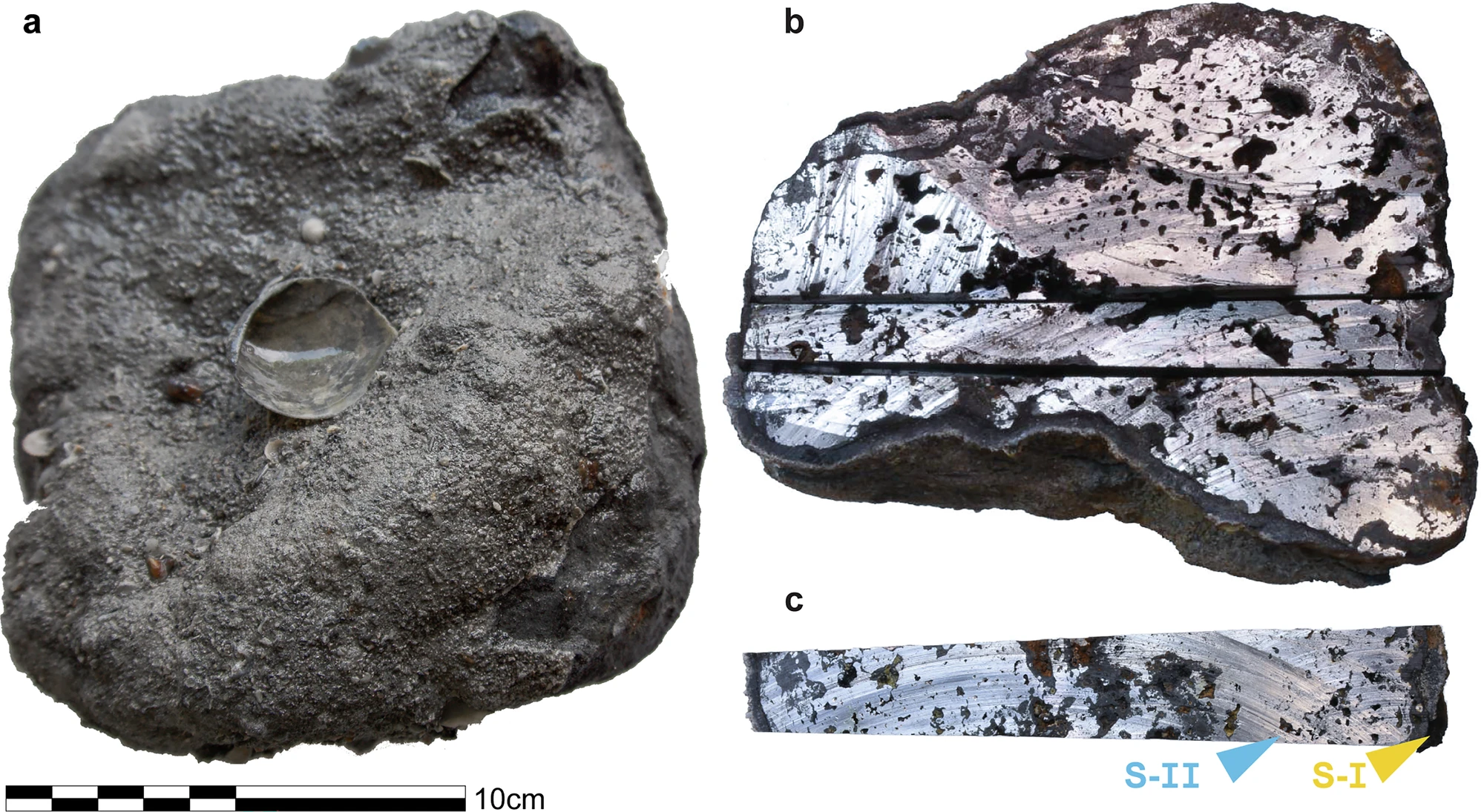
2,600-Year-Old Shipwreck Reveals Raw Iron Trade That Powered Ancient Warfare
Iron trade, long assumed to revolve around finished weapons and refined metal, is now being reconsidered after a striking discovery off the Carmel coast. Beneath the shallow waters near Dor Lagoon, archaeologists uncovered a 2,600-year-old shipwreck carrying raw, unworked iron—evidence that challenges established views of how this critical resource moved across the ancient Mediterranean. An…
-
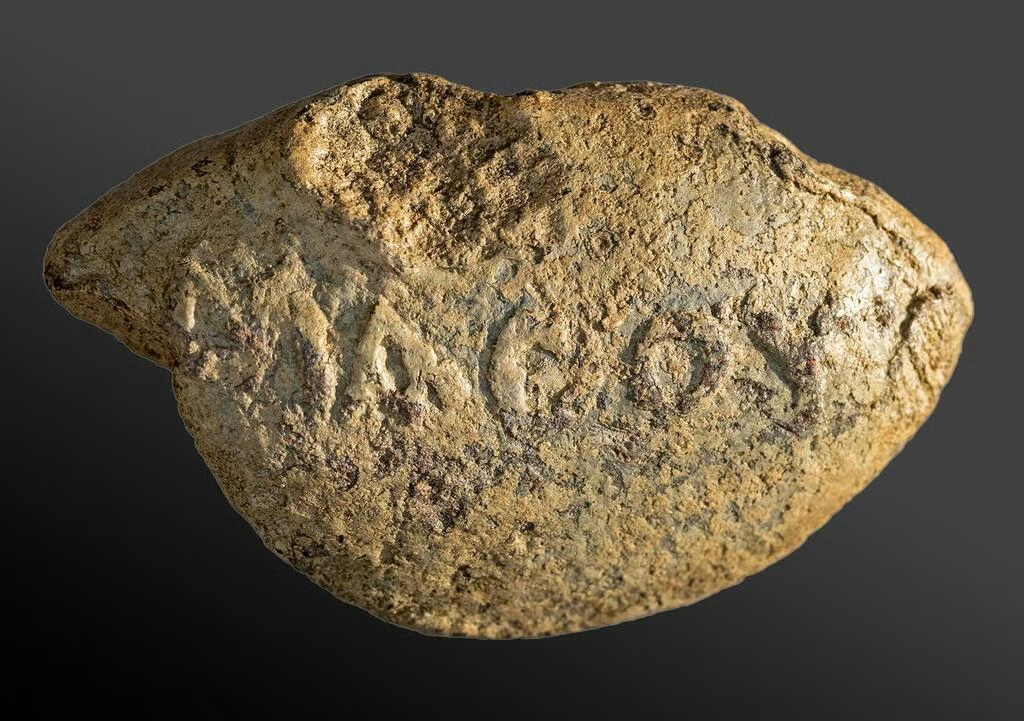
2,000-Year-Old Sling Bullet With Taunting Message Discovered Near Sea of Galilee
A 2,000-year-old sling bullet engraved with a mocking message has been discovered near the Sea of Galilee, offering a rare glimpse into psychological warfare in the ancient world. The small lead projectile was uncovered during archaeological excavations at the ancient city of Hippos (Sussita), where researchers identified a short Greek inscription that appears to taunt…
-
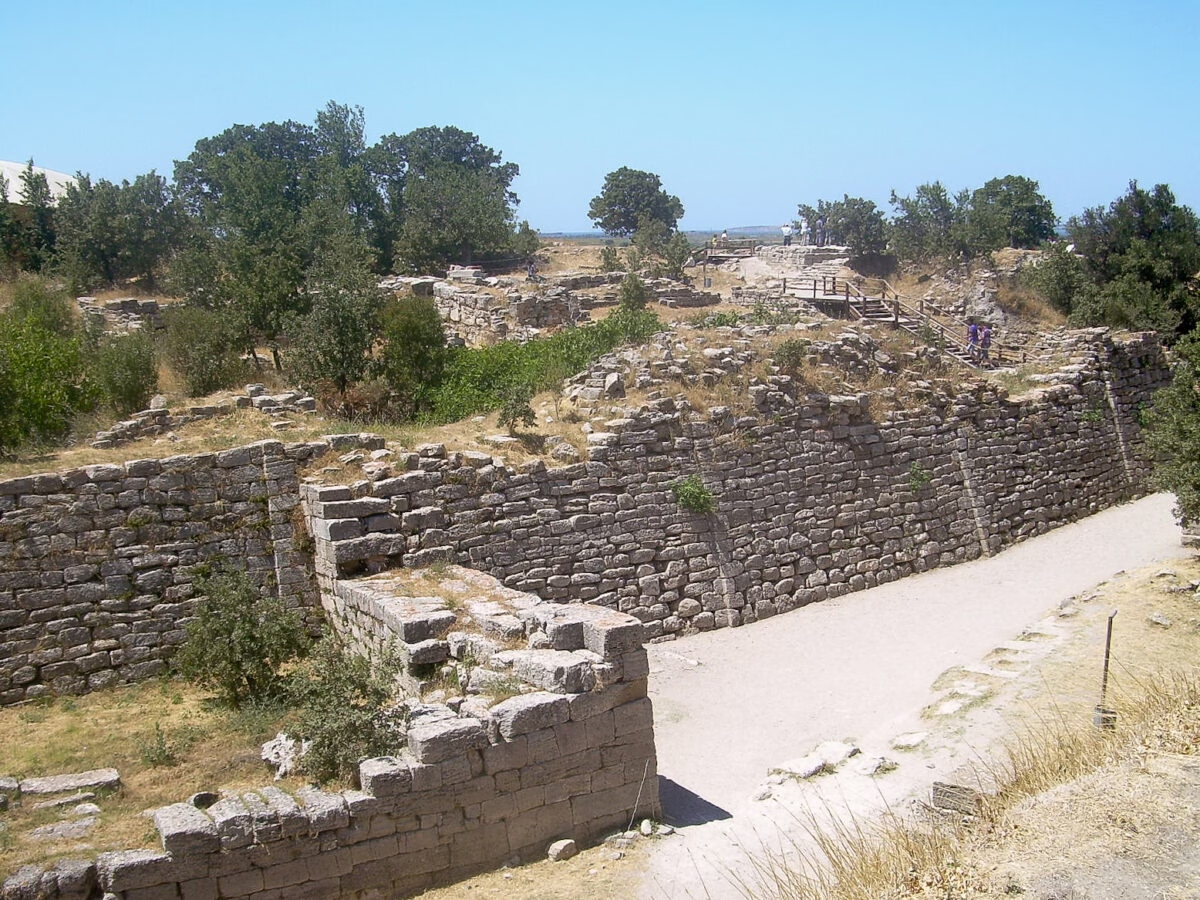
Echoes Beneath Troy: Could the Fabled War Be History in Disguise?
Archaeological digs in Türkiye are reigniting a centuries-old question: Is there historical truth buried beneath the myth of the Trojan War? The story of Troy has long danced between imagination and archaeology. Immortalized in Homer’s Iliad, the siege of the city—sparked by Helen’s abduction and concluded with the cunning of a wooden horse—has lived as…