-

Scientists Find Blood in the Ancient Binding Formula Behind 2,000-Year-Old Huashan Rock Art
China’s 2,000-year-old Huashan rock art has survived on limestone cliffs above the rivers of southern China despite intense heat, monsoon rains and tropical storms that might normally be expected to destroy exposed pigments. A new scientific study suggests that part of the answer lies in an unusual ancient painting formula. Researchers examining the Huashan rock…
-
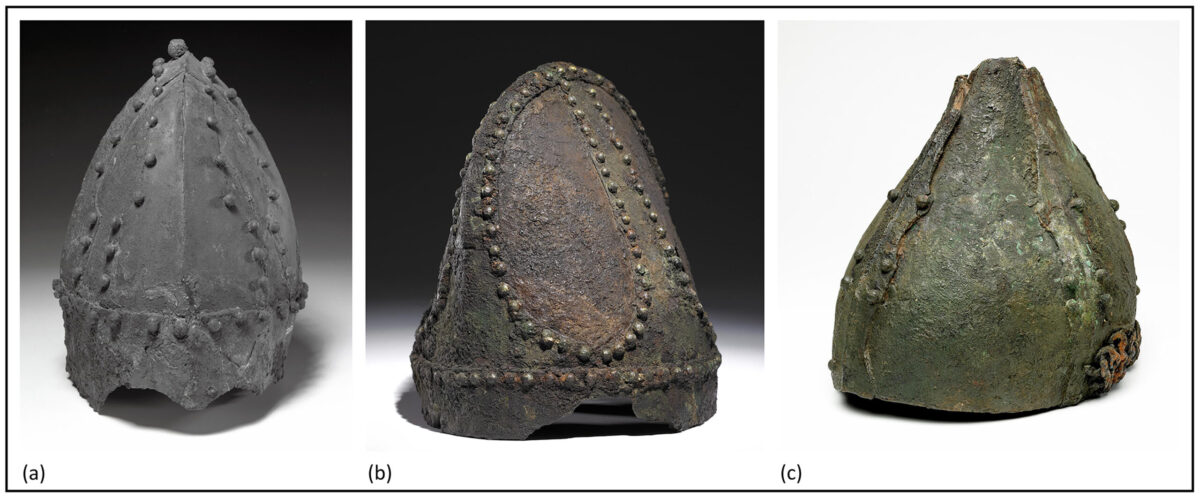
Ancient Helmets and Jewelry Reveal a Forgotten Sasanian Experiment with Brass
A golden shimmer on a hairpin. A thin metal strip on a helmet. A small rivet hidden inside an old museum object. At first glance, these details may seem minor. But new scientific research suggests they preserve a neglected chapter in the technological history of the Sasanian Empire. A study of copper-alloy finds from Merv…
-
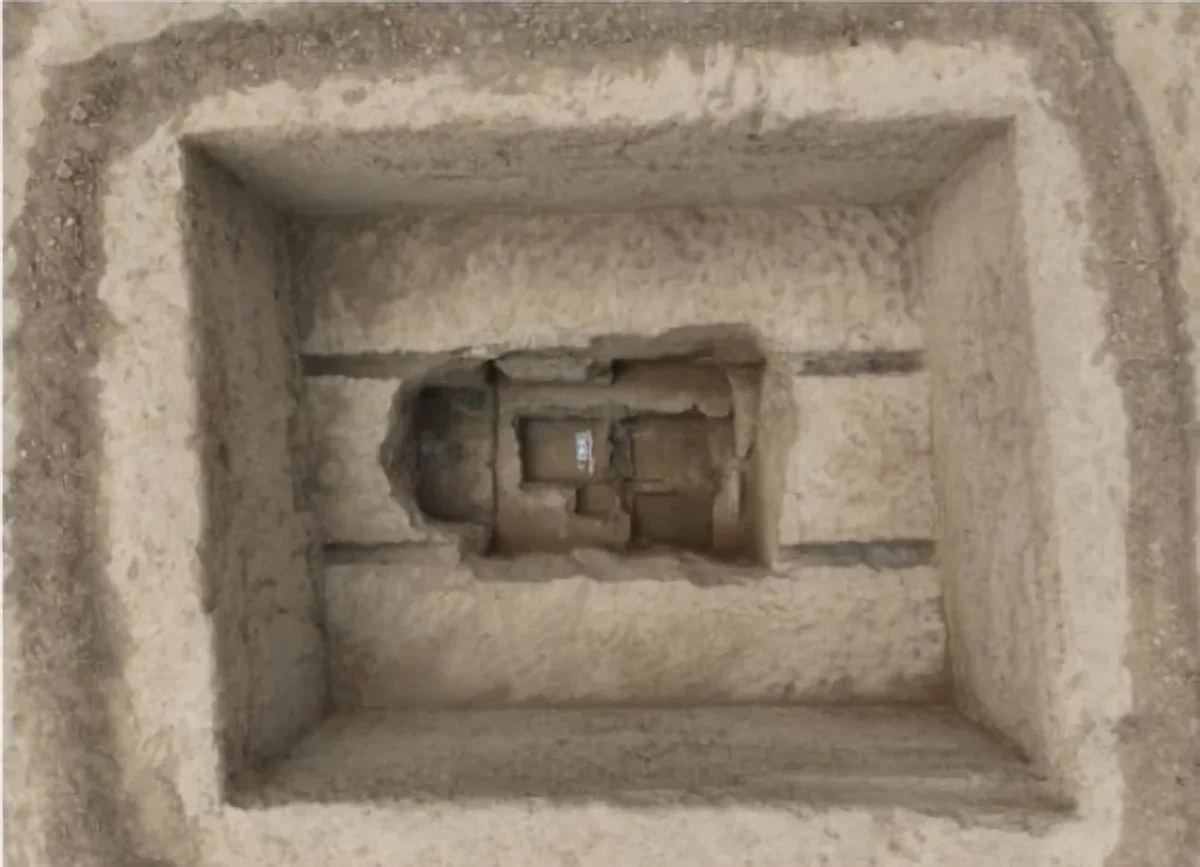
2,300-Year-Old Alcohol Discovered in Qin Tomb Reveals Advanced Brewing Techniques
A 2,300-year-old alcoholic beverage discovered inside a sealed bronze vessel in a Qin Dynasty tomb is offering rare scientific insight into ancient brewing techniques. Preserved in near-perfect condition, the liquid provides direct evidence of how early Chinese communities produced and stored fermented drinks long before imperial unification. A sealed vessel preserved for over two millennia…
-
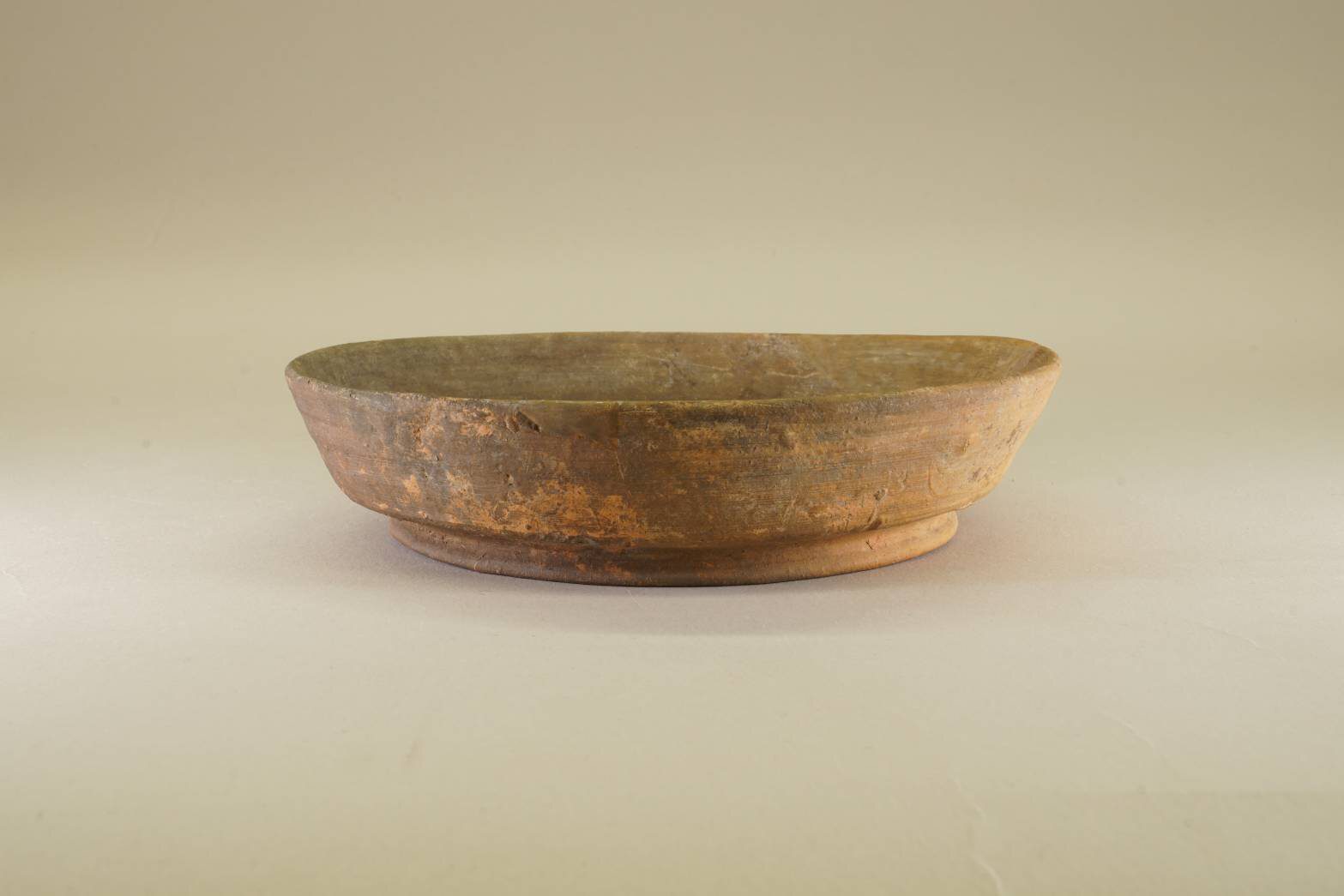
AI Learns to Read Ancient Pottery: New 3D Study Challenges How Archaeologists Classify Ceramics
Archaeologists have long relied on trained eyes to classify ancient pottery. But a new study suggests that may no longer be enough. Using 3D data and artificial intelligence, researchers have shown that machines can now identify subtle differences in ceramic forms with a level of consistency that challenges traditional methods. The findings were published in…
-

Bronze Age Mycenaean Road Network Reconstructed Using Advanced Digital Mapping
The Bronze Age Mycenaean road network across the Peloponnese reveals a sophisticated system of travel and trade in ancient Greece. Researchers have harnessed cutting‑edge digital tools to trace how travellers moved across ancient Greece, offering the clearest reconstruction yet of the road network built by the Mycenaeans in the Late Bronze Age. The new study, led…
-
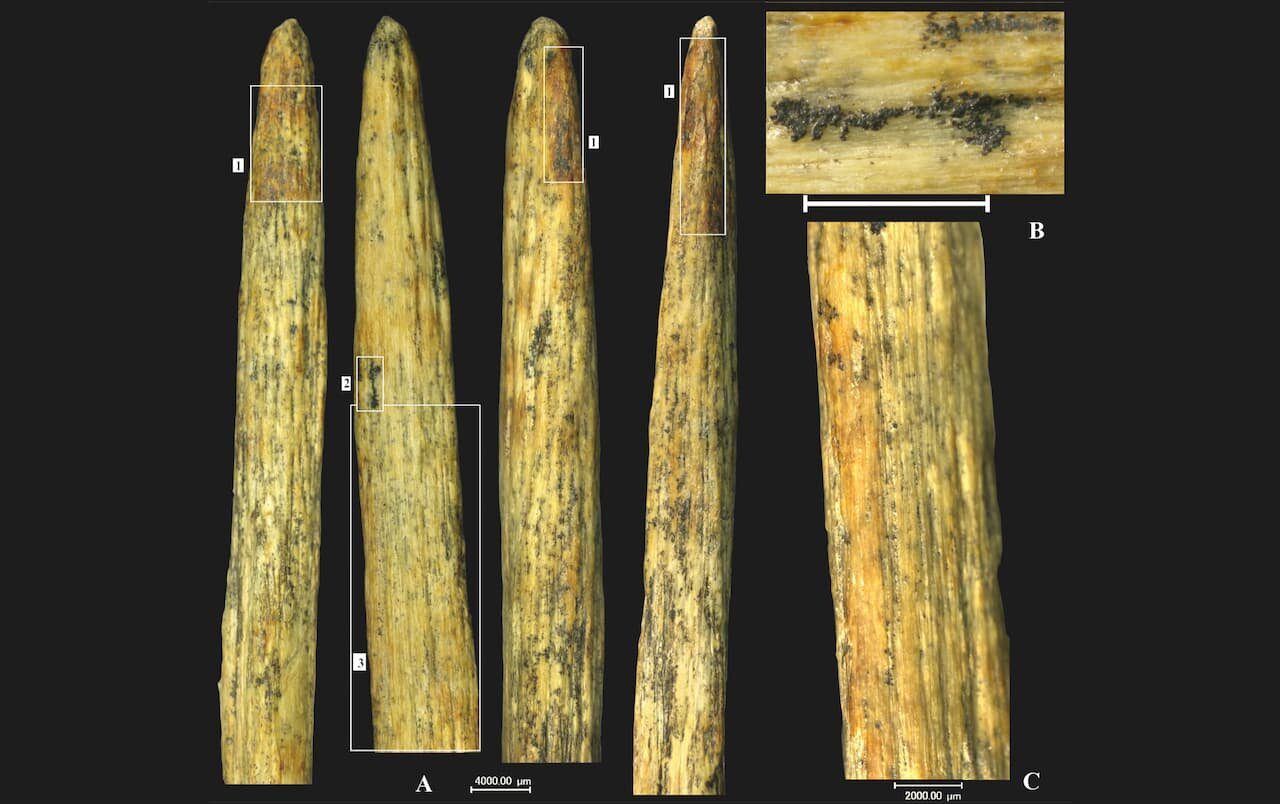
Europe’s Oldest Spearhead Unearthed in Russia: Crafted by Neanderthals 80,000 Years Ago
A spearhead recently identified in a cave in the North Caucasus has turned out to be the oldest ever found in Europe. According to an international research team, the artifact—made from animal bone and dated between 80,000 and 70,000 years ago—was almost certainly crafted by Neanderthals. The study, published in the Journal of Archaeological Science,…