-
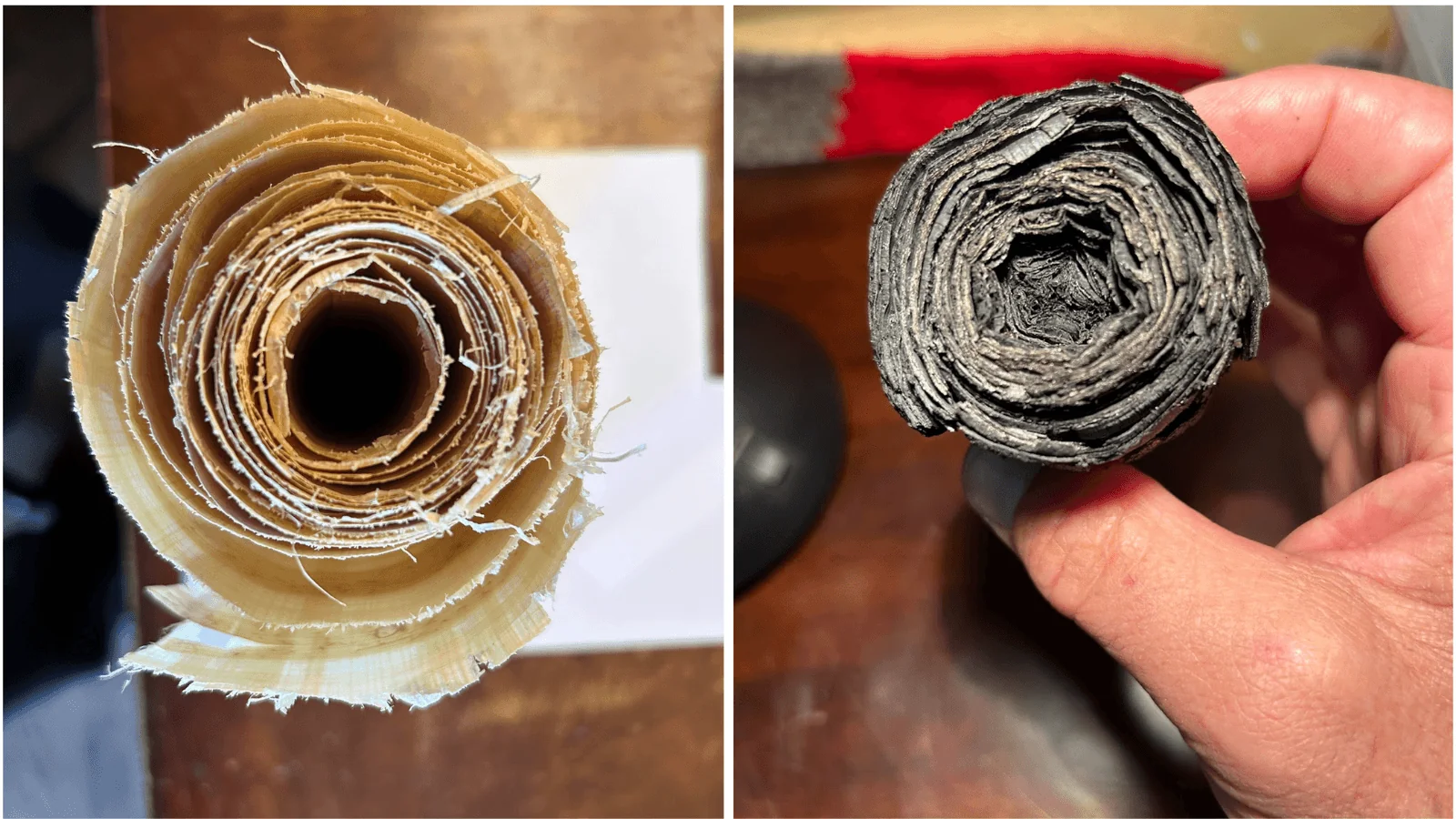
To Read 2,000-Year-Old Scrolls, Scientists Burned Their Own
To help read 2,000-year-old scrolls buried by Mount Vesuvius, scientists created new papyrus manuscripts, wrote on them with lead-laced ink and deliberately burned them. The unusual experiment could provide a practical way to identify the most promising texts among the carbonized remains of the Herculaneum library. The laboratory-made scrolls were not filled with ancient philosophy.…
-
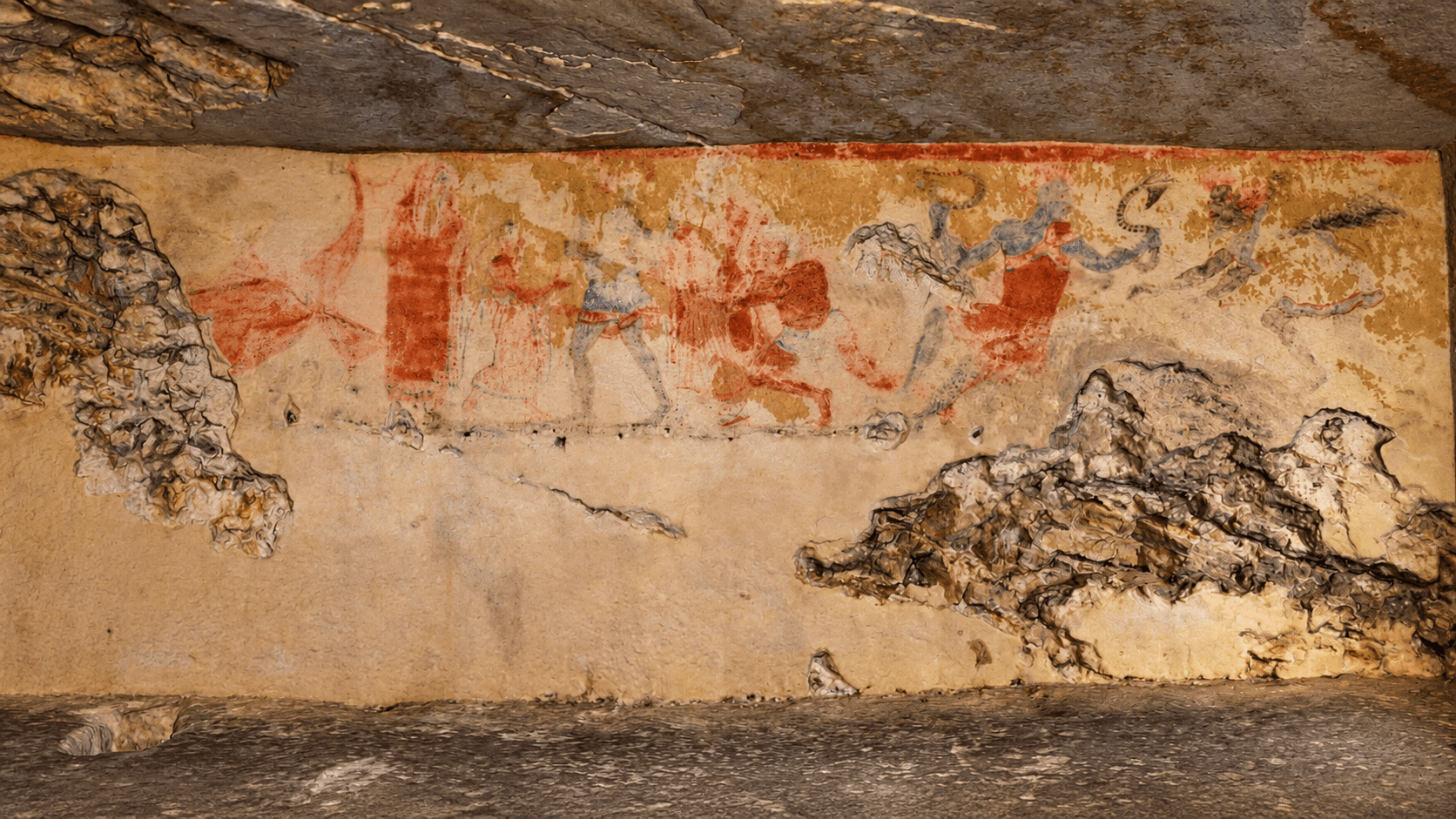
A 2,400-Year-Old Etruscan Tomb Echoed Like a Cathedral and May Have Altered the Senses
Anyone descending into the Etruscan Tomb of the Blue Demons would have left daylight behind and entered a chamber of flickering illumination, distorted voices and painted supernatural figures. At the rear of the tomb, low-frequency sounds could reverberate for more than seven seconds, making their source difficult to locate and allowing the echoes to be…
-
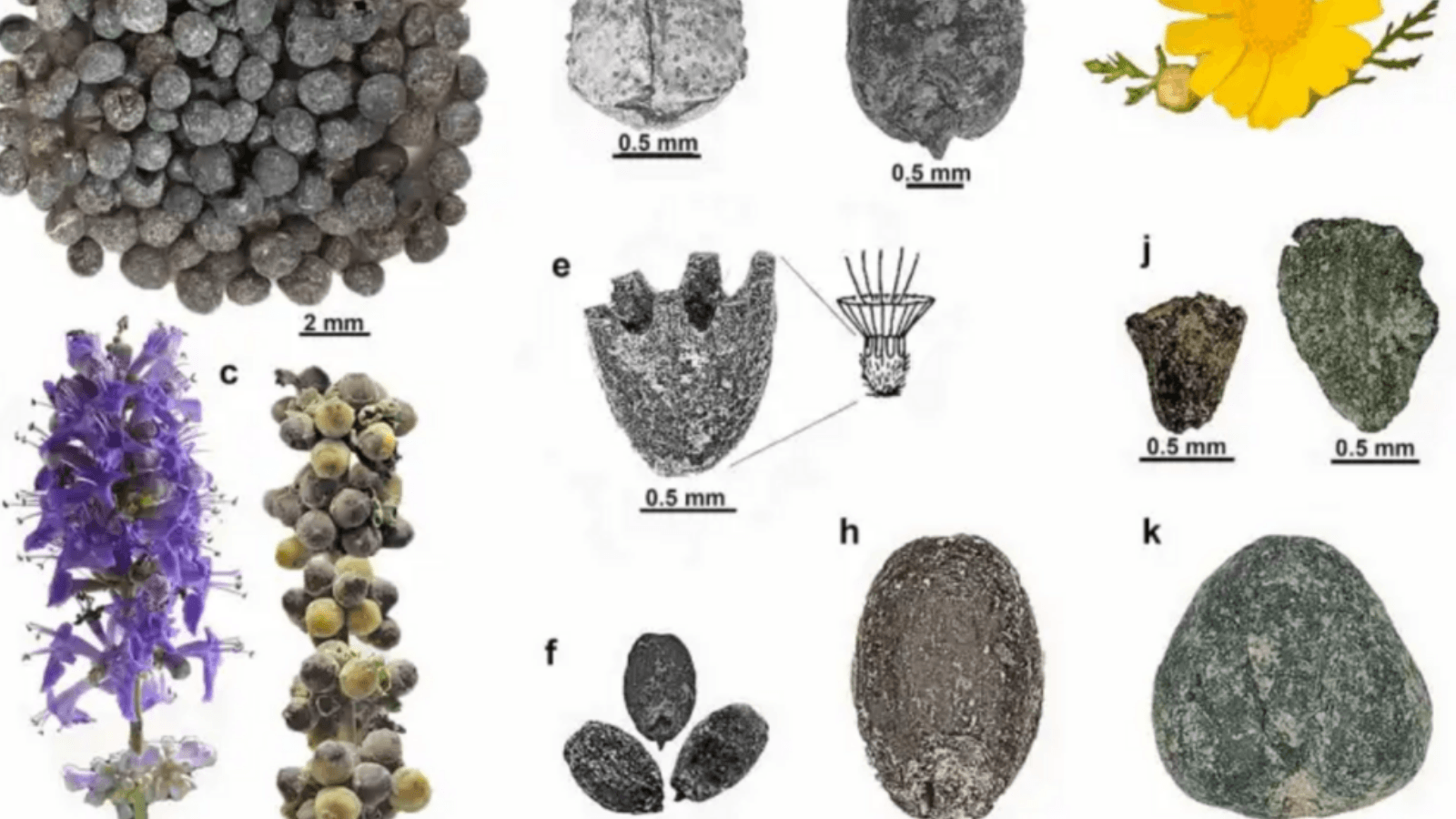
New AI Identifies 7,000-Year-Old Seeds to Reconstruct Ancient Farming
A new AI system designed to identify ancient plant remains is giving archaeologists a faster way to study charred seeds that preserve evidence of what people cultivated, stored and ate thousands of years ago. Identifying such remains is often slow and difficult. Ancient seeds may be burned, broken or distorted, forcing specialists to examine large…
-
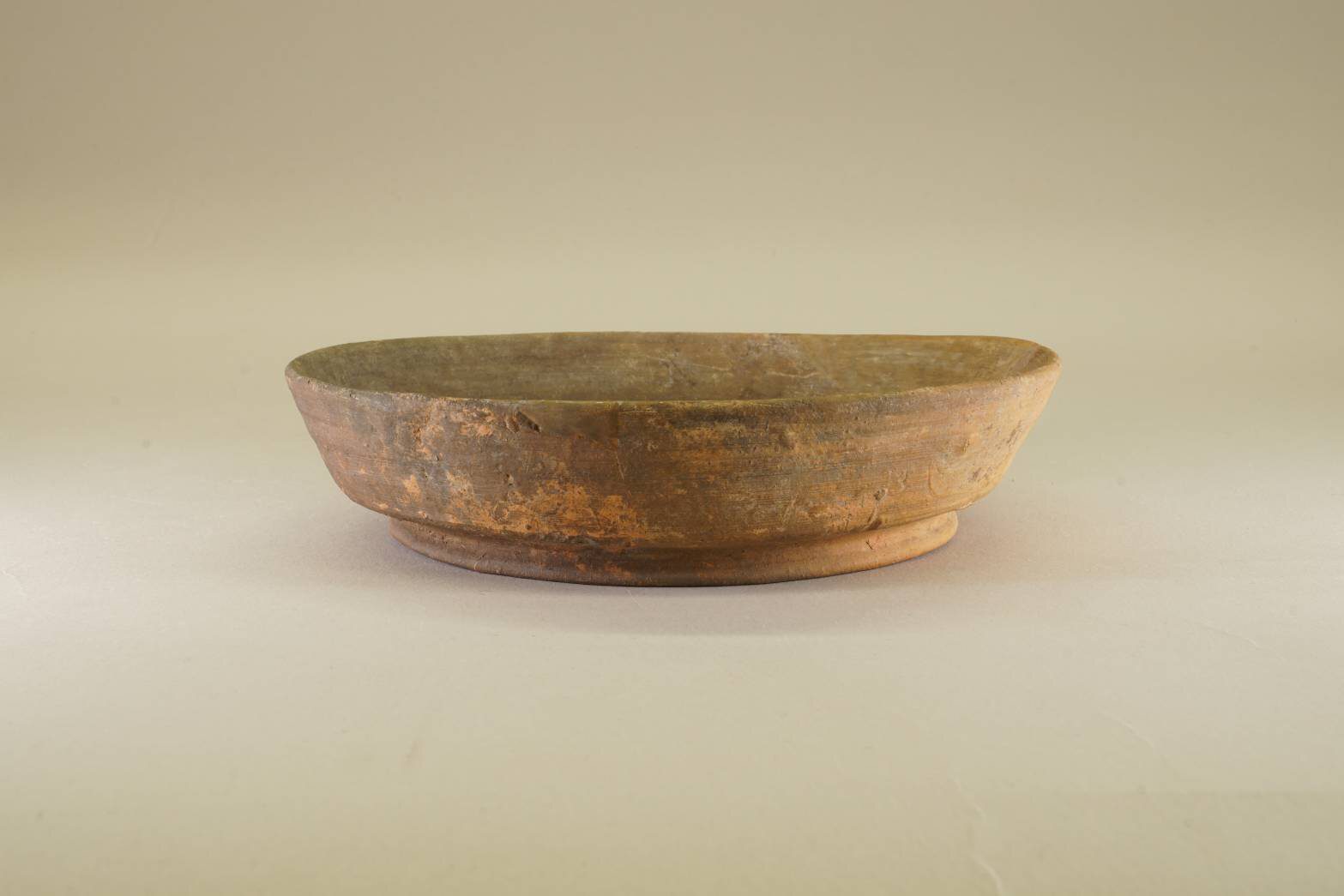
AI Learns to Read Ancient Pottery: New 3D Study Challenges How Archaeologists Classify Ceramics
Archaeologists have long relied on trained eyes to classify ancient pottery. But a new study suggests that may no longer be enough. Using 3D data and artificial intelligence, researchers have shown that machines can now identify subtle differences in ceramic forms with a level of consistency that challenges traditional methods. The findings were published in…
-
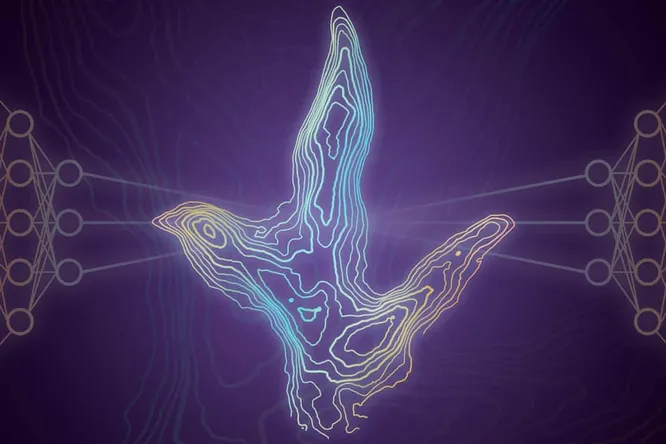
AI App Learns to Read Dinosaur Footprints—Without Knowing Their Names
At first glance, a fossilized dinosaur footprint looks deceptively simple. Three toes. A heel mark. But for paleontologists, identifying which dinosaur made which track has long been one of the field’s most stubborn puzzles. Now, a new artificial intelligence tool is offering a fresh way forward—by learning without labels. Researchers have launched DinoTracker, a free…