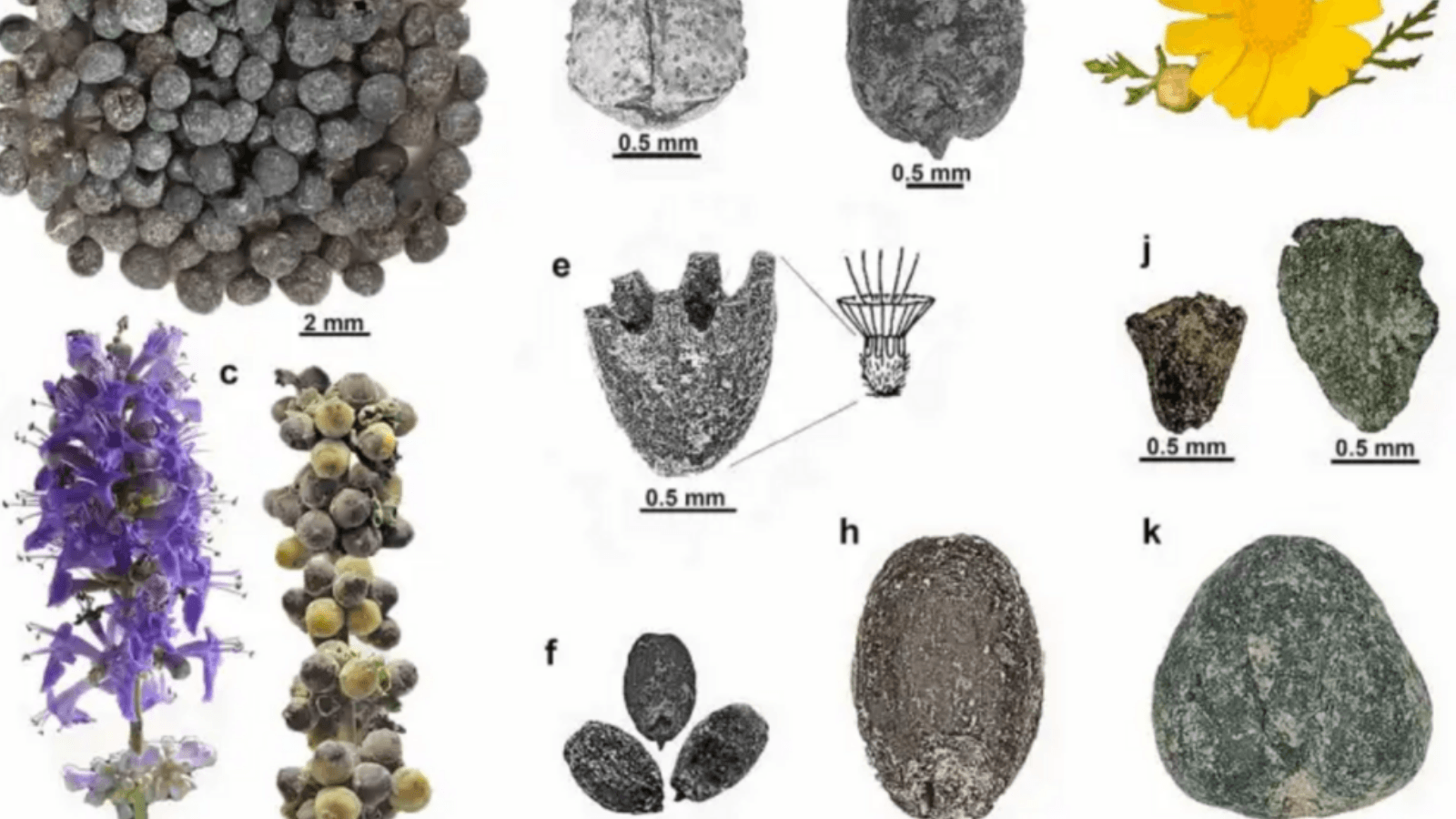
A new AI system designed to identify ancient plant remains is giving archaeologists a faster way to study charred seeds that preserve evidence of what people cultivated, stored and ate thousands of years ago.
Identifying such remains is often slow and difficult. Ancient seeds may be burned, broken or distorted, forcing specialists to examine large collections one specimen at a time.
Researchers from Shandong University and Lingnan University have now developed an artificial intelligence system designed specifically to identify ancient plant remains. Called APSNet, the model was trained on thousands of images of archaeological seeds from China, including specimens dating back more than 7,000 years.
In testing, the system classified ancient seeds with an overall accuracy of 90.2 percent, raising the possibility that AI could help archaeologists process large archaeobotanical collections far more efficiently.
Why Ancient Seeds Are Difficult to Identify
Plant remains can provide some of the most direct evidence for agriculture and food production in the archaeological record.
Many ancient seeds survive because they were accidentally or deliberately charred. Carbonization can preserve plant material for thousands of years, but heat also changes its appearance.
Seeds may shrink, swell, crack or lose distinctive surface features. Burial conditions and later damage can alter them further, while different plant species sometimes produce seeds that look remarkably similar.
Archaeobotanists therefore rely on subtle differences in shape, texture and size when identifying specimens.
The difficulty increases when excavations produce thousands of plant remains. Manual identification requires considerable time and specialist expertise, creating a major bottleneck in the study of ancient agriculture.
8,340 Images from 18 Archaeological Sites
To train APSNet, the researchers first assembled a standardized collection of ancient seed images.
The resulting Ancient Plant Seed Image Classification dataset, known as APS, contains 8,340 images divided among 17 genus- or species-level categories.
The archaeological specimens came from 18 sites across northern and southern China and span a period from about 5400 BCE to AD 220.
The collection includes barley, wheat, foxtail millet and broomcorn millet, crops that played important roles in the development of agriculture in ancient China. Peach remains are also represented.
Researchers photographed the specimens under standardized microscopic conditions, preserving information about both their physical dimensions and morphological features.
Size can be particularly useful when archaeobotanists are trying to distinguish between seeds that otherwise appear similar.
Teaching AI to Recognize Archaeological Seeds
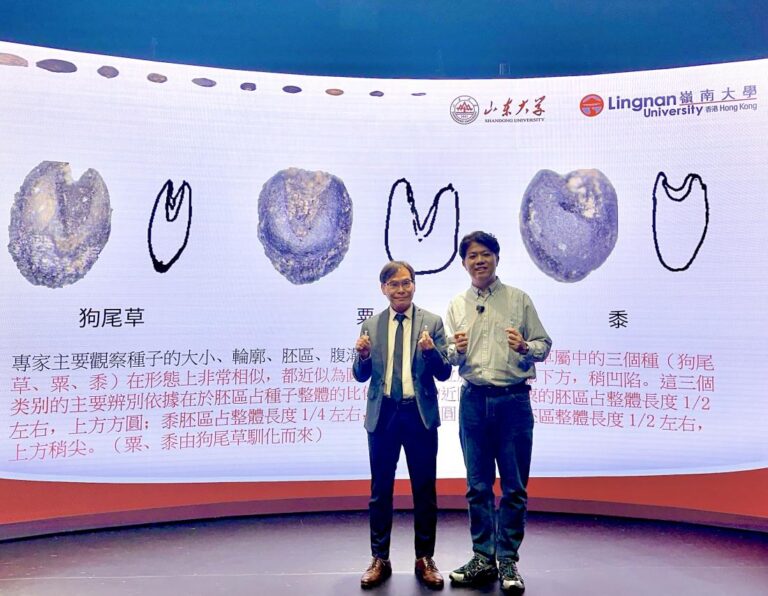
APSNet was developed specifically around the characteristics used to identify ancient plant remains.
Rather than relying only on general image-recognition techniques, the system combines fine morphological details with information about the physical scale of each specimen.
One component helps the model recognize differences in seed size, while other parts of the network analyze spatial and visual features that may separate closely related categories.
The researchers tested APSNet against 28 existing image-classification models. Their system produced the strongest result on the archaeological dataset, reaching 90.2 percent classification accuracy.
The researchers do not present the technology as a replacement for archaeobotanists.
Instead, it could serve as an initial classification tool, rapidly sorting large numbers of specimens before specialists verify the identifications and place them within their archaeological context.
Identifying a plant is only the beginning of that process. Archaeologists must still determine whether it was cultivated or gathered, how it was processed, whether it formed part of the local diet and what its presence reveals about the wider settlement.
From Individual Seeds to Ancient Farming Patterns
The ability to classify large archaeobotanical collections more quickly could allow researchers to compare plant remains across far greater numbers of sites and time periods.
Such datasets could reveal changes that are difficult to detect through smaller-scale analysis, including the spread of crops, shifts in staple foods and changes in agricultural strategies.
China provides an important setting for this type of research. Its archaeological record preserves evidence for thousands of years of farming history, including the long development of millet agriculture and the later expansion of crops such as wheat.
The study, published in npj Heritage Science, presents APSNet and the APS image dataset as tools for expanding systematic archaeobotanical research.
If the method can be applied to larger and more diverse collections, it could accelerate the first stage of seed identification and give archaeologists more material with which to trace how farming practices, diets and crop distributions changed across ancient societies.