-
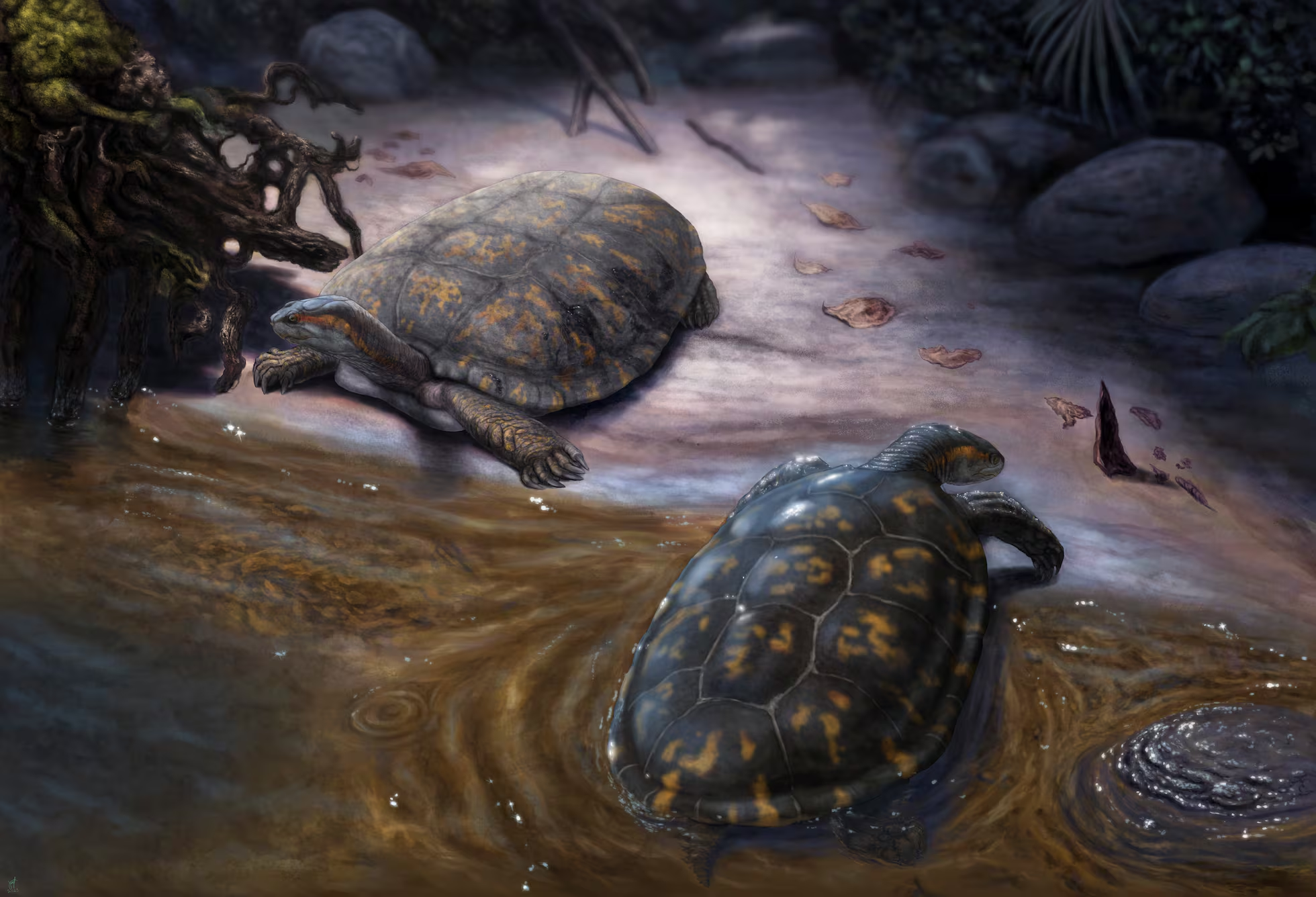
A New Miocene Turtle Named Shakiremys colombiana Reveals a Surprising Evolutionary Link in Northern South America
A newly described fossil turtle from central Colombia is reshaping what scientists know about the evolutionary pathways of South America’s freshwater turtles. The species, now formally named Shakiremys colombiana, lived roughly 13 million years ago during the Middle Miocene—a period when the region around today’s Tatacoa Desert was a labyrinth of lakes, floodplains, and interconnected…
-
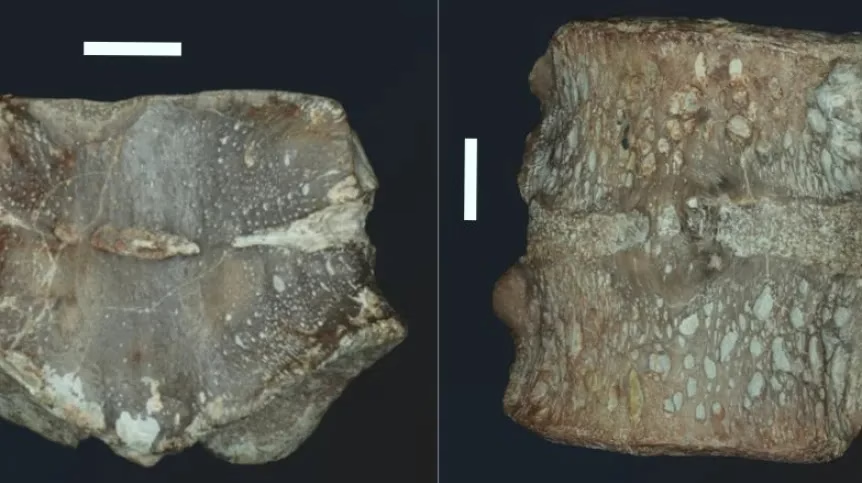
Oldest Known Spinal Disorders Found in 225-Million-Year-Old Fossils
Fossil excavations in Krasiejów, Poland, have revealed that prehistoric amphibians were far more fragile than once thought. Researchers from the Paleobiology Center at Opole University have identified the earliest recorded spinal disorders in fossils of the genus Metoposaurus, distant relatives of modern frogs and salamanders. The findings, published in Scientific Reports (Nature Publishing Group), show…
-
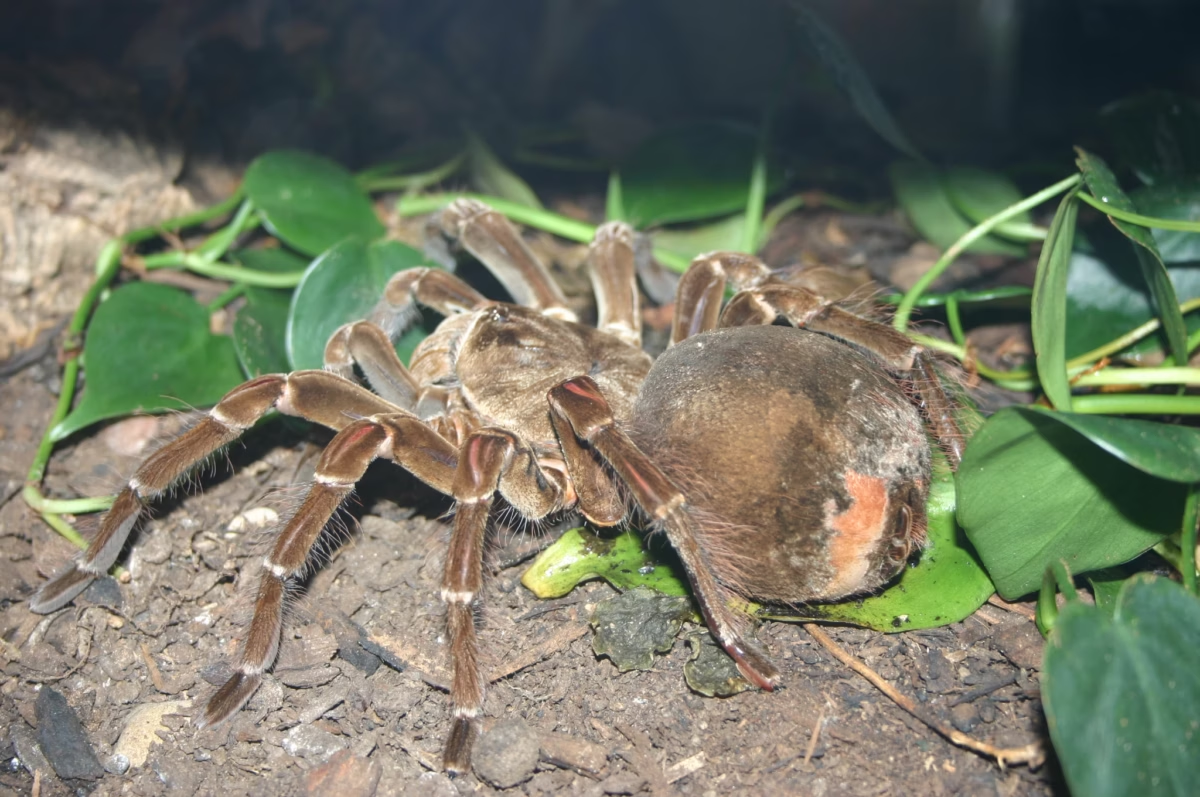
From Ocean Hunters to Web Weavers: A 500-Million-Year-Old Fossil Rewrites Spider Origins
In a groundbreaking study, scientists have uncovered evidence that could overturn our understanding of where spiders—and their arachnid relatives—originated. A 500-million-year-old fossil from the Cambrian period reveals that the ancestors of today’s spiders may have first evolved in the oceans, not on land. Arachnids, a group that includes spiders, scorpions, and ticks, are often celebrated…
-
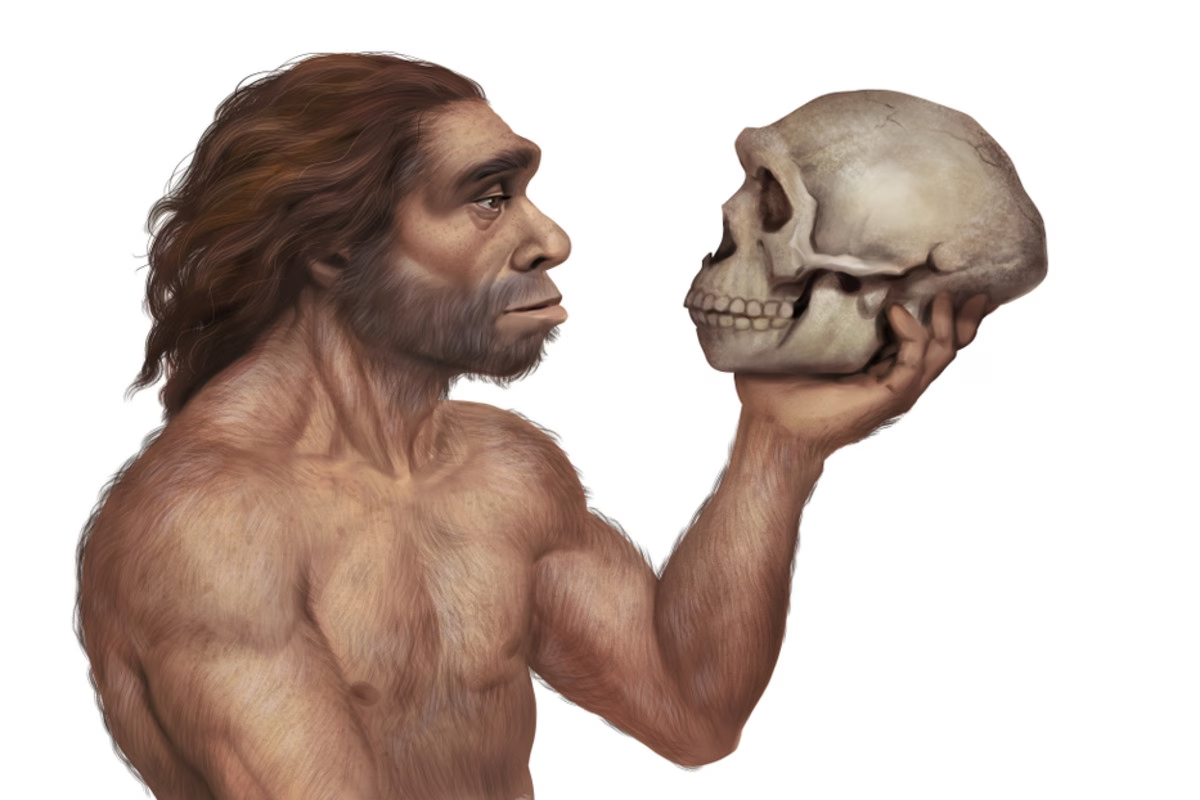
146,000-Year-Old Skull Sheds Light on Mysterious Denisovan Humans
A major breakthrough has brought scientists closer to solving a long-standing mystery about the Denisovans — an extinct group of ancient humans closely related to modern humans and Neanderthals. A remarkably well-preserved 146,000-year-old skull discovered in Harbin, northeastern China, is now believed to represent one of the clearest examples of a Denisovan fossil ever found.…