-
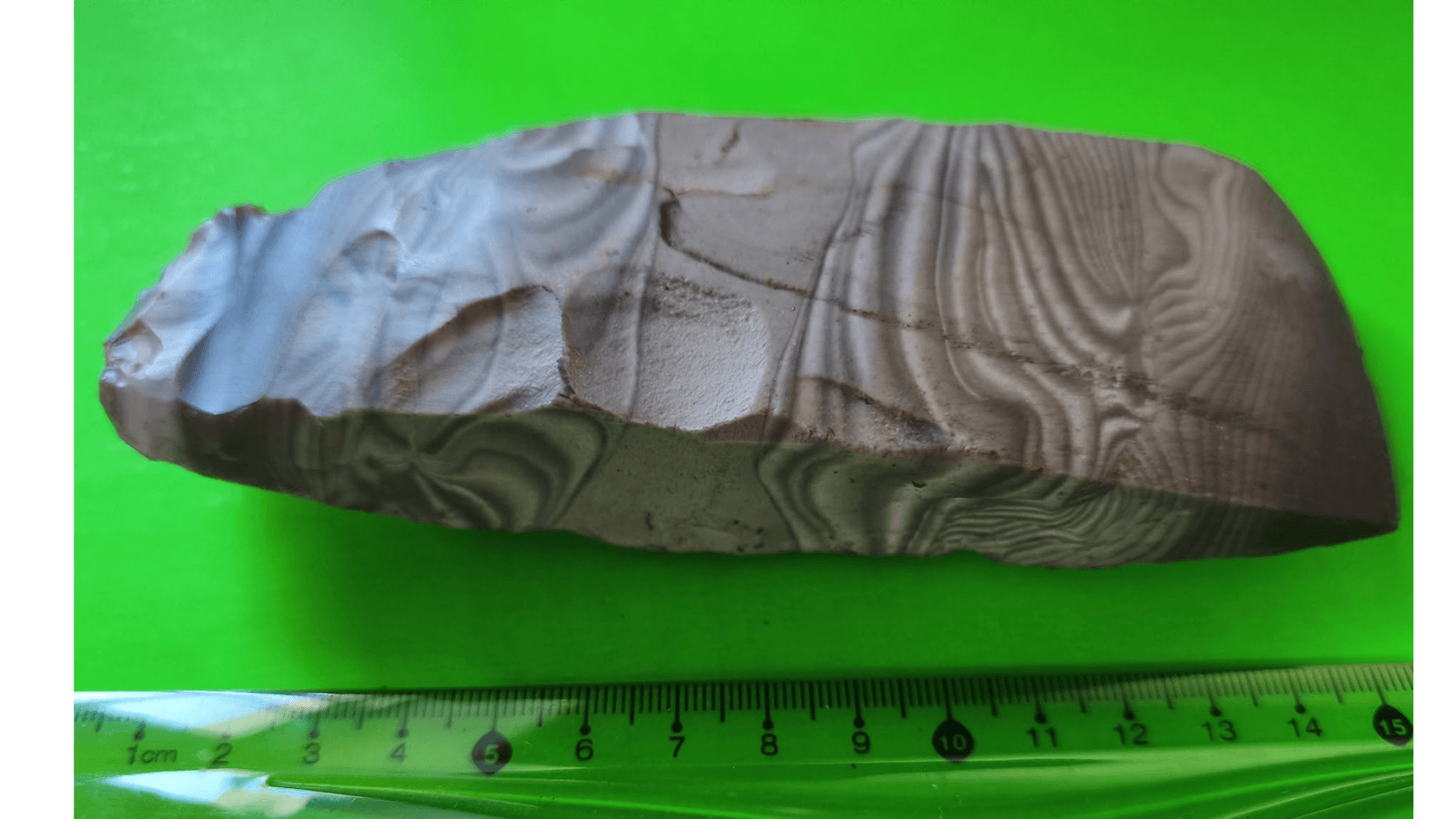
Colorful Stone Found in a Polish Tobacco Field Is a Nearly 6,000-Year-Old Axe
A colorful stone uncovered while a couple were weeding tobacco in eastern Poland has been identified as a nearly 6,000-year-old Neolithic axe. Made from distinctive striped flint, the remarkably well-preserved tool may add to evidence that the surrounding region was more intensively occupied in prehistory than archaeologists once believed. Agnieszka and Krzysztof Obszański discovered the…
-
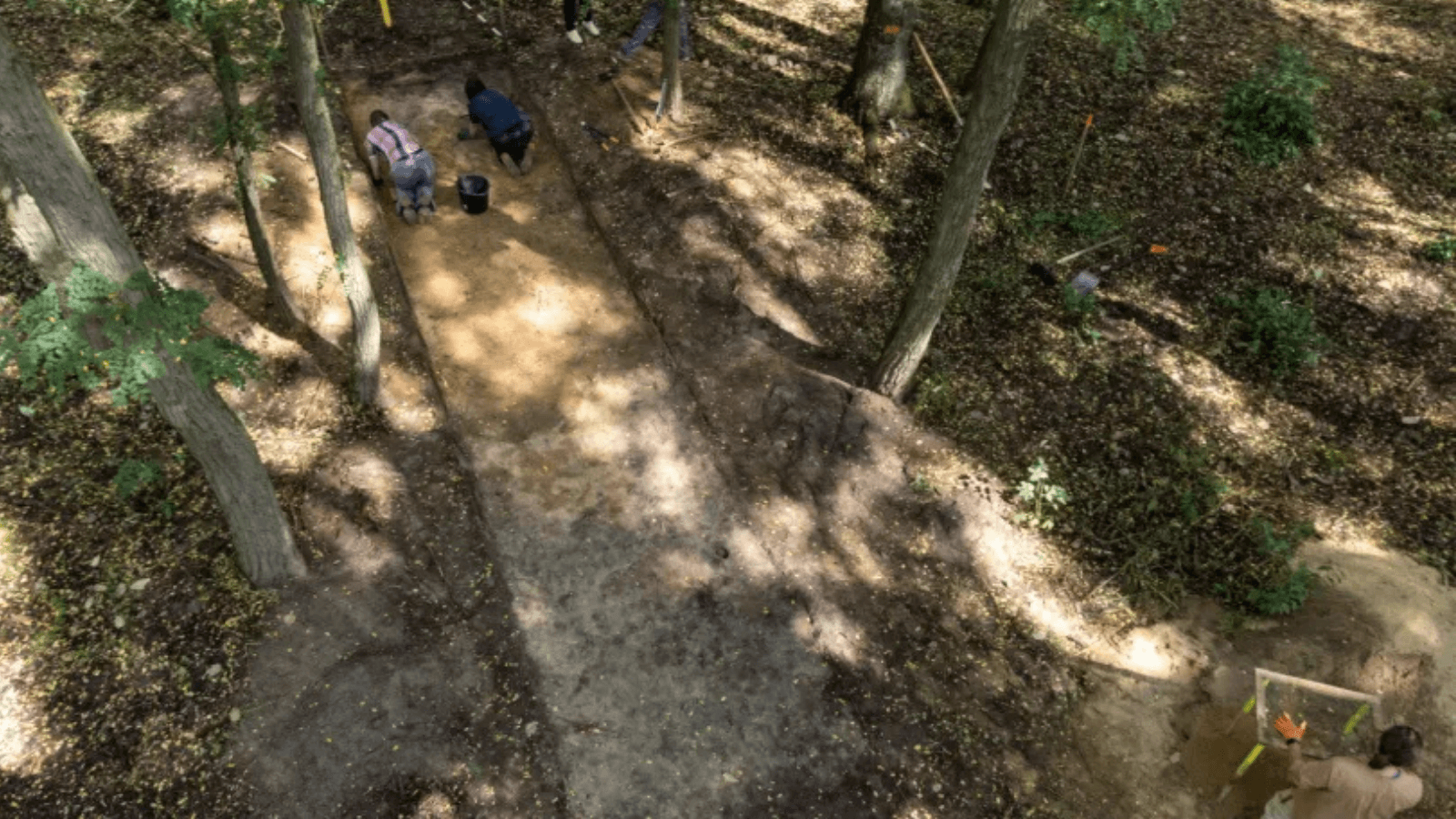
Archaeologists Discover a 5,500-Year-Old Monument Hidden Beneath a Polish Forest
Archaeologists have identified a monument hidden beneath a Polish forest as a 5,500-year-old earthen tomb built by a Neolithic farming community. Archaeologists working at the edge of a long-established forest in the Greater Poland region have uncovered sections of a stone-lined earthen structure associated with the Funnel Beaker culture. The evidence confirms that the mound…
-
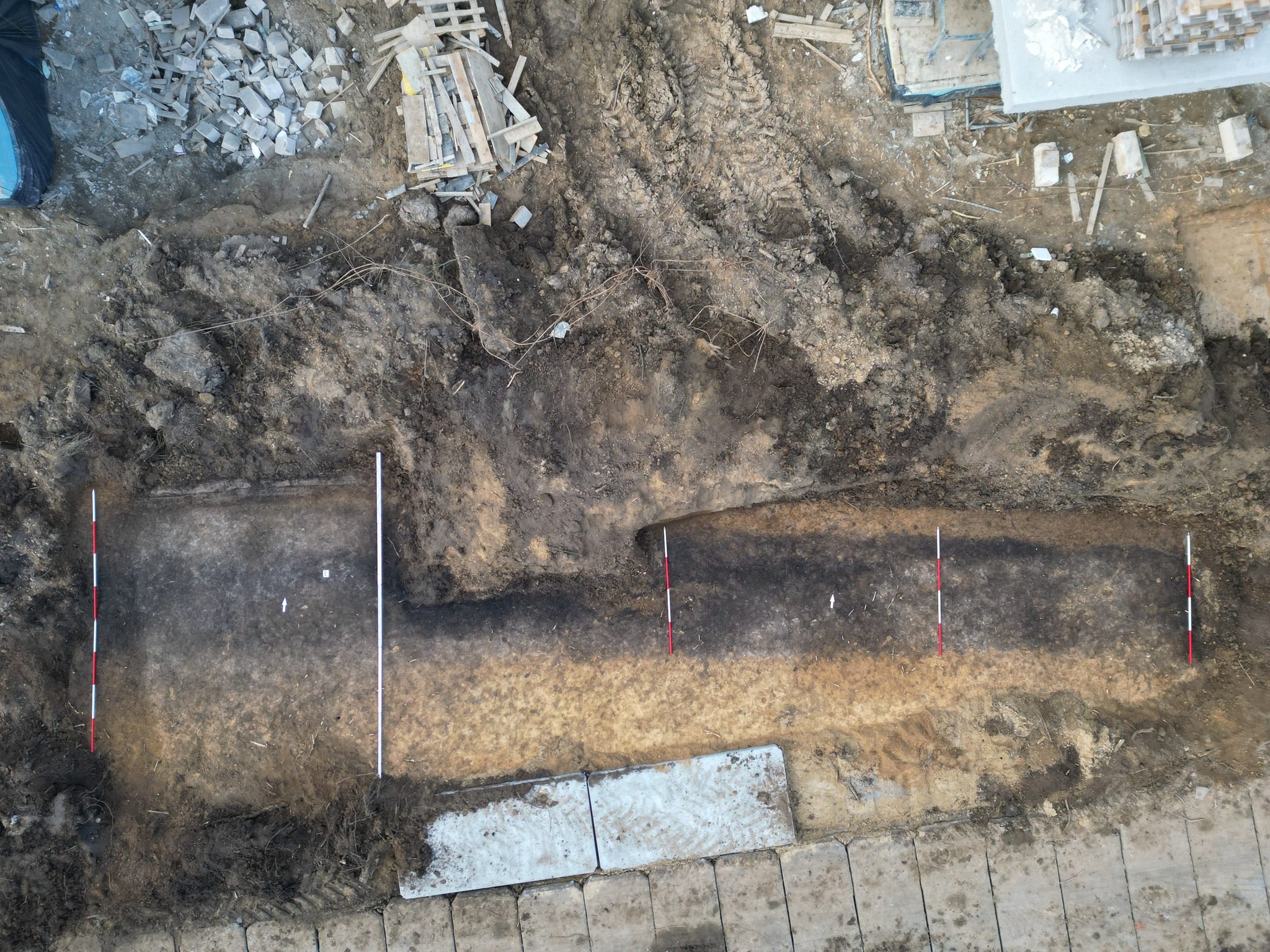
6,000-Year-Old Wooden Megalithic Tomb Discovered in Poland During Housing Project
A 6,000-year-old wooden megalithic tomb discovered in Lublin, Poland, during a housing project is offering rare insight into prehistoric burial traditions in Central Europe. What began as routine groundwork has revealed an unexpected structure tied to one of the region’s earliest farming communities. According to a statement by the Lublin Voivodeship Conservator of Monuments, based…
-

5,500-Year-Old Ritual Vessels in Poland Reveal Dairy Feasts Linked to Women-Led Ceremonies
A set of carefully crafted ceramic vessels unearthed in central Poland is shedding new light on how Neolithic communities gathered, ate, and marked important moments together. The objects, dating back roughly 5,500 years, appear to have been used during ritual feasts involving processed dairy products—and may point to ceremonies shaped largely by women. The discovery…
-
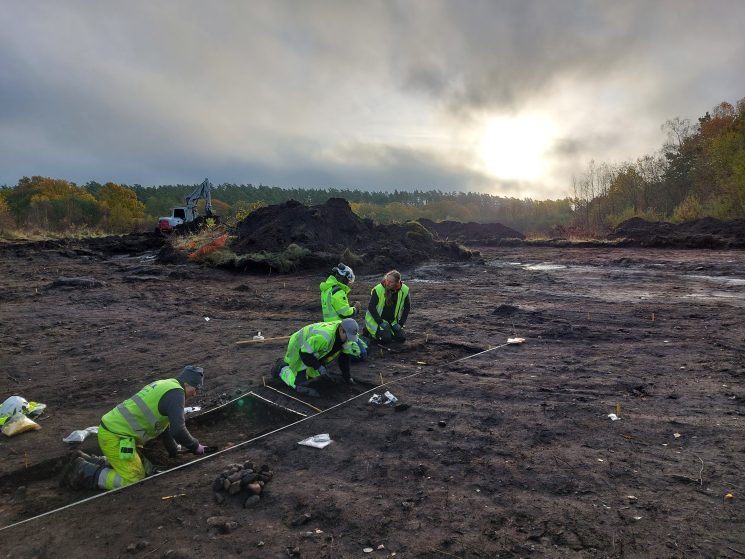
Two Prehistoric Settlements Unearthed in Sweden Reveal 5,000 Years of Human Life
Archaeologists in Bohuslän, western Sweden, have uncovered two prehistoric settlements lying side by side on a grassy field — one dating back to the Stone Age, the other to the transition between the Bronze and Iron Ages. The discovery, announced in October 2025, traces more than 5,000 years of continuous human activity in the same…