-
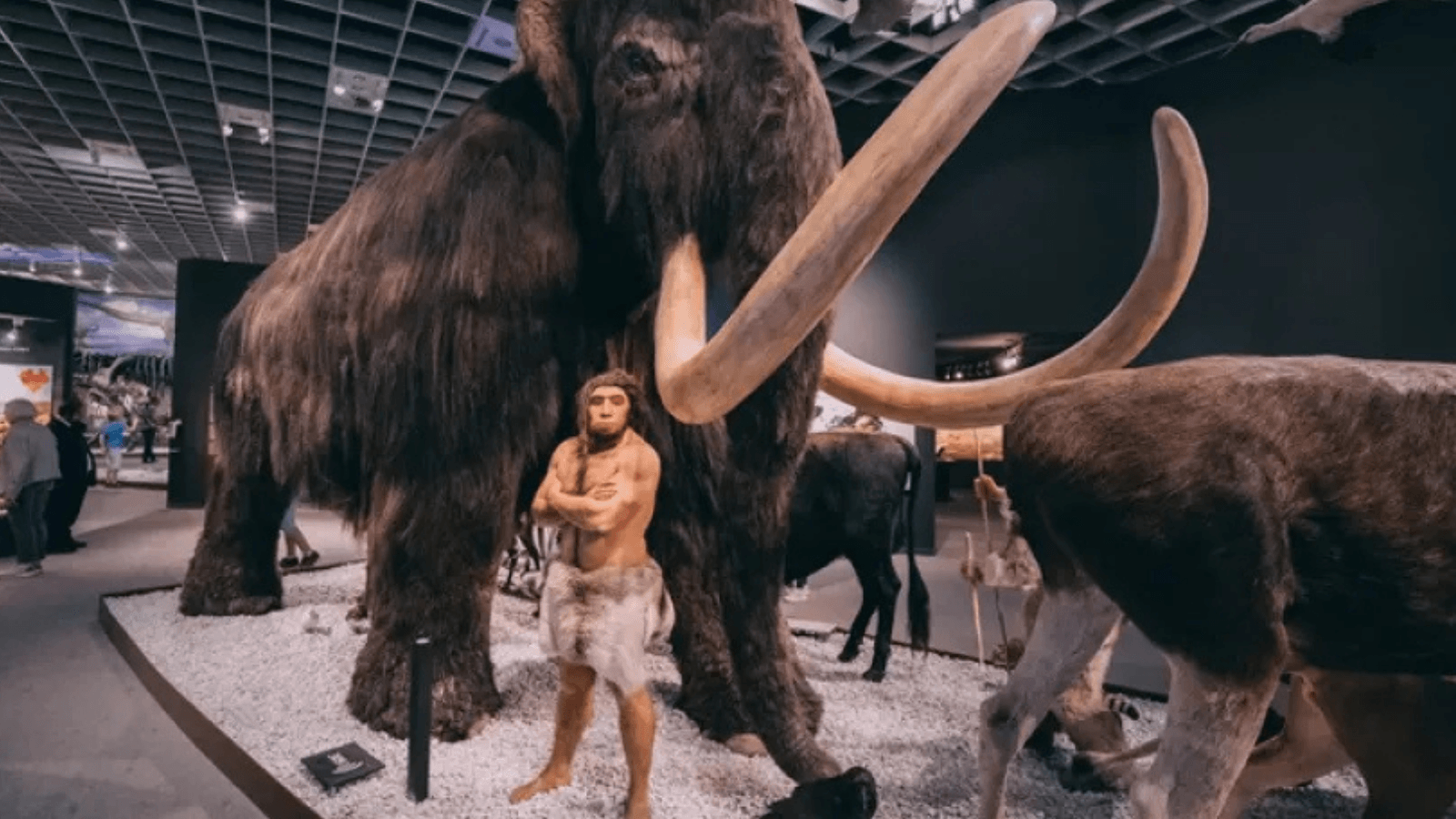
Ancient DNA Reveals Ice Age Humans Disproportionately Targeted Female Woolly Mammoths
Ancient DNA recovered from more than 500 woolly mammoths has revealed an unexpected pattern in the relationship between Ice Age people and one of the largest animals they shared the landscape with: at archaeological sites associated with human activity, female mammoths vastly outnumber males. An international team analyzed genomic data from 521 woolly mammoths from…
-
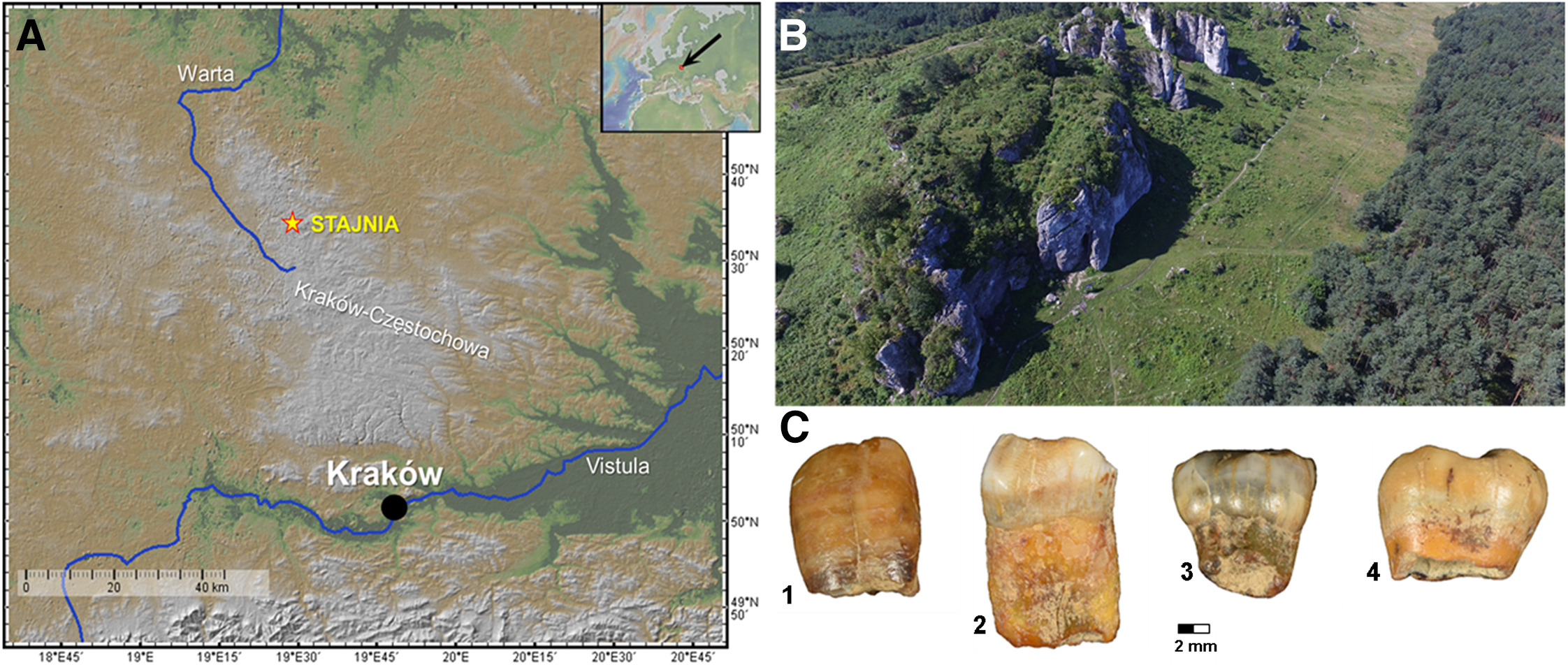
100,000-Year-Old Teeth from a Polish Cave Reveal Central Europe’s Oldest Neanderthal Genetic Group
A few ancient teeth from a cave in southern Poland have given researchers a rare genetic portrait of Neanderthals who lived north of the Carpathians nearly 100,000 years ago. The teeth, recovered from Stajnia Cave in the Kraków-Częstochowa Upland, belonged to at least seven Neanderthals who lived between about 120,000 and 92,000 years ago. The…
-

16,000-Year-Old Dogs Identified in Turkey: Ancient DNA Pushes Back Origins of Dog Domestication
Early dogs identified in Turkey are now reshaping what scientists know about dog domestication. New ancient DNA evidence from the Pınarbaşı site reveals that dogs were already living alongside humans around 16,000 years ago—thousands of years earlier than previously confirmed. The discovery, based on full genome analysis of Upper Palaeolithic remains, places central Anatolia at…
-
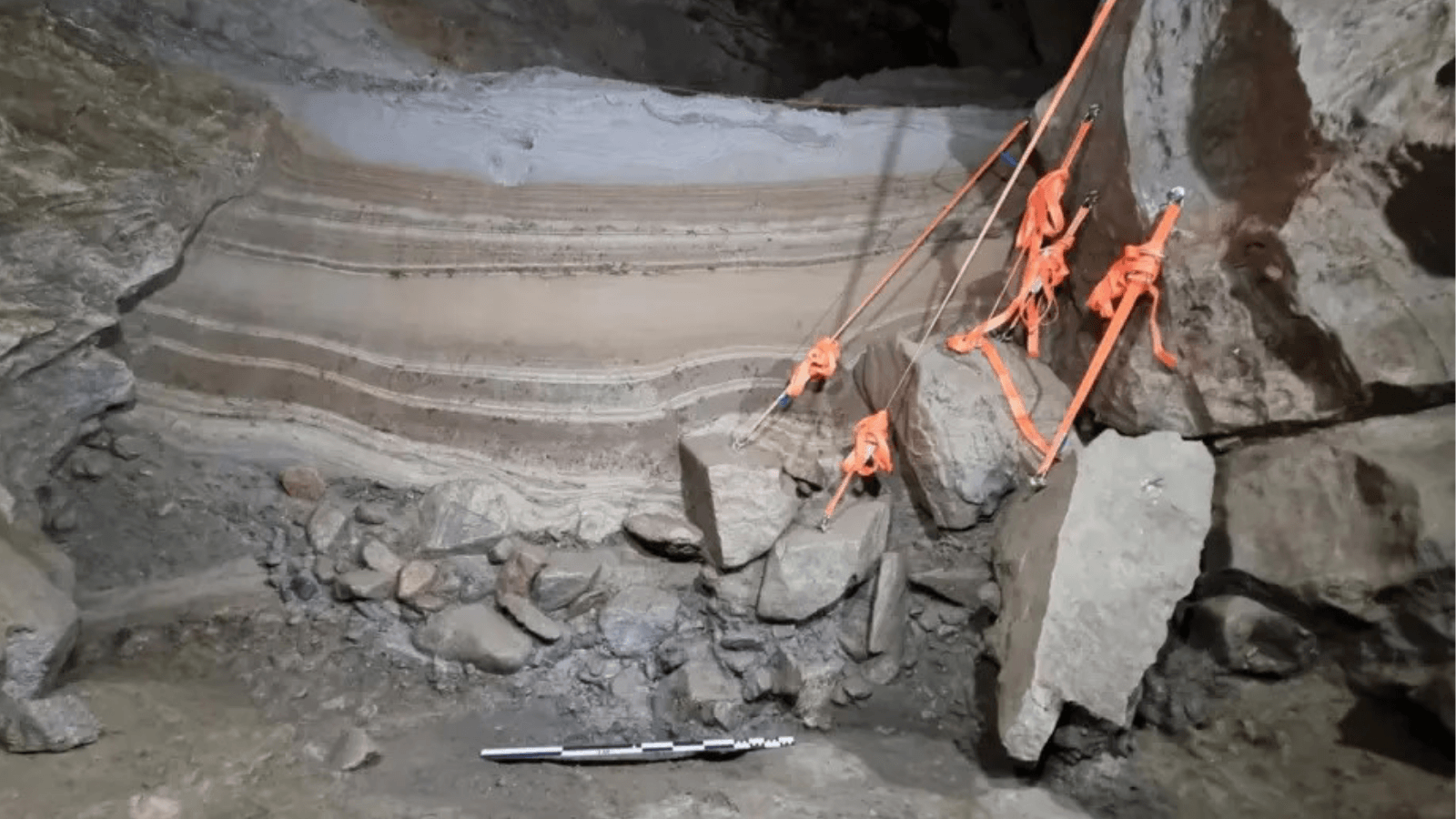
75,000-Year-Old Norwegian Cave Reveals 46 Types of Ice Age Animals and Lost Genetic Lineages
A Norwegian cave has preserved the remains of 46 types of animals that lived in the European Arctic around 75,000 years ago, providing an exceptionally rare glimpse of wildlife during the last glacial period. The discovery at Arne Qvamgrotta, part of the Storsteinhola cave system, represents the oldest preserved faunal assemblage known from the European…