
A few ancient teeth from a cave in southern Poland have given researchers a rare genetic portrait of Neanderthals who lived north of the Carpathians nearly 100,000 years ago.
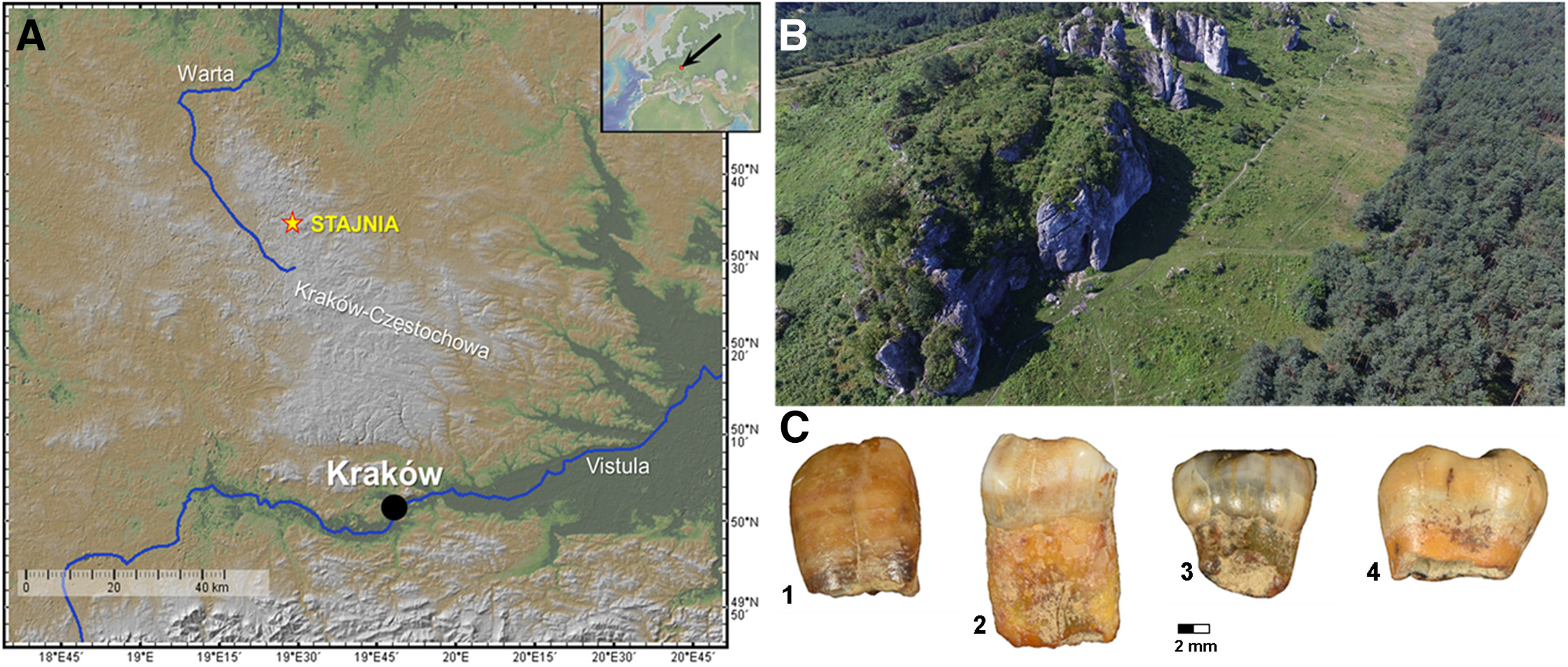
The teeth, recovered from Stajnia Cave in the Kraków-Częstochowa Upland, belonged to at least seven Neanderthals who lived between about 120,000 and 92,000 years ago. The new study shows that they represent the oldest multi-individual Neanderthal genetic assemblage yet identified in Central Europe.
Published in Current Biology under the title “First multi-individual Neanderthal mitogenomes from north of the Carpathians,” the research changes how this part of Europe is viewed in Neanderthal prehistory. Rather than a marginal zone, southern Poland now appears to have been part of a wider landscape of movement, contact and population history.
Nine teeth, eight ancient genomes
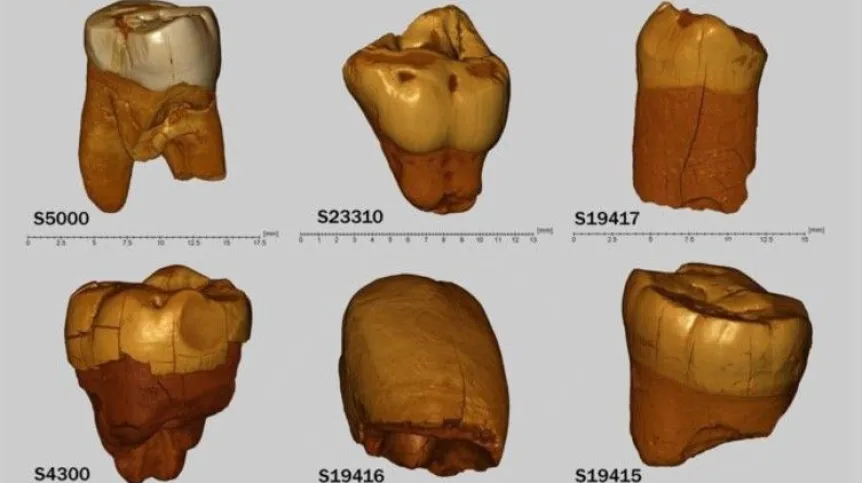
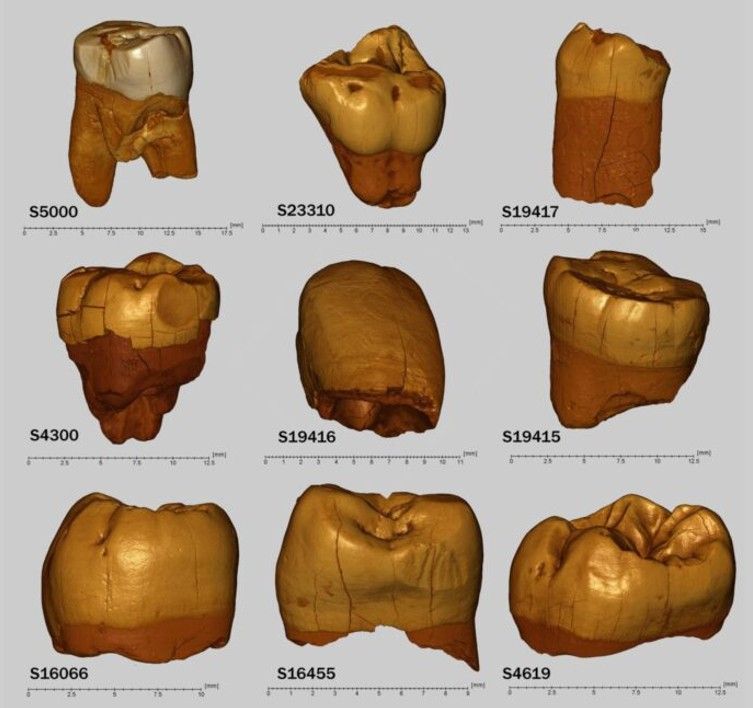
The international team studied nine Neanderthal teeth from Stajnia Cave. From eight of them, researchers recovered complete or nearly complete mitochondrial genomes, the genetic material inherited through the maternal line.
That result allowed the team to estimate the minimum number of individuals represented at the site. The group included adults, adolescents and children. In three cases, the teeth carried identical mitochondrial DNA, suggesting a shared maternal ancestry and possible close biological relationships.
For Neanderthal research, this is unusually valuable. Fossil remains from Central and Eastern Europe are often limited to isolated fragments. At Stajnia, the teeth preserve evidence not of a single individual, but of a group.
Dr. Paweł Dąbrowski of Wrocław Medical University, one of the study’s co-authors, said the genetic data helped establish both the number of individuals and, in some cases, close links between them.
Poland was part of a wider Neanderthal world
The Stajnia Cave genomes connect the Polish Neanderthals to genetic lineages known from other parts of Eurasia, including southeastern France, the Iberian Peninsula and the Caucasus.
That pattern suggests that this Neanderthal lineage was widely distributed during a key period of the Ice Age. It also places the region north of the Carpathians within a broader map of Neanderthal movement, rather than outside it.
In other words, Central and Eastern Europe were not simply the edge of the Neanderthal world. The evidence from Stajnia Cave points to a landscape crossed by groups, shaped by climate shifts and linked to wider population networks.
A cave that still raises questions
Stajnia Cave is now one of the most important Paleolithic sites in this part of Europe, but its role in Neanderthal life remains uncertain.
One possibility is that the cave served as a temporary shelter or meeting point. Its position in the landscape may also have made it useful for observing animal movement, perhaps as part of a hunting strategy.
Another explanation is more unsettling: the cave may have been used by predators. If carnivores carried remains into the cave, that could help explain why researchers found teeth but no other parts of the Neanderthal skeleton.
Preservation may also be part of the answer. Wet and acidic cave conditions can destroy bone over time, while tooth enamel is far more durable. In that sense, the teeth from Stajnia may be the last surviving biological traces of individuals whose bodies disappeared long ago.
What the teeth can still reveal
The study combined dental morphology, dating evidence and DNA sequencing to deal with a difficult archaeological context. Cave sediments at Stajnia had been disturbed by natural processes, making chronology especially important.
The teeth were placed within Marine Isotope Stage 5, a period between the late Middle Pleistocene and early Late Pleistocene. This was a crucial phase in Neanderthal history, marked by changing climates and repeated movement across Eurasia.
Mitochondrial DNA, however, tells only part of the story because it follows the maternal line. Future nuclear DNA analysis could reveal more about the sex of the individuals, the exact degree of kinship and the wider ancestry of the group.
The discovery also adds to the modern view of Neanderthals as skilled, socially complex humans rather than the crude “cave men” of old stereotypes. From a small set of teeth, researchers have recovered evidence of a group that included young individuals, possible relatives and genetic links stretching across Europe.