-
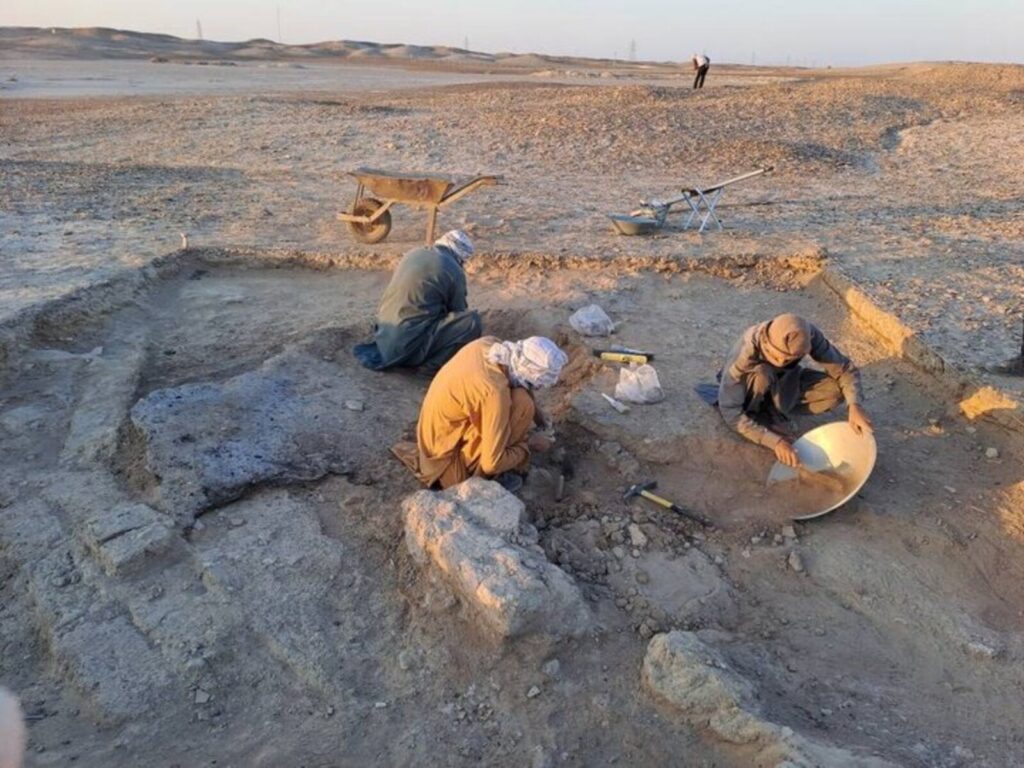
A Second 4,600-Year-Old Game Found at Iran’s Burnt City Has No Surviving Board
Archaeologists at Shahr-i Sokhta, Iran’s ancient Burnt City, have uncovered a second 4,600-year-old game, but unlike the famous gaming set discovered there nearly half a century ago, this one has no surviving board. The discovery was made during the 21st excavation season at the Bronze Age city in southeastern Iran. Excavation director Rouhollah Shirazi says…
-
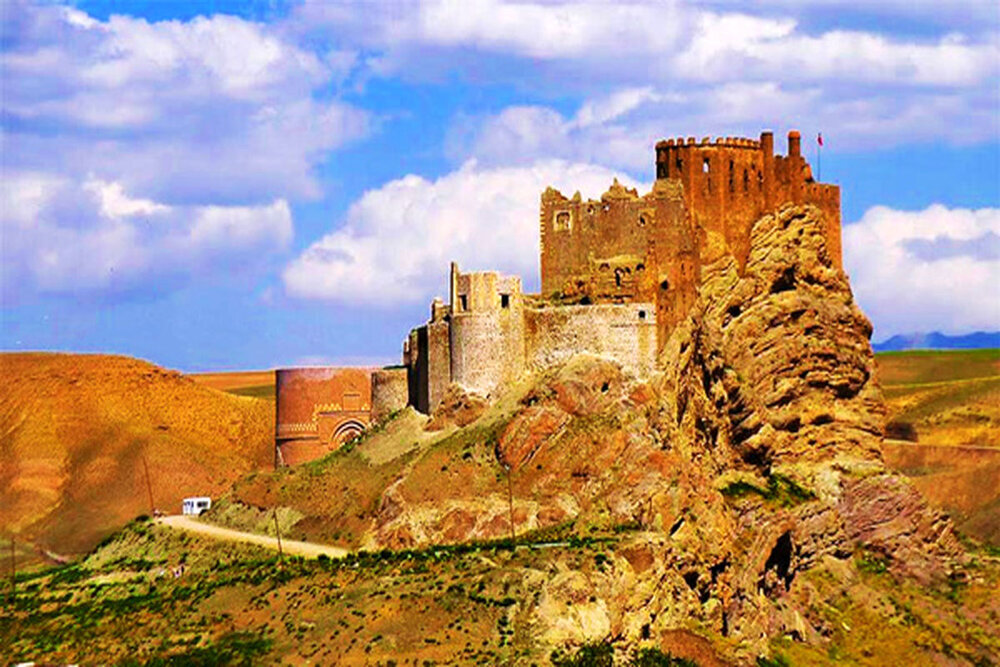
Seven-Fortress Alamut Network Nominated for UNESCO World Heritage Status
Iran has nominated the Cultural Landscape of Alamut and its related fortifications for UNESCO World Heritage status, seeking international recognition for one of the most important medieval defensive networks in the Alborz Mountains. The serial nomination includes seven castles and associated fortifications linked to the Nizari Ismaili state between the 11th and 13th centuries. At…
-
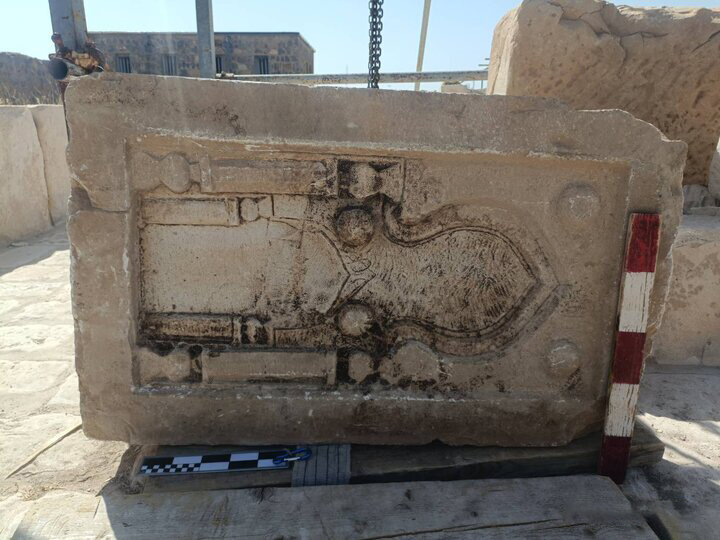
Historic Mihrab Discovered at Pasargadae Caravanserai in Iran
A historic mihrab has been identified during restoration work at a caravanserai within Pasargadae, the UNESCO-listed archaeological site that once served as the first capital of the Achaemenid Empire in Iran. The architectural feature was found during protective and conservation operations at the caravanserai, according to Seyyed Abdolmajid Abedi, head of the Pasargadae World Heritage…
-
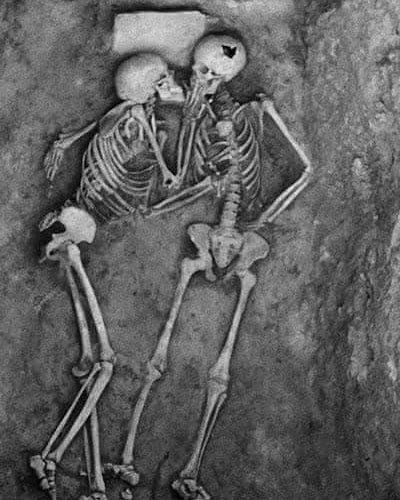
The 2,800-Year-Old Hasanlu Lovers: When Archaeology Corrected a Love Story
In northwestern Iran, archaeologists uncovered two intertwined skeletons frozen in what looked like a final embrace. For decades, they were known worldwide as the “Hasanlu Lovers.” Yet modern analyses reveal a twist: the pair were not lovers — but two men who died together in fire nearly 2,800 years ago. A Moment Sealed by Fire…