-
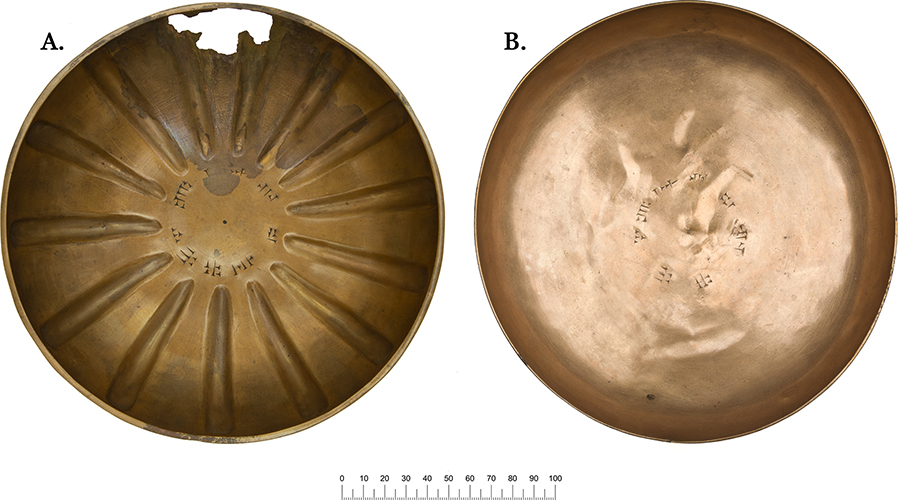
Power Served in Bronze: Urartu’s Kings Turned Royal Bowls into Portable Propaganda
More than 100 bronze bowls inscribed with the names of Urartian kings were designed to do more than hold food or drink. A new study suggests that the vessels circulated royal names, sacred symbols and carefully controlled images of kingship, making them an ancient form of portable political messaging. Published in Antiquity, the research was…
-
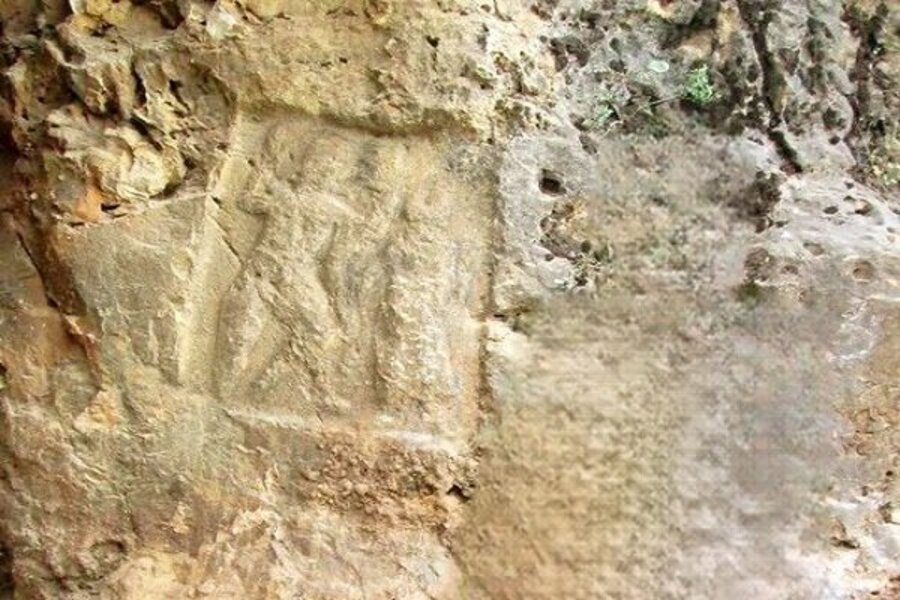
Elymaean Rock Carving in Iran Shows Possible Parallels with the Hercules–Hydra Myth
A newly identified Elymaean rock carving in southwest Iran is drawing scholarly attention due to its unusual iconography and its possible visual parallels with the myth of Hercules battling the Hydra. The relief was discovered in the Kuh-e Manar highlands of Andika County, located in Khuzestan Province, a region closely associated with Elymaean cultural activity…
-
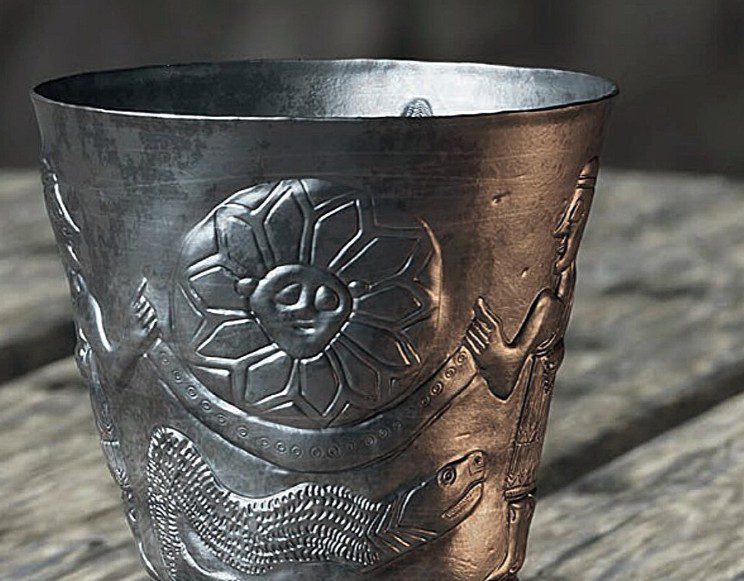
A 4,000-Year-Old Silver Goblet May Depict a Cosmic Creation Sequence — Not the Enuma Elish Myth
A new study is challenging long-held assumptions about one of the most enigmatic artworks from the Bronze Age Levant. The ˁAin Samiya goblet—an 8-centimeter silver vessel dated to the Intermediate Bronze Age (c. 2650–1950 BCE)—has traditionally been interpreted as an early visual reference to the Babylonian Enuma Elish creation myth. Now, fresh evidence suggests the…
-

9,000-Year-Old Ain Ghazal Statues Rewrite What We Thought We Knew About Early Human Art
Archaeologists are once again turning their attention to one of the most startling artistic breakthroughs of the Neolithic world: the monumental statues of Ain Ghazal, dating back nearly 9,000 years. Crafted between 7200–6250 BCE, these lime-plaster and reed figures rank among the earliest large-scale human representations ever created — and they refuse to fit into…
-
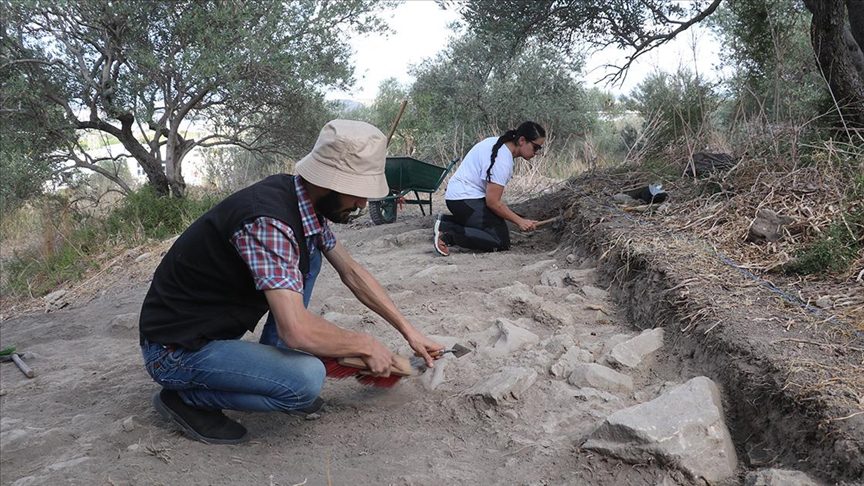
Archaeologists Revisit Ugarit — The Civilization That Reshaped Trade, Politics, and the Birth of Writing
After more than a decade of silence, the ancient city of Ugarit—one of the most influential centers of the Late Bronze Age—has returned to the spotlight. According to reporting by Arkeonews, international archaeologists have resumed excavations near Latakia in northwestern Syria, reopening a window into a civilization that transformed trade, politics, and the very foundations…
-
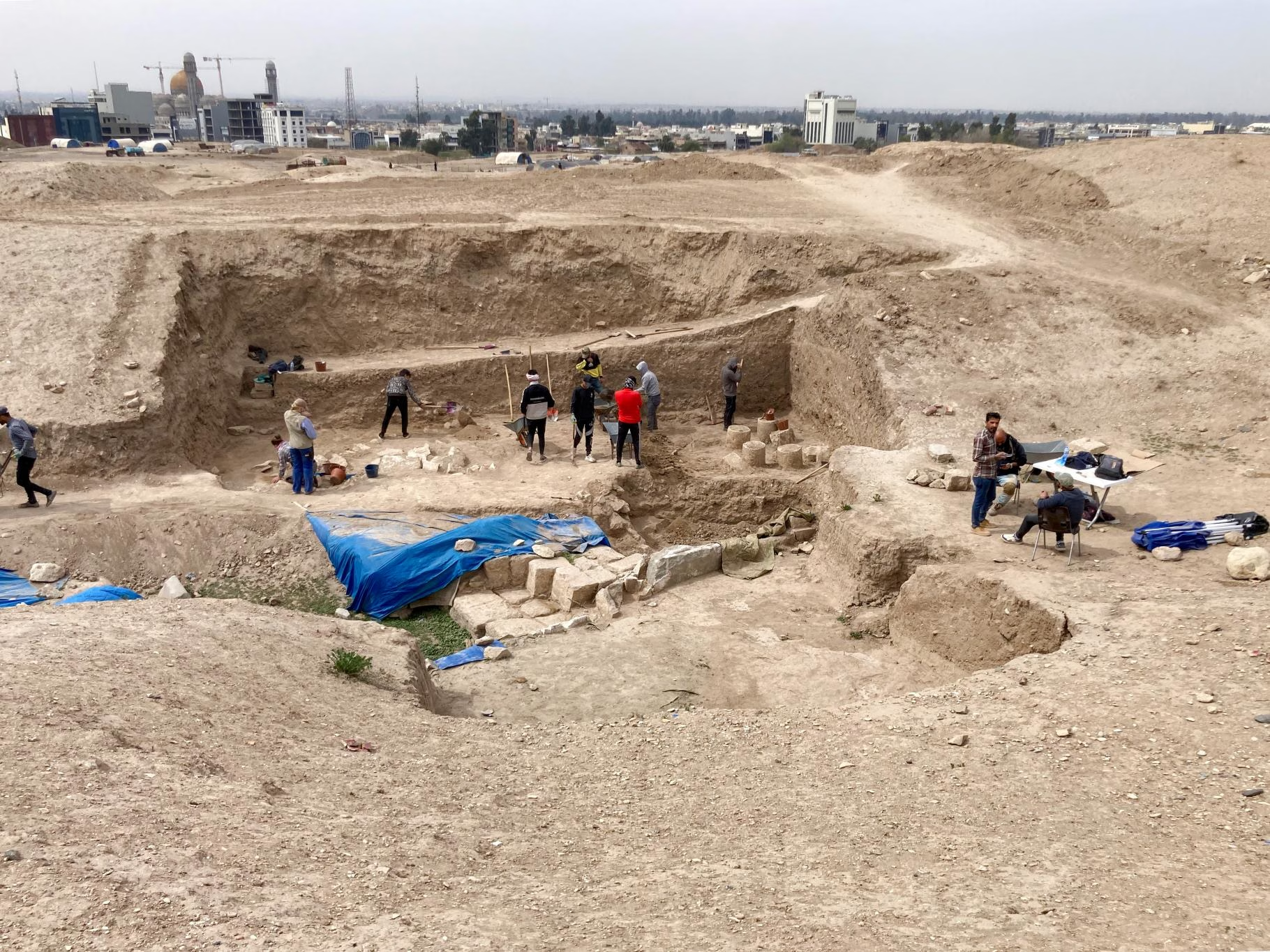
Massive Relief Depicting Assyrian Gods and King Ashurbanipal Unearthed in Ancient Nineveh
Archaeologists from Heidelberg University uncover a unique 12-ton royal relief in Iraq’s ancient Assyrian capital A team of archaeologists from Heidelberg University has made a remarkable discovery in the heart of ancient Mesopotamia. During excavations at Kuyunjik Hill—part of the ancient city of Nineveh near modern-day Mosul—researchers uncovered large fragments of a colossal relief depicting…