-
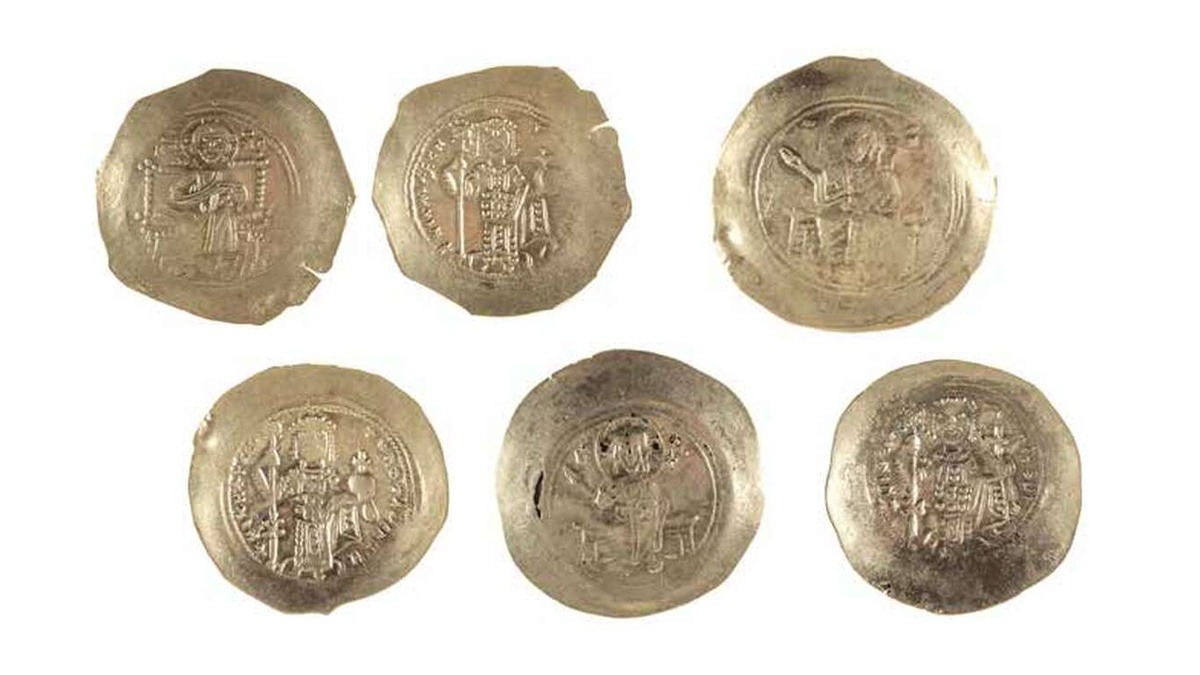
Workers Split Up a Byzantine Gold Hoard. Only 150 Coins Were Saved
A hoard discovered during construction work in northwestern Bulgaria may originally have contained as many as 600 Byzantine gold coins. Instead of being reported to archaeologists, however, the find was concealed and divided among the workers who uncovered it. Only 150 coins remained together. They were recovered by Bulgarian authorities as part of a collection…
-
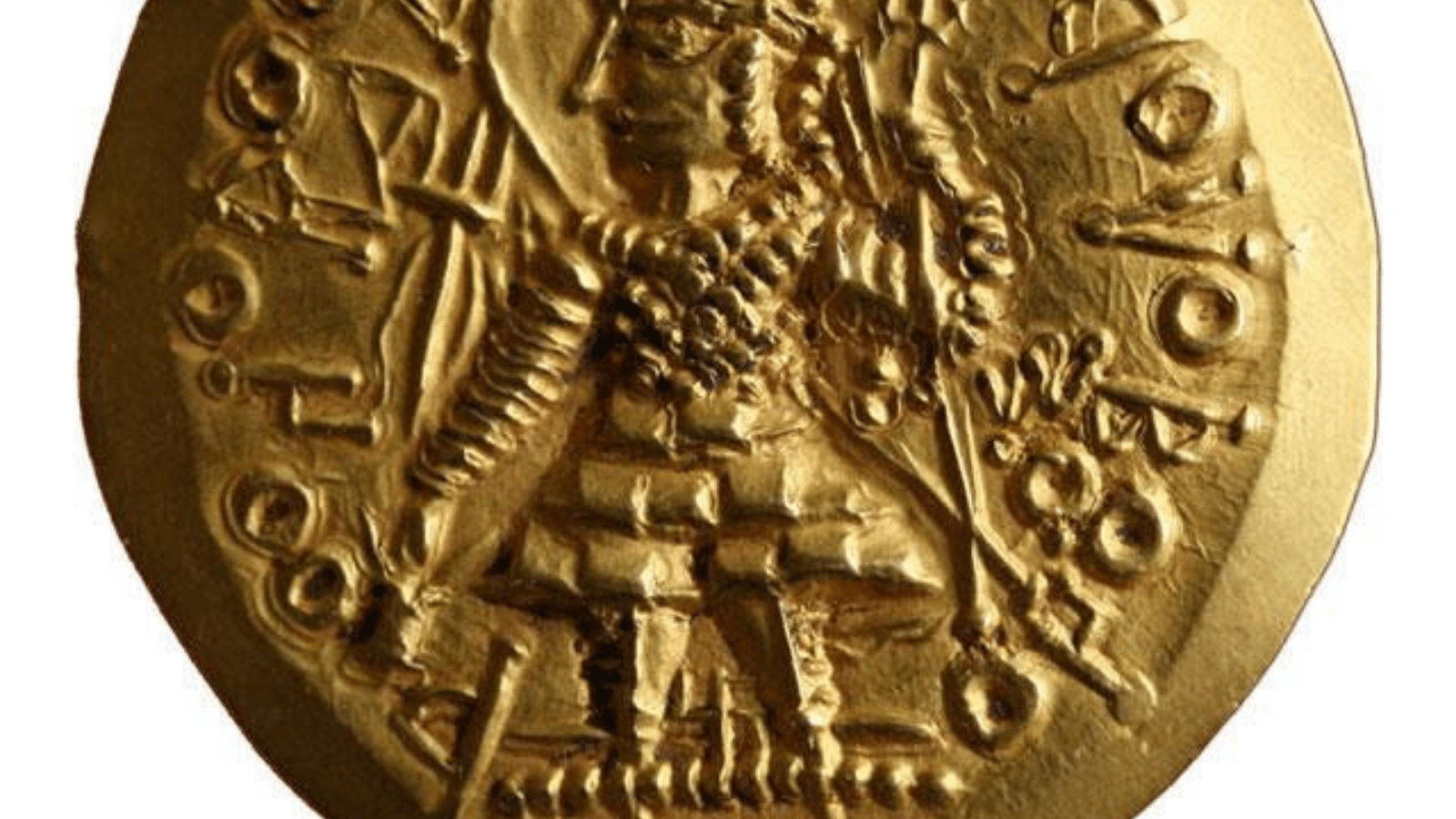
Nearly 180 Ancient Coins Trace Hunnic and Turkic Rule From Central Asia to India
Ancient coins preserved in a major Vienna numismatic project offer an unusually detailed view of the rulers who controlled parts of Central Asia, Afghanistan, Pakistan and northern India between Late Antiquity and the early medieval period. The digital catalogue, created for the exhibition The Coins of the Huns and Western Turks in Central Asia and…
-
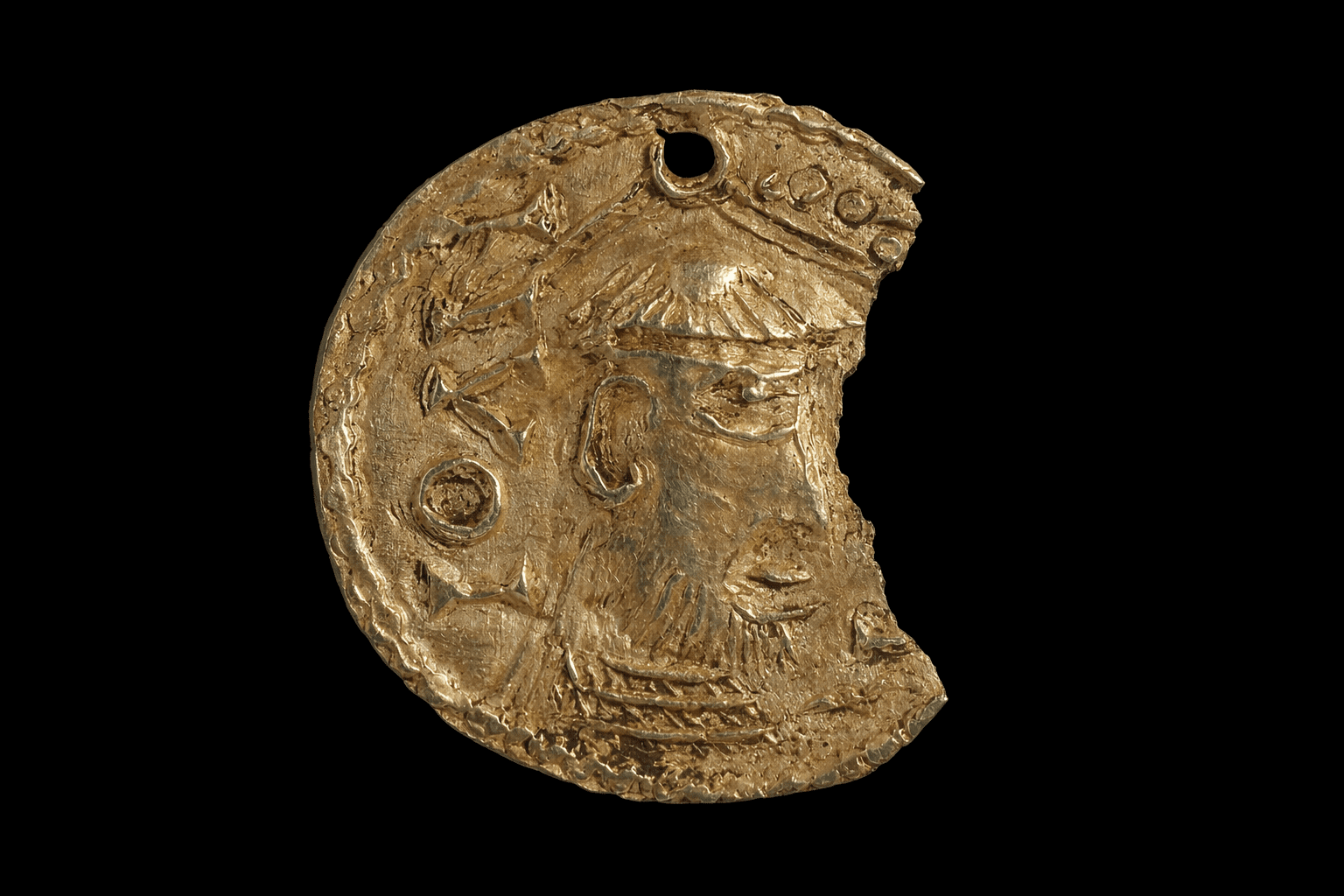
Gold Pendant Found in England Does Not Fit the Viking Age and Depicts John the Baptist
A small gold pendant discovered in eastern England is forcing historians to confront an unexpected contradiction. The object, dated to the 9th century, belongs to a period when Vikings controlled much of the region. Yet it clearly depicts a central figure of Christianity: John the Baptist. That combination should not exist within the same historical…
-
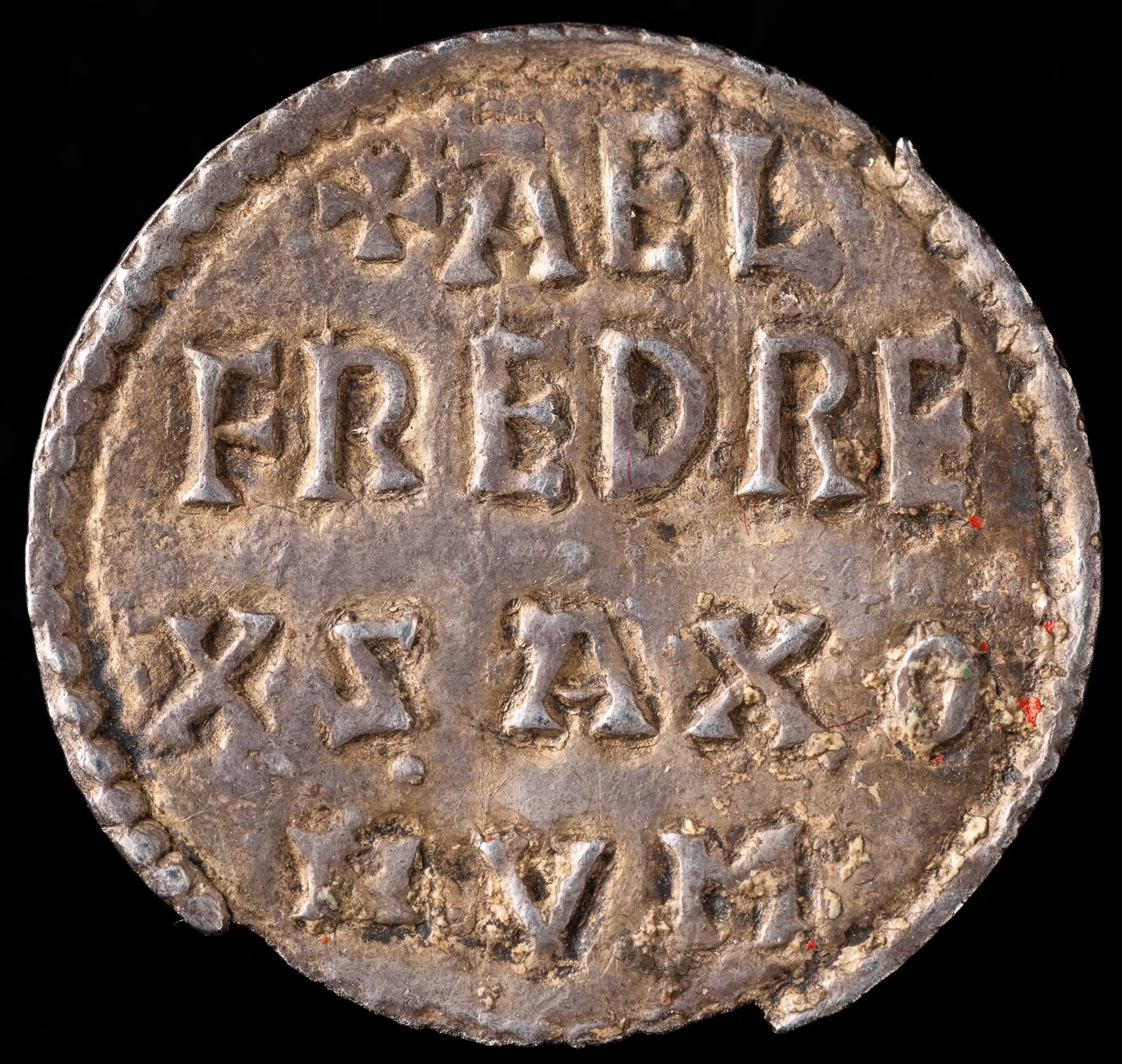
Exeter Welcomes Home Rare Anglo-Saxon Penny Bearing Its Name for the First Time
Exeter’s Royal Albert Memorial Museum & Art Gallery (RAMM) has secured an extraordinary piece of the city’s history: an Anglo-Saxon silver penny featuring the earliest known use of the name “Exeter.” Only three such coins are known to exist worldwide, with the other two held by the British Museum. This acquisition marks the first time…