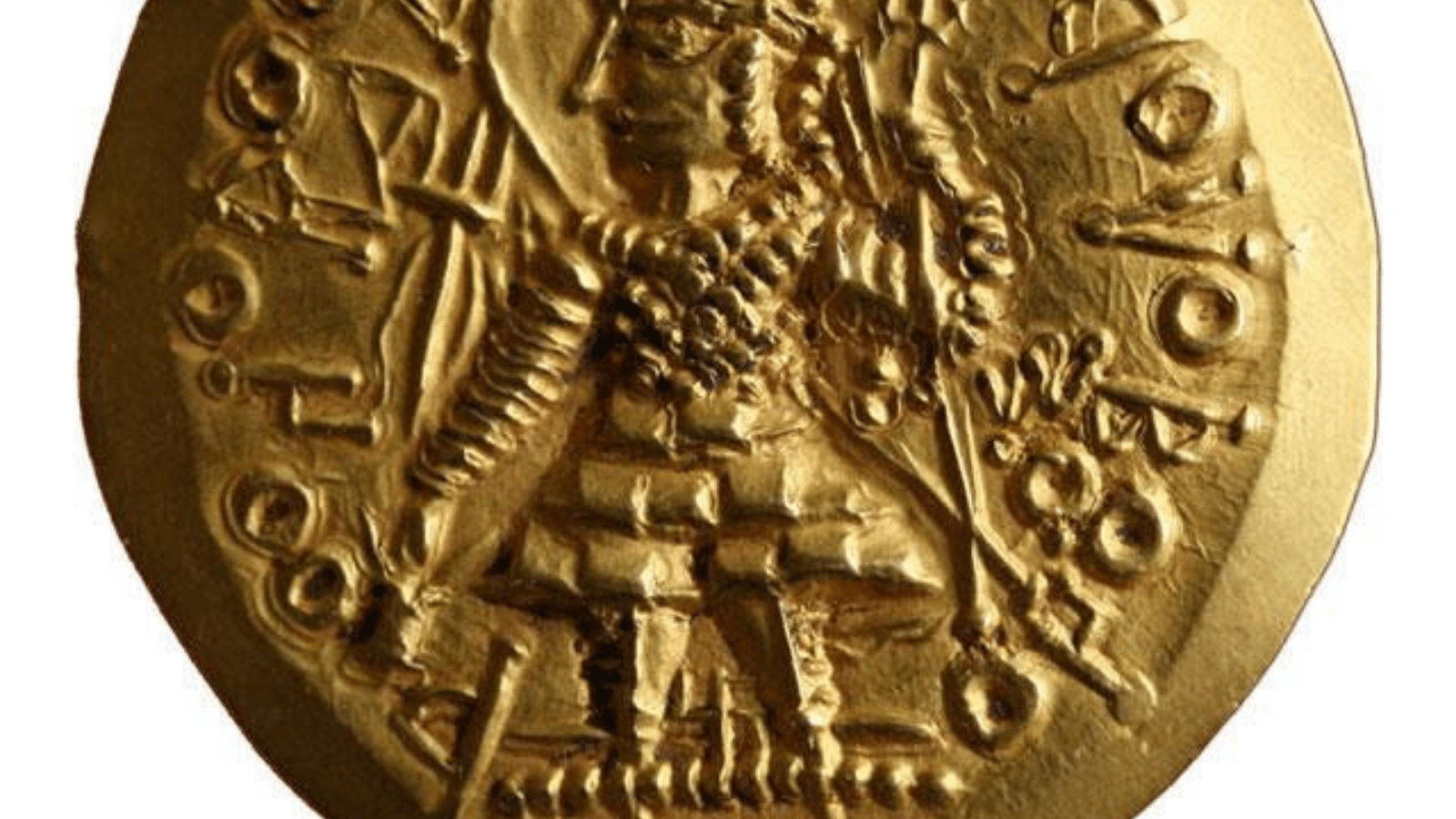
Ancient coins preserved in a major Vienna numismatic project offer an unusually detailed view of the rulers who controlled parts of Central Asia, Afghanistan, Pakistan and northern India between Late Antiquity and the early medieval period.
The digital catalogue, created for the exhibition The Coins of the Huns and Western Turks in Central Asia and India, brings together nearly 180 coin records linked to groups traditionally described in numismatic scholarship as the “Iranian Huns,” as well as the Western Turks and Turk Shahis.
Unlike the European Huns associated with Attila, who are not known to have issued an independent coinage of their own, rulers farther east left a substantial monetary record. Their coins carry royal portraits, titles, tamgas, religious imagery and inscriptions in several languages.
The collection grew out of a six-year research project supported by the Austrian Science Fund and presented by the Kunsthistorisches Museum in Vienna. The material includes coins associated with the Kidarites, Alkhan, Nezak, Hephthalites and later Turkic dynasties.
A different record of the Hunnic world
The political groups represented in the catalogue should not be treated as branches of a single Hunnic empire.
Their exact origins and relationships remain debated, and modern scholars generally use labels such as “Iranian Huns” as convenient historical and numismatic classifications rather than evidence of a single ethnic identity.
What the coins do reveal clearly is how rulers across the region adapted established systems of power.
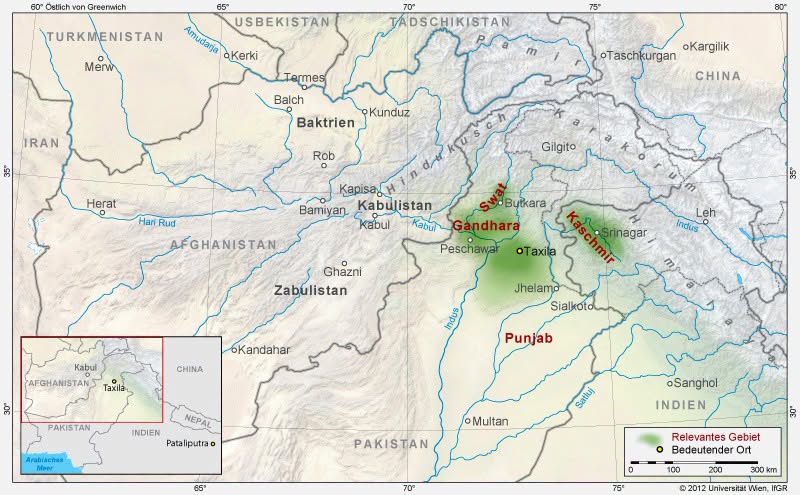
Kidarite rulers in Gandhara and the Swat Valley, for example, struck silver and copper coins modeled on Sasanian currency. Their portraits appeared on the obverse, while the reverse retained the familiar fire altar and attendants.
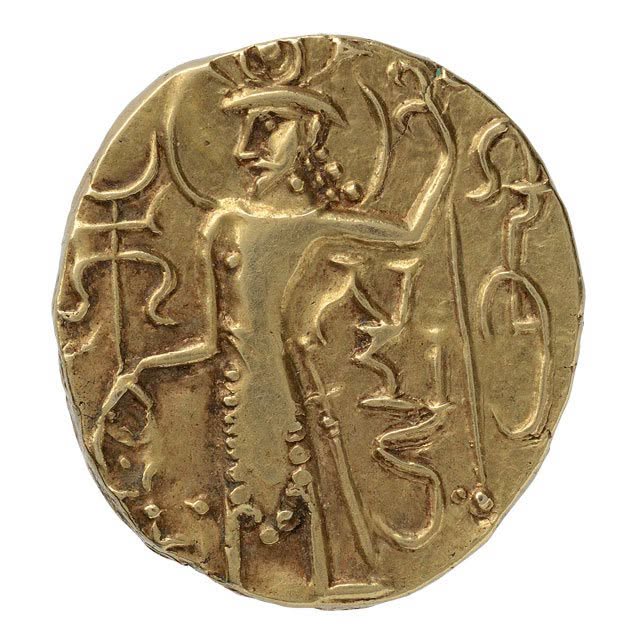
The designs were not simple copies. Royal crowns became increasingly distinctive, combining features such as ram’s horns, wings, rosettes, palmettes and crescent moons. Inscriptions appeared in Middle Persian, Brahmi and Bactrian, reflecting the multilingual environment in which the coins circulated.
Royal crowns become political statements
The Alkhan ruler Khingila, active during the fifth century, illustrates how quickly coin imagery could be reshaped.
His drachms introduced a distinctive crown with a crescent above the forehead and wing-like elements at the sides. Similar crown imagery later became a recurring feature of Alkhan royal portraits.
The transition from Kidarite to Alkhan rule also appears to have preserved parts of the existing monetary system. Researchers involved in the Vienna project have suggested that continuity in coin production may point to a political transition that did not require the complete destruction of earlier administrative structures.
The coins also complicate the older image of Hunnic rulers as outsiders operating apart from local cultures.
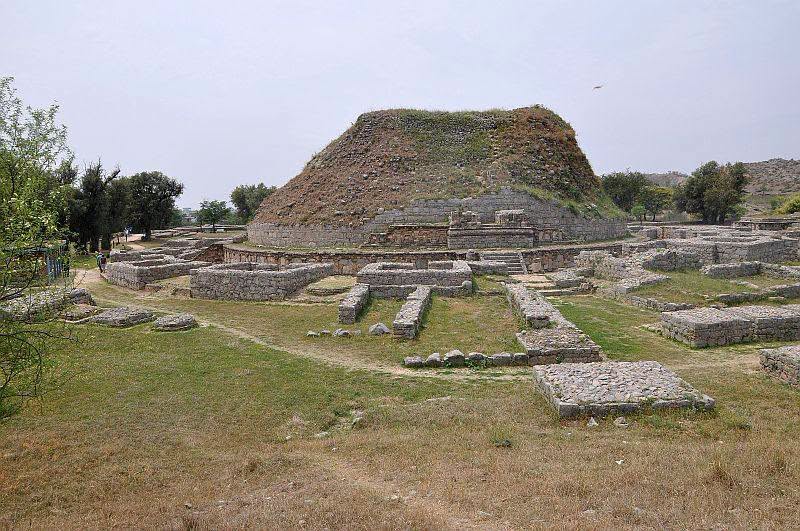
Across Central Asia and northern India, their money incorporated elements drawn from Sasanian Persia as well as Buddhist, Hindu and Zoroastrian traditions. Other archaeological evidence from the region likewise shows rulers interacting with established religious and political institutions.
Hephthalites reuse the currency of a defeated enemy
The Hephthalite period provides one of the clearest examples of political power expressed through money.
After the Sasanian king Peroz was defeated and killed in 484 CE, large quantities of Sasanian silver entered Hephthalite-controlled territory through tribute, ransom and warfare.
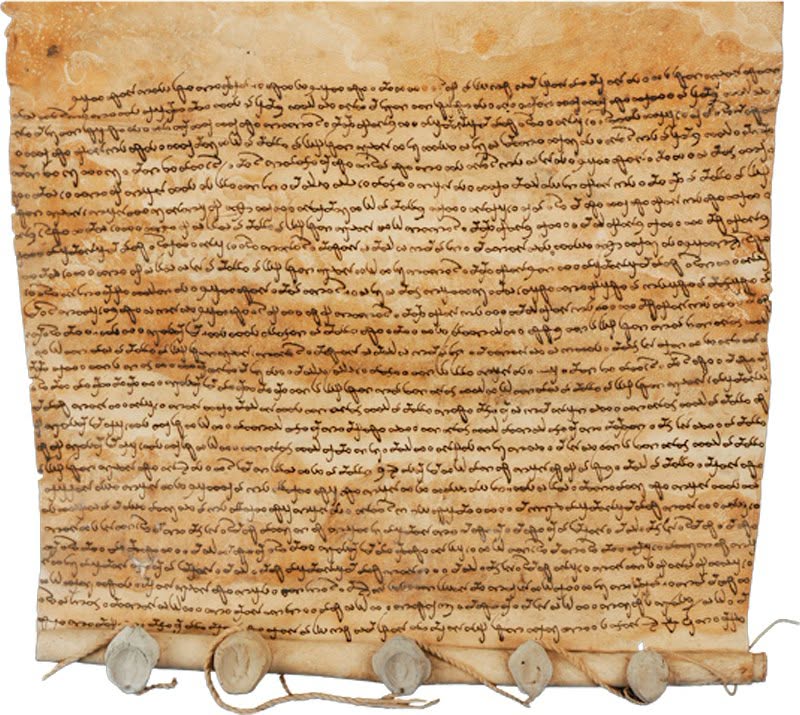
Peroz’s drachms were countermarked and later became models for new issues struck at Balkh.
Some of the earliest Hephthalite imitations were produced so closely to Sasanian originals that researchers have proposed they may have been engraved by Sasanian craftsmen working under new rulers.
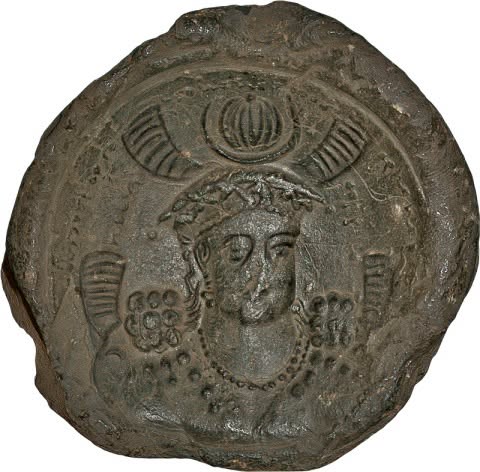
The coins did not remain confined to Bactria. Sasanian-style and Hephthalite silver circulated along trade routes linking Central Asia with Mesopotamia and China.
From Hephthalite power to the Western Turks
Another major political change came around 560 CE, when the Hephthalite state was broken by an alliance between the Sasanians and the Western Turks.
Western Turkic influence subsequently spread across much of Central Asia. Under Tong Yabgu Qagan in the early seventh century, Turkic authority extended across territories between the Iranian world and China.
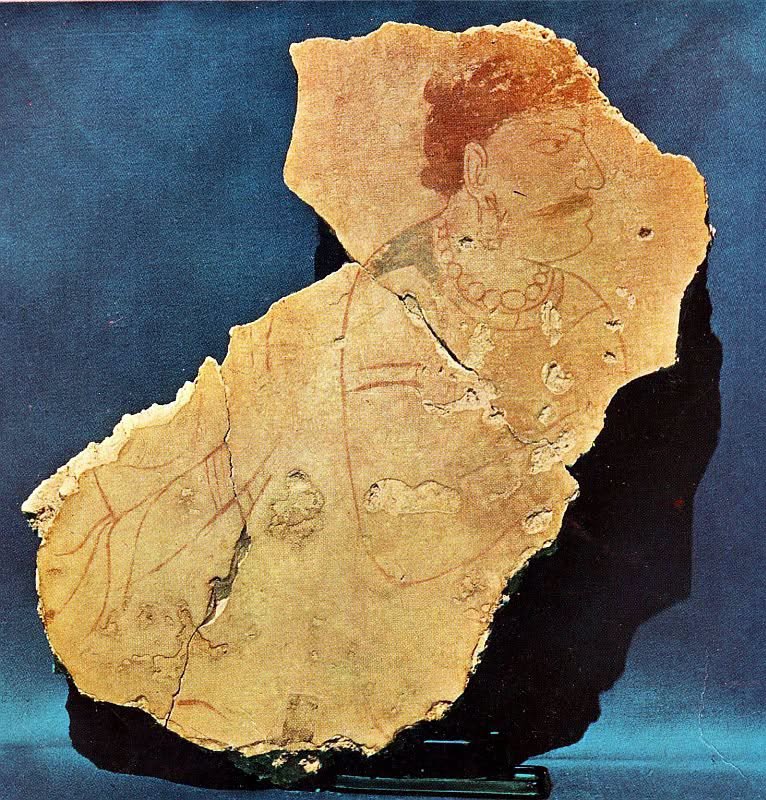
Political control later fragmented under pressure from Tang China, regional powers and the expanding Arab caliphate, but Turkic dynasties continued to rule south of the Hindu Kush.
After 661 CE, the Turk Shahis emerged in Kabulistan.
Their earliest coins retained features inherited from the preceding Nezak rulers, including the distinctive winged bull’s-head crown. Later issues introduced new elements, among them bulls, elephants, tamgas and rulers shown in Central Asian dress.
That gradual change is one of the strongest patterns visible across the collection.
New dynasties rarely abandoned the monetary language of their predecessors. Instead, they altered it.
Sasanian royal imagery, Indian religious symbols, Central Asian tamgas and local scripts were repeatedly combined as political authority shifted from one ruling group to another.
The coins therefore preserve more than portraits of forgotten kings. They record how power was negotiated across a region where Iranian, Central Asian and Indian traditions met for centuries.
Cover Image: A Kidarite gold dinar depicting a ruler in elaborate royal dress, part of the numismatic tradition that developed across Bactria and neighboring regions during the 4th and 5th centuries CE. Credit: University of Vienna digital exhibition catalogue.