-
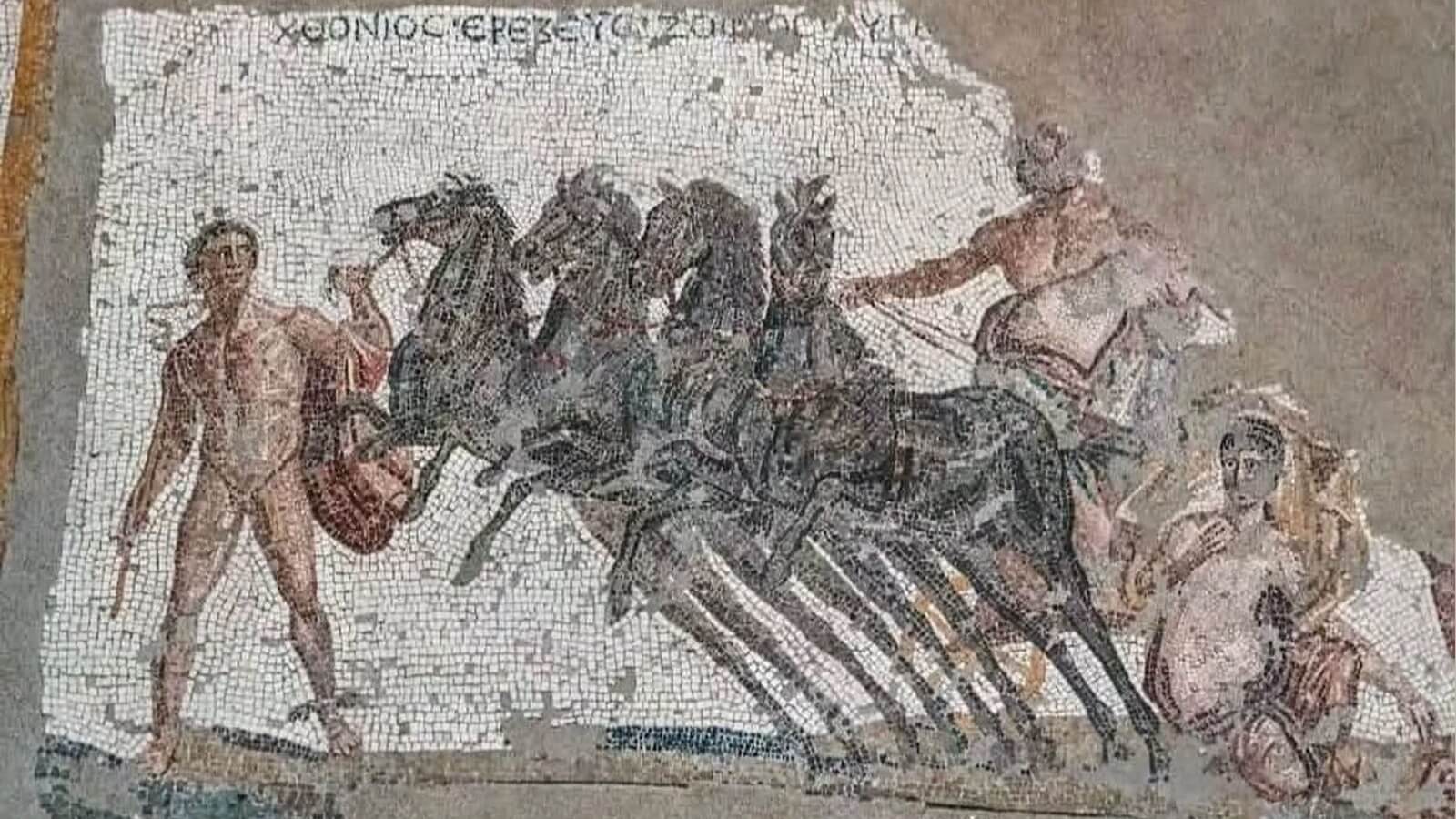
A 1,800-Year-Old Roman Mosaic Links Proserpina’s Abduction to the Changing Seasons
At the center of a Roman mosaic in the Centrale Montemartini, Pluto carries Proserpina toward the underworld in his chariot. Around this moment of violence, four personifications of the Seasons turn the scene into a wider story of separation, barrenness and the return of life. The large polychrome mosaic dates to the middle of the…
-
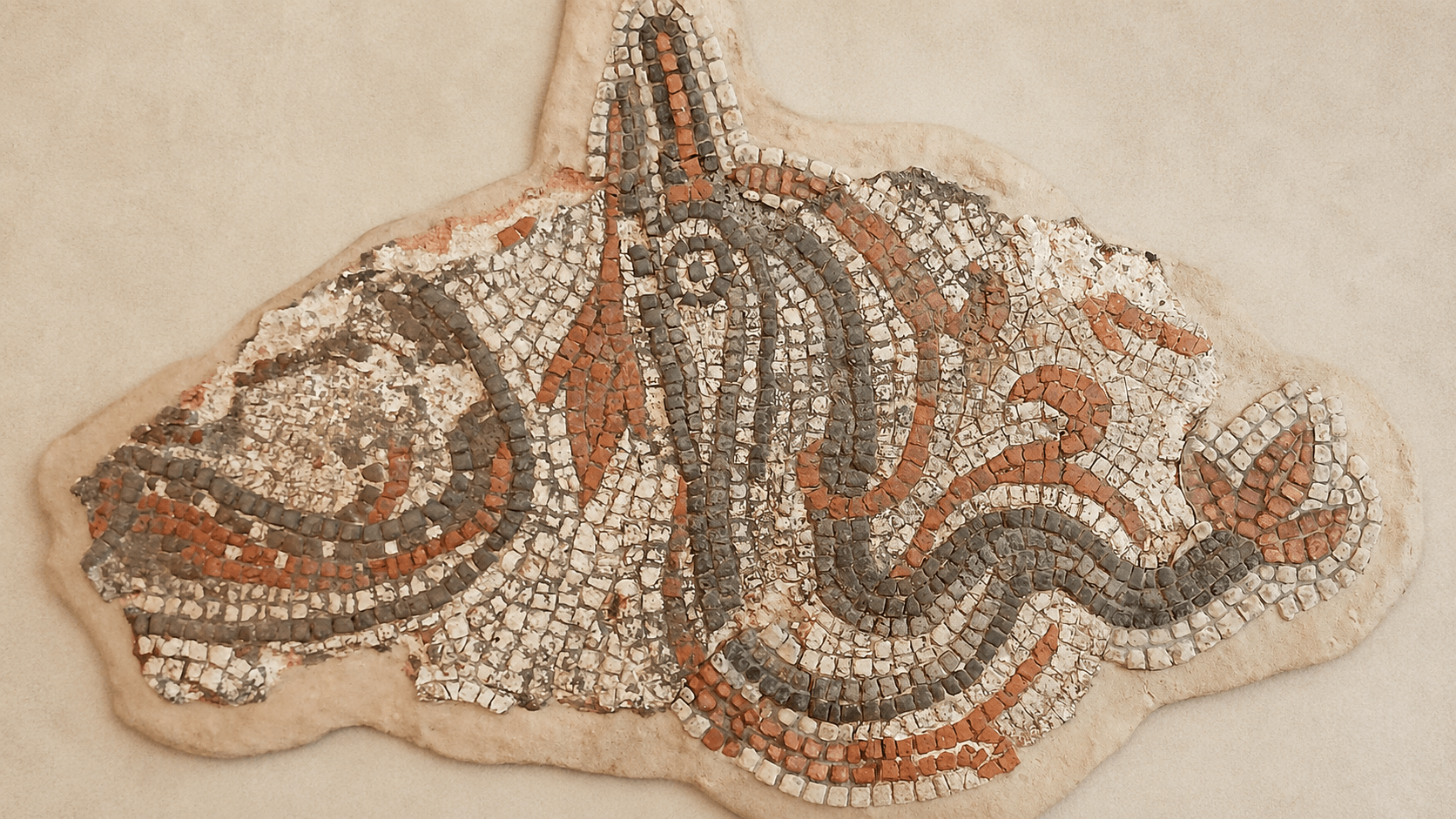
Lost Roman Sea Mosaic in England Survives Through One Fragment and an 18th-Century Drawing
For more than two centuries, a Roman sea mosaic discovered beneath Cirencester survived largely as an image on paper. The pavement itself disappeared beneath the changing streets of the English town, but a single fragment rescued from beneath a house in the 1980s has now returned to the Corinium Museum. The fragment does not represent…
-
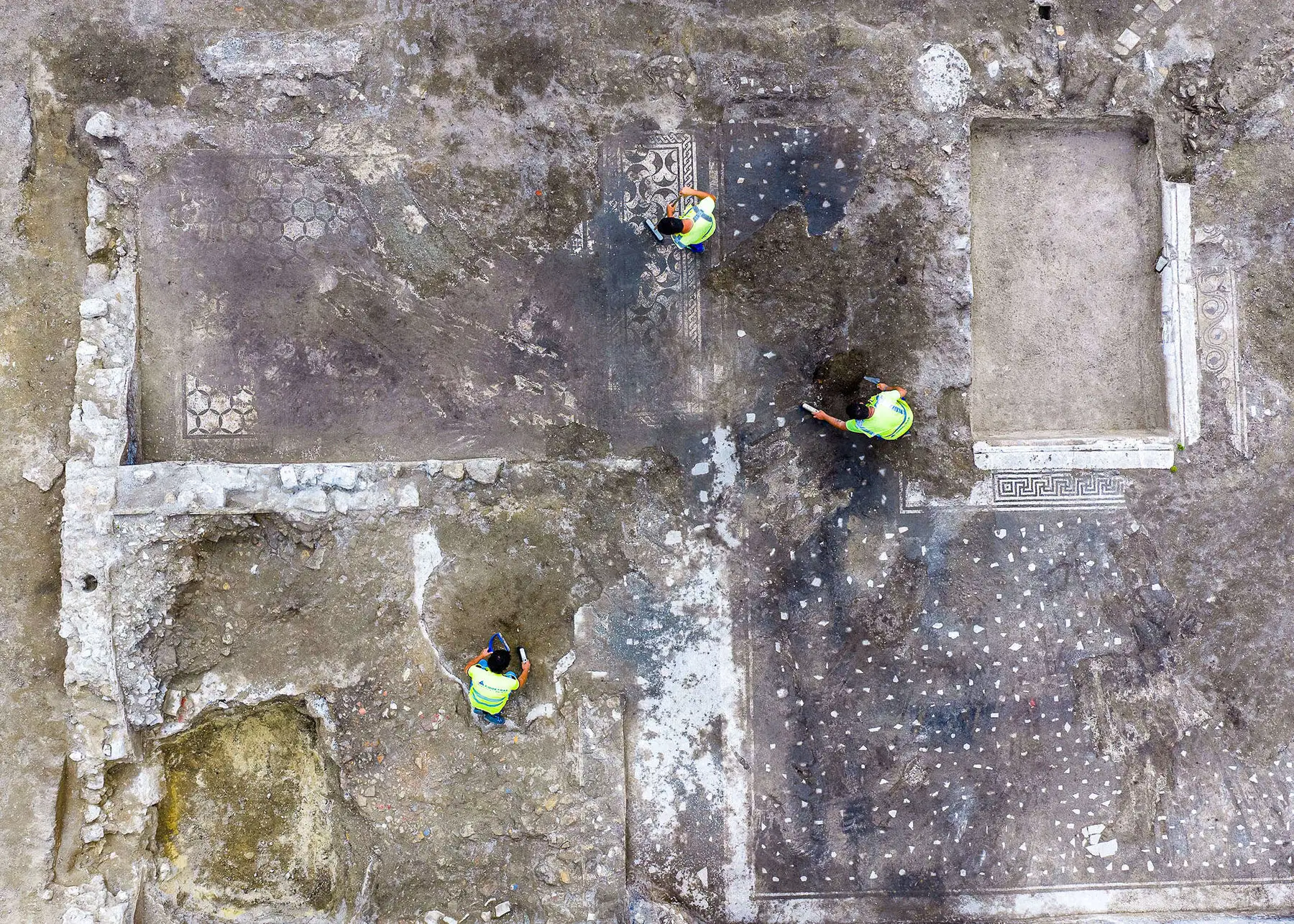
Illegal Excavation Tip Leads to Mosaic-Filled Roman Villa in Rome’s Countryside
An illegal excavation report has led archaeologists to a richly decorated Roman villa west of Rome, in a landscape once tied to the imperial residences of the Antonine dynasty. The villa was uncovered on the Castel di Guido estate after authorities stopped unauthorized digging at the site. Excavations carried out by the Special Superintendency of…
-
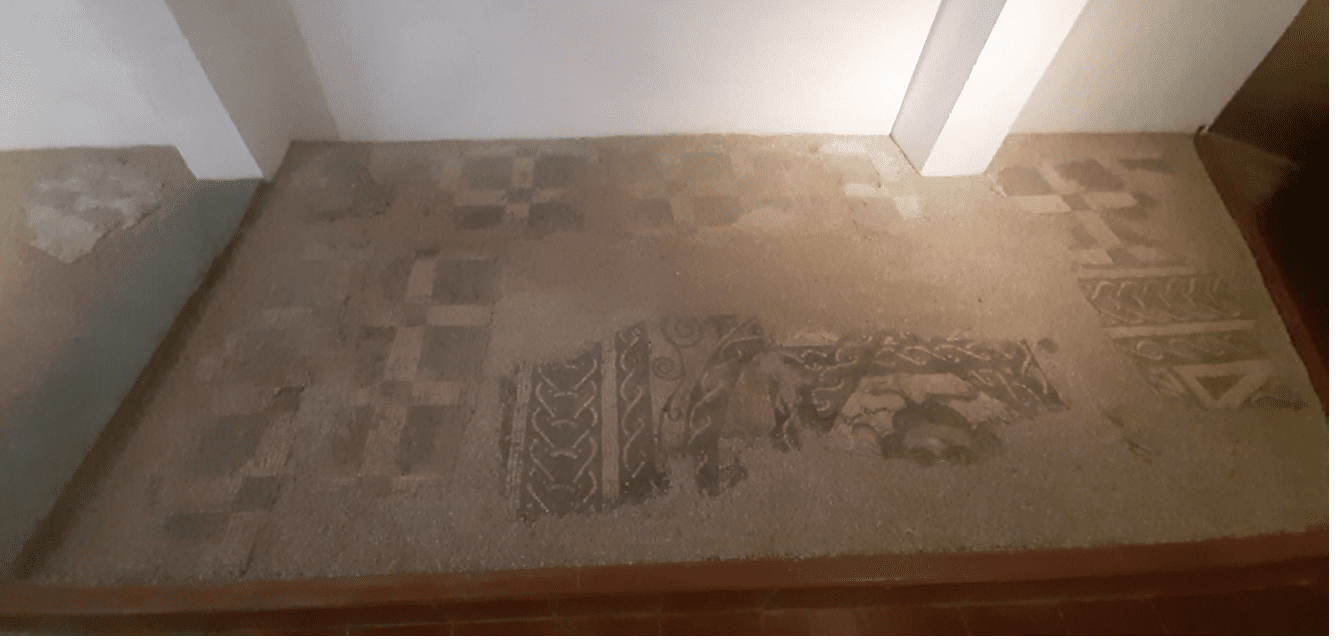
Roman Mosaics of Hercules and Medusa Reveal Artistic Traditions in Ancient Lusitania
Fragments of two Roman mosaics depicting Hercules and Medusa are offering new insight into the artistic culture of Roman Lusitania, the province that once covered much of present-day Portugal. The mosaics, now preserved in museums in the Alentejo region, originally decorated elite Roman residences connected to the ancient city of Pax Iulia—modern-day Beja. Although only…