-
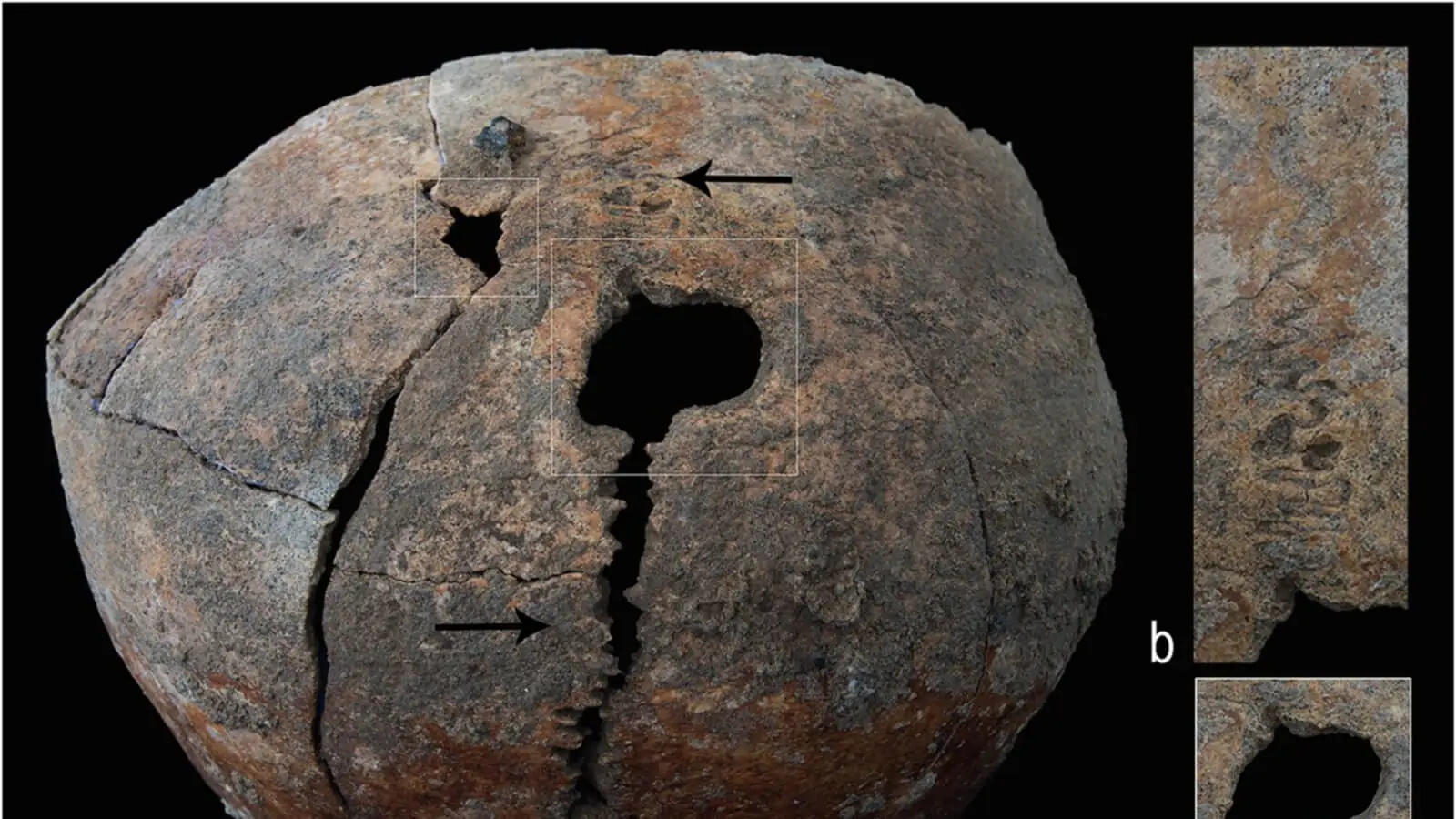
Bronze Age Adolescent in Myanmar May Have Survived Skull Surgery 3,000 Years Ago
A circular opening in the skull of an adolescent buried in Bronze Age Myanmar may preserve evidence of a remarkable medical intervention. Its healed edges suggest that the young person survived the procedure for months—and possibly years—while living with a damaged jaw and a serious bone disorder. The discovery is not simply a story of…
-
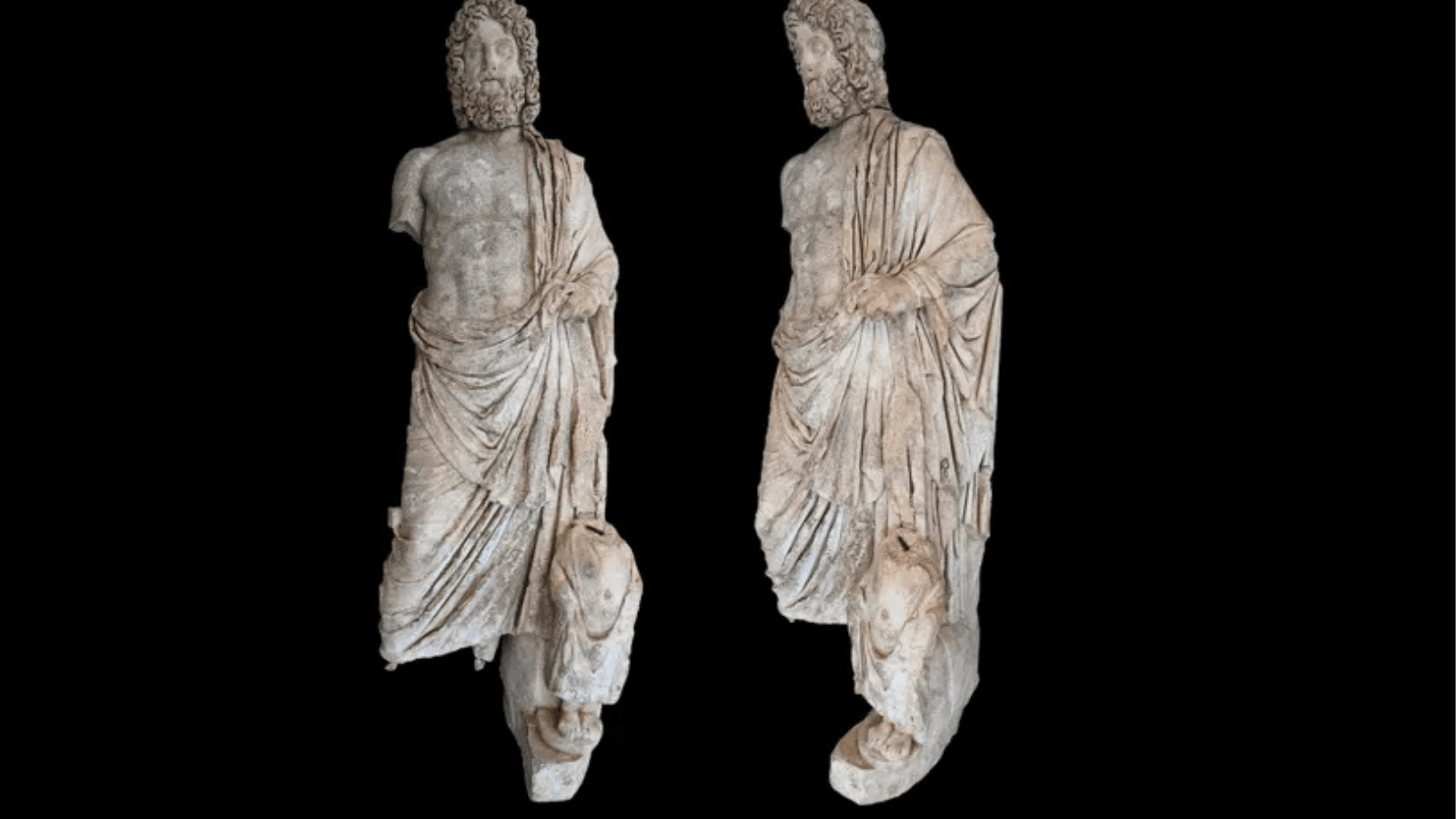
A 2.2-Meter Statue of the God of Medicine Emerges from a Monumental Gateway at Aspendos
Archaeologists excavating Aspendos in southern Türkiye have uncovered a 2.20-meter-high marble sculpture of Asclepius accompanied by Telesphorus, adding new evidence for the worship of healing deities in the Roman city. The sculpture group came to light amid fallen stone blocks from the northern section of a monumental gateway beside the East Square, according to Türkiye’s…
-
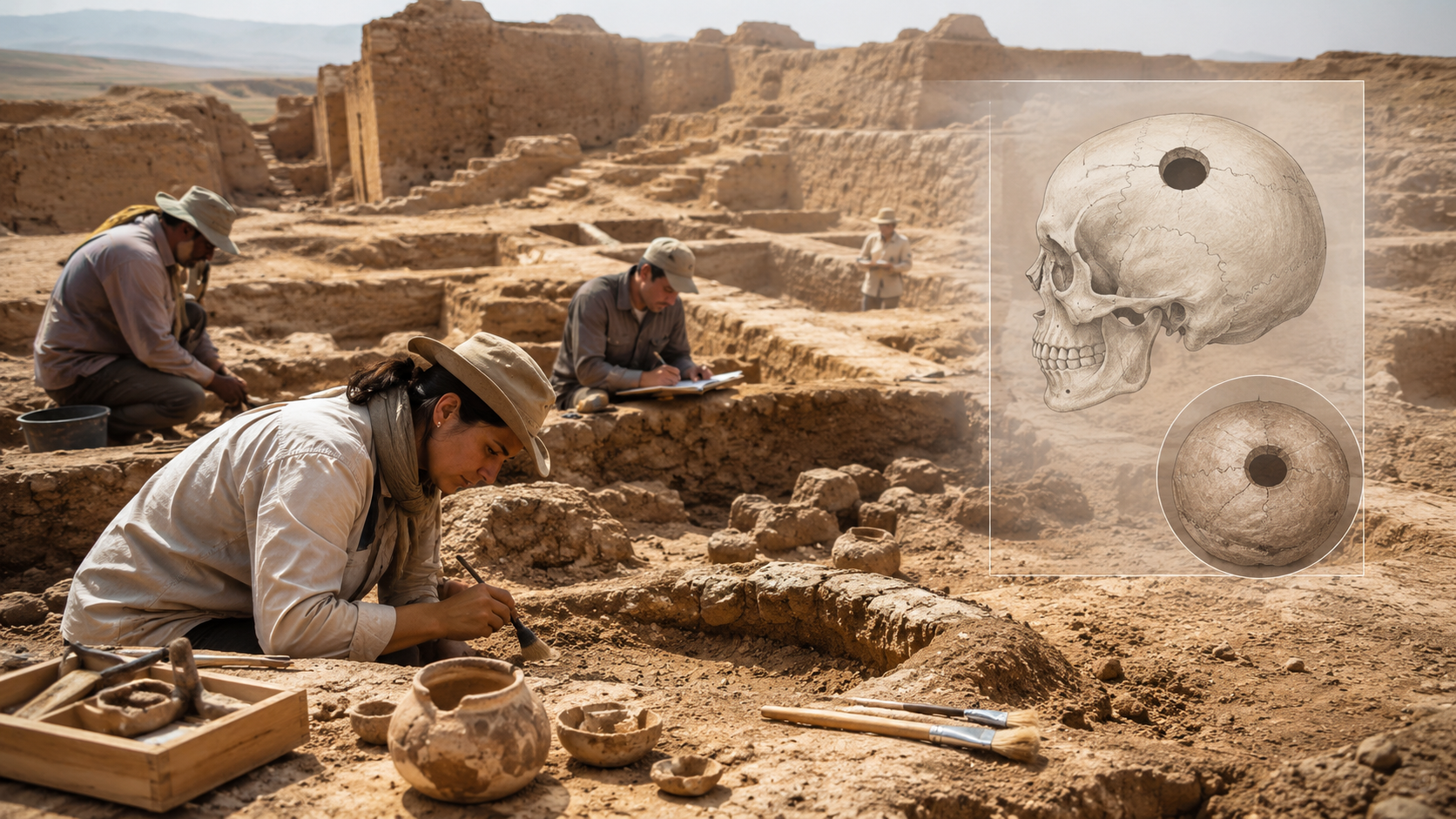
A 4,000-Year-Old Child’s Skull in Uzbekistan Reveals a Risky Bronze Age Surgery
A small grave in southern Uzbekistan has drawn archaeologists into one of the most difficult corners of Bronze Age life: illness, childhood, and the decision to cut into a human skull. At Djarkutan, a major settlement of the ancient Oxus civilization, researchers uncovered the remains of two children buried side by side. One was about…
-
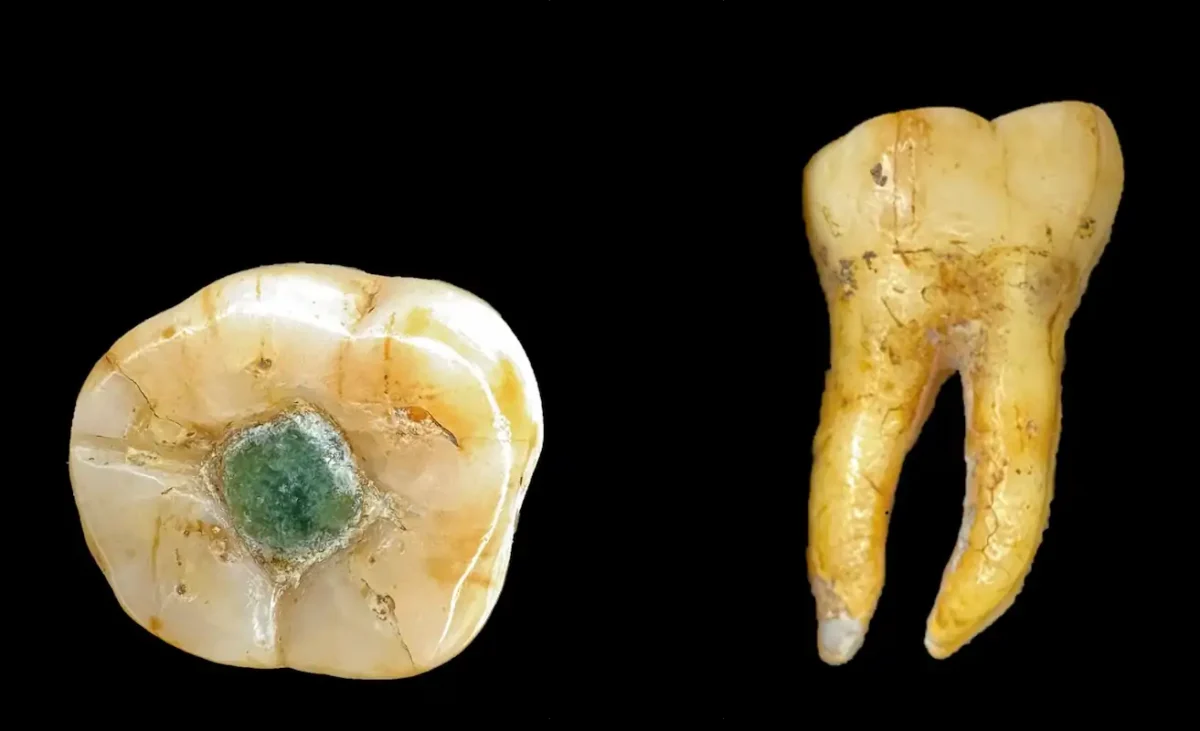
First-Ever Gemstone Filling Found in a Maya Molar — Evidence Shows It Was Done on a Living Person
A rare Maya molar with a gemstone filling has been identified as the first known example of its kind—and scientific evidence shows the procedure was carried out while the individual was still alive. The discovery, based on a detailed analysis of a single tooth preserved in the Museo Popol Vuh, is reshaping what researchers understand…
-
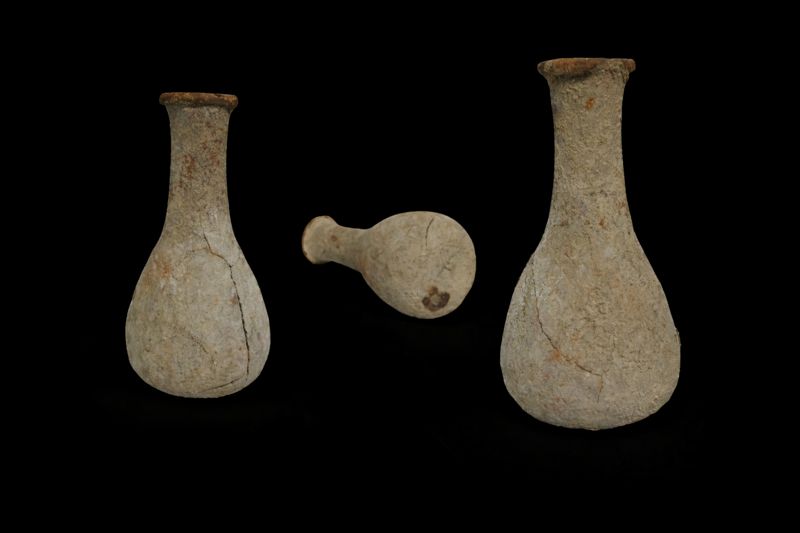
Roman Medicine Used Human Feces—Pergamon Now Has the Proof
For centuries, Greco-Roman medical texts described remedies made from human waste, but whether these treatments were ever truly prepared remained uncertain.A small Roman glass vessel unearthed in Pergamon has now provided the first physical proof that such remedies were not theoretical ideas, but part of everyday medical practice. The discovery comes not from a monumental…
-
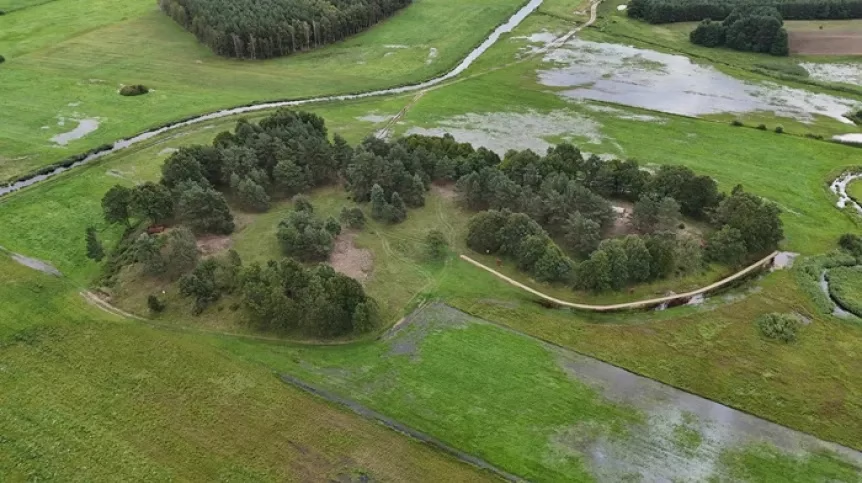
Polish archaeologists discover rare Celtic trepanation tool and iron casting evidence at Łysa Góra
A team of Polish archaeologists has uncovered a rare surgical tool used for skull trepanation and traces of iron casting at the “Łysa Góra” site in Mazovia — offering new insight into the presence of Celtic communities in ancient Poland. Archaeologists from the State Archaeological Museum in Warsaw and the University of Warsaw’s Faculty of…