For centuries, Greco-Roman medical texts described remedies made from human waste, but whether these treatments were ever truly prepared remained uncertain.
A small Roman glass vessel unearthed in Pergamon has now provided the first physical proof that such remedies were not theoretical ideas, but part of everyday medical practice.
The discovery comes not from a monumental structure or a richly furnished tomb, but from a modest glass container long assumed to be cosmetic in nature. Its contents, however, tell a far more provocative story about how medicine actually worked in the Roman world.
A cosmetic container with an unexpected past
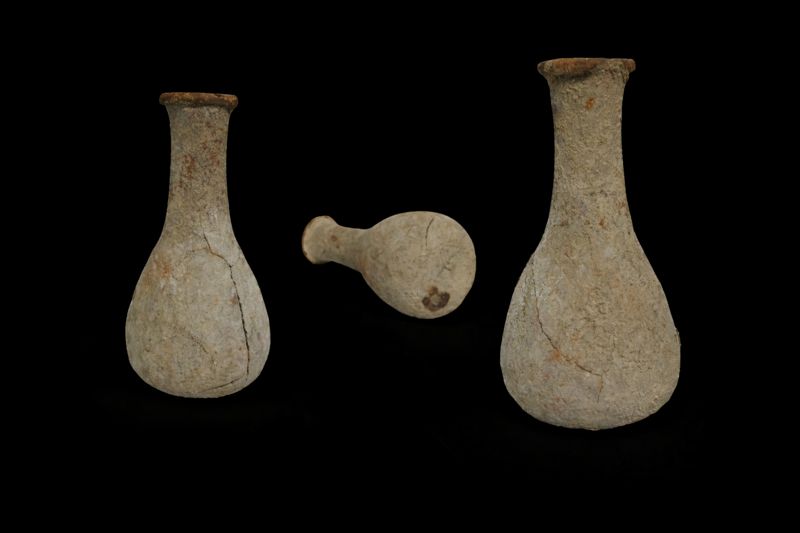
The object in question is a Roman unguentarium—a small glass bottle typically associated with perfumes, oils, or personal care products. Thousands of similar vessels are known across the Roman Empire, reinforcing the assumption that their role was purely cosmetic.
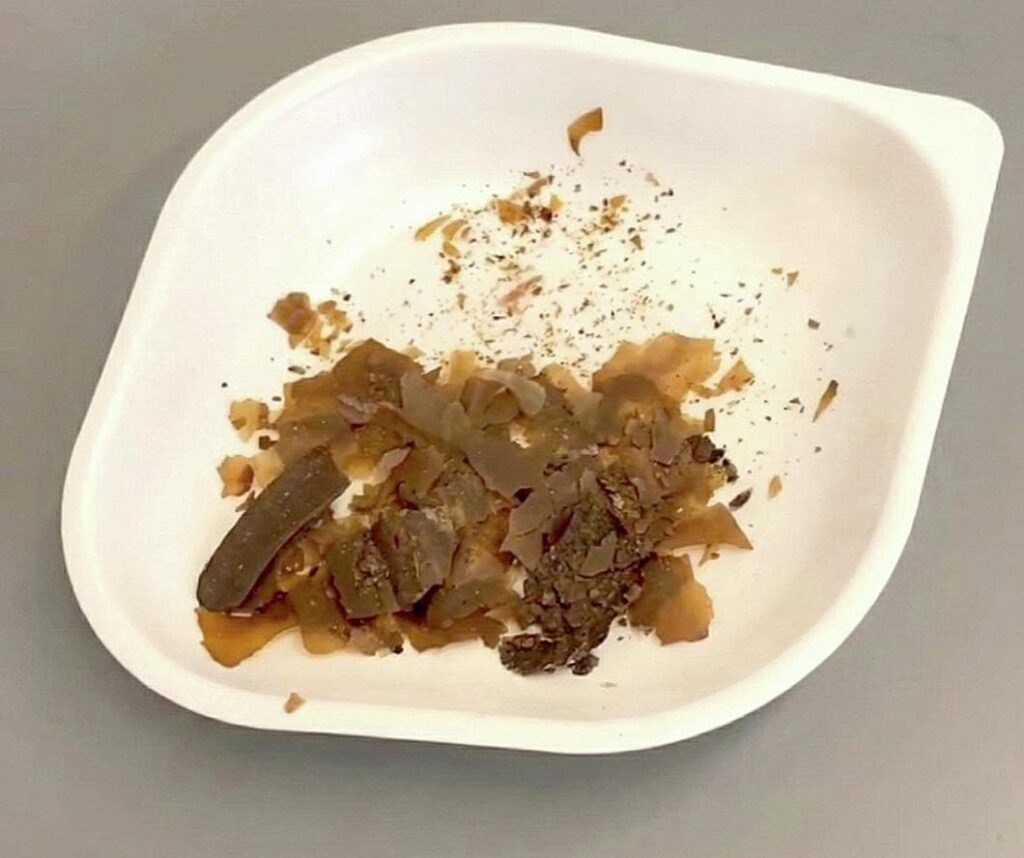
This particular example, dated to the second century CE and now preserved in the Bergama Archaeology Museum, challenged that assumption once its interior residue was examined. Instead of scented oil, researchers encountered a compact organic substance that demanded closer scrutiny.
Molecular evidence leaves little room for doubt
Using advanced chemical techniques, including gas chromatography and mass spectrometry, scientists identified compounds directly linked to the human digestive system. Two sterols commonly recognized as reliable biomarkers of human fecal matter were detected in ratios that exclude accidental contamination.
Strict laboratory controls ruled out modern interference or environmental intrusion. The conclusion was unavoidable: human feces had been intentionally placed inside the vessel.
This marks the first time such material has been chemically identified within a Roman medicinal container.
Aromatic plants point to deliberate preparation
The analysis revealed more than fecal biomarkers. Researchers also identified an aromatic compound derived from thyme, a plant native to Anatolia and well known in ancient pharmacology.
This detail proved decisive. Ancient medical authors repeatedly acknowledged the unpleasant sensory nature of dung-based remedies and recommended mixing them with fragrant herbs, oils, wine, or vinegar to make them tolerable for patients.
Such practices are described by Galen, Dioscorides, and Pliny the Elder—until now, known only through texts.
The Pergamon vessel provides the first material confirmation that these instructions were actively followed.
Why Pergamon matters
The location of the find is crucial. Pergamon was one of the Roman Empire’s most influential centers of medicine, closely linked to the healing cult of Asclepius.
Physicians trained in the city enjoyed an international reputation, yet direct archaeological evidence for many treatments described in medical literature had long been missing—particularly those involving substances considered socially uncomfortable or taboo.
This vessel bridges that gap between written knowledge and lived medical practice.
Rethinking Roman glass vessels
The discovery also forces a reassessment of how archaeologists interpret Roman unguentaria. These vessels may not have been limited to cosmetics alone. In Roman medicine, boundaries between therapy, hygiene, ritual, and personal care were fluid.
The container itself likely played an active role in treatment—managing not only storage, but also odor, presentation, and social acceptability.
Ancient logic, modern echoes
To modern audiences, feces-based medicine may seem unsettling. Yet researchers cautiously note parallels with contemporary medical treatments such as fecal microbiota transplantation, which relies on the therapeutic properties of gut material—now understood through microbiology rather than ancient theory.
Roman physicians lacked knowledge of microbes, but their empirical observations shaped a coherent medical logic within their own cultural framework.
A small object with major implications
Until now, feces-based therapies in Roman medicine rested entirely on written testimony. The Pergamon vessel shifts that balance.
Here, molecular evidence confirms that such remedies were physically prepared, deliberately modified, and actively used. More broadly, the study demonstrates how chemical analysis can transform our understanding of ancient healthcare—not as abstract theory, but as practical, everyday reality.
A small glass bottle from Roman Pergamon has thus opened a remarkably concrete window onto the sensory, social, and therapeutic world of ancient medicine.
Atila, C., Demirbolat, İ., & Babaç Çelebi, R. (2026). Feces, fragrance and medicine: Chemical evidence of ancient therapeutics in a Roman unguentarium. Journal of Archaeological Science: Reports
Volume 70, April 2026, 105589. https://www.sciencedirect.com/science/article/abs/pii/S2352409X26000246?via%3Dihub
Cover Image Credit: Roman unguentaria, typically interpreted as cosmetic containers, were small glass vessels used to store scented oils, ointments, and, as new evidence suggests, medically prepared substances. Antiguarian