-
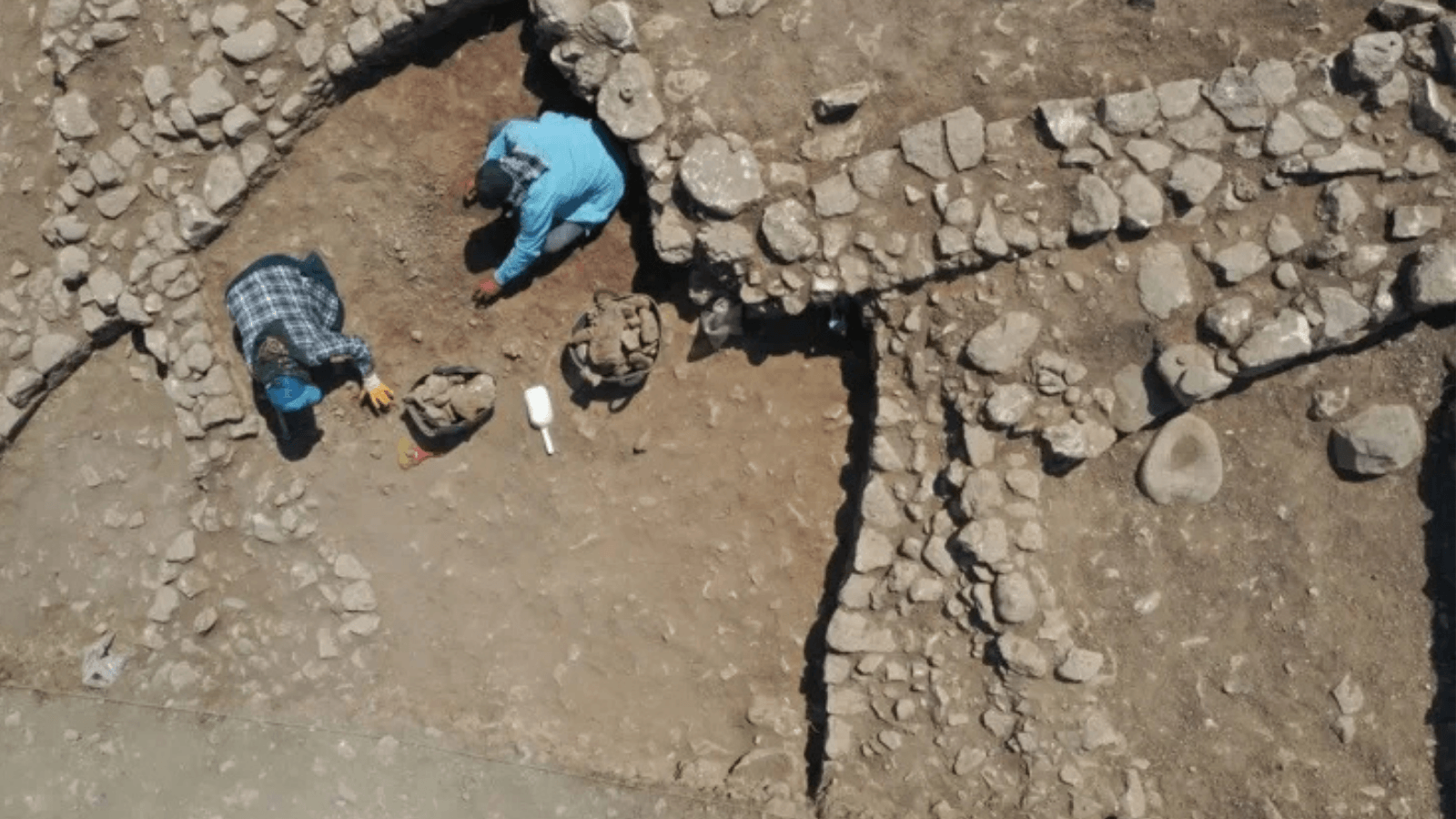
Beyond Göbekli Tepe’s Giant Pillars, Archaeologists May Have Found 10,000-Year-Old Homes
Göbekli Tepe is known around the world for its giant T-shaped pillars and monumental buildings. But new excavations may have uncovered 10,000-year-old homes, offering a very different glimpse into the lives of the people who lived among its famous monuments. New excavations in a previously unexplored part of the Neolithic settlement in southeastern Türkiye have…
-
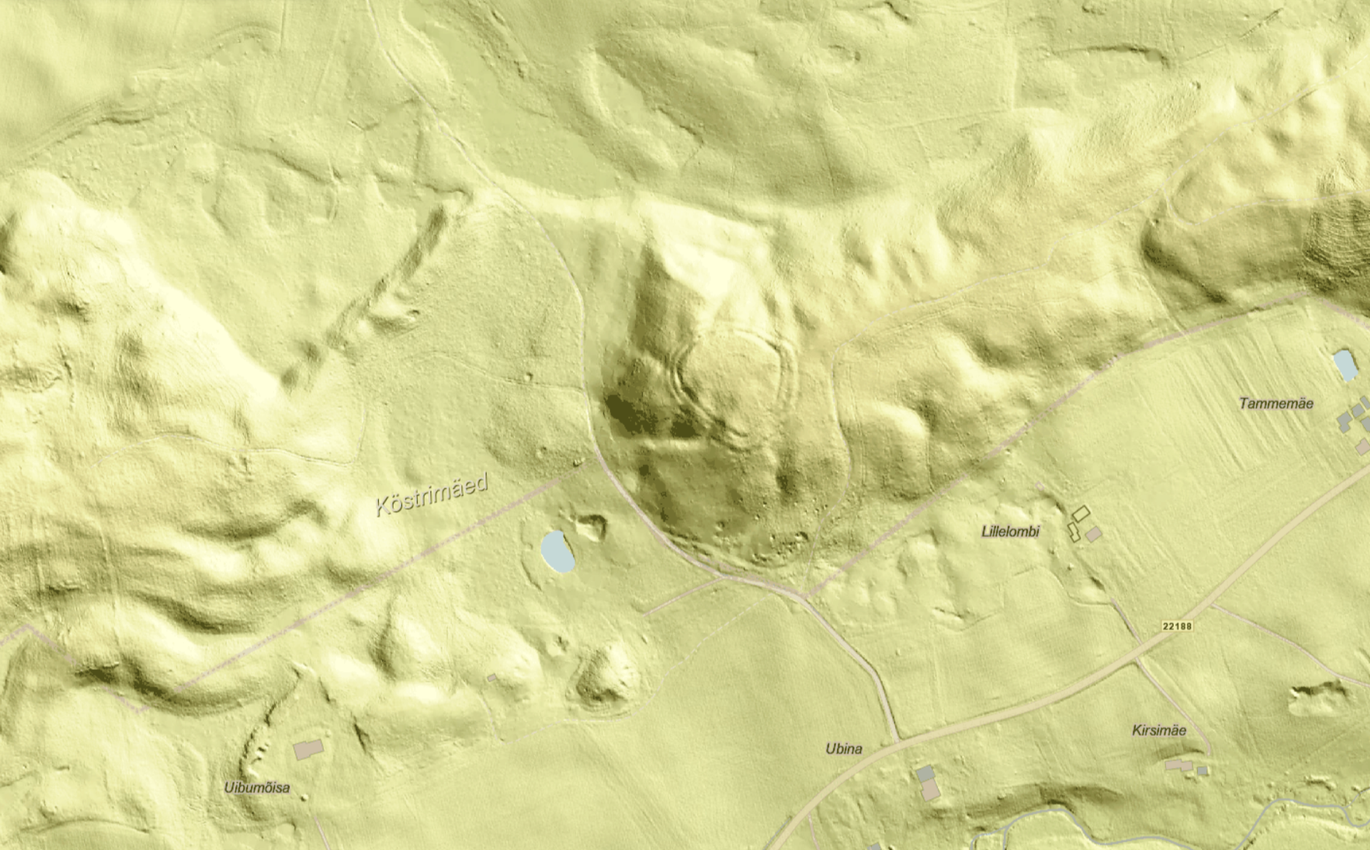
2,000-Year-Old Hillfort in Estonia Reveals a Short-Lived Settlement Shaped by Conflict
A 2,000-year-old hillfort in Estonia is reshaping how archaeologists understand early settlement patterns in the Baltic region. Identified near Kambja in Tartu County, the Köstrimägi site does not follow the familiar model of long-lasting fortified centers; instead, it points to a brief, unstable occupation that ended abruptly. An Unfamiliar Fortification Logic At first glance, the…
-

Archaeologists Unearth 6,000 Years of Human History in Chechnya—from Ritual Altars to Bronze Age Metal Workshops
A vast archaeological investigation in southern Russia has revealed an unexpectedly dense landscape of human activity stretching back more than 6,000 years—uncovering ritual spaces, early settlements, metal workshops, and hundreds of burials that reshape what we know about the North Caucasus. Conducted ahead of the construction of the Novogrozny–Serzhen-Yurt gas pipeline, the excavation—led by the…
-
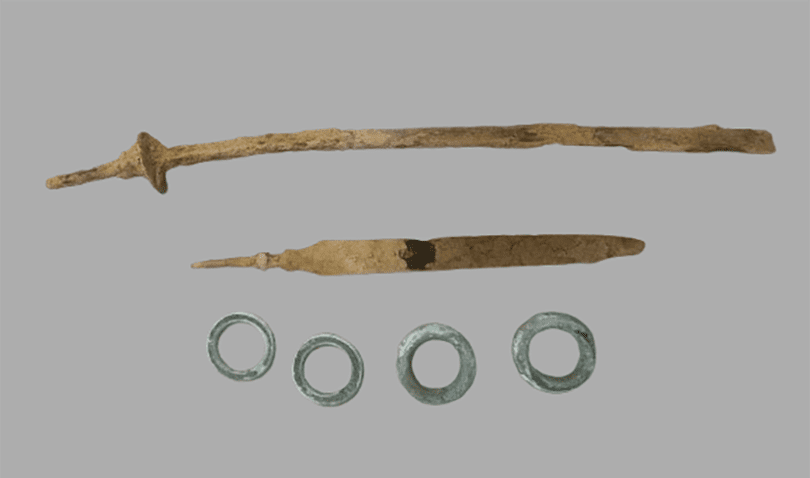
Layers Beneath the Rice Fields: Ancient Artifacts Reveal Millennia of Life in Vietnam’s Ha Tinh Highlands
Archaeologists working in Vietnam’s central highlands have identified a dense concentration of ancient artifacts buried beneath active rice fields in Ha Tinh province—a discovery that is reshaping understanding of long-term human settlement along the country’s western frontier. The finds emerged in the mountainous border commune of Son Kim 2, where farmers in the Lang Che…
-

The Earliest Neolithic Street and an 8,500-Year-Old Obsidian Mirror Discovered at Canhasan in Central Turkey
A gentle morning light still hung over the plains of Karaman when archaeologists realized they were standing on something unusual—a narrow, compacted passageway running between two early Neolithic structures. What looked at first like a simple gap in the settlement turned out to be one of the oldest known streets in Central Anatolia, dating back…