

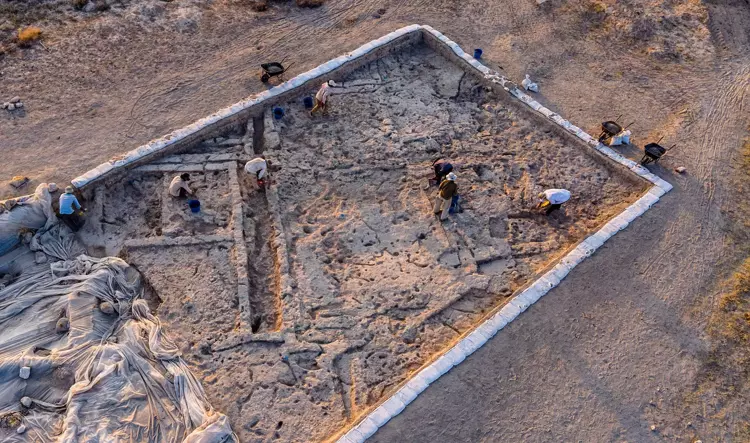
A gentle morning light still hung over the plains of Karaman when archaeologists realized they were standing on something unusual—a narrow, compacted passageway running between two early Neolithic structures. What looked at first like a simple gap in the settlement turned out to be one of the oldest known streets in Central Anatolia, dating back 10,000 years. And the surprises did not stop there. In the same layers, researchers uncovered a finely crafted 8,500-year-old obsidian mirror alongside a group of decorated obsidian tools unlike anything previously recovered at the site.
A Rare Glimpse into the Beginnings of Urban Planning
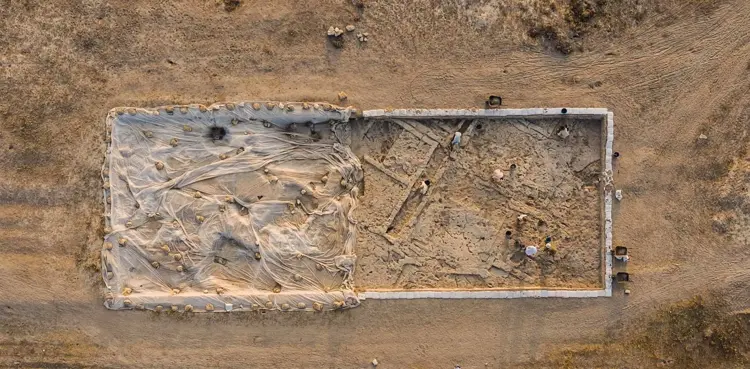
The renewed excavations at Canhasan—conducted under Turkey’s Legacy to the Future Project—are led by Assoc. Prof. Dr. Adnan Baysal of Ankara University. During this year’s campaign, his team identified a street belonging to the aceramic phase of the Neolithic period. Its presence suggests that the inhabitants of Canhasan were experimenting with spatial organization and controlled movement within the settlement far earlier than previously assumed.
Baysal notes that this discovery reopens old discussions about the origins of structured living in Central Anatolia. Earlier research by Dr. David French had already hinted that Canhasan 3 held clues to a distinct cultural sphere. Now, the new stratigraphic evidence reinforces the idea that this community may have contributed directly to the early development of urban concepts later seen in sites such as Çatalhöyük.
Obsidian Craftsmanship Rooted in Anatolian Tradition
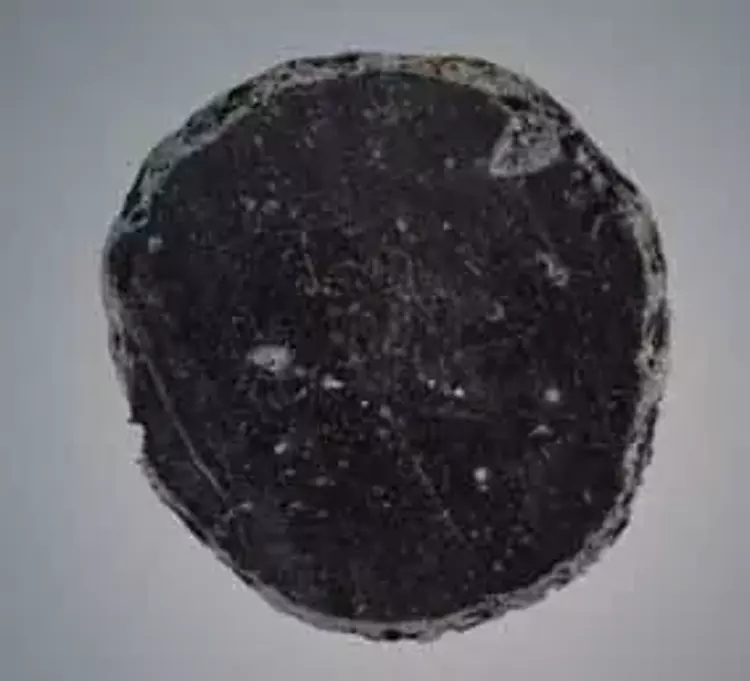
Among the season’s most compelling finds is an obsidian mirror dated to approximately 6500 BCE. Its polished surface and complex production technique point to a highly skilled craft tradition. Baysal emphasizes that mirrors of this type are known only from excavations within modern Turkey’s borders—a pattern that strongly suggests an indigenous technological evolution.
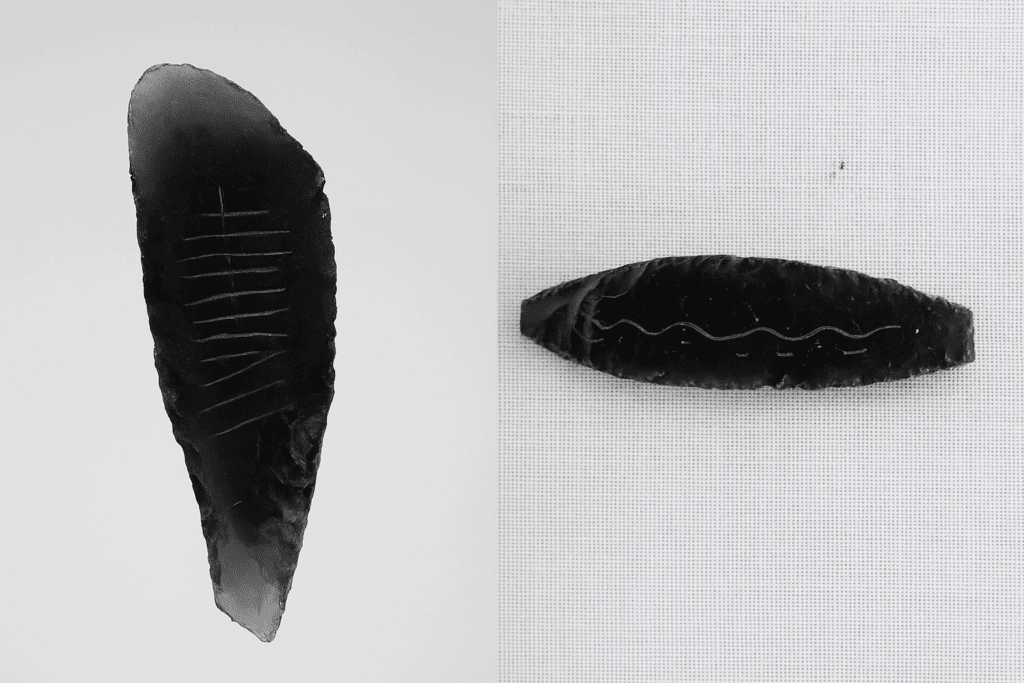
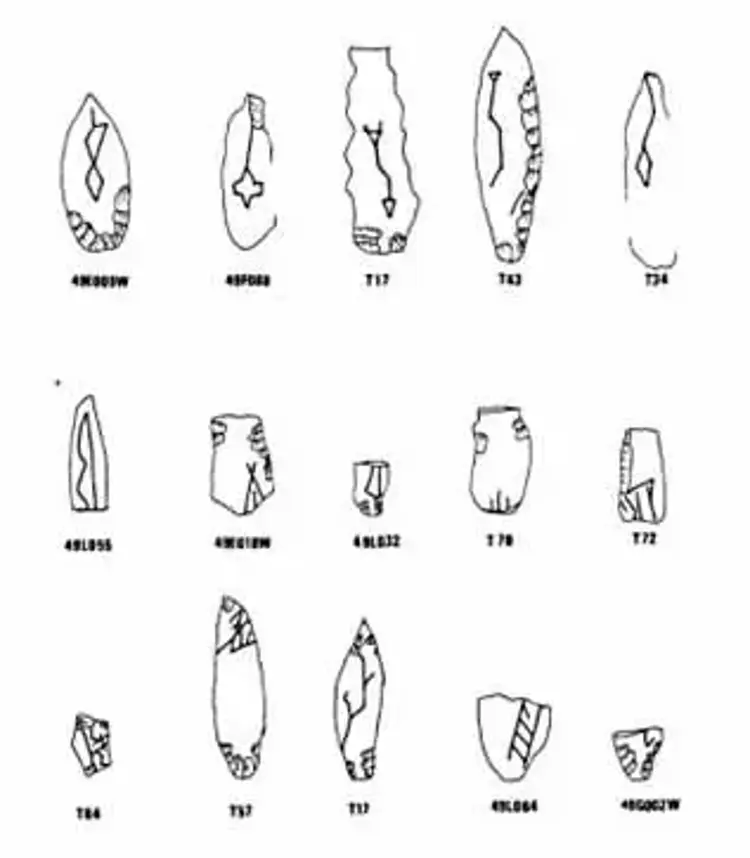
The team also recovered obsidian points marked with fine incised lines. These motifs have begun to appear consistently across different excavation seasons at Canhasan, leading researchers to argue that the site preserved a long-standing decorative and symbolic tradition. At present, this specific style of incision seems to be unique to Canhasan, although parallels exist at other Central Anatolian Neolithic sites.
Reframing Central Anatolia’s Neolithic Story
Canhasan has long stood in the shadow of its more famous neighbor, Çatalhöyük. Yet Baysal argues that this may soon change. With each season, the site reveals more material that fills in the early chapters of the region’s cultural history—chapters that predate Çatalhöyük’s peak.
Recent discoveries from Aşıklı Höyük, Boncuklu Höyük, Pınarbaşı, and now Canhasan indicate an evolving sequence of artistic, symbolic, and architectural traditions stretching across the Central Anatolian plateau. Canhasan appears to occupy a crucial mid-point in this progression, bridging the earlier aceramic communities and the later urban-style complexity at Çatalhöyük.
As Baysal puts it, Canhasan may represent “the first act” of a story whose later stages are already well documented. With ongoing excavations, the site is poised to reshape how scholars understand the rise of symbolic expression, household identity, and technological innovation in Neolithic Anatolia.
Excavation area at Canhasan where the 10,000-year-old Neolithic street and the 8,500-year-old obsidian mirror were uncovered. The inset images show the polished obsidian mirror and a decorated obsidian tool. Source: DHA.