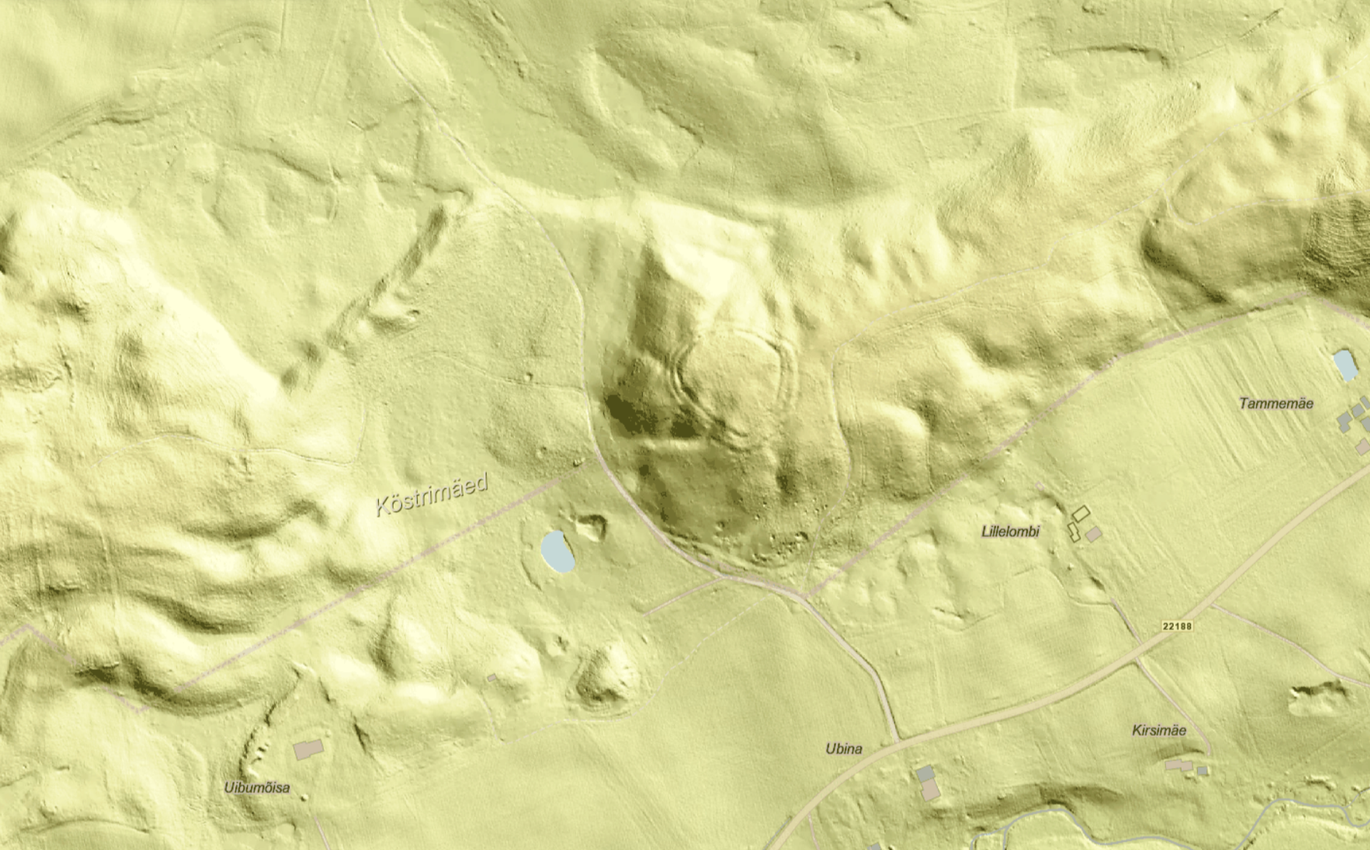
A 2,000-year-old hillfort in Estonia is reshaping how archaeologists understand early settlement patterns in the Baltic region. Identified near Kambja in Tartu County, the Köstrimägi site does not follow the familiar model of long-lasting fortified centers; instead, it points to a brief, unstable occupation that ended abruptly.
An Unfamiliar Fortification Logic
At first glance, the hillfort’s size is notable, covering roughly 4,800 square meters. Yet the real anomaly lies in its layout. Instead of a single defensive boundary, the site is encircled by multiple concentric ramparts and shallow ditches, a configuration rarely encountered in Estonia.
What complicates the picture further is their scale. Even at their peak, these embankments appear to have been relatively low, unlikely to function as imposing defensive barriers. This has led researchers to question whether the structures were purely military in purpose or whether they carried a different, perhaps symbolic or transitional role within the settlement.
A Settlement That Did Not Last
The material record is sparse but telling. Small pottery fragments, traces of charcoal, and burnt wood were enough to establish a precise timeframe through radiocarbon analysis, placing activity between 41 BC and AD 9.
More revealing than the dates themselves is the duration. The site does not show signs of long-term continuity. On the contrary, everything suggests a settlement that existed briefly—possibly for only a few decades, and perhaps even less. This was not a place that evolved over generations, but one that appeared and disappeared within a relatively narrow window of time.
Fire, Tension, and an Abrupt End
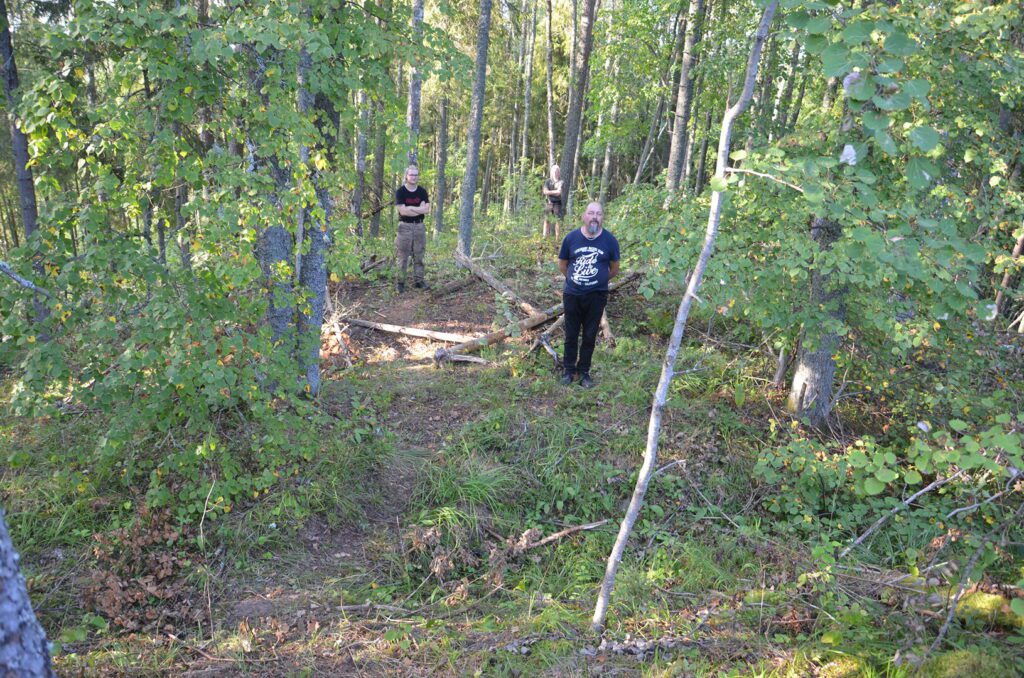
The clearest signal of how that story ended comes from the burn layers across the site. The remains indicate that the hillfort did not fade out gradually but was instead destroyed by fire, pointing to a violent conclusion.
At the same time, the construction style introduces another layer of complexity. Comparable concentric systems are known further south, particularly in Latvia, which raises the possibility that the builders of Köstrimägi were not entirely rooted in the local tradition. If that is the case, the site may represent a short-lived attempt by an incoming group to establish itself—an attempt that ultimately failed, perhaps under pressure from surrounding communities.
A Small Site with Large Implications
Köstrimägi does not stand out because of monumental architecture or rich finds. Its significance lies in the pattern it reveals. An unfamiliar fortification design, a strikingly short occupation, and clear evidence of destruction together suggest a period marked by movement and instability rather than continuity.
Seen in this light, the hillfort becomes more than an isolated discovery. It offers a glimpse into a moment when settlement strategies were still fluid, when different groups may have intersected, and when not every attempt to establish a foothold in the landscape succeeded.
Cover Image Credit: Land and Spatial Development Board 2026