-
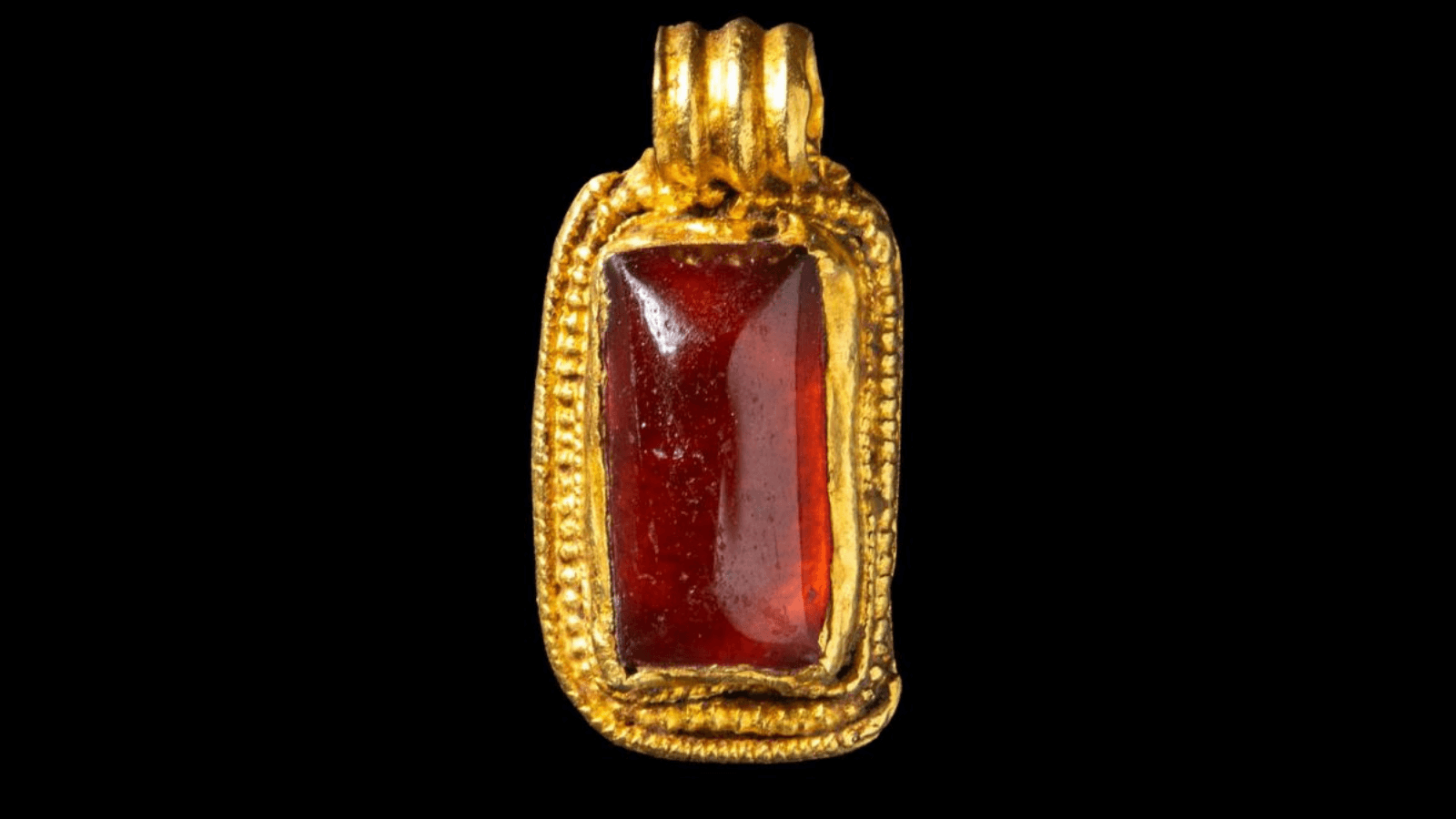
Anglo-Saxon Girl Was Buried with Garnets from India and Sri Lanka 1,400 Years Ago
A teenage girl buried in eastern England around 1,400 years ago wore a necklace containing garnets that had travelled thousands of miles from India and Sri Lanka. Her grave, the richest in a previously unknown Anglo-Saxon cemetery in Lincolnshire, reveals how even a small rural community was connected to trade networks extending far beyond Britain.…
-
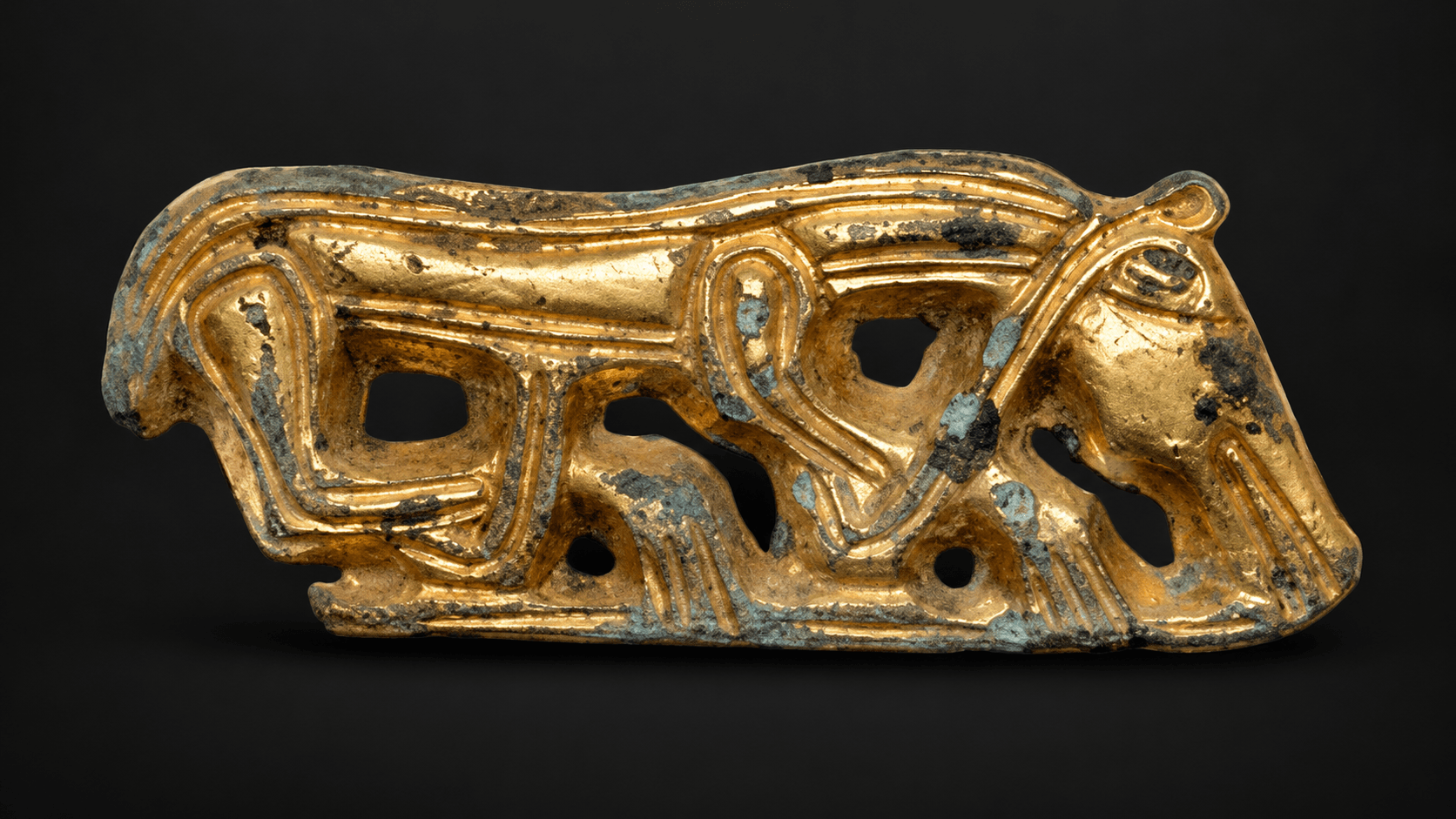
Britain Acts to Keep Rare 1,400-Year-Old Anglo-Saxon Treasure
A tiny gilded ornament discovered by a metal detectorist in Norfolk has been recognized as an object of national importance, prompting the British government to give museums an opportunity to keep it in the country. The 1,400-year-old Anglo-Saxon mount was found at Holme Hale in 2024. Although it measures only 33.7 millimeters and weighs five…
-

Face of “Conquest Man,” Buried Soon After the Norman Conquest, Reconstructed in England
The face of “Conquest Man,” an individual buried in England shortly after the Norman Conquest, has been digitally reconstructed from his 1,000-year-old skull. His burial combined a Christian setting with Scandinavian-influenced grave goods, while scientific tests indicate substantial continental European ancestry. His skeleton was excavated at St Peter’s Church in Barton-upon-Humber, North Lincolnshire. He was…
-
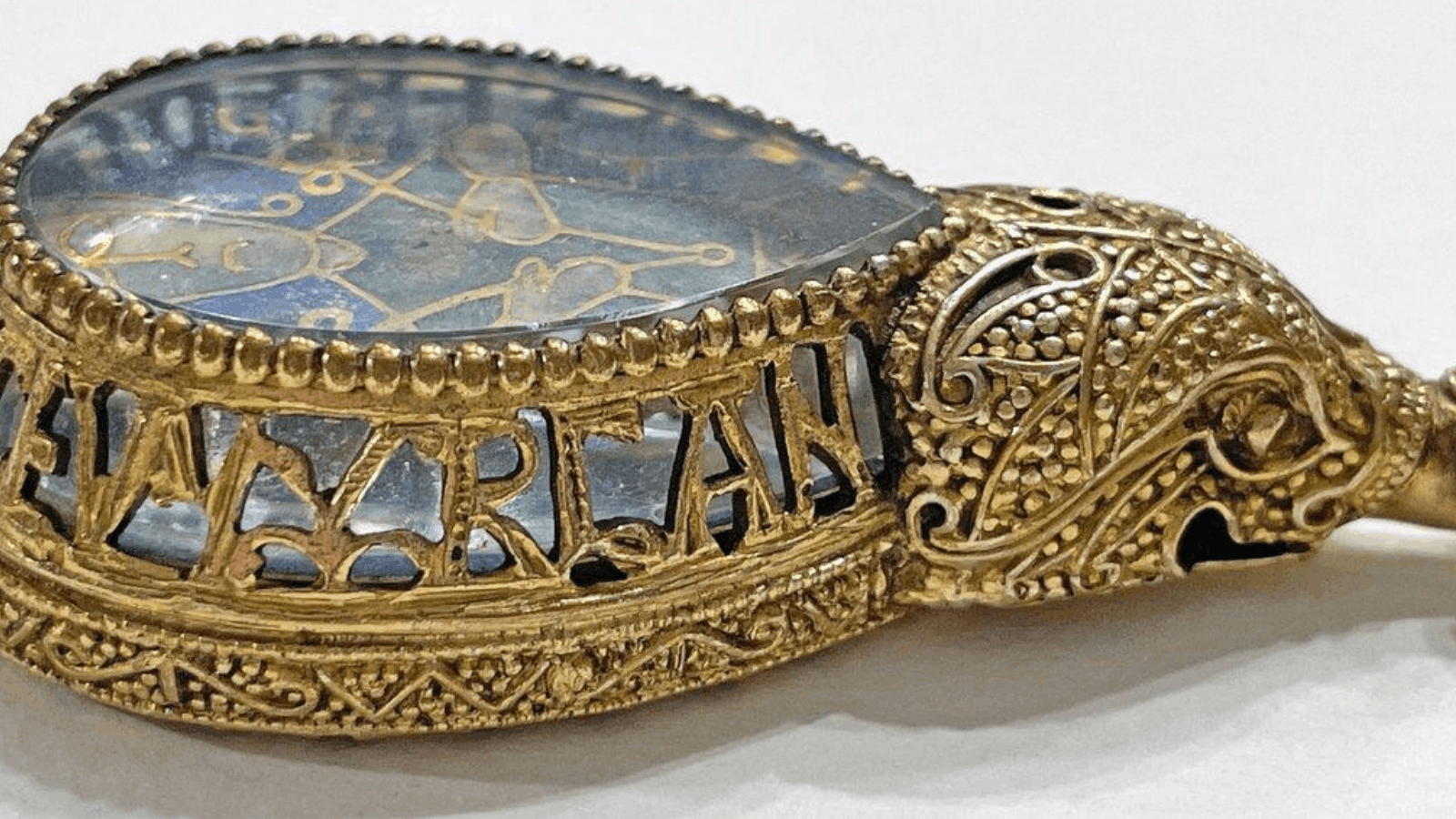
The 1,100-Year-Old Alfred Jewel May Have Been a Manuscript Reading Pointer
The Alfred Jewel, a 1,100-year-old Anglo-Saxon object associated with King Alfred the Great, may have been a manuscript reading pointer rather than simply an elaborate piece of royal goldwork. The small object carries an unusually direct statement of royal patronage: “Alfred ordered me to be made.” Dating to between AD 871 and 899, the reign…
-
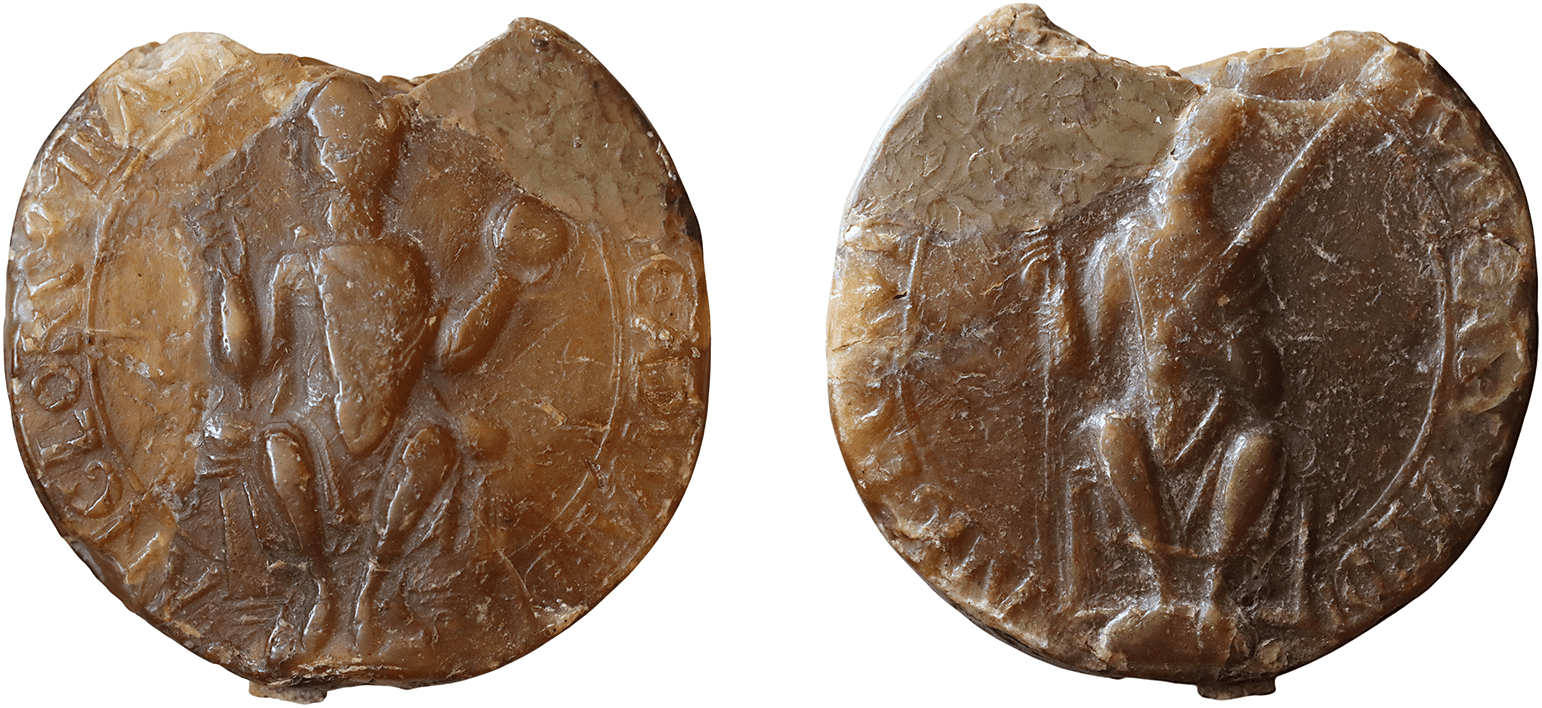
Lost for 40 Years, Royal Seal of Edward the Confessor Found in Paris — Reveals Unexpected Byzantine Link
A royal seal long believed lost suddenly reappears—after decades without a trace. A rare royal seal belonging to Edward the Confessor, the last Anglo-Saxon king of England, has now resurfaced in Paris after more than 40 years. This development is not simply the recovery of a lost artifact; it offers an unexpected window into the…
-
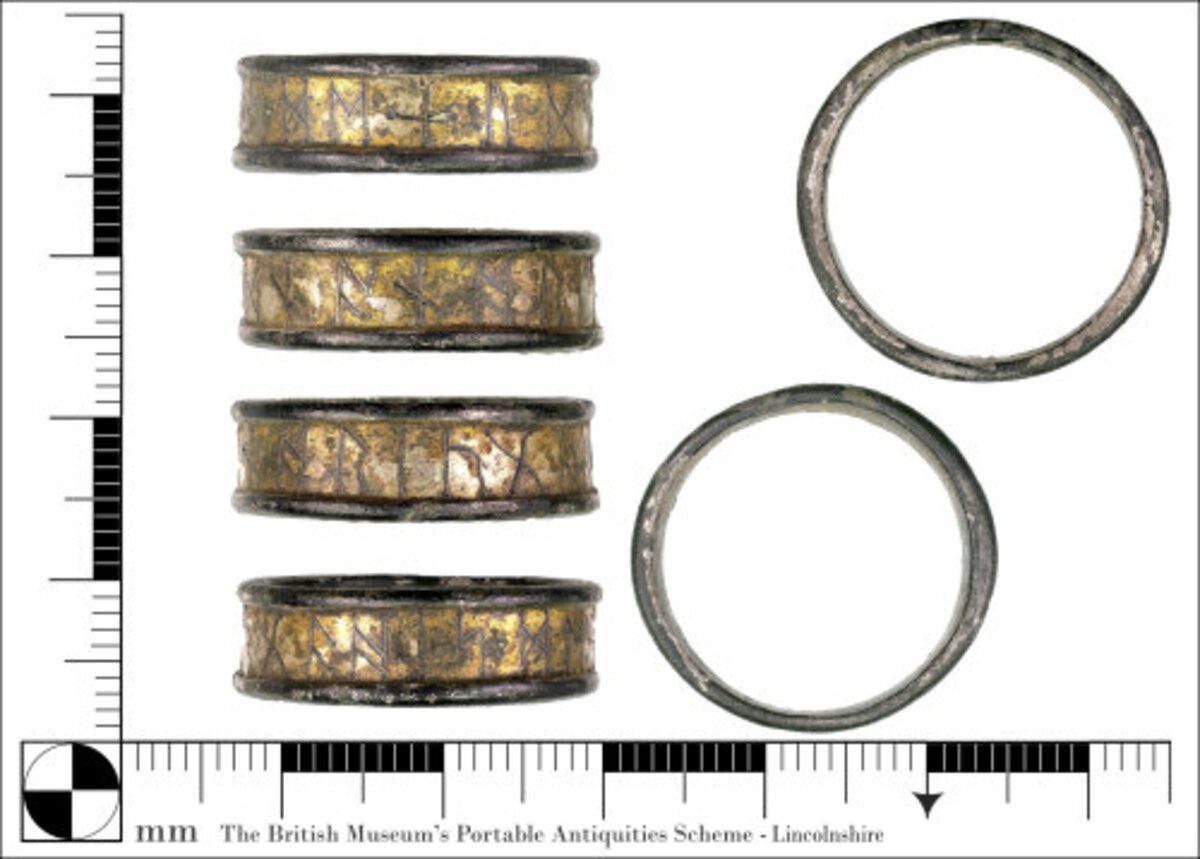
1,000-Year-Old Runic Ring Discovered in Lincolnshire May Mark an Unknown Anglo-Saxon Elite Site
A small silver-gilt ring discovered in a Lincolnshire field is drawing unusual attention from archaeologists—not for its size, but for what it suggests about identity, literacy, and status in early medieval England. The ring was found by metal detectorist Rafal Wesolowski near Quadring and later recorded by the Portable Antiquities Scheme (PAS) under the reference…