-
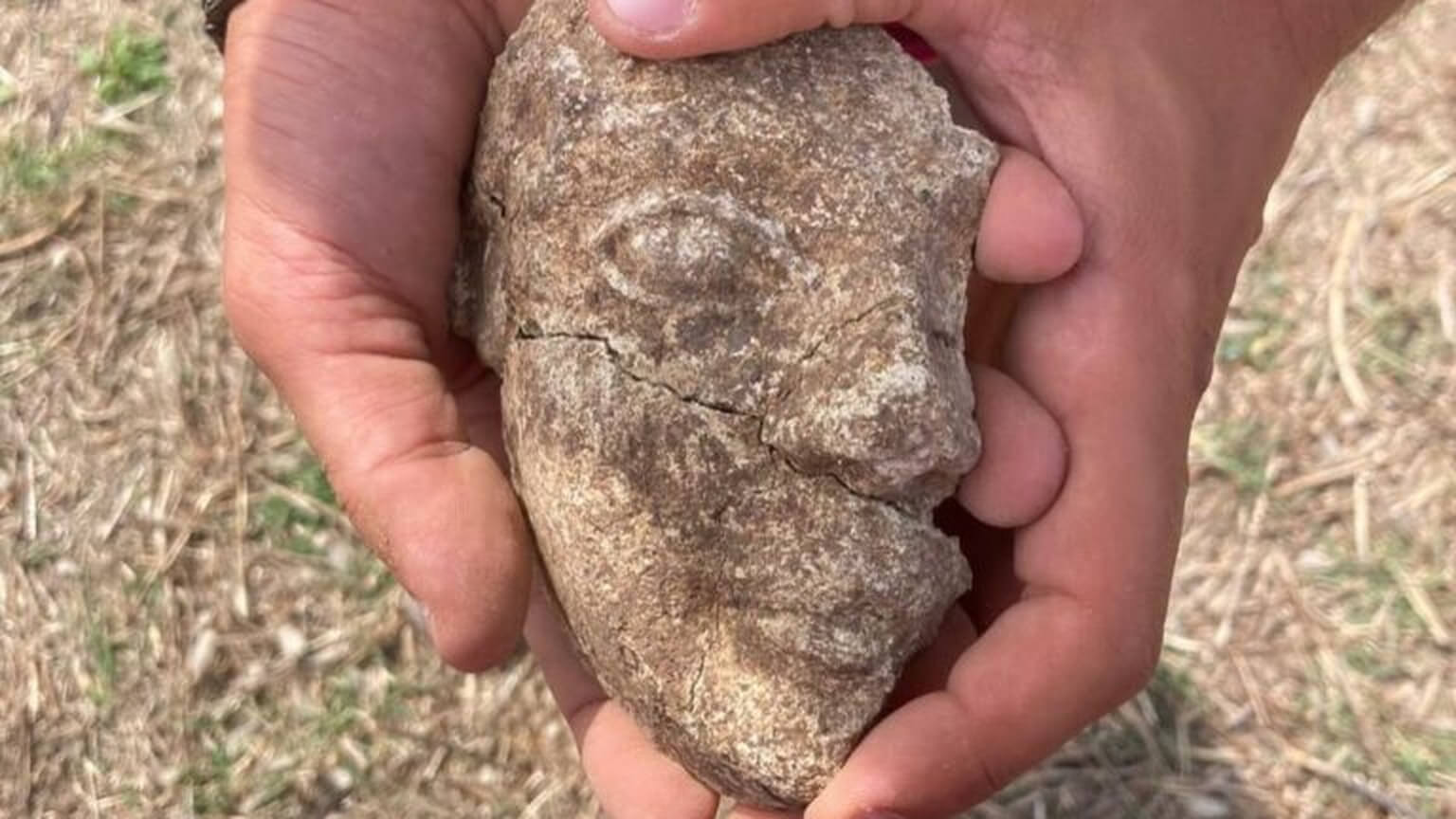
2,500 Years Later, the Face of an Etruscan Goddess Emerges at Her Own Temple
A terracotta fragment depicting the face of the Etruscan goddess Uni has been unearthed at Pyrgi, an ancient sanctuary on Italy’s Tyrrhenian coast. The discovery was made in the area of Temple B, a sacred building dedicated to the same goddess more than 2,500 years ago. Archaeologists from Sapienza University of Rome recovered the fragment…
-
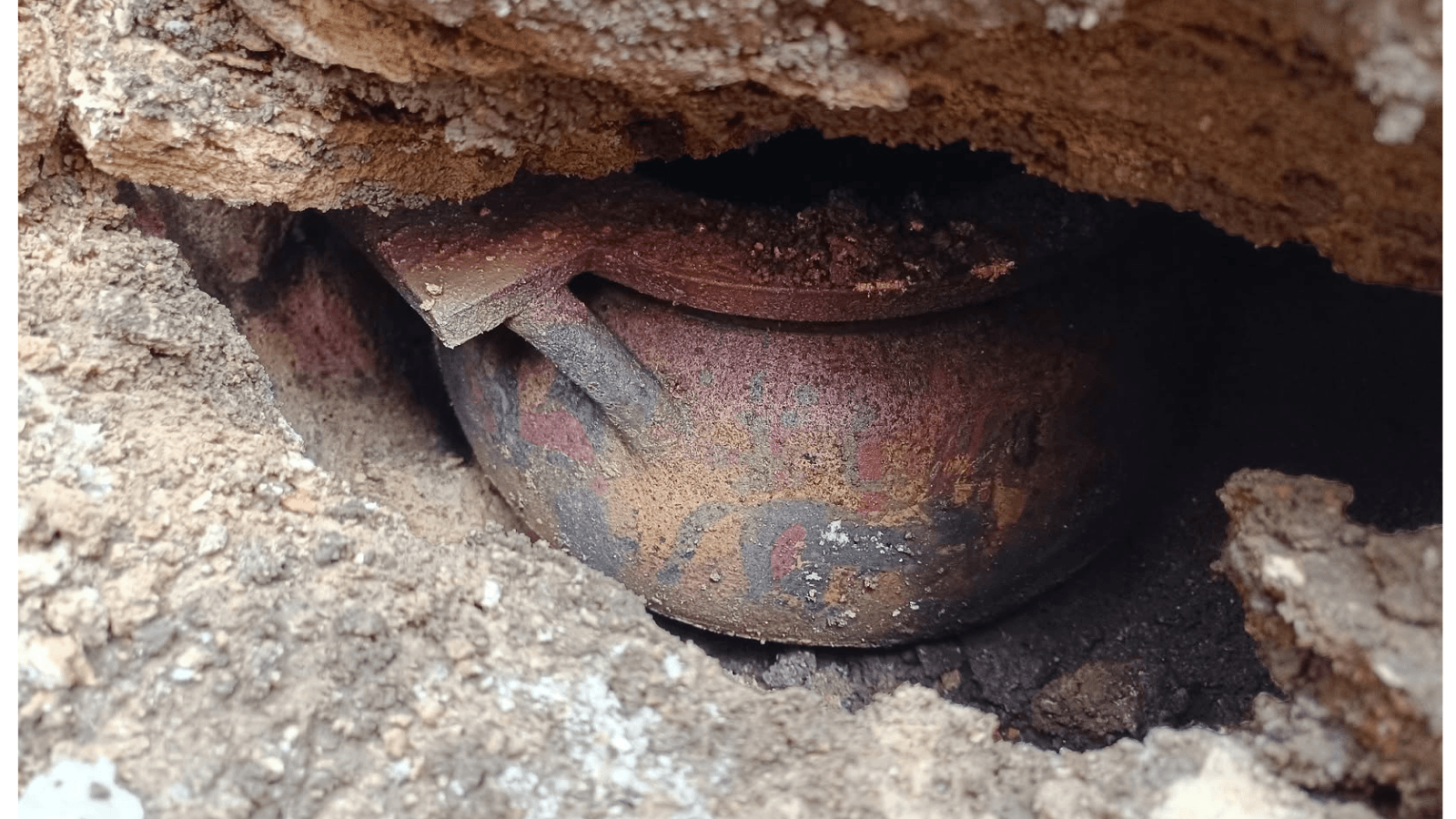
Rare 2,600-Year-Old Cube-Shaped Tomb in Italy Held Cremated Remains Inside a Greek Wine Vessel
A rare Etruscan-era burial built around an imported Greek wine vessel has been discovered beneath the modern town of Pontecagnano Faiano in southern Italy. Dating to the first half of the sixth century BC, the tomb is believed to have belonged to a high-ranking member of the ancient community. Archaeologists uncovered the burial during preventive…
-
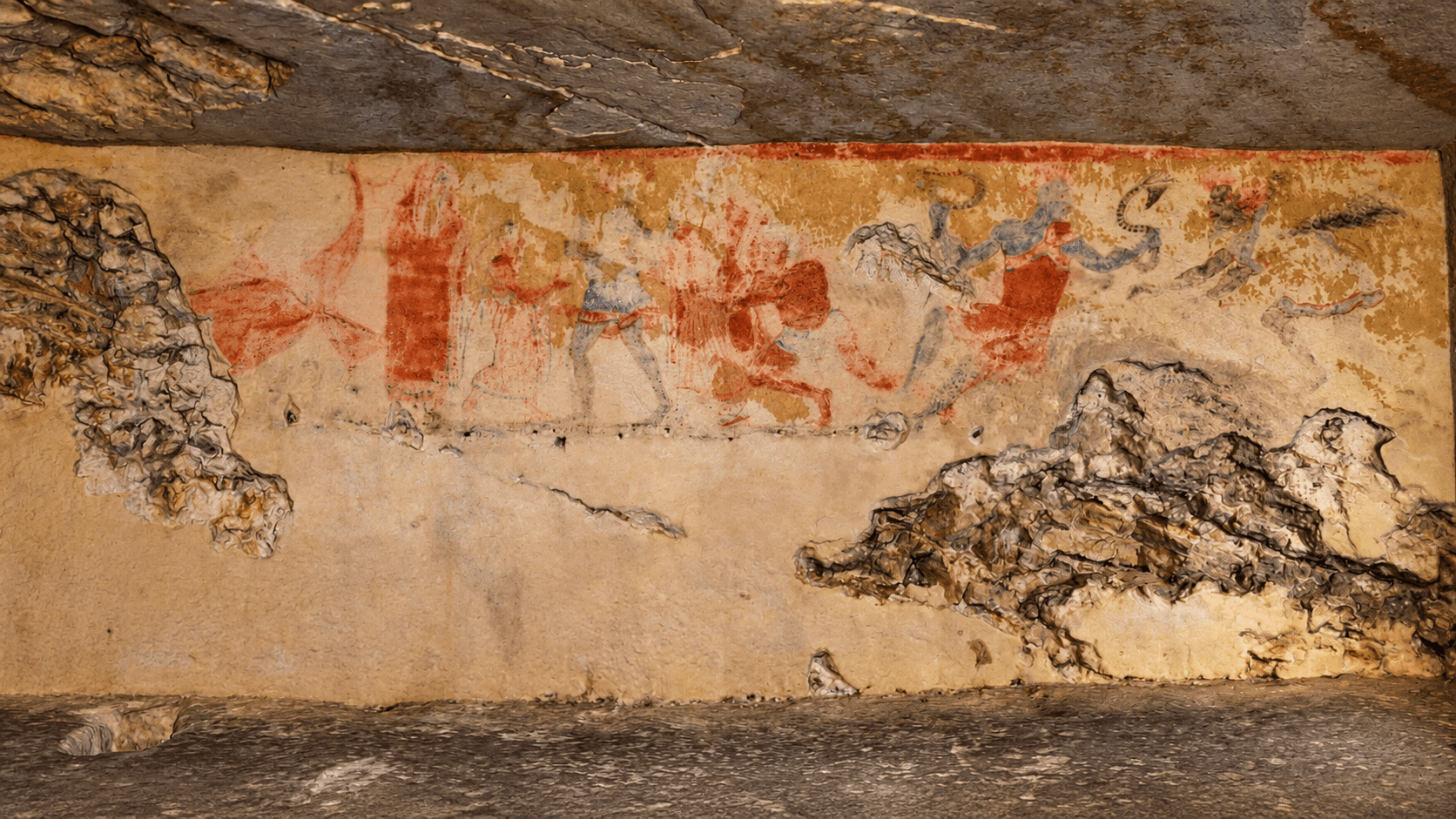
A 2,400-Year-Old Etruscan Tomb Echoed Like a Cathedral and May Have Altered the Senses
Anyone descending into the Etruscan Tomb of the Blue Demons would have left daylight behind and entered a chamber of flickering illumination, distorted voices and painted supernatural figures. At the rear of the tomb, low-frequency sounds could reverberate for more than seven seconds, making their source difficult to locate and allowing the echoes to be…
-
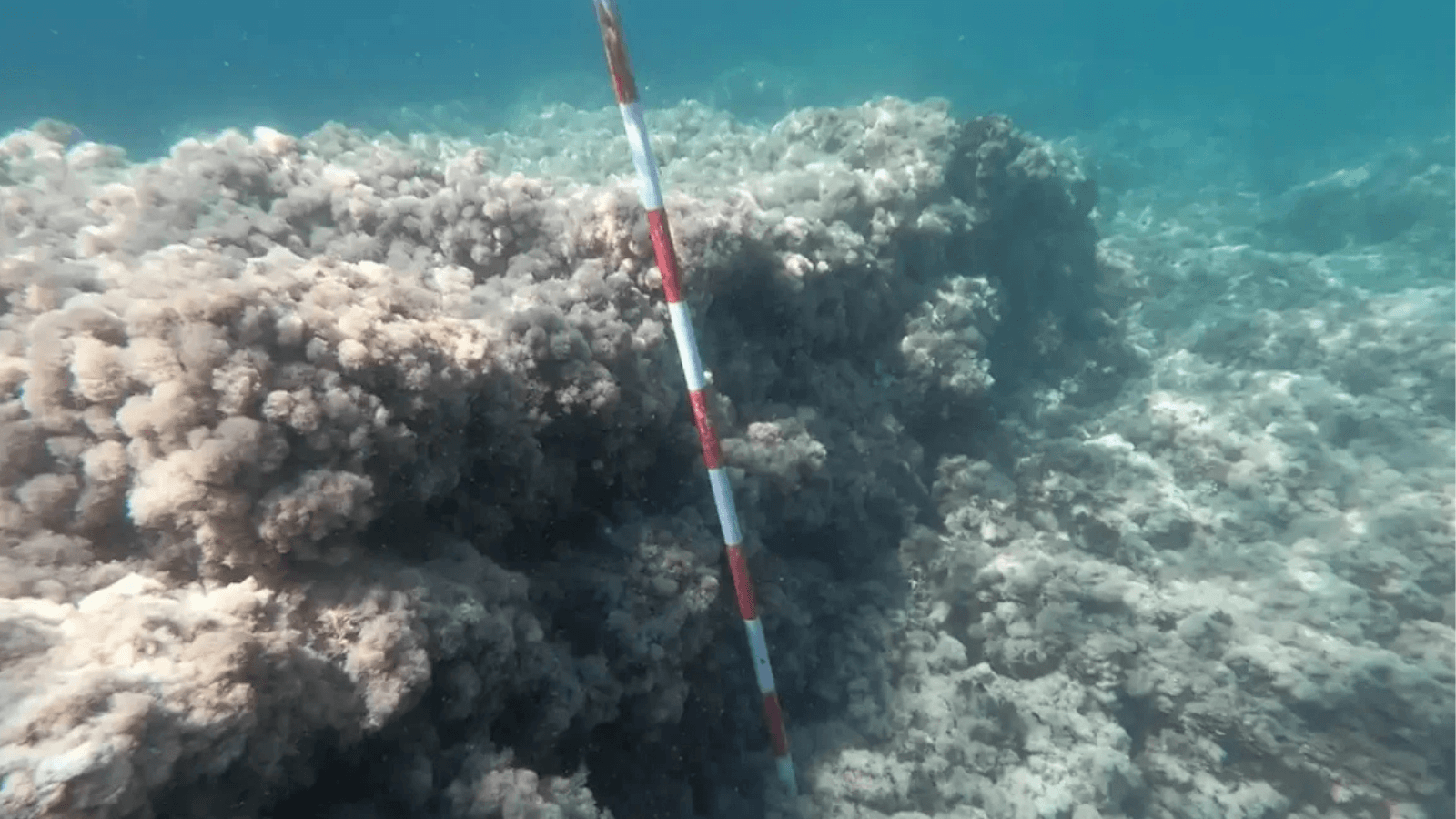
Submerged Etruscan Harbor Found Off Rome May Be the Oldest Known Linked to a Temple
Archaeologists surveying shallow waters north of Rome have identified a submerged Etruscan harbor that may once have carried sailors directly to a coastal sanctuary. The stone structure lies off Santa Marinella, about 90 meters from the modern shoreline and at an average depth of 1.5 meters. Its construction has been tentatively dated to between the…
-
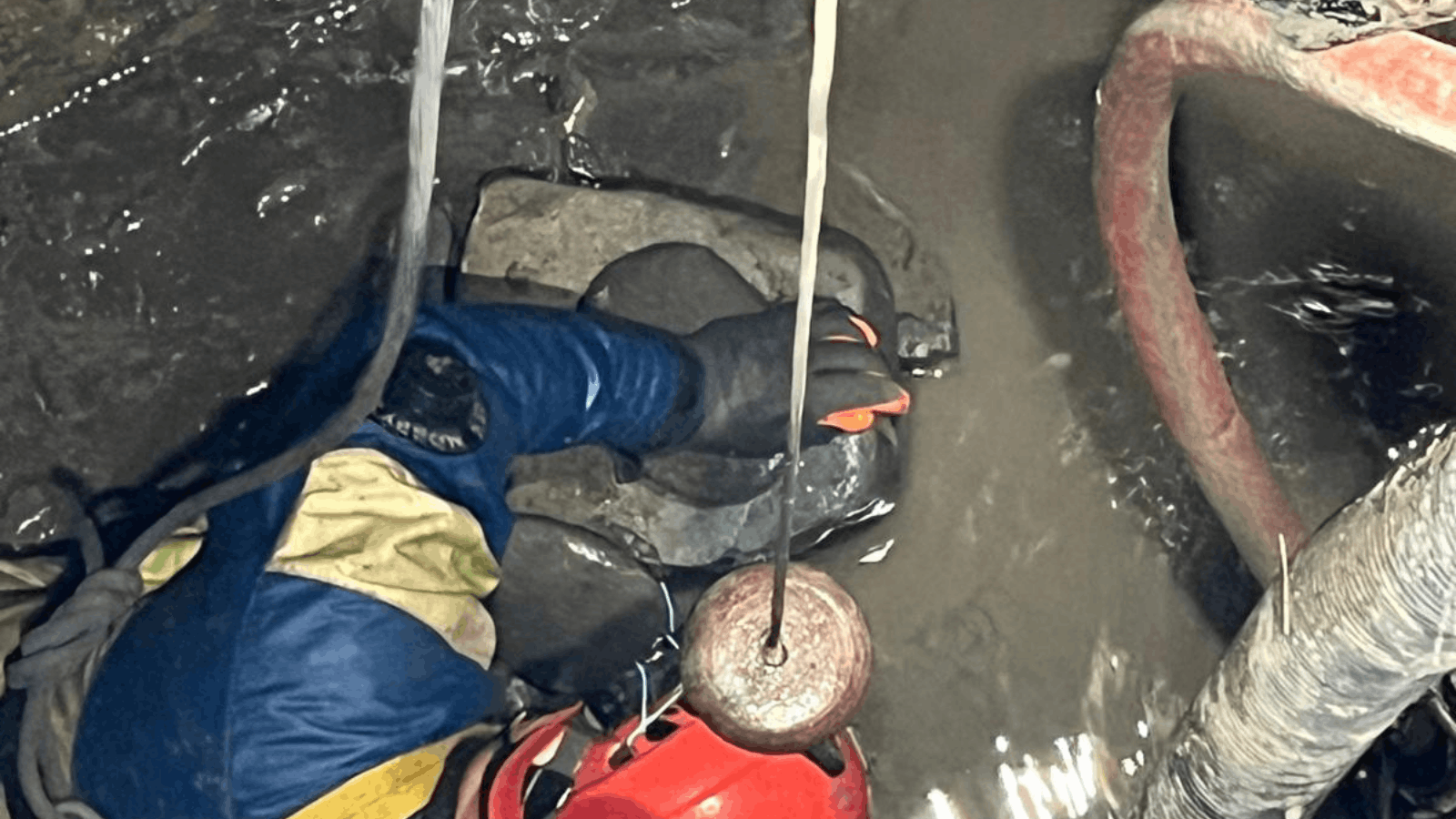
2,500-Year-Old Etruscan Ritual Well in Italy Yields Bronze Offerings and Human Remains
Archaeologists excavating the ancient Etruscan city of Kainua in northern Italy have uncovered a 2,500-year-old ritual well containing exceptionally preserved bronze offerings and the remains of two adults. The discovery was made in the sacred quarter of Kainua, near modern Marzabotto in the Emilia-Romagna region, during the 39th excavation campaign led by the University of…
-
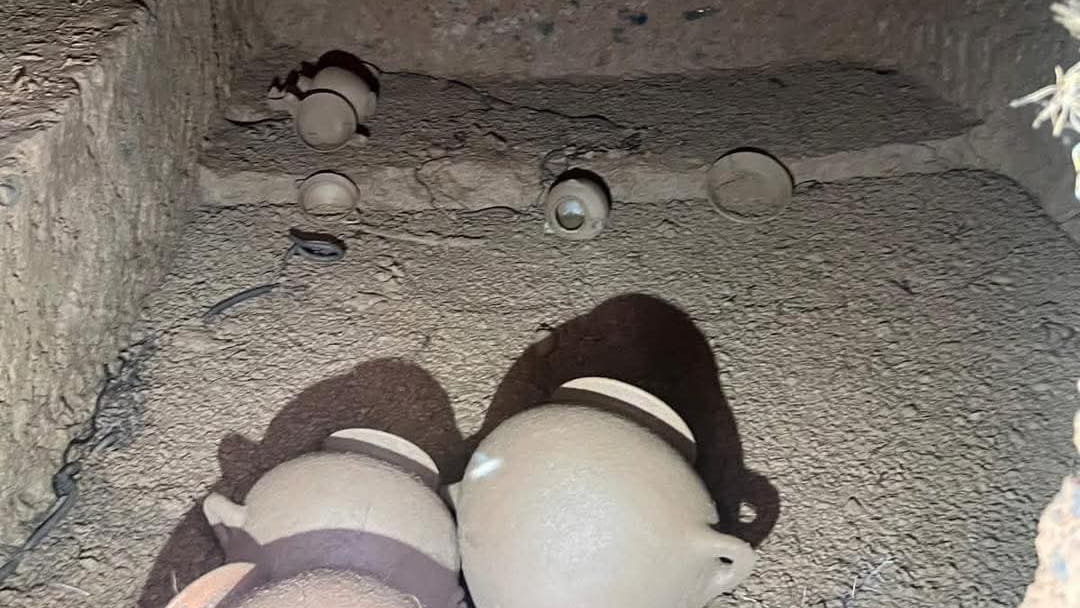
2,700-Year-Old Untouched Etruscan Tomb Opened in Italy, Revealing Two Burials and Rich Grave Goods
Archaeologists in central Italy have opened a 2,700-year-old untouched Etruscan tomb containing two burials and a rich collection of grave goods, including a spearhead, bucchero cups, storage vessels and at least one aryballos. The tomb was discovered in the Caiolo necropolis within the archaeological area of San Giuliano, near Barbarano Romano in the Lazio region,…