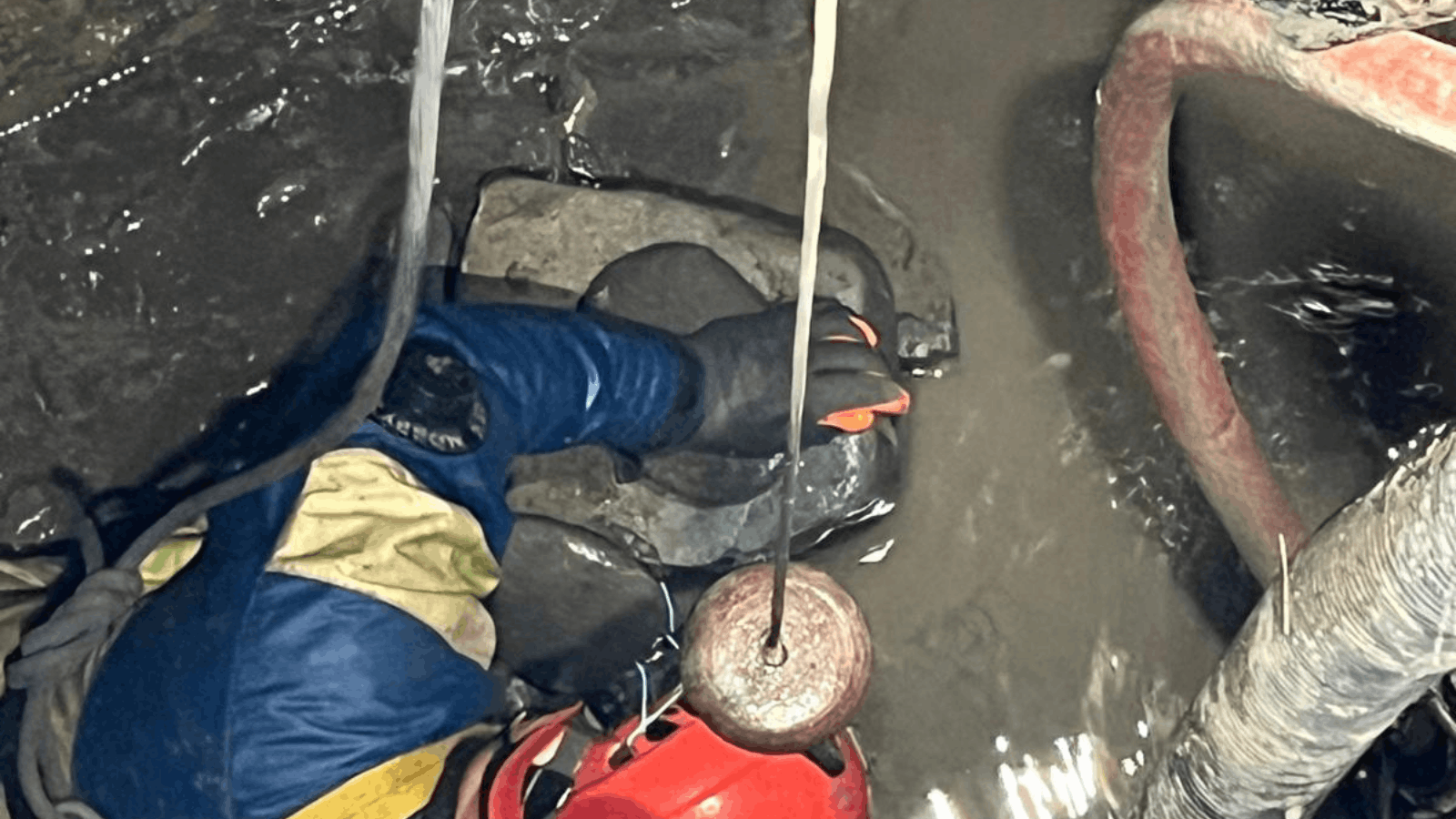
Archaeologists excavating the ancient Etruscan city of Kainua in northern Italy have uncovered a 2,500-year-old ritual well containing exceptionally preserved bronze offerings and the remains of two adults.
The discovery was made in the sacred quarter of Kainua, near modern Marzabotto in the Emilia-Romagna region, during the 39th excavation campaign led by the University of Bologna. The Etruscan ritual well appears to have been used in ceremonies connected with the formation of the city and, later, with the closure of the structure.
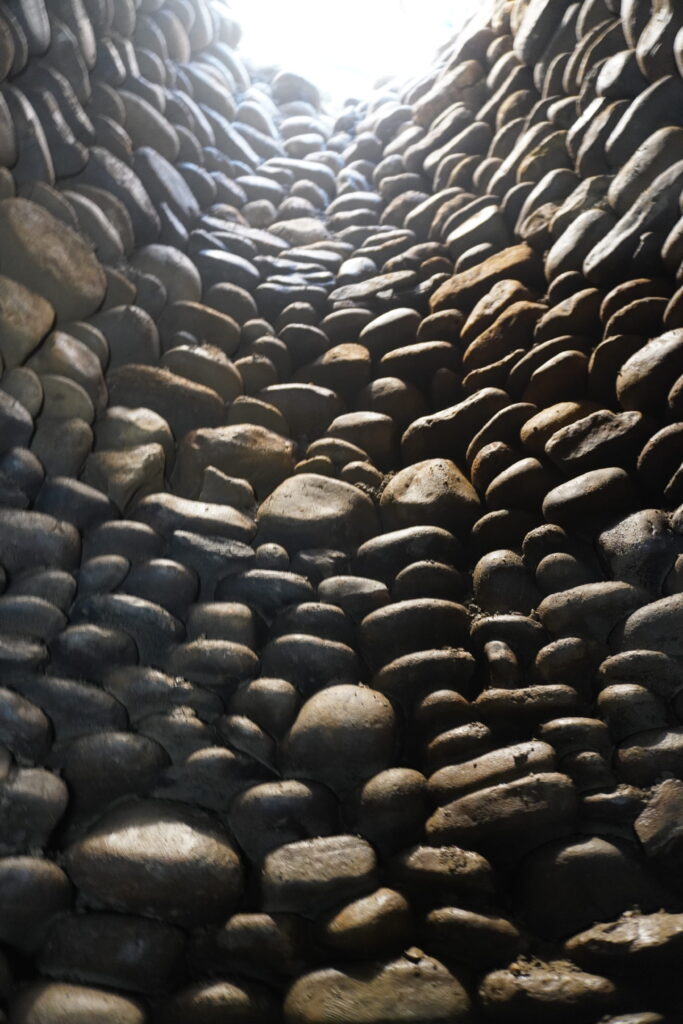
Excavation director Prof. Elisabetta Govi said the objects recovered from the bottom of the well date to the late sixth or early fifth century BC, when Kainua was developing into a planned Etruscan city.
The well was not simply used for water supply. According to the excavation team, its contents show that it also had a sacred and ritual role connected with the foundation of Kainua and the religious significance attached to water.
Bronze offerings preserved underwater
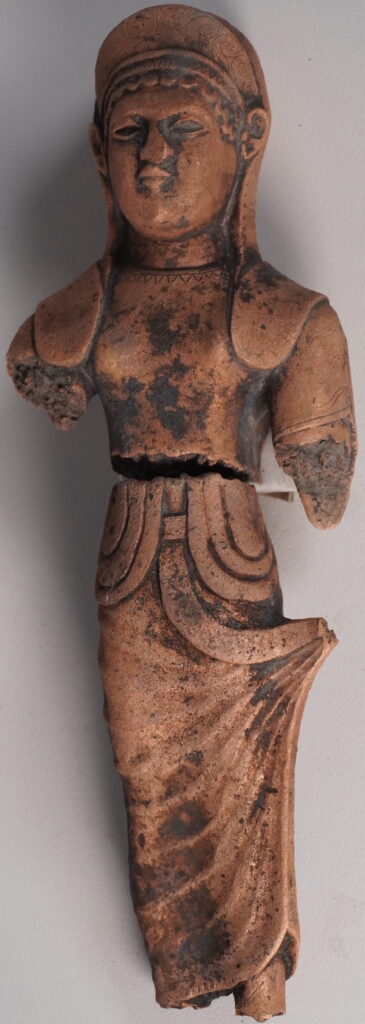
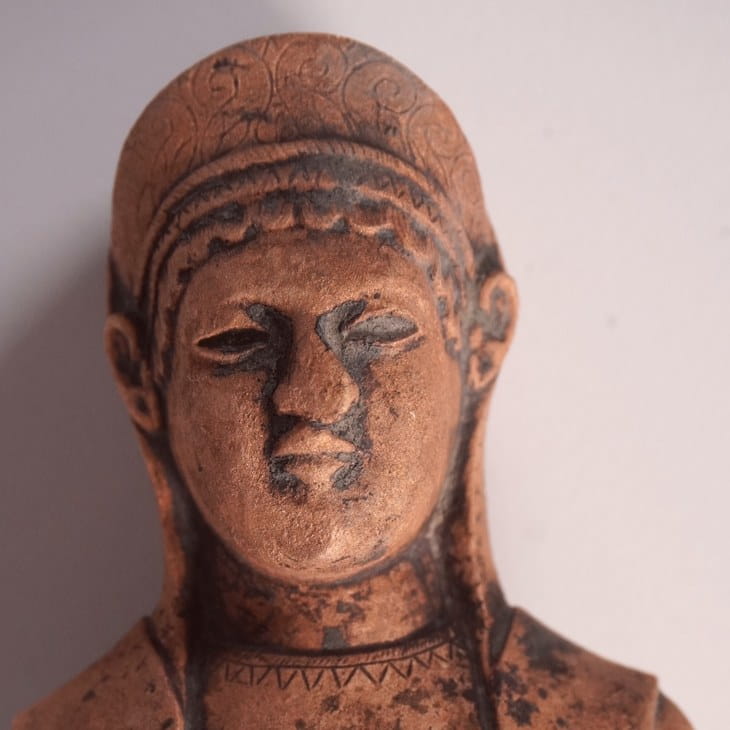
At the bottom of the well, archaeologists discovered two solid-bronze statuettes depicting female figures, together with a rare bronze plate.
Govi said the bronze objects are exceptionally well preserved, with the statuettes and plate still retaining the original bright color of the metal.
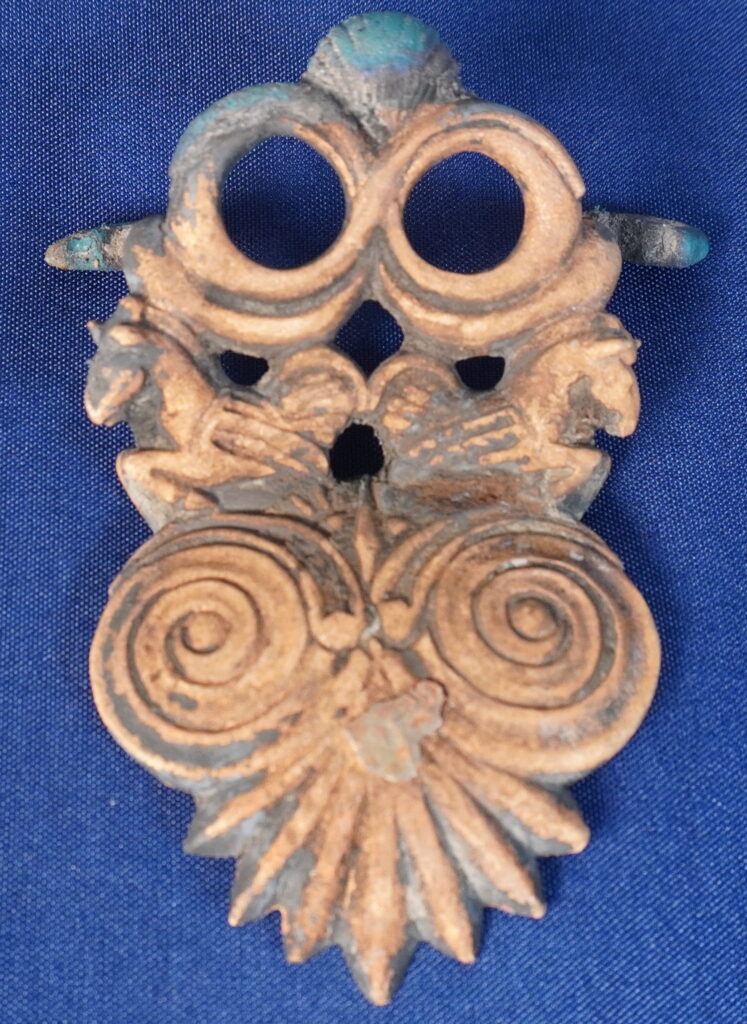
The same deposit also produced a bronze plate preserved in exceptional condition, an intact key, a bronze vessel fitting decorated with winged horses and several ceramic vessels associated with the ritual activity.
The concentration and character of the material indicate that the objects were deliberately deposited rather than accidentally lost in the well.
Researchers connect the votive offerings with the period in which Kainua acquired its planned urban form. Their placement in the well may have formed part of ceremonies associated with the establishment or reorganization of the city.
Two Adult Skeletons Mark the Well’s Closure
Archaeologists also uncovered the skeletons of two adults within the well, representing a later stage in the structure’s ritual history.
According to Govi, the two adult skeletons were associated with a ritual act that marked the closure and end of the well’s use.
Kainua was founded toward the end of the sixth century BC and was abandoned during the fourth century BC amid Celtic migration into the region.
Kainua is exceptional among Etruscan sites because its urban layout has survived with unusual completeness, allowing archaeologists to trace houses, streets, drainage systems, workshops, cemeteries and sacred buildings.
The newly discovered well lies within one of the city’s principal religious areas. Monumental temples there have been associated through Etruscan inscriptions with Tinia and Uni, corresponding broadly to Jupiter and Juno in Roman religion. Evidence for the worship of Vei, a goddess linked with fertility, has also been found in the same area.
According to Govi, the discovery provides new evidence for the rituals associated with the foundation of Etruscan cities and for the religious importance attached to water within Kainua’s sacred landscape.