-
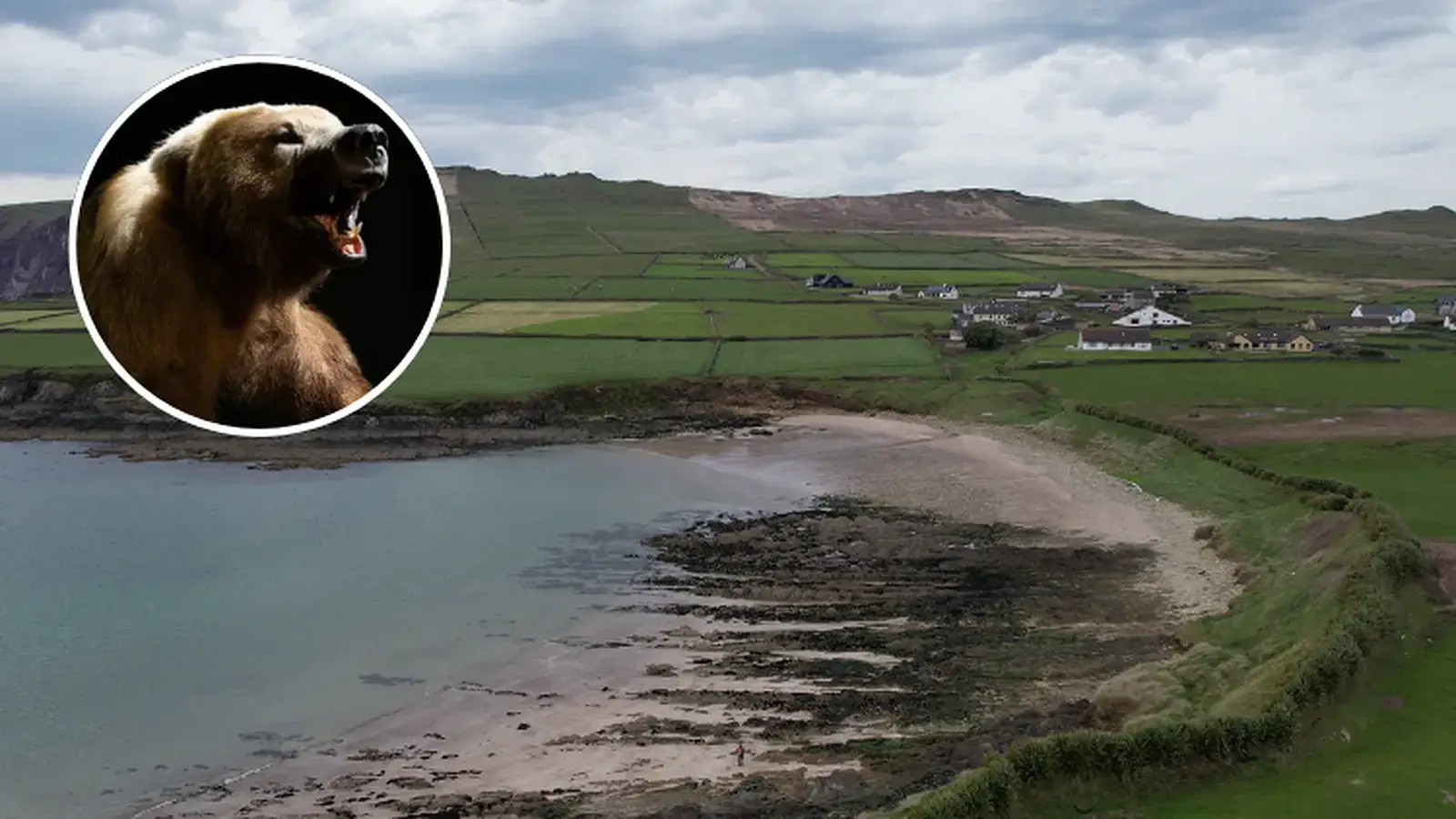
Ireland’s Famous ‘Kerry Cow’ Was Never a Cow — And Its True Identity Changes a Prehistoric Story
For more than three decades, a handful of bone fragments from a windswept cove in western Ireland appeared to preserve evidence of a remarkable prehistoric encounter. They were thought to show that domesticated cattle—and perhaps the first farmers—had reached Ireland before agriculture became established on the island. The celebrated “Kerry Cow,” however, was never a…
-
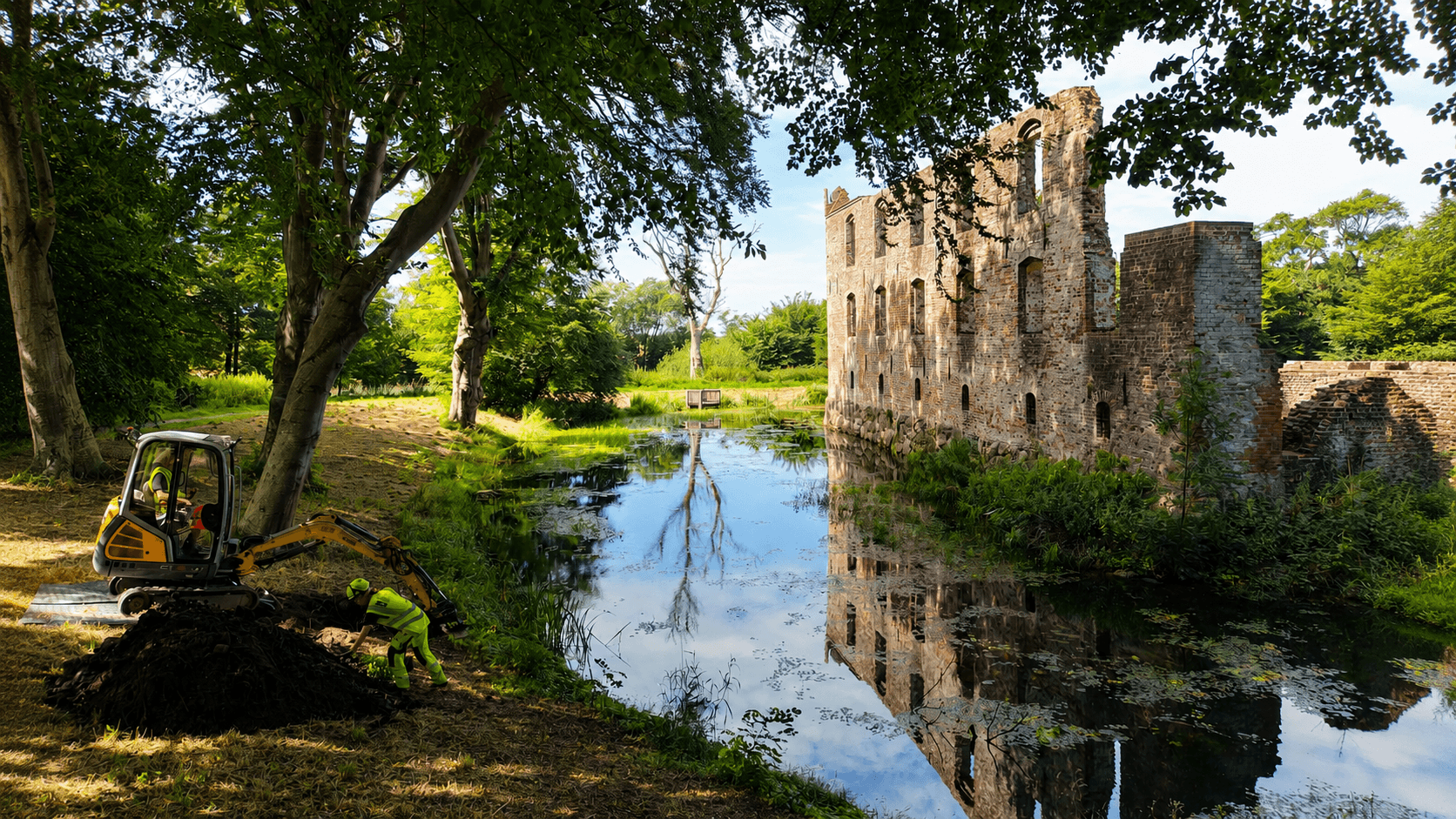
Wooden Foundations Found Beneath the Entrance to Denmark’s Trøjborg Castle
Worked wooden piles uncovered at the entrance to Denmark’s Trøjborg Castle may belong to a former gatehouse. Tree-ring dating could reveal whether they formed part of the medieval fortress or the Renaissance castle built over it centuries later. Archaeologists from Museum Sønderjylland encountered the timbers while monitoring construction at the protected castle ruin near Visby…
-
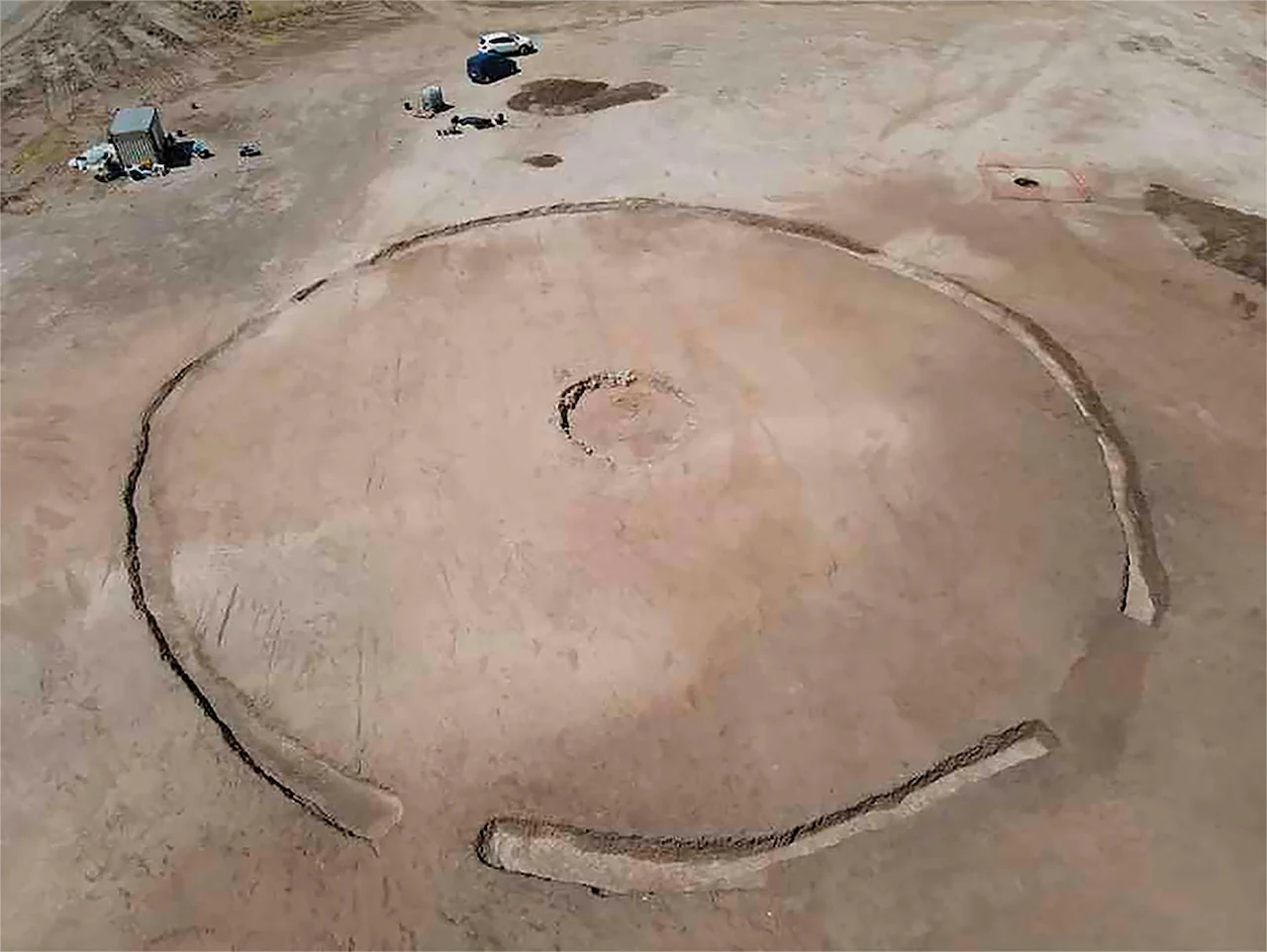
6,000-Year-Old Planned Necropolis in Toledo Shows Inland Iberia Built Monuments Earlier Than Expected
The Valdelasilla megalithic necropolis in Toledo is pushing one of Iberian archaeology’s major questions away from the coast and into the heart of central Spain. Beneath a gently sloping field in Illescas, not far from the Tagus River basin, archaeologists have identified the oldest known monumental necropolis in the interior of the Iberian Peninsula. New…
-
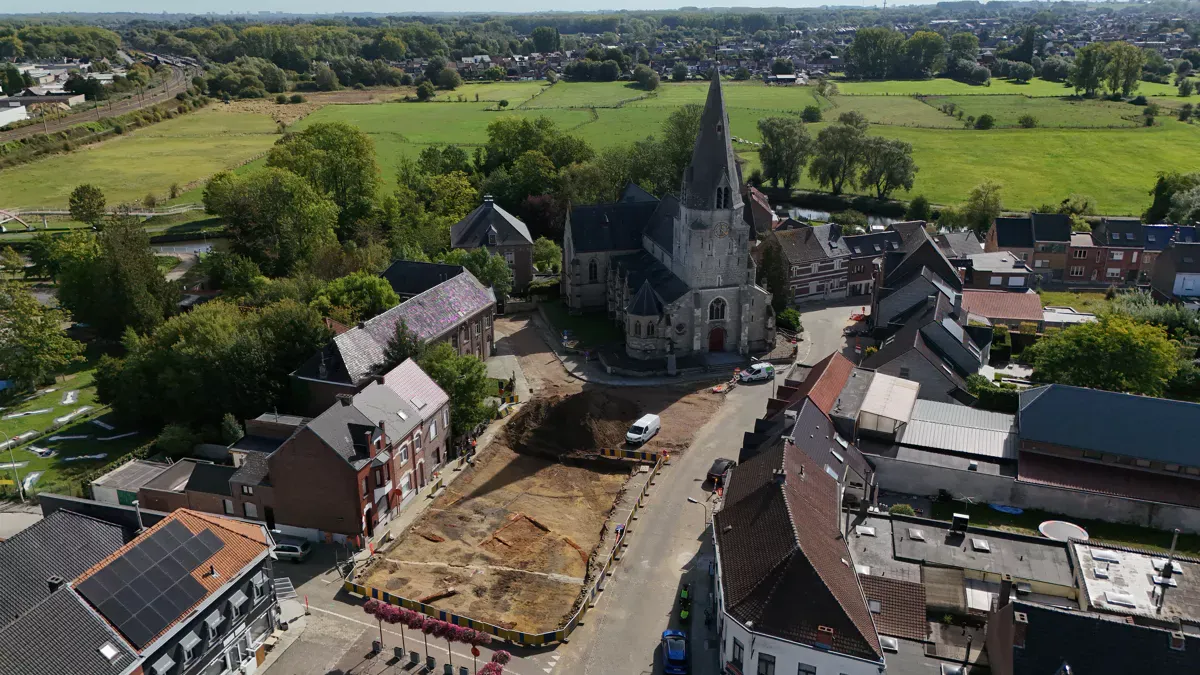
A Medieval Village Hidden Beneath a Belgian Town Center Kept Its Shape for 1,000 Years
A medieval village plan has been found beneath the modern center of Denderleeuw in East Flanders, revealing how a moated residential compound shaped the Belgian town’s layout for nearly 1,000 years. The discovery was made during archaeological excavations near the local church, where researchers uncovered traces of a 10th-century settlement surrounded by a moat. The…
-
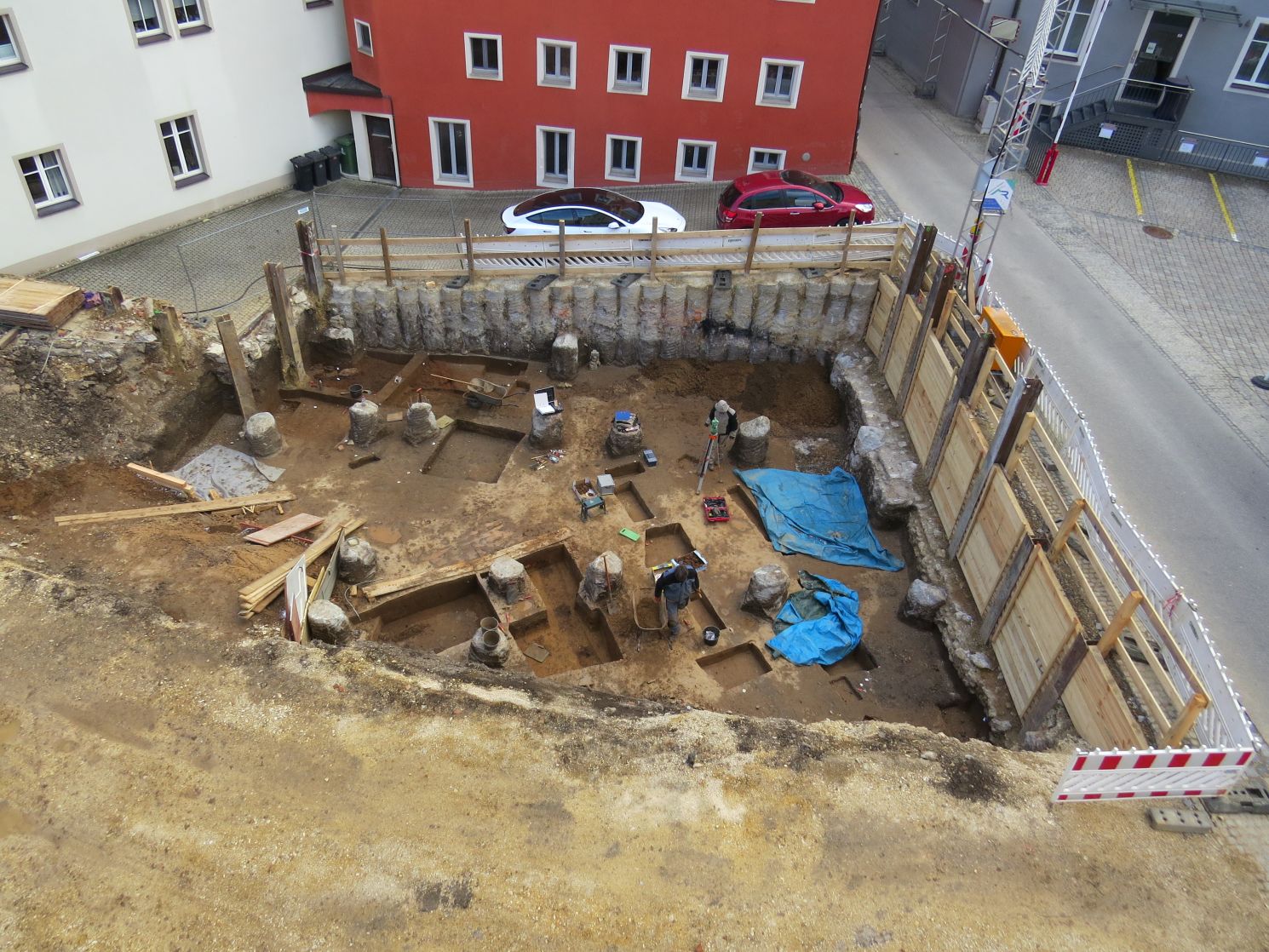
A Hidden Mithras Temple Found Beneath Regensburg Reveals Bavaria’s Oldest Roman Cult Site
In the very center of Regensburg, where medieval streets and baroque façades dominate the eye, something far older has surfaced. Quietly. Almost accidentally. What began as a routine archaeological assessment in the Old Town has led to one of the most consequential Roman discoveries in Bavaria in years: the remains of a Mithraeum—a sanctuary dedicated…
-

Europe’s Lost Black Death Graves Found: Scientists Identify First Systematically Proven Plague Mass Burial
A long-missing chapter of medieval Europe’s deadliest pandemic is finally emerging from the ground An interdisciplinary research team has identified compelling evidence of a Black Death mass grave near the abandoned medieval village of Neuses, just outside Erfurt. The discovery represents the first systematically identified plague burial site in Europe, offering rare physical confirmation of…
-
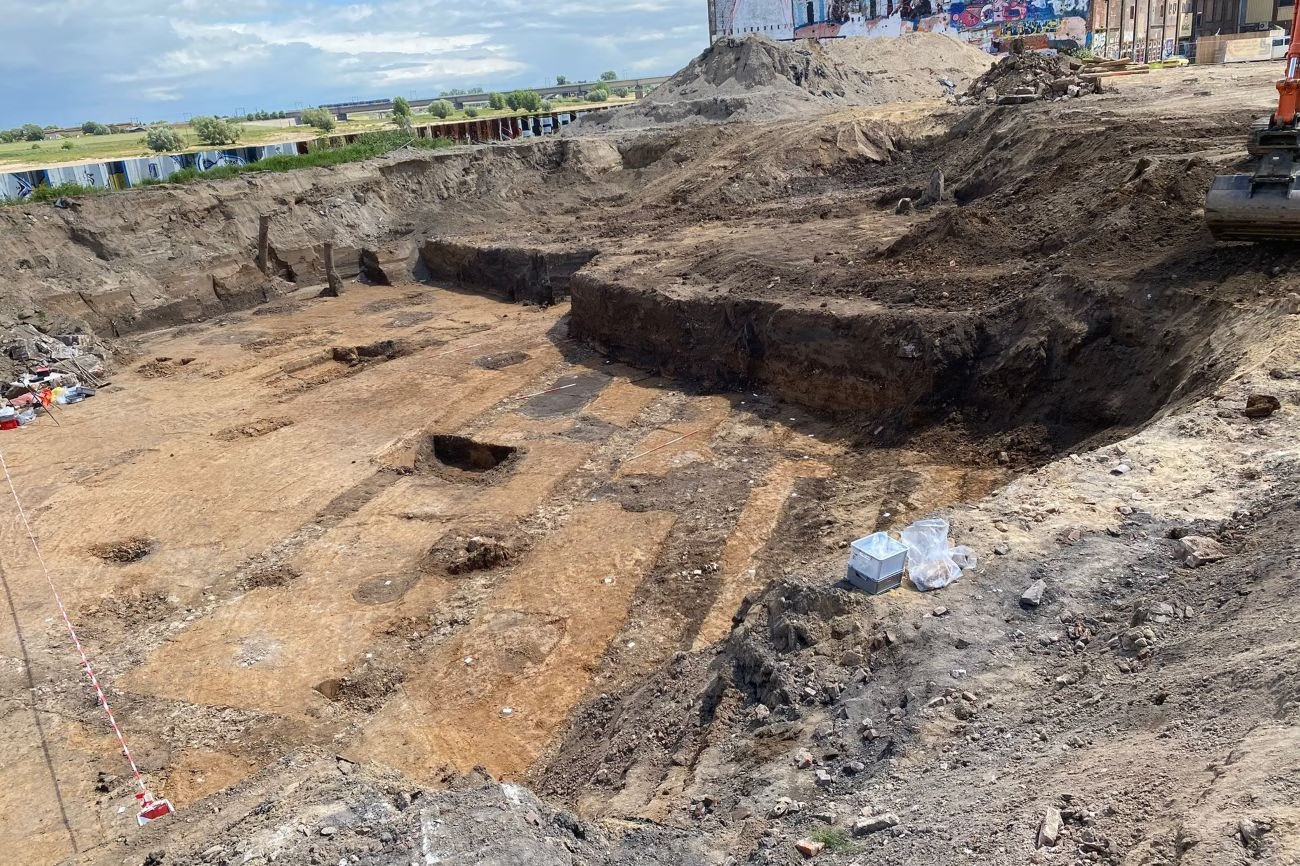
Monumental Roman-Era Structure Unearthed in Nijmegen: A Hidden Chapter Revealed by the River
In a groundbreaking archaeological discovery, a large Roman-era structure has been uncovered during excavations in the Waalfront district of Nijmegen, Netherlands. The find, located near the banks of the Waal River, is believed to have served a significant public function in the ancient Roman city of Ulpia Noviomagus. Measuring at least 30 by 35 meters,…