-

1,800-Year-Old Sword Fitting Preserves a Flash of Color at Roman Vindolanda
An enamelled Roman sword fitting has emerged from a second-century layer at Roman Vindolanda, the frontier fort near Hadrian’s Wall in northern England. Although small enough to fit in one hand, the object preserves a detail rarely associated with the popular image of the Roman army: color. The copper-alloy fitting has been identified as a…
-
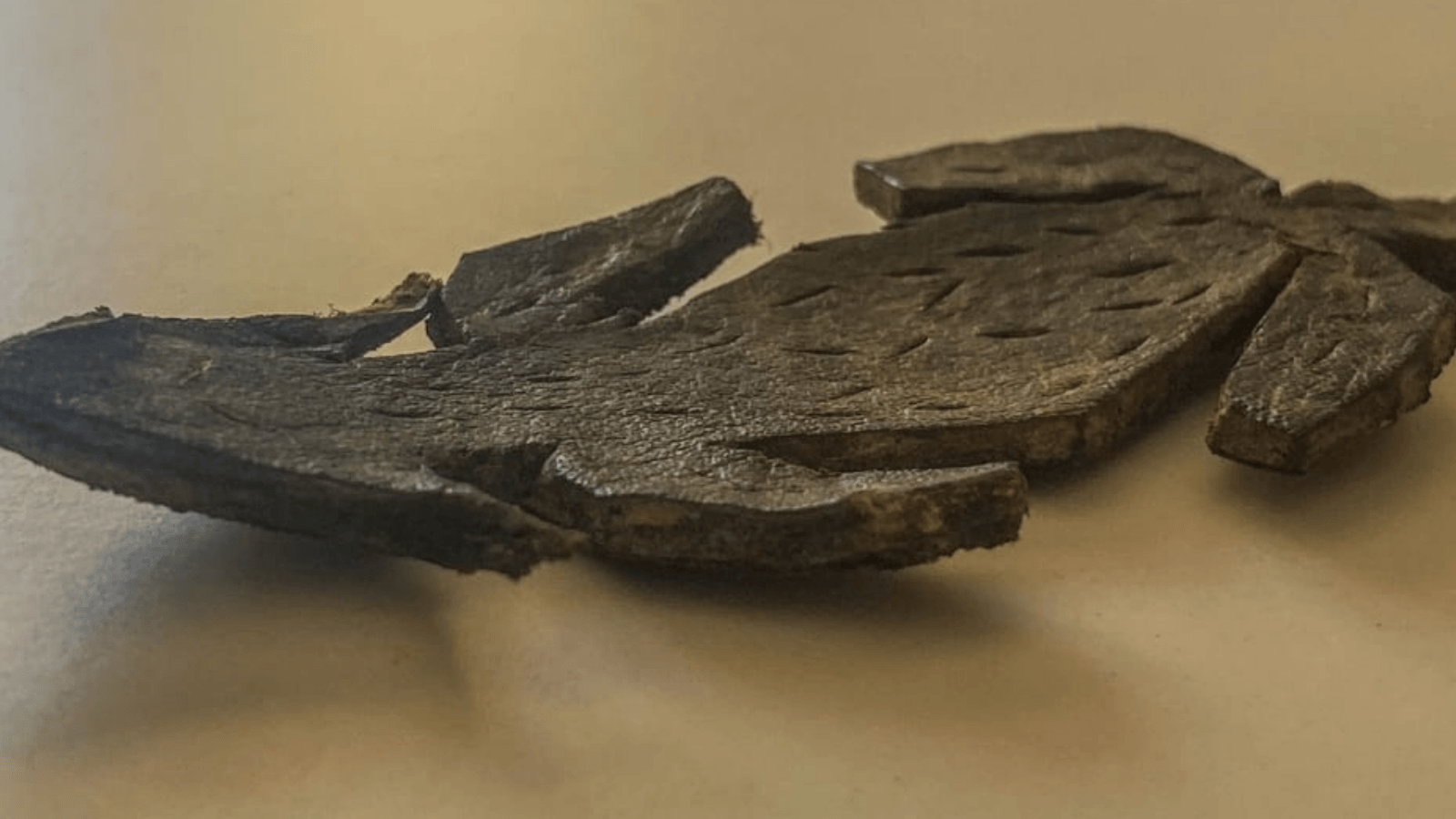
2,000-Year-Old Leather “Mouse” Comes Out of Storage at Roman Vindolanda
A tiny piece of leather cut into the shape of a mouse has emerged from the vast collections of Roman Vindolanda, offering an unusual glimpse into the lighter side of life on Rome’s northern frontier. The Vindolanda Trust highlighted the object this week as part of its weekly “Shoesday” series, which celebrates the site’s remarkable…
-
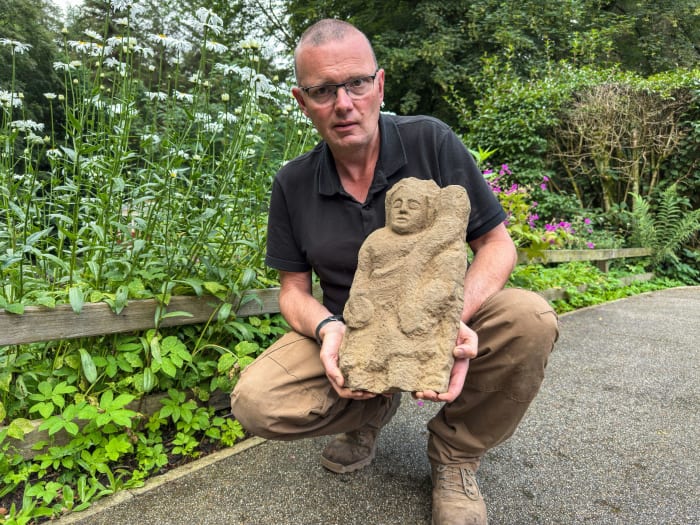
Roman Guardian Spirit Found Beneath a Vindolanda Barrack Floor After 1,600 Years
A carved Roman guardian spirit has been discovered face down beneath the floor of a fourth-century barrack at Vindolanda in northern England. The sandstone relief, probably once displayed in a small shrine, had later been reused as a paving stone, preserving its carved surface for more than 1,600 years. Dr Andrew Birley, director of excavations…
-
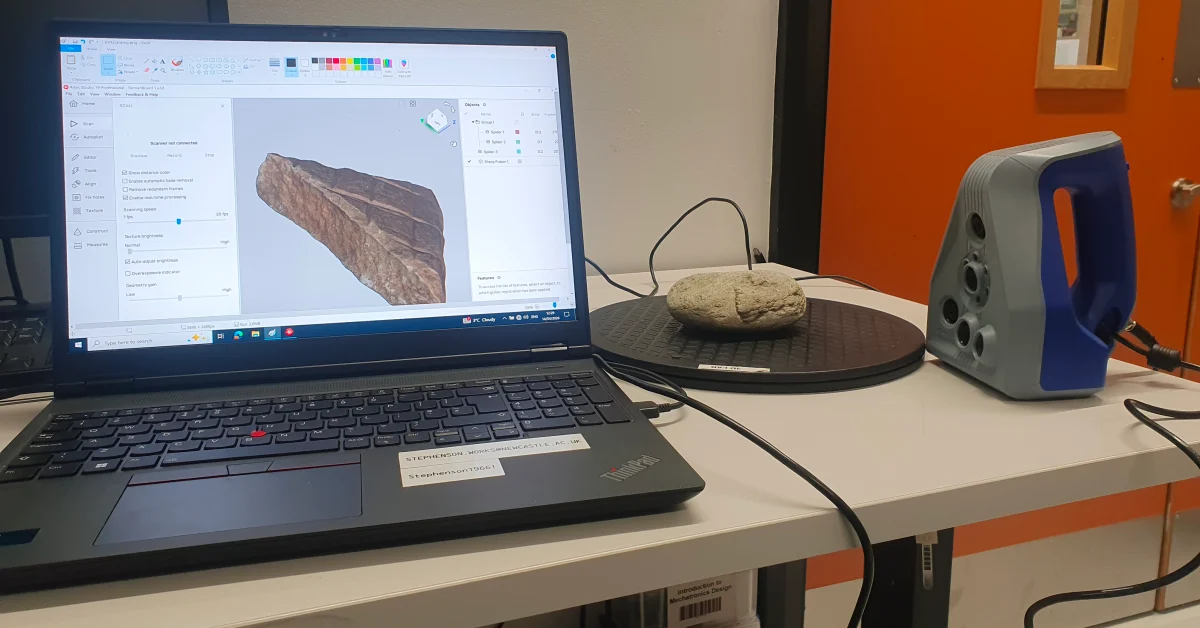
A 1,700-Year-Old Roman Board Game from Vindolanda Is Playable Again Thanks to 3D Printing
A 1,700-year-old Roman board game excavated at Vindolanda, one of the most important archaeological sites on Hadrian’s Wall, has been made playable again through 3D scanning and 3D printing. The replica allows visitors to handle and play a version of the game while the original stone board remains protected. The project centers on a stone…
-

Tiny Roman Good-Luck Charm Found at Carlisle Reveals the Superstitions of Life on Hadrian’s Wall
A tiny Roman good-luck charm found in northern England has brought archaeologists closer to the private fears, hopes and protective rituals of people who lived on Rome’s frontier nearly 1,800 years ago. The phallus-shaped Roman artefact was discovered during excavations at Carlisle Cricket Club in Cumbria, where archaeologists have been investigating the remains of a…
-
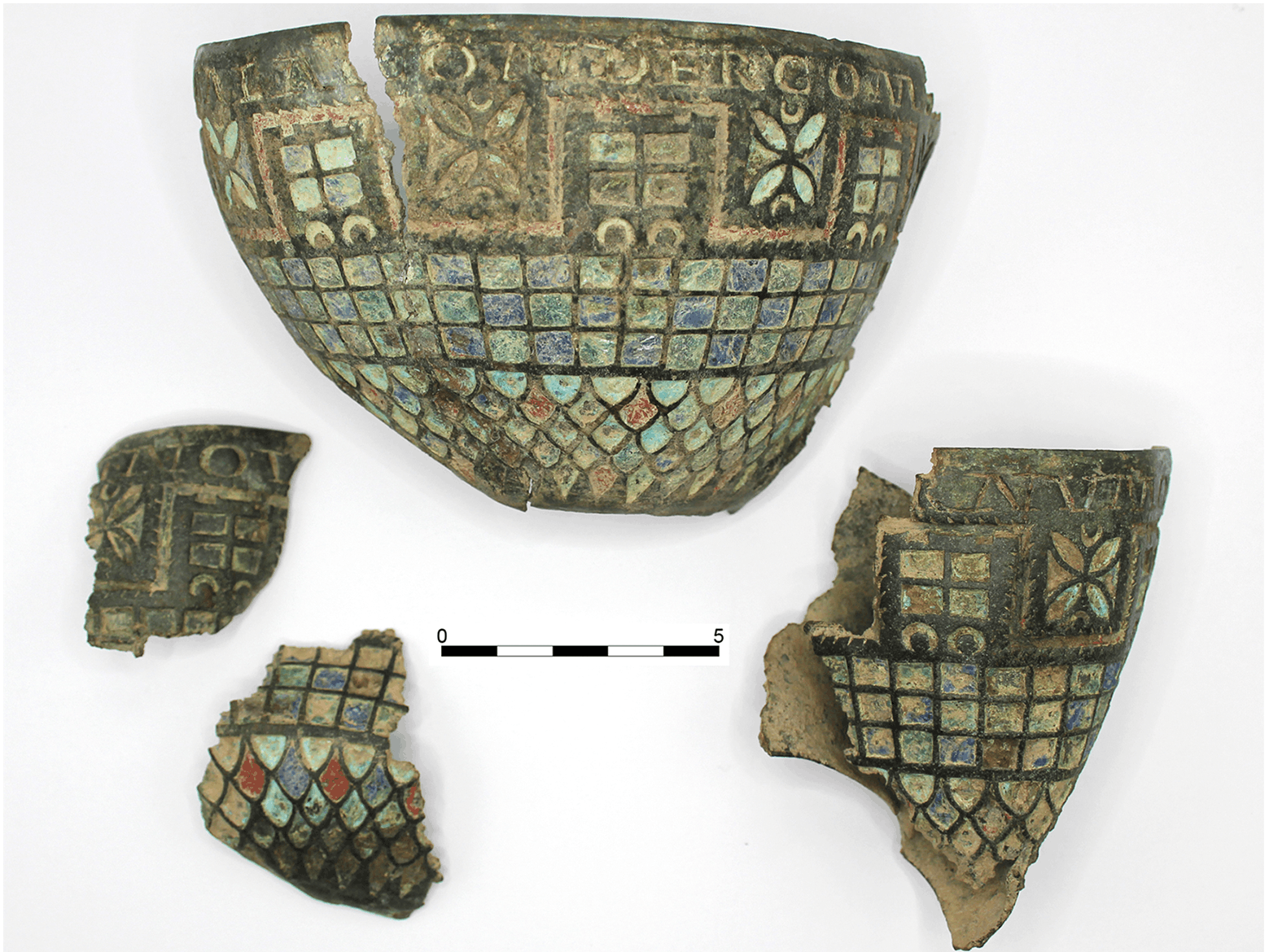
2,000-Year-Old Berlanga Cup Found in Spain May Trace a Roman Soldier’s Journey from Hadrian’s Wall
A Roman soldier may have carried this small bronze cup nearly 2,000 kilometers across the empire. Now found in central Spain, the object—known as the Berlanga Cup—is doing something rare in archaeology. It does not just tell us where it was made. It hints at who carried it, where he served, and what he chose…
-

Large Iron Key Unearthed at Vindolanda Suggests Life Continued After Rome Left Britain
A large iron key discovered at Vindolanda is shedding new light on daily life in Britain after the end of Roman rule in the early 5th century AD. The find, made within a sub-Roman structure dated to the period following the Roman withdrawal from Britain, offers tangible evidence that the site remained in use after…
-
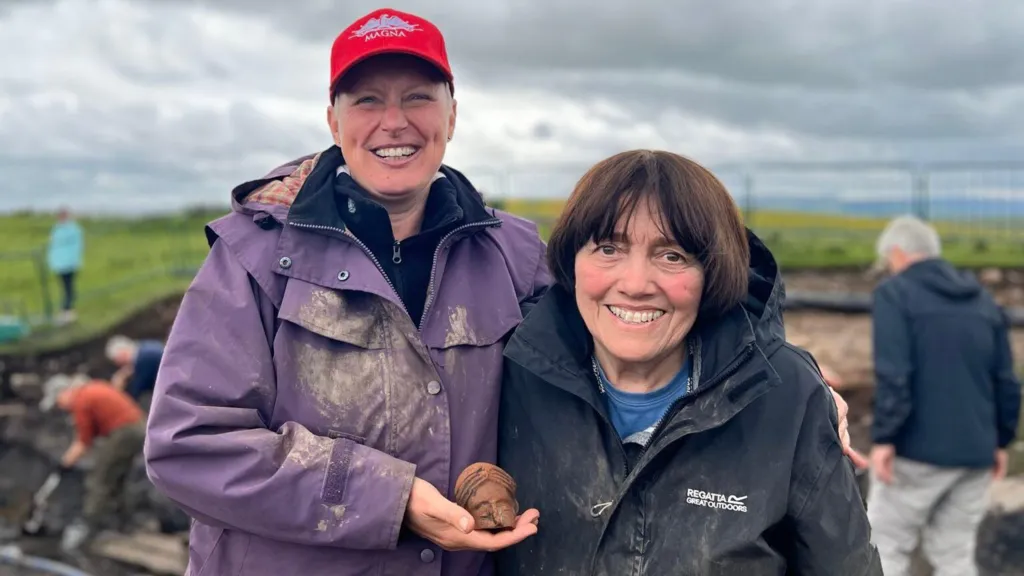
Volunteers Unearth Rare Roman Terracotta Head at Magna Fort
A routine excavation along the northern defences of Magna Roman Fort has produced an unexpected and unusually intimate discovery — a small terracotta head, recovered not by a senior specialist, but by two volunteers working side by side in the trench. Rinske de Kok and Hilda Gribbin were carefully clearing soil when the fired clay…