-

Two Unknown Human Lineages Still Survive in Modern DNA, One Traces Back 1.8 Million Years
Modern human DNA appears to preserve traces of two ancient human populations that scientists have never identified directly from ancient genomes. One of those lineages may reach back to a population that split from other human ancestors roughly 1.8 million years ago. The finding comes from a new study published in Science, in which UC…
-
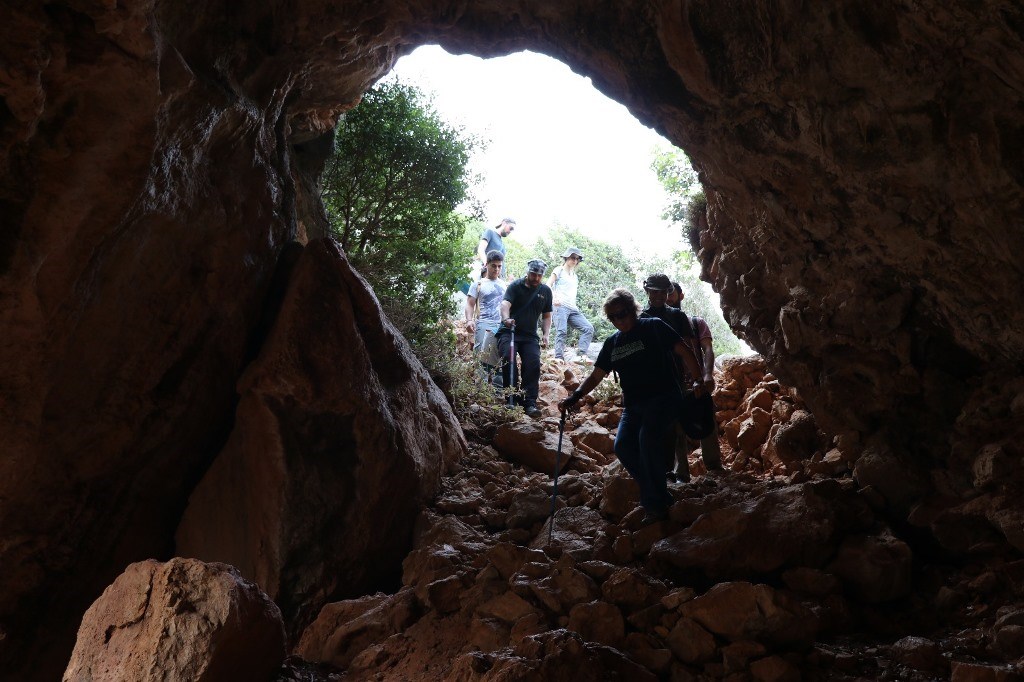
Türkiye Cave Reveals 20,000 Years of Cultural Continuity Between Neanderthals and Modern Humans
Archaeologists working at Üçağızlı II Cave in Hatay, southern Türkiye, have uncovered evidence that may reshape how researchers understand the transition from Neanderthals to modern humans in the northern Levant. A new study published in Proceedings of the National Academy of Sciences reports long-term cultural continuity across more than 20,000 years of occupation at the…
-

100,000-Year-Old Burned Human Bones in Ethiopia May Reveal Earliest Trace of Cremation
On a floodplain in Ethiopia’s Afar Rift, early Homo sapiens left behind stone tools, animal bones and human remains that open an unusually close window onto life and death 100,000 years ago. A new study published in Proceedings of the National Academy of Sciences reports discoveries from the Halibee Member of the Dawaitoli Formation, part…
-

Before Homo sapiens Had a Name: 773,000-Year-Old Fossils in Morocco Redraw Humanity’s Deepest Roots
For decades, the search for humanity’s deepest origins revolved around a familiar map: East Africa as the unquestioned cradle, Europe as the stage for later divergence, and the Sahara as a vast biological wall in between. New fossil evidence from Morocco now forces a fundamental reassessment of that narrative. At a quarry on the Atlantic…
-
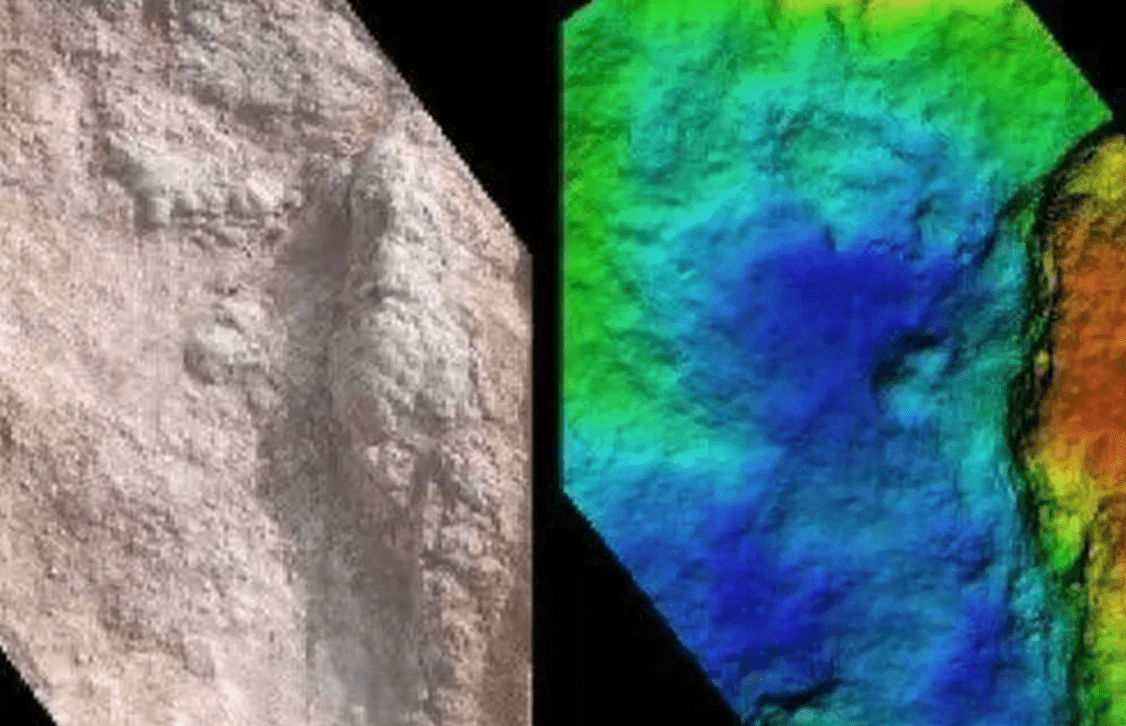
Oldest Human Footprints in the Middle East Found in a Vanished Lake, Dating Back 115,000 Years
Northern Arabia’s windswept desert has revealed a moment frozen in deep time: seven remarkably preserved human footprints stamped into the floor of an ancient lake that vanished more than 100,000 years ago. According to a new study, these prints represent the earliest known evidence of human presence anywhere in the Middle East — a fleeting…
-
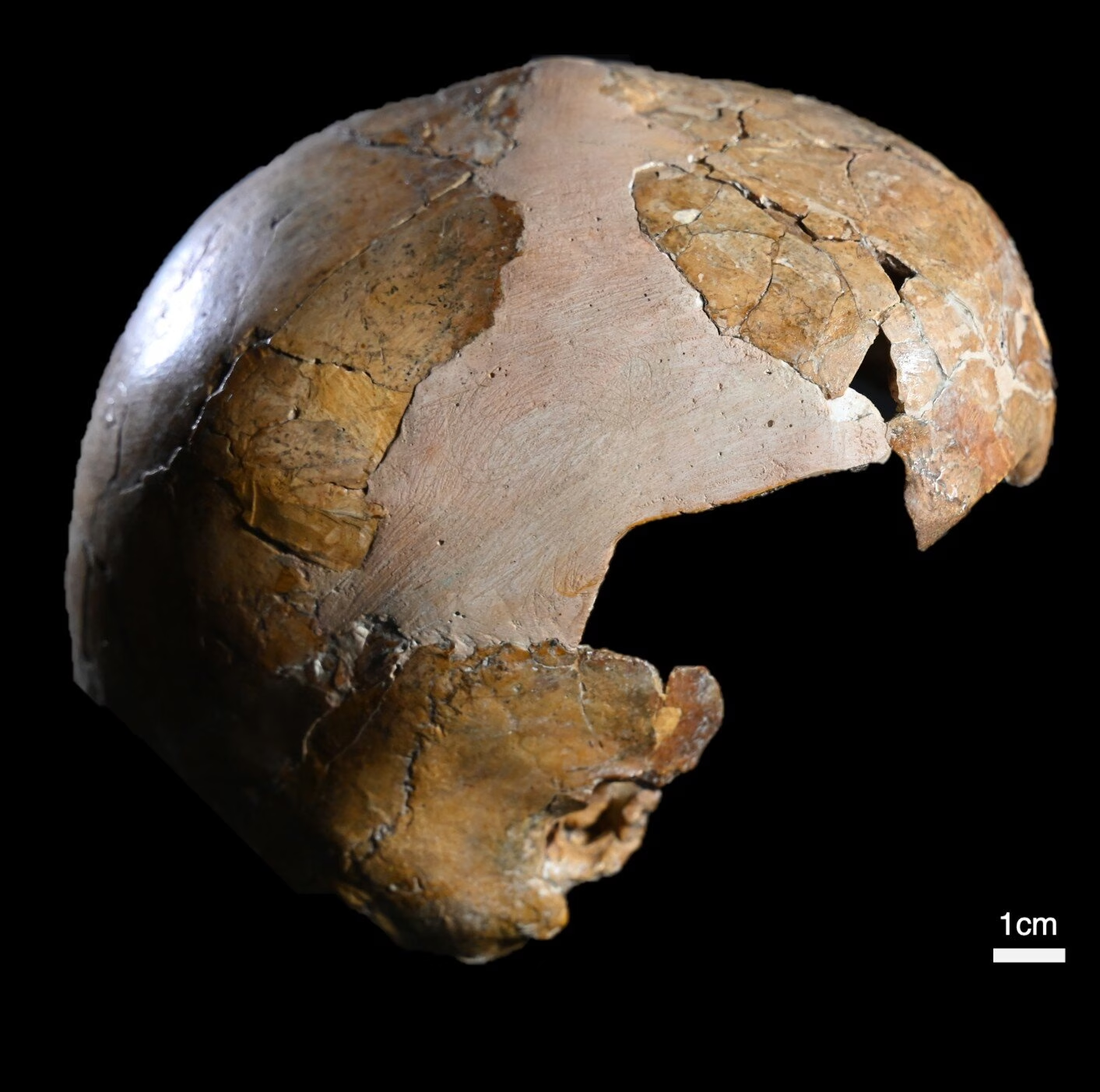
140,000-Year-Old Child Fossil Reveals Early Neanderthal–Homo sapiens Interactions in the Levant
A 5-year-old child skeleton discovered nearly 90 years ago in Skhul Cave on Mount Carmel exhibits both Neanderthal and Homo sapiens traits. According to an international team from Tel Aviv University and the French National Center for Scientific Research (CNRS), this fossil represents the earliest physical evidence of social and biological interactions between the two…
-
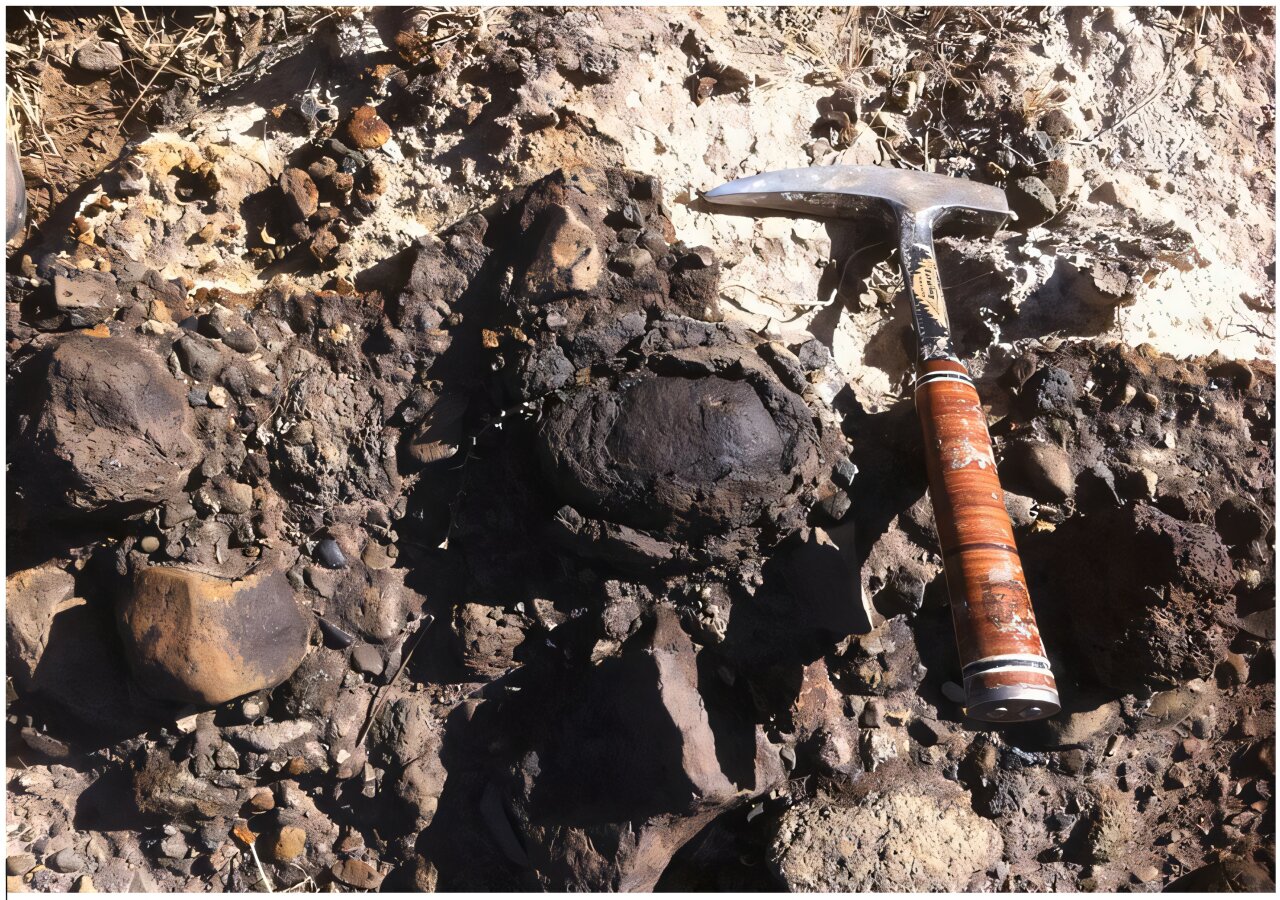
1 Million-Year-Old Stone Spheres: Were They Hominin’s Hidden Tools?
A new study conducted in the Melka Kunture region of Ethiopia reveals that naturally occurring basalt spheres may have been used as tools by early hominins for over 1 million years. Dr. Margherita Mussi’s work, published in Quaternary International, sheds light on the role of these mysterious stones in the lives of our early human…