-
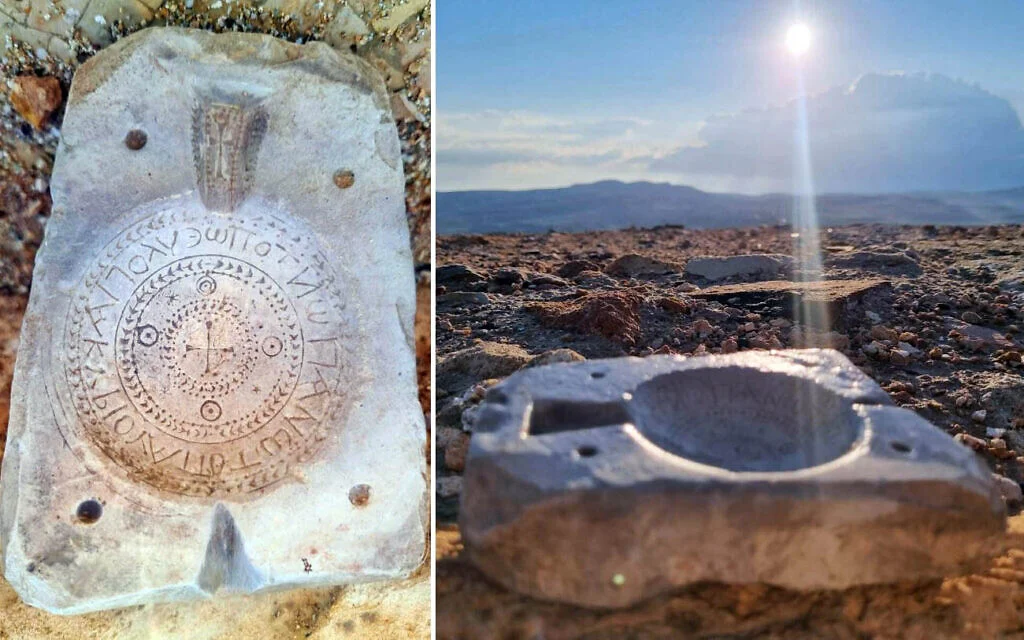
A Byzantine Pilgrimage Industry Revealed by a 1,400-Year-Old Souvenir Mold in the Judean Desert
Archaeologists working at Hyrcania, a remote hilltop complex in the Judean Desert, have uncovered a rare limestone mold that once produced small pilgrimage flasks more than 1,400 years ago. The discovery offers unusually direct evidence for how Christian pilgrimage functioned not only as a spiritual journey, but also as a localized craft economy during Late…
-
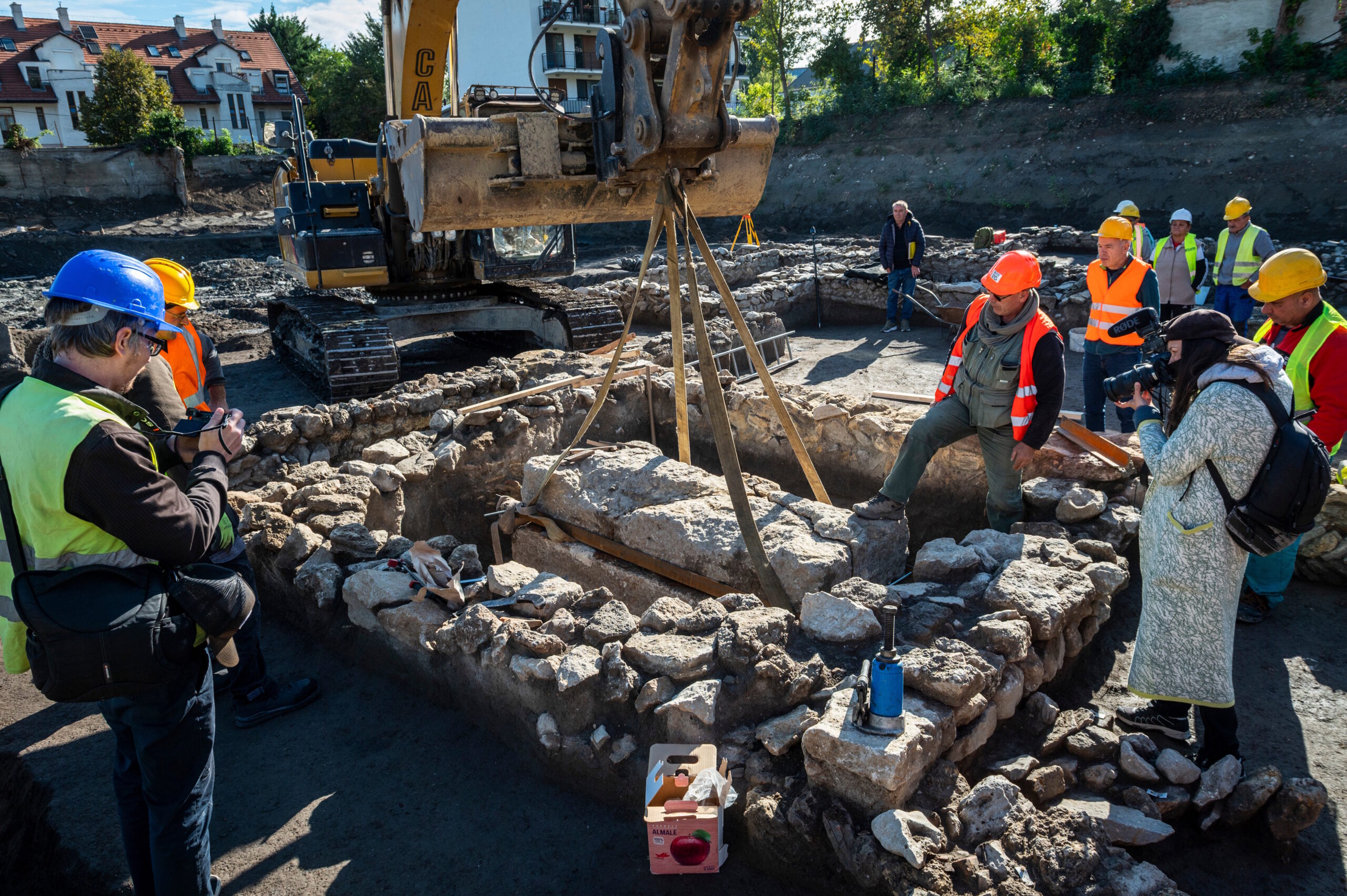
A Sealed Roman Sarcophagus in Budapest Uncovers the Life of a Young Woman Buried With Extraordinary Treasures
When archaeologists in Budapest lifted the heavy limestone lid of a Roman sarcophagus—still sealed after 1,600 years—they had little idea how well its interior had survived. As the dust settled, the outline of a young woman appeared, surrounded by a collection of grave goods so finely preserved that the entire burial instantly became one of…
-
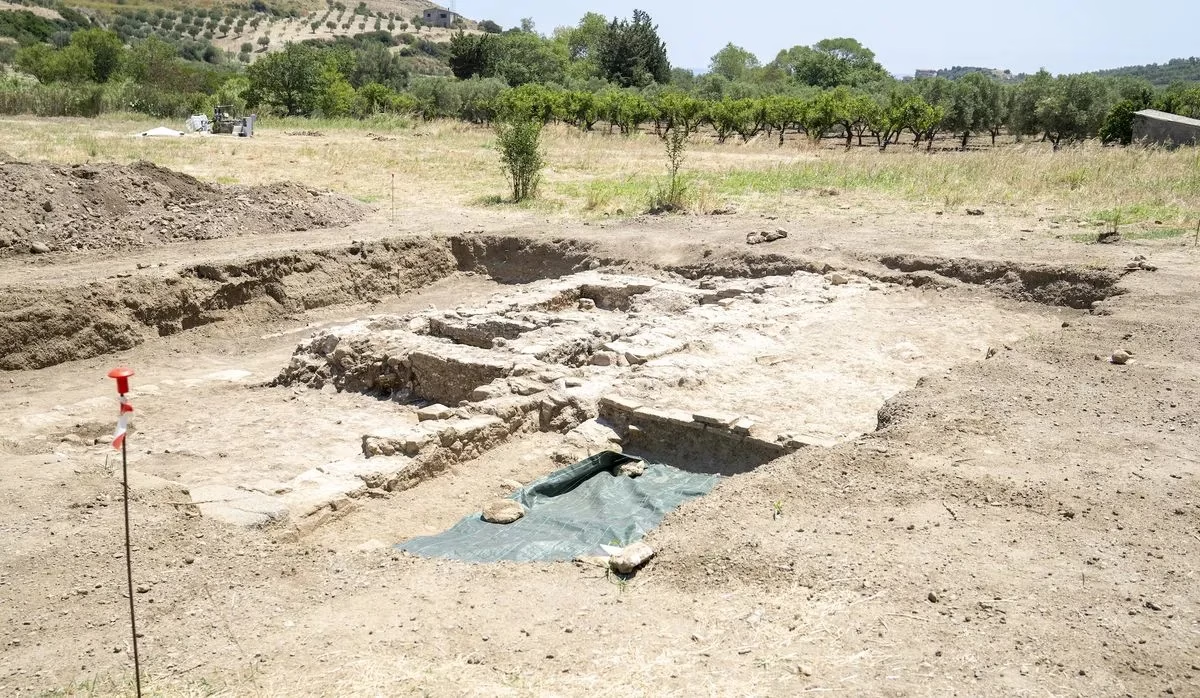
Unearthed in Southern Italy: Roman Villa Offers New Clues to Saint Cassiodorus and His Vanished Monastery
Archaeologists have uncovered the remains of a monumental Roman villa in the Ceraso area of Squillace, southern Italy, shedding new light on settlement patterns in the late antique period and potentially offering rare evidence linked to Saint Cassiodorus — a renowned sixth-century Christian scholar, politician, and monastic founder. The excavation, led by the Pontifical Institute…
-
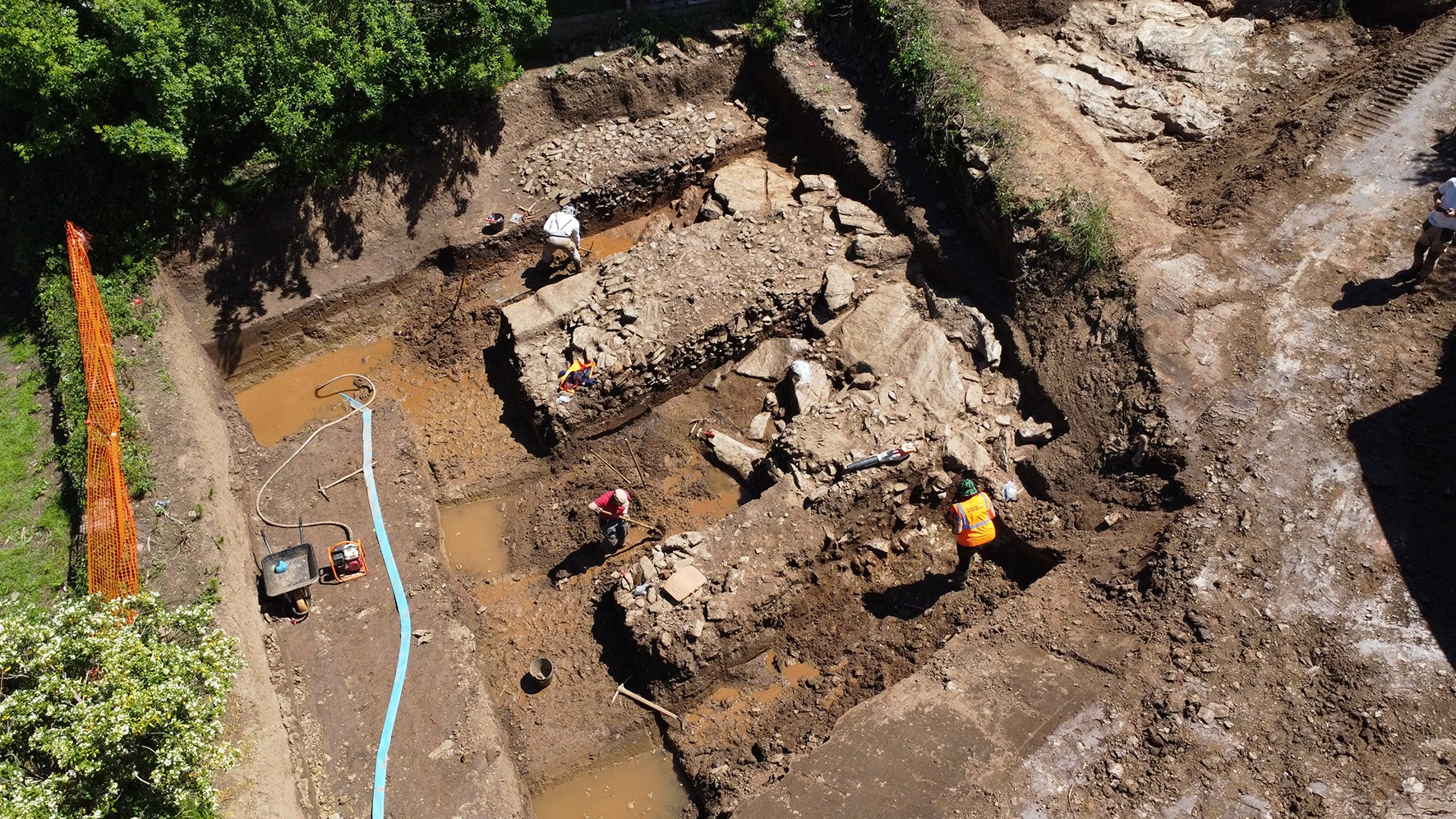
Ancient Port Structure from Late Antiquity Discovered in Corsica
Archaeologists uncover a rare 4th–5th century A.D. dock on the northern tip of Corsica, offering new insights into the island’s Roman past. An archaeological excavation in Cap Corse, a remote peninsula at the northern edge of Corsica, has revealed the remains of an ancient port structure dating back to the Late Antiquity period (4th–5th centuries…