-
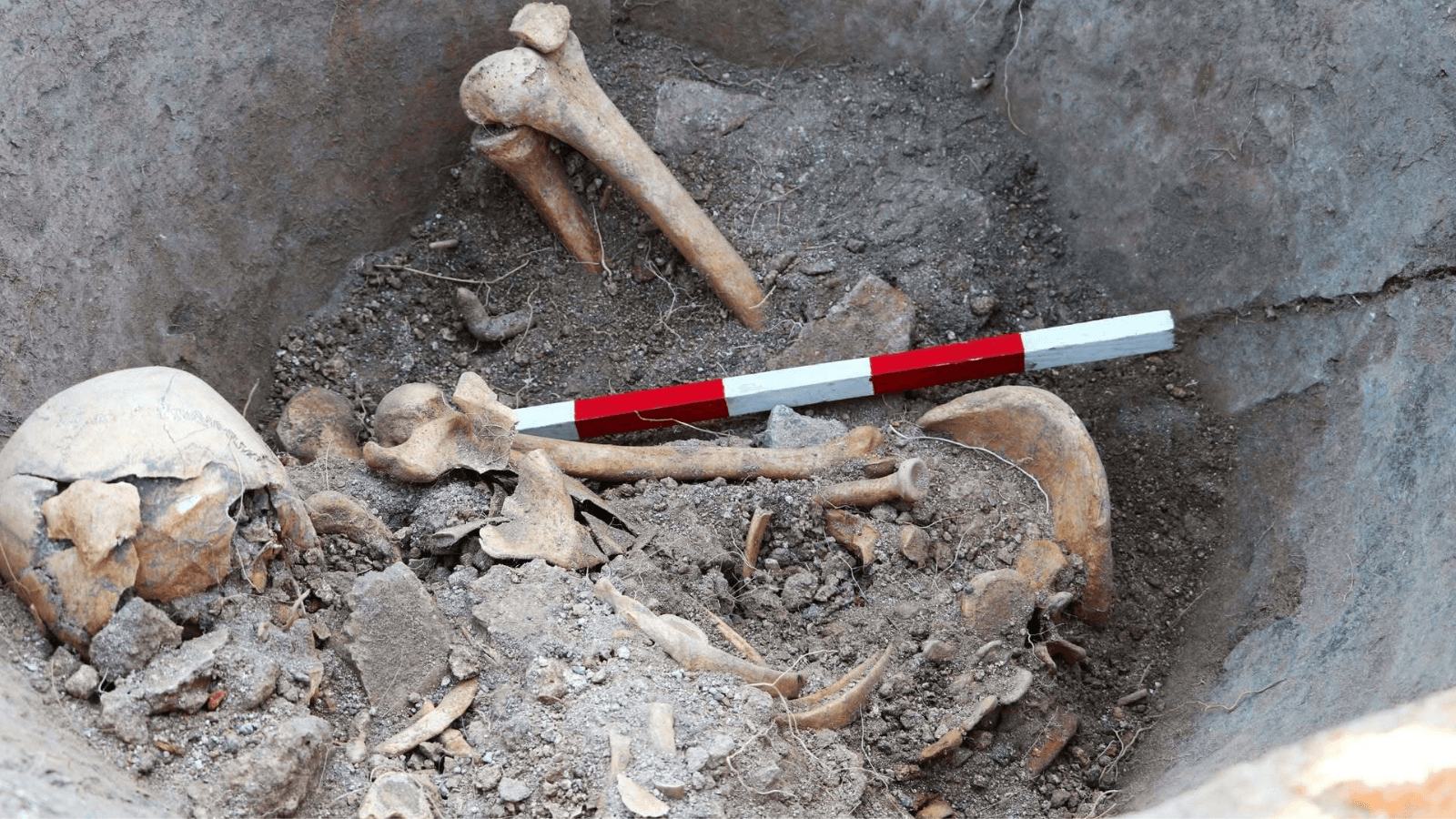
1,600-Year-Old Skeleton Found Curled Inside a Giant Roman Jar in Bulgaria
Archaeologists excavating the Roman city of Deultum in Bulgaria have uncovered a 1,600-year-old skeleton inside a giant ceramic storage vessel. The individual may have climbed into the jar as fire and violence engulfed the city—then died without attempting to escape. The remains were discovered on August 10 in the northern tower of Deultum’s western gate,…
-
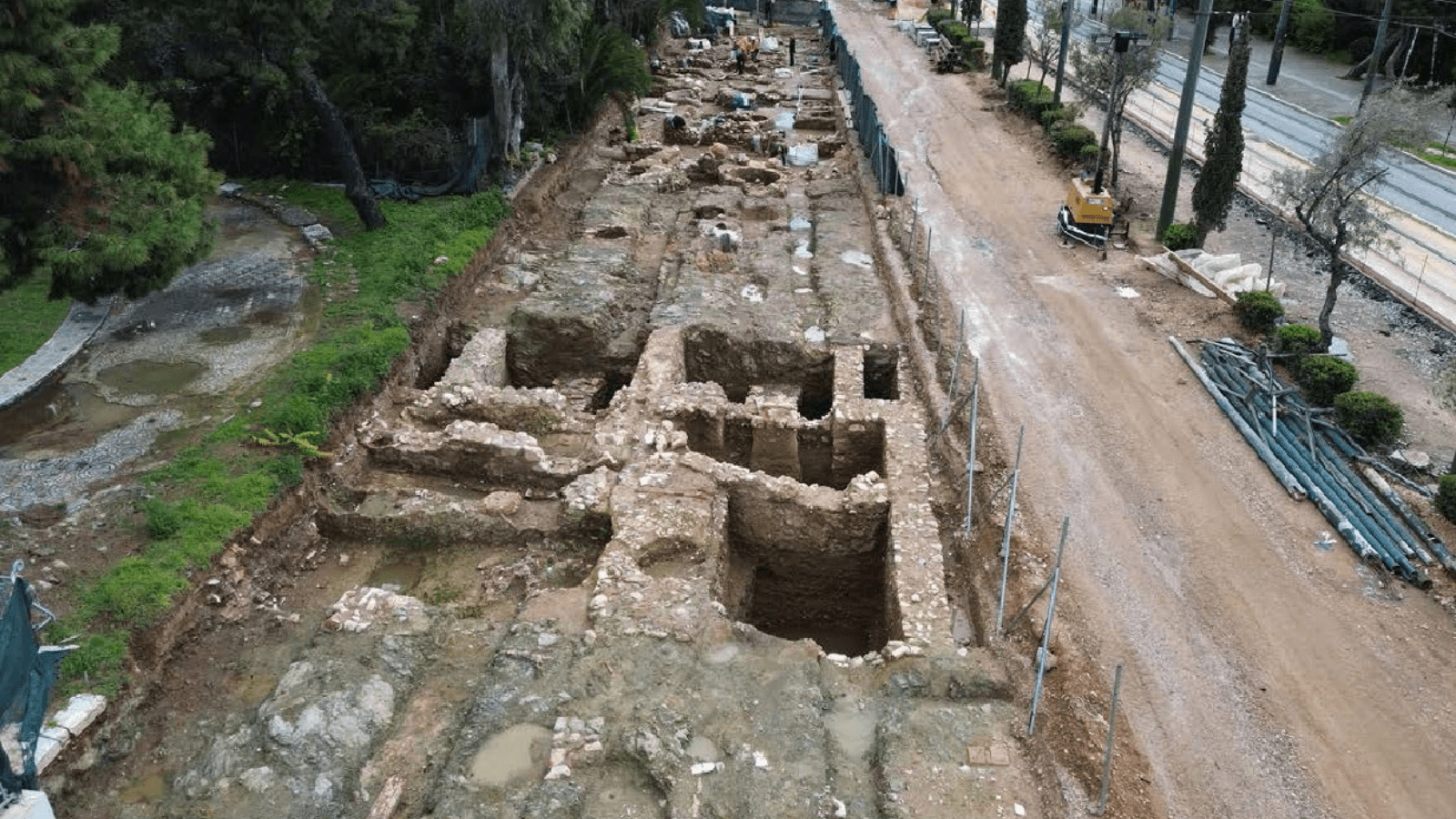
Athens Reveals a 60-Room Roman Complex Above an Even Older Defensive Ditch
Beneath a major avenue in central Athens lies an extraordinary sequence of the city’s past: a sprawling Roman complex with more than 60 rooms, built directly above a much older defensive ditch associated with the fortifications of Classical Athens. The remains were uncovered during rescue excavations along Vasilissis Olgas Avenue, close to the Temple of…
-
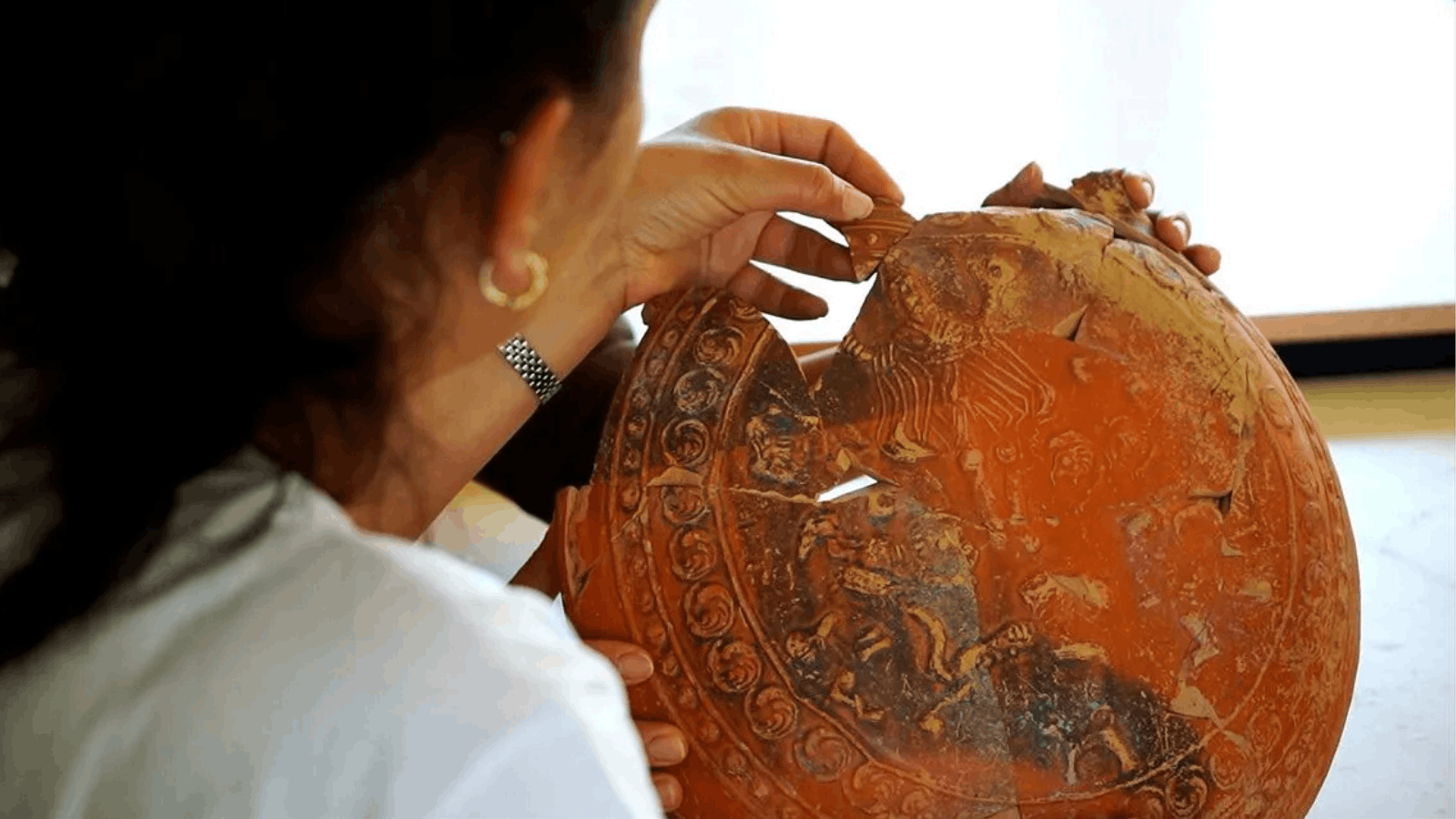
A Unique 1,500-Year-Old Vessel Depicting Daniel’s Four Beasts Discovered at Pisidian Antioch
A 1,500-year-old liturgical vessel discovered at Pisidian Antioch carries a scene that archaeologists say has no known parallel in Christian art: Daniel shown together with all four beasts from his biblical vision. The two-handled vessel dates to the 6th century AD and was uncovered during excavations in the ancient city’s Christian complex in Yalvaç, southwestern…
-
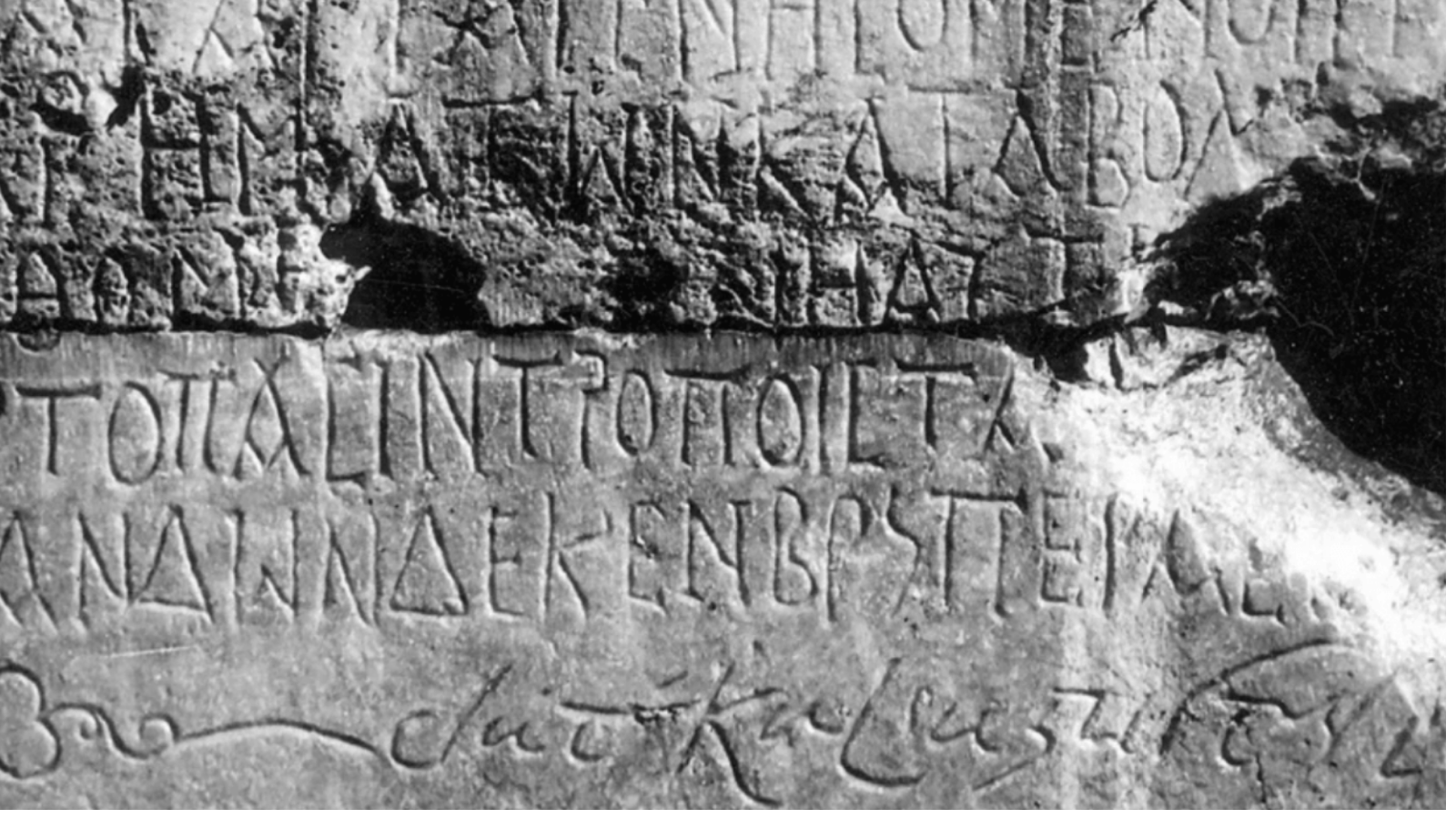
Blank Receipts Hid a 1,500-Year-Old Roman Tax Scandal in Western Anatolia
In AD 480, a Roman tax scandal in western Anatolia pushed one of the Eastern Roman Empire’s highest officials to threaten dishonest collectors with death. Before the year was over, he too had been sentenced to die. Newly identified inscription fragments from Stratonikeia are now filling gaps in the decree behind the affair. The text…
-
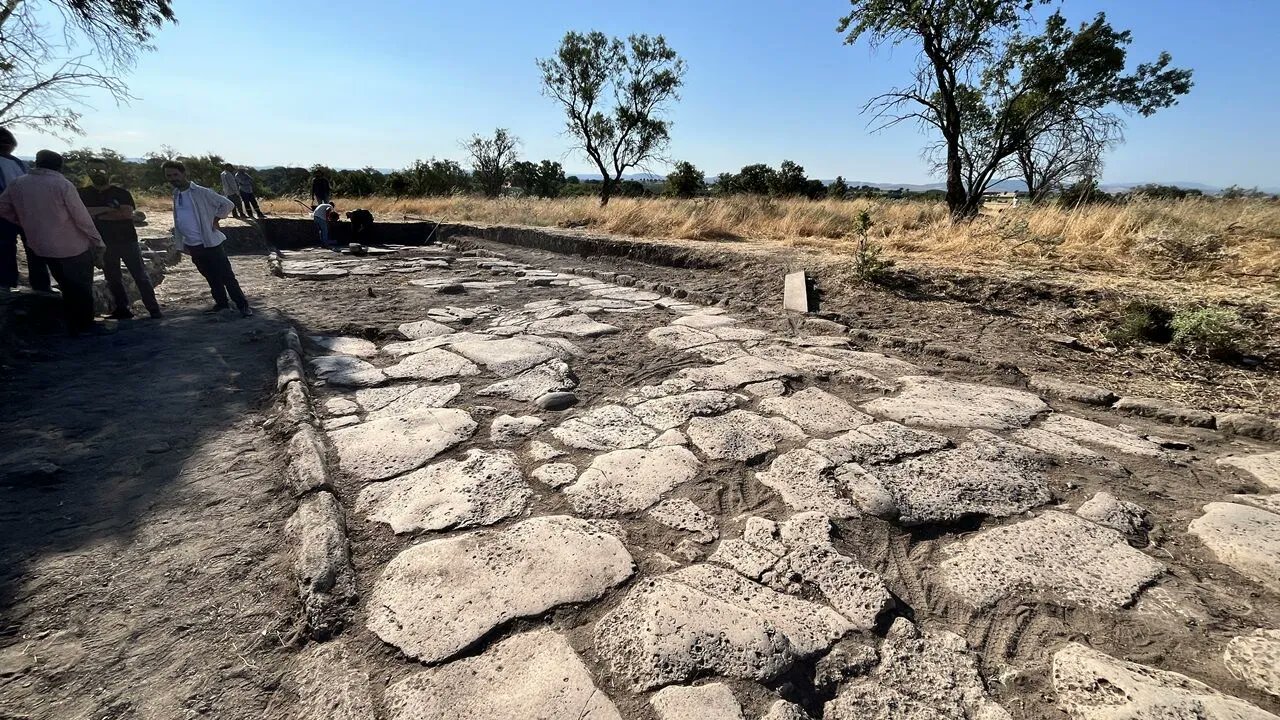
Scars of a 1,500-Year-Old Earthquake Uncovered on a Roman Street in Troy
Archaeologists excavating the ancient city of Troy have uncovered clear traces of a powerful earthquake that struck the settlement approximately 1,500 years ago. The damage was identified along a monumental Roman street in Troy’s lower city, where collapsed architectural remains preserve evidence of one of the final major disasters to affect the ancient settlement. Prof.…
-
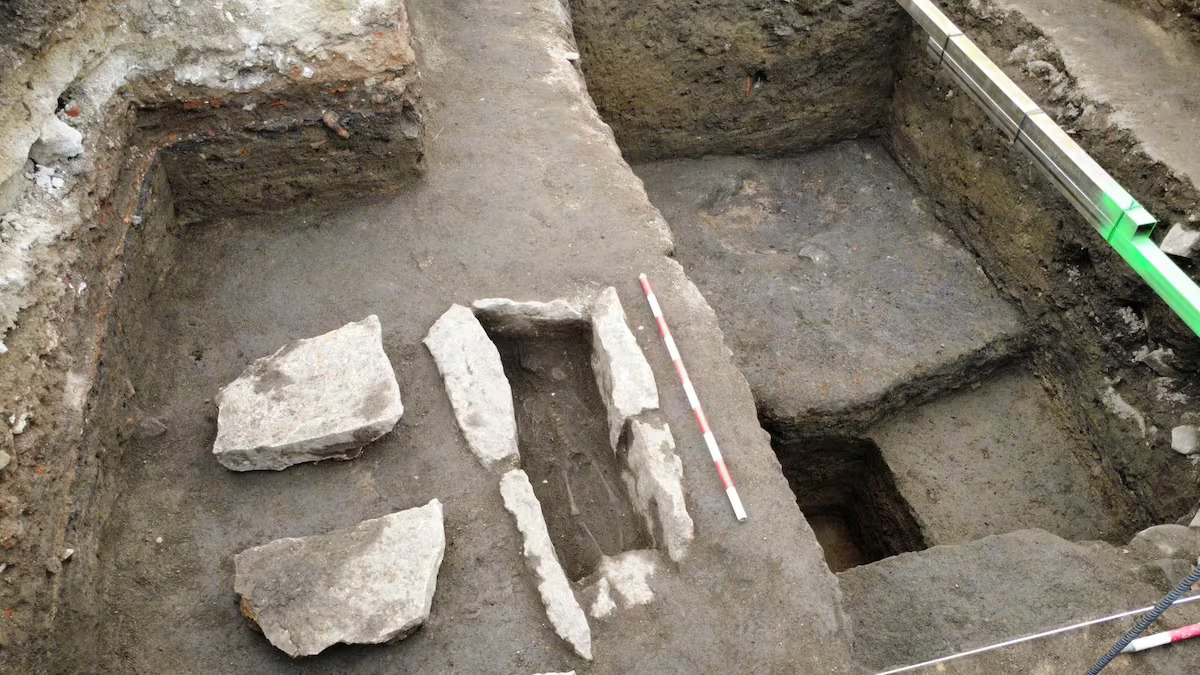
1,500-Year-Old Child Grave at Ávila’s Ancient Gate May Reflect a Protective Ritual
An intact grave containing the remains of a very young child has been uncovered directly outside one of the principal entrances to the historic city of Ávila in central Spain. The child, believed to have been approximately 18 months old, was buried alone and carefully aligned with the entrance now marked by the monumental San…
-
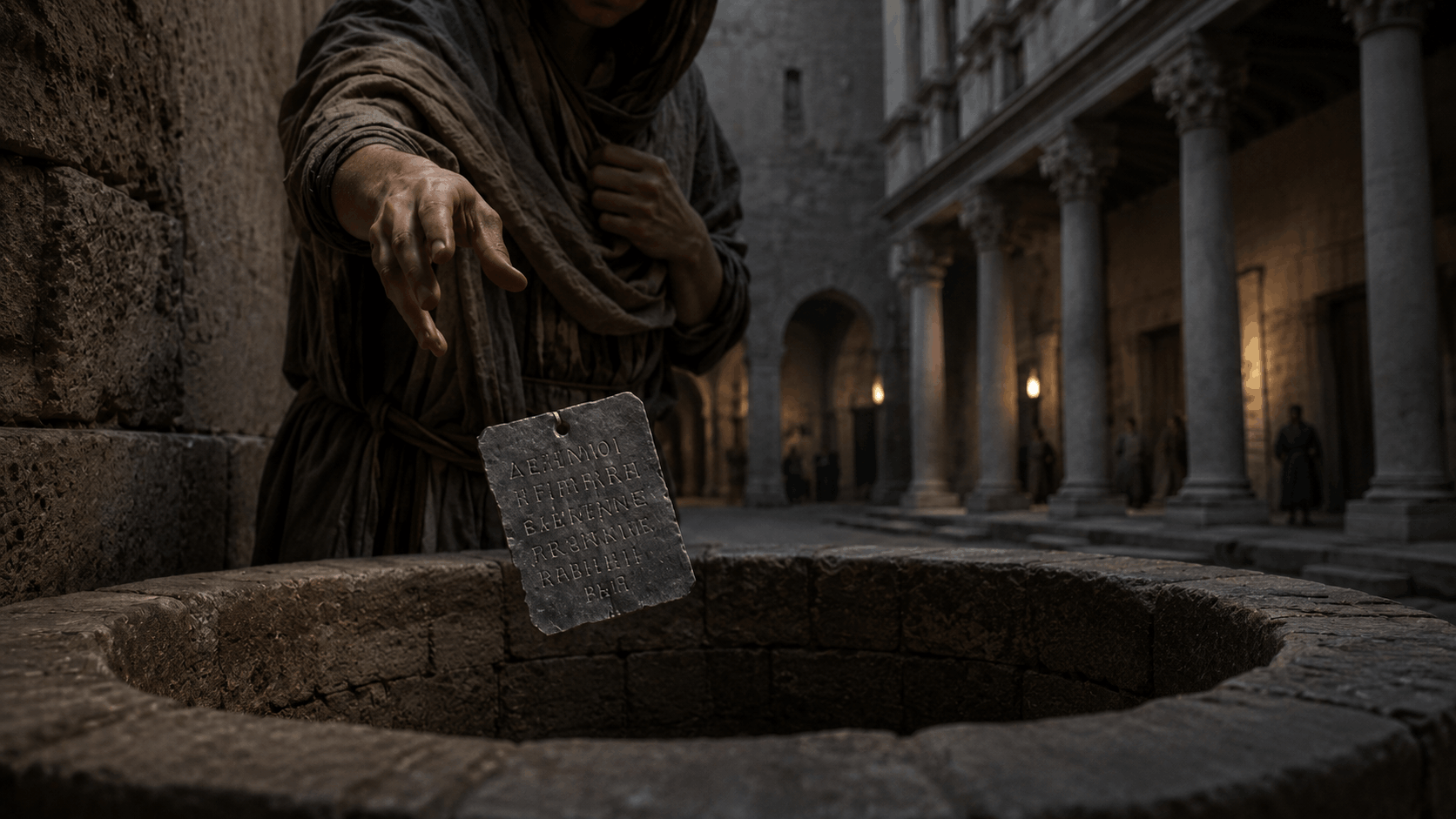
A 1,700-Year-Old Antioch Curse Tablet Called on Iao to Destroy a Greengrocer
A roughly 1,700-year-old curse tablet from ancient Antioch called upon Iao—the Greek form of the divine name Yahweh—to attack an ordinary greengrocer named Babylas. Inscribed in Greek on a thin sheet of lead, the spell was not directed against an emperor, military commander or wealthy official. Its target was a man who sold fruit and…
-
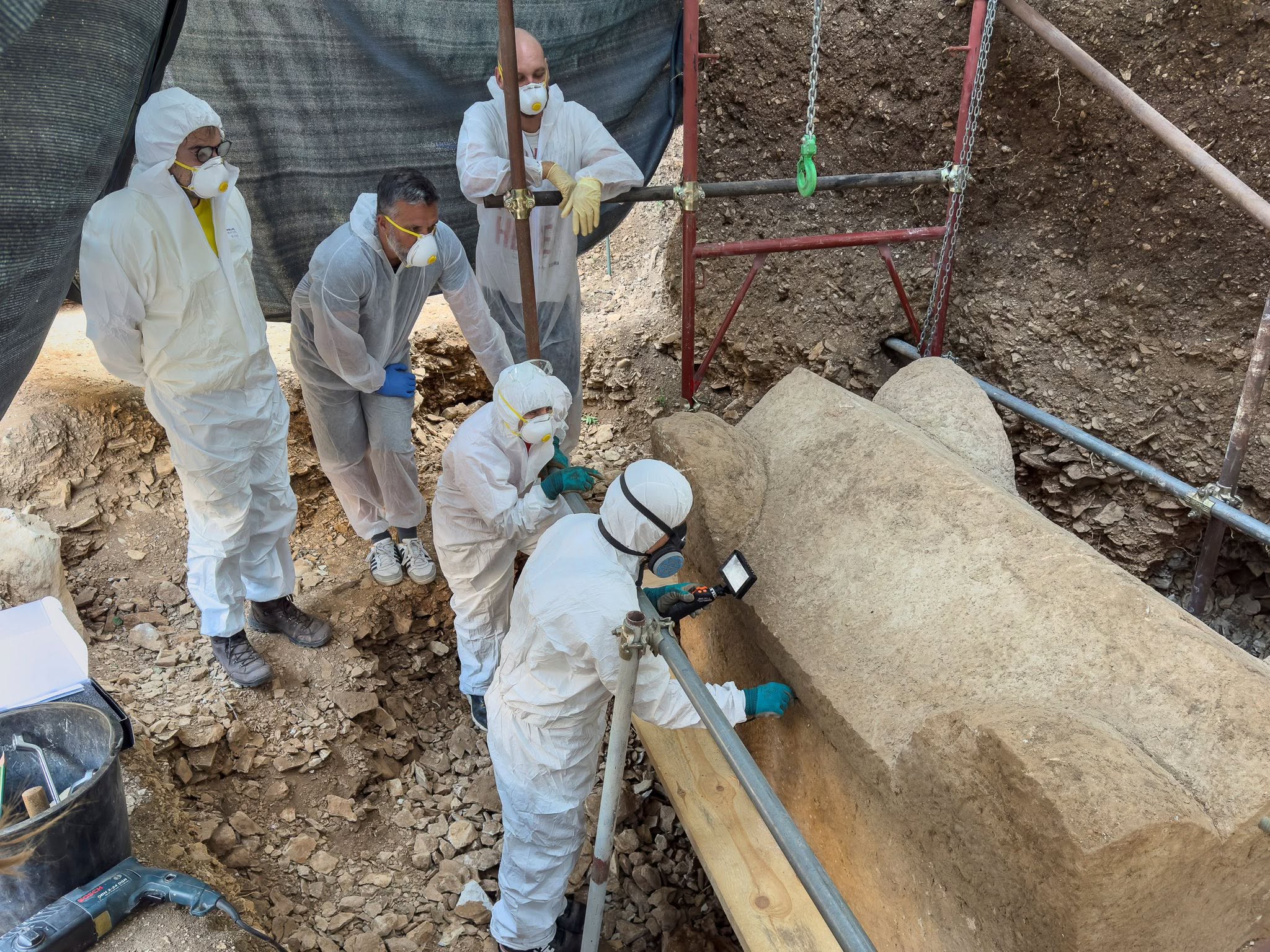
Five-Ton Roman Sarcophagus Found Sealed Beneath Cavtat After 1,500 Years
A five-ton Roman sarcophagus discovered beneath Cavtat, Croatia, was found still closed, sealed with lime mortar, and untouched after more than 1,500 years. The stone coffin, dated to the 4th–6th centuries A.D., was uncovered three meters below the surface in the necropolis of ancient Epidaurum, a Roman colony on the Adriatic coast. A sealed tomb…
-
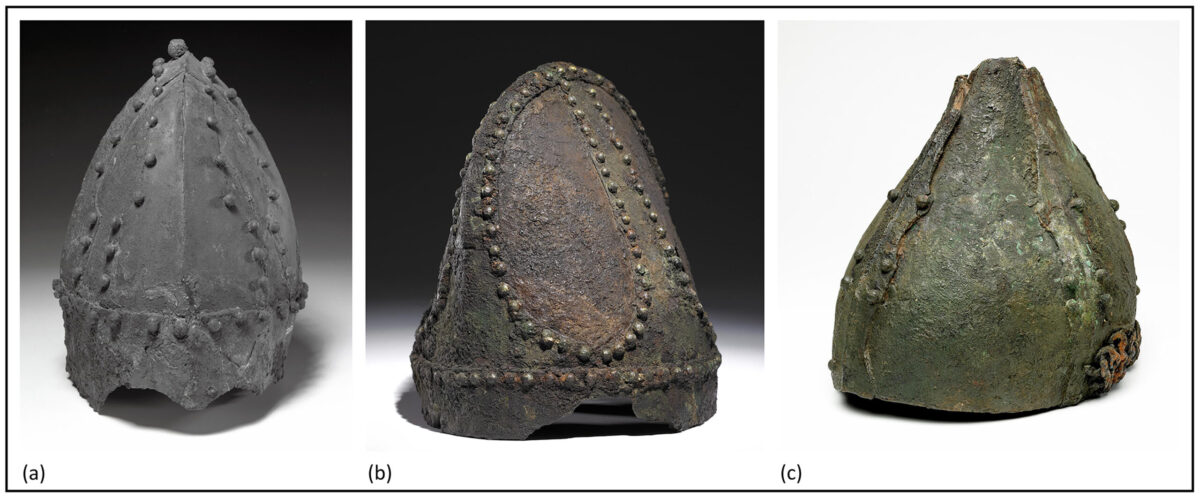
Ancient Helmets and Jewelry Reveal a Forgotten Sasanian Experiment with Brass
A golden shimmer on a hairpin. A thin metal strip on a helmet. A small rivet hidden inside an old museum object. At first glance, these details may seem minor. But new scientific research suggests they preserve a neglected chapter in the technological history of the Sasanian Empire. A study of copper-alloy finds from Merv…