-
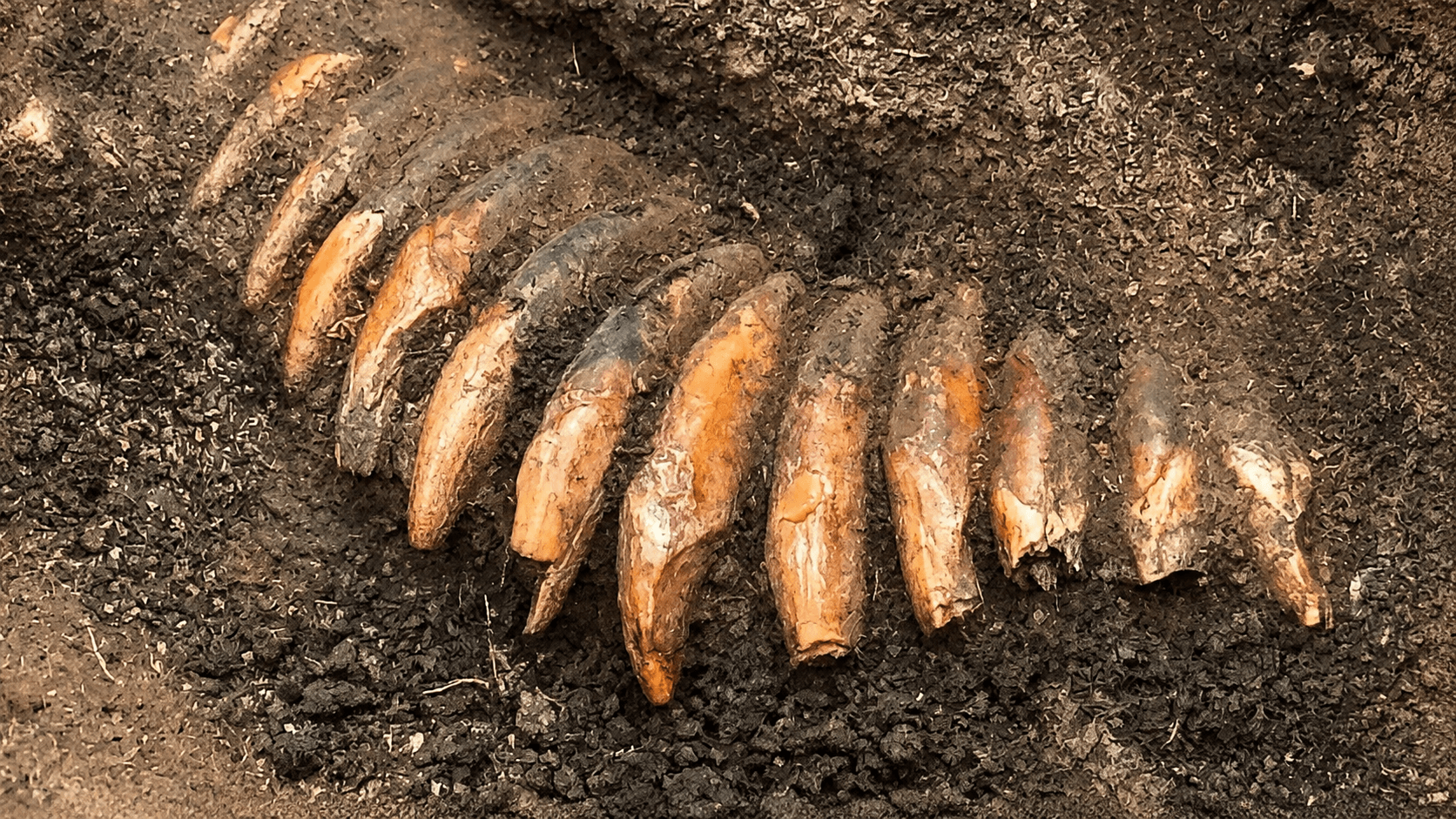
Archaeologists in Poland Found a 5,000-Year-Old Necklace of 42 Teeth—Then They Dug Deeper
Archaeologists preparing to close an excavation near Wrocław, Poland, noticed a circular mark in the soil that did not belong to the 1,600-year-old cemetery they had been investigating. At its center, they uncovered 42 carefully arranged teeth, each drilled through the root to form a necklace approximately 5,000 years ago. Beneath the necklace, the excavation…
-
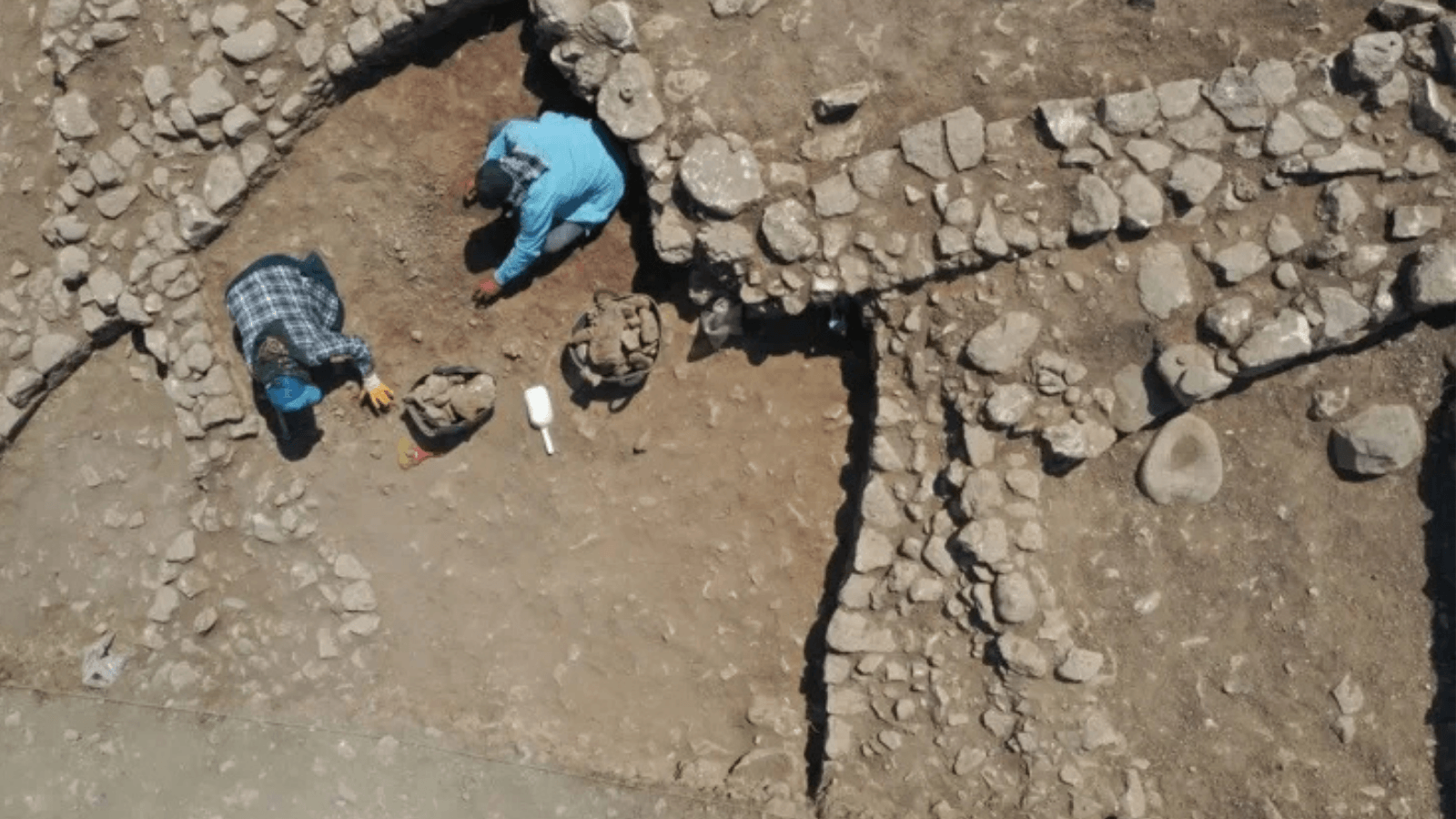
Beyond Göbekli Tepe’s Giant Pillars, Archaeologists May Have Found 10,000-Year-Old Homes
Göbekli Tepe is known around the world for its giant T-shaped pillars and monumental buildings. But new excavations may have uncovered 10,000-year-old homes, offering a very different glimpse into the lives of the people who lived among its famous monuments. New excavations in a previously unexplored part of the Neolithic settlement in southeastern Türkiye have…
-

Europe’s Oldest Textiles Emerge from an 8,000-Year-Old Neolithic Village Beneath an Italian Lake
Beneath the still waters of central Italy, archaeologists have uncovered a rarely preserved side of early human life—textiles, baskets, and cords woven nearly 8,000 years ago. The finds come from the submerged Neolithic settlement of La Marmotta, offering one of the clearest windows yet into Europe’s earliest fiber technologies. Unlike stone tools or pottery, organic…
-
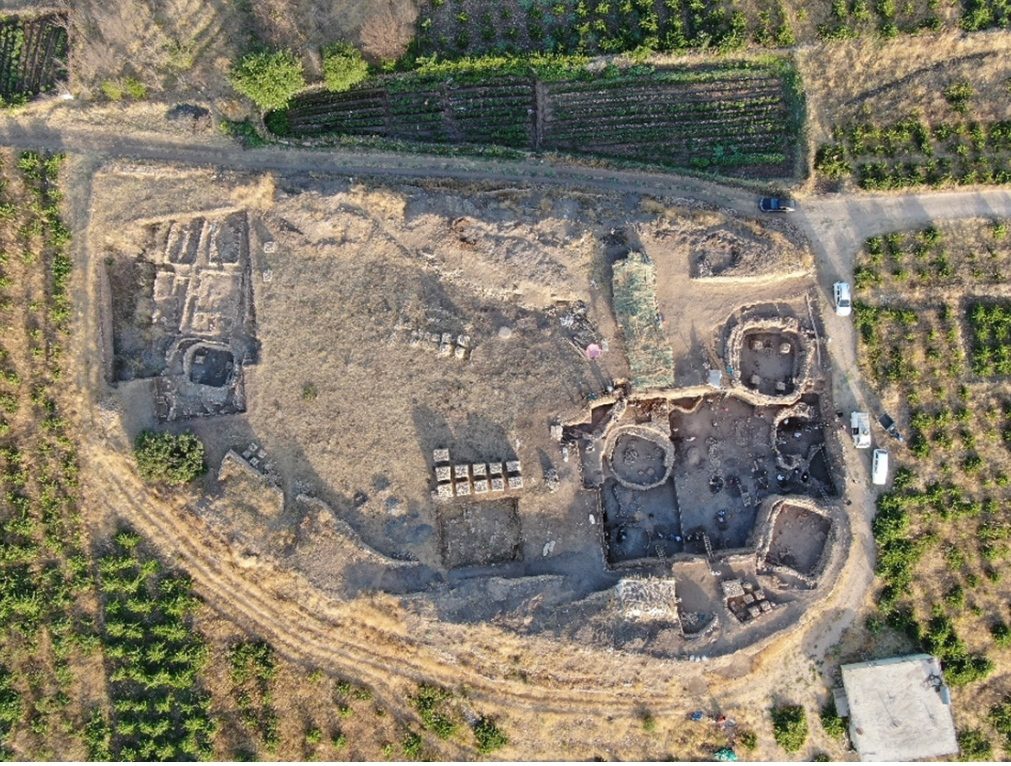
According to archaeologists, finds from the Gre Fılla Mound show the region was contemporary with Göbeklitepe
Archaeological research at the Gre Fılla Mound in southeastern Türkiye indicates that the site belongs to the same broad cultural horizon as Göbeklitepe, placing the region firmly within the Pre-Pottery Neolithic period. The available material evidence suggests that Gre Fılla was part of a wider network of early sedentary communities, active approximately 11,000 to 12,000…
-
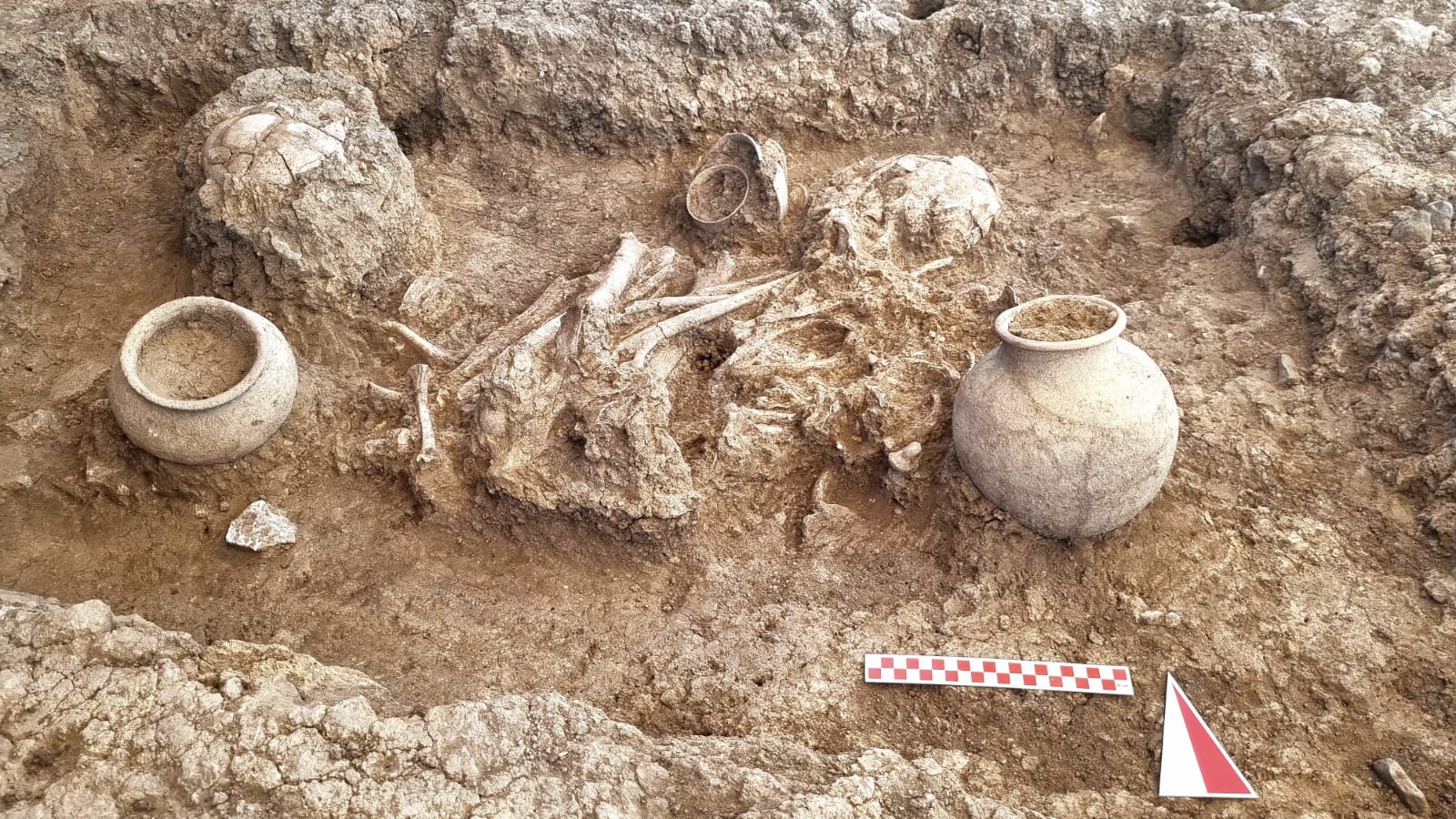
DNA Evidence from Çayönü Tepesi Is Redrawing the Origins of Neolithic Communities
In southeastern Anatolia, at the prehistoric settlement of Çayönü Tepesi, human bones that have rested underground for millennia are beginning to tell a new story. Ongoing genetic research is now revealing how early farming communities were shaped not in isolation, but through sustained contact across Anatolia, Mesopotamia, and the Caucasus. What the Bones Reveal About…
-
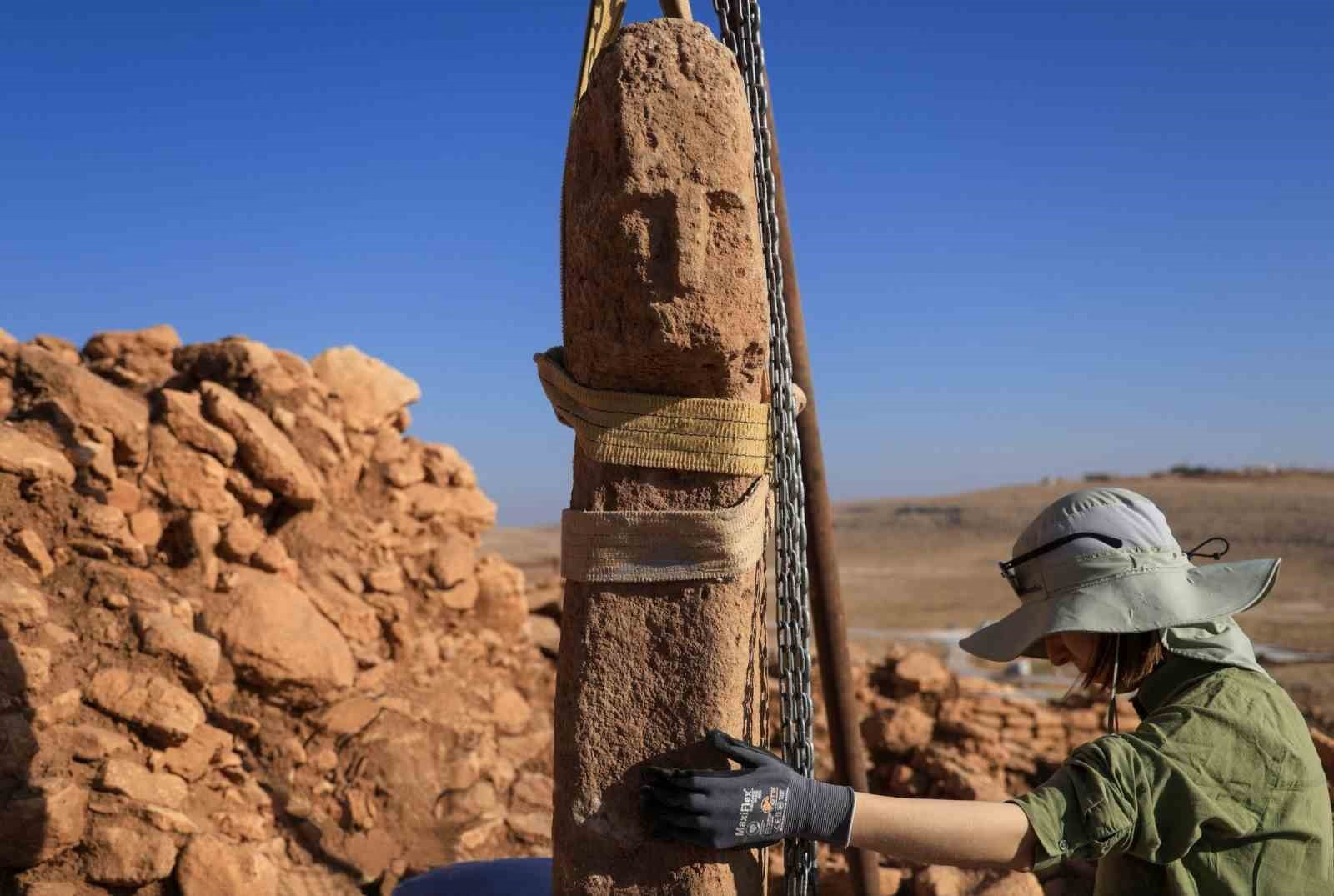
A New Chapter in Prehistory: First Human-Faced T-Shaped Pillar Unearthed at Karahantepe
Archaeologists working at Karahantepe, one of Türkiye’s oldest Neolithic sites, have uncovered a T-shaped stone pillar bearing a carved human face — a discovery hailed as a first in human history. The announcement was made by Minister of Culture and Tourism Mehmet Nuri Ersoy, who shared the news on his official X (Twitter) account, writing:…
-
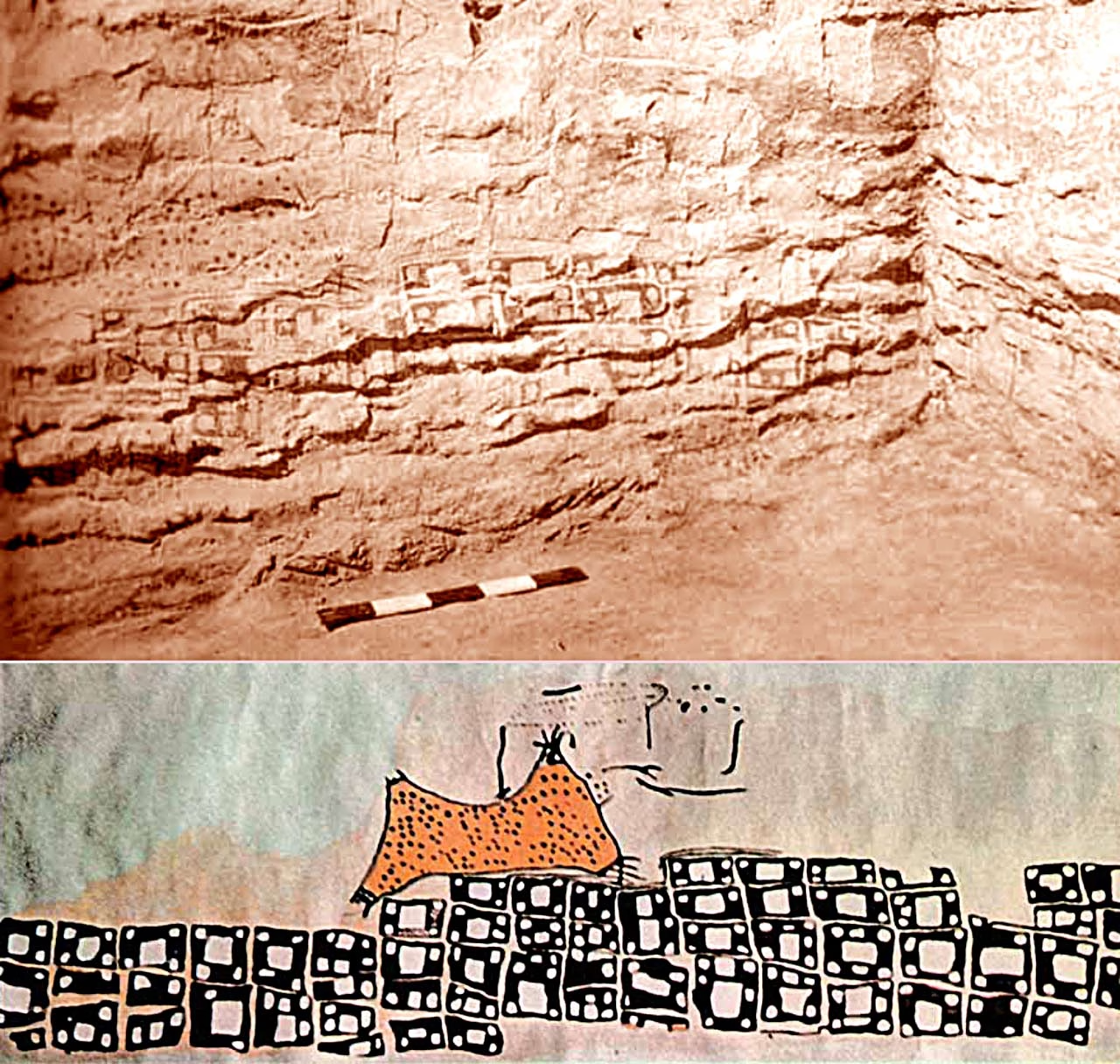
The World’s First Map at Çatalhöyük: 8,200 Years of Wisdom Etched in Earth
Long before satellites or cartographers, a Neolithic community in what is now central Türkiye created something extraordinary: a map—arguably the first in human history—not drawn on parchment or stone, but painted on the interior wall of a mudbrick house. This wall painting, measuring about 3 meters in length and 90 centimeters in height, is believed…