
Beneath the still waters of central Italy, archaeologists have uncovered a rarely preserved side of early human life—textiles, baskets, and cords woven nearly 8,000 years ago. The finds come from the submerged Neolithic settlement of La Marmotta, offering one of the clearest windows yet into Europe’s earliest fiber technologies.
Unlike stone tools or pottery, organic materials such as plant fibers usually vanish from the archaeological record. At La Marmotta, however, waterlogged conditions have frozen time—allowing fragile remains of weaving, knotting, and basketry to survive almost intact.
A Neolithic Village Preserved Underwater
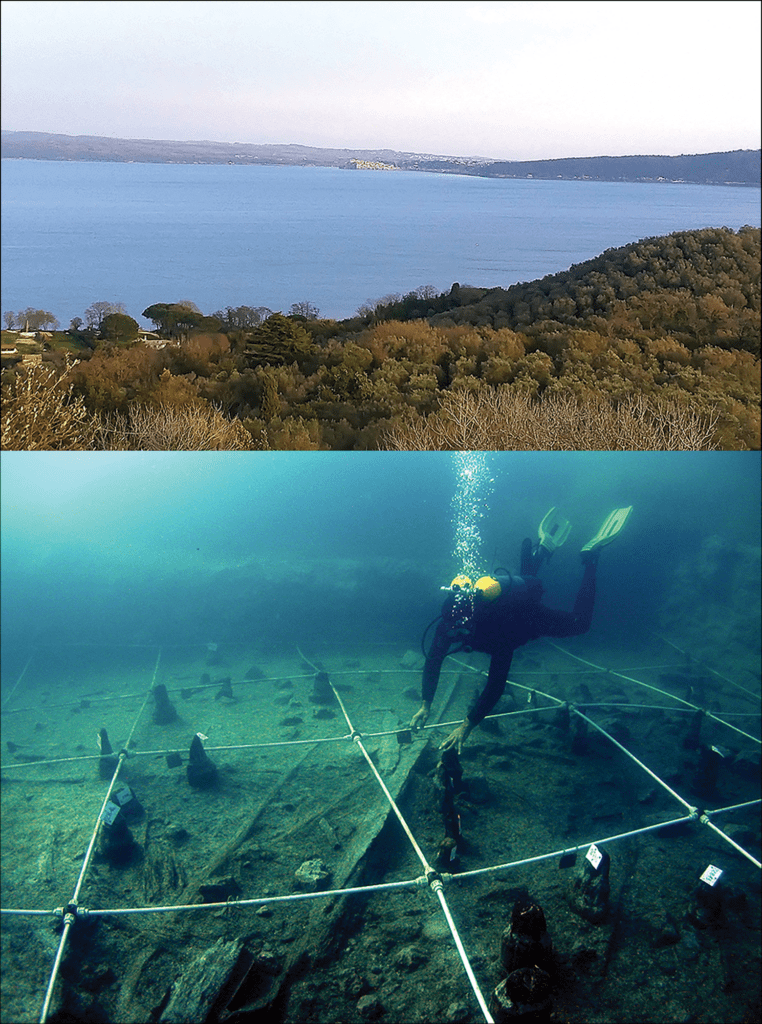
La Marmotta lies on the shore of Lake Bracciano, north-west of Rome. First identified decades ago, the site has long been known for its exceptional preservation, including wooden houses, dugout canoes, and farming tools.
Now, new analysis reveals that its inhabitants were also skilled textile producers, working with plant fibers to create cords, nets, and woven containers essential to daily life.
Beyond Pottery: The Hidden Technologies of Early Farmers
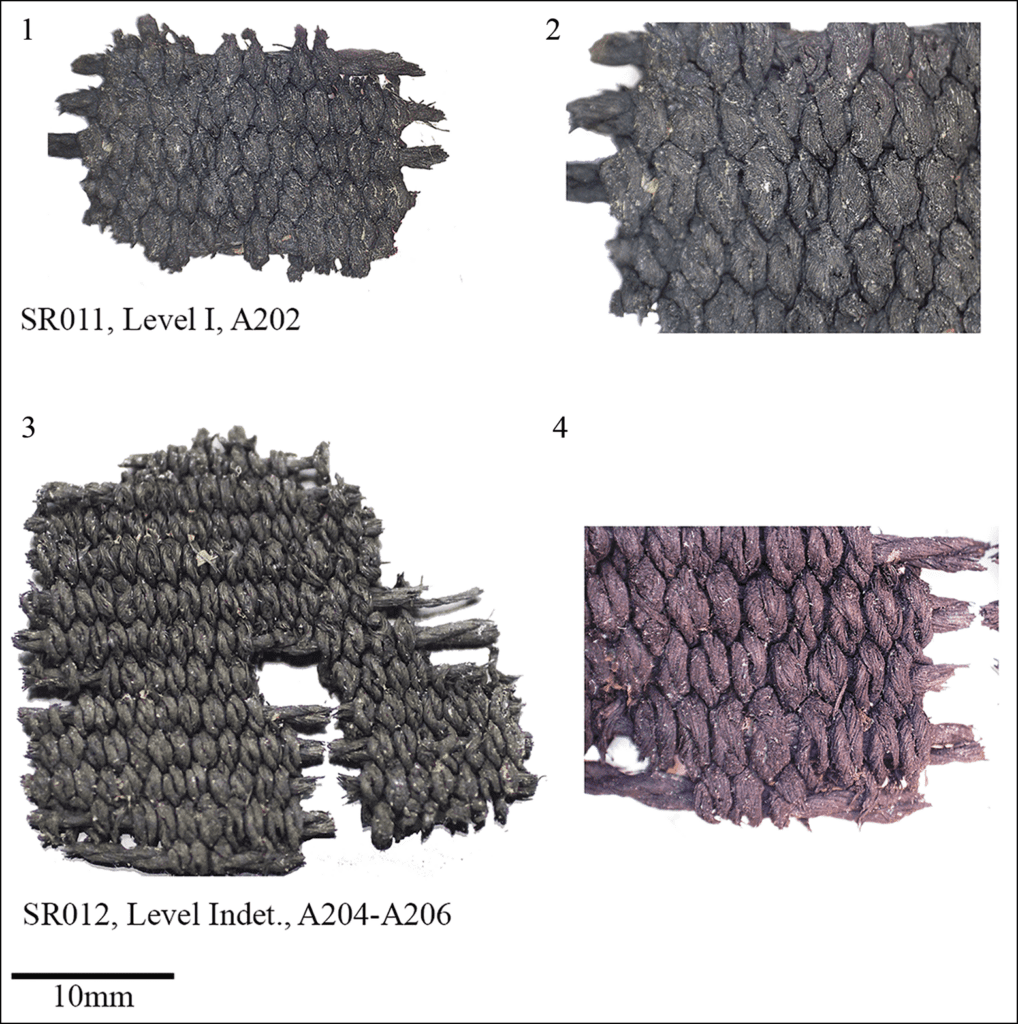
The newly studied materials include twisted cords, finely woven basket fragments, and textile impressions—evidence that early Neolithic communities were not merely experimenting with fibers, but mastering complex production sequences.
Researchers identified deliberate choices in raw materials, suggesting detailed knowledge of local plants and their mechanical properties. Fiber preparation, twisting direction, and weaving techniques point to standardized practices, not ad-hoc improvisation.
This matters because textiles and basketry were fundamental technologies. They enabled storage, transport, fishing, farming, and construction—yet they are almost invisible in most prehistoric narratives.
Rethinking Innovation in the Early Neolithic
The findings challenge lingering assumptions that early European farming societies relied mainly on simple tools. Instead, La Marmotta reveals a community capable of integrated technological planning, where woodworking, textile production, and agriculture formed a coherent system.
In this sense, the site reshapes how archaeologists understand Neolithic innovation—not as a slow, uneven process, but as a rapid expansion of interlinked skills that supported sedentary life.
The study was published in the peer-reviewed journal Antiquity adding one of the most detailed fiber assemblages ever documented for early Europe.
Why These Finds Are Exceptionally Rare
Organic artifacts usually decay within years or decades. At La Marmotta, permanent submersion created an oxygen-poor environment that halted decomposition. Such preservation is so uncommon that each fiber fragment carries outsized importance.
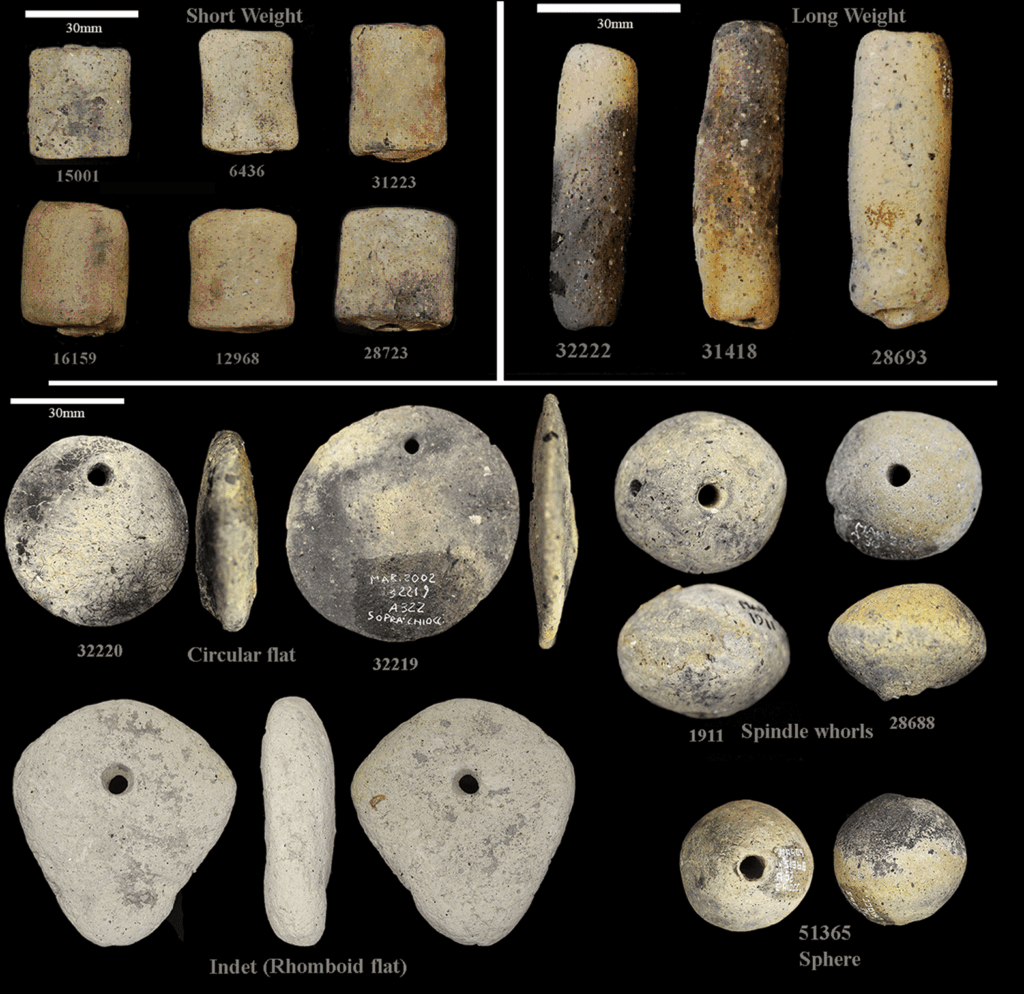
Together, these remains illuminate activities that shaped everyday existence but almost never survive: carrying crops, binding tools, repairing nets, and organizing domestic space.
A New Chapter in Europe’s Deep History
La Marmotta does more than add objects to a museum catalog. It restores human texture to prehistory—hands twisting fibers, baskets filling with grain, cords tightening around wooden frames.
Eight millennia later, those gestures have resurfaced, quietly rewriting what we know about Europe’s earliest villagers.