-
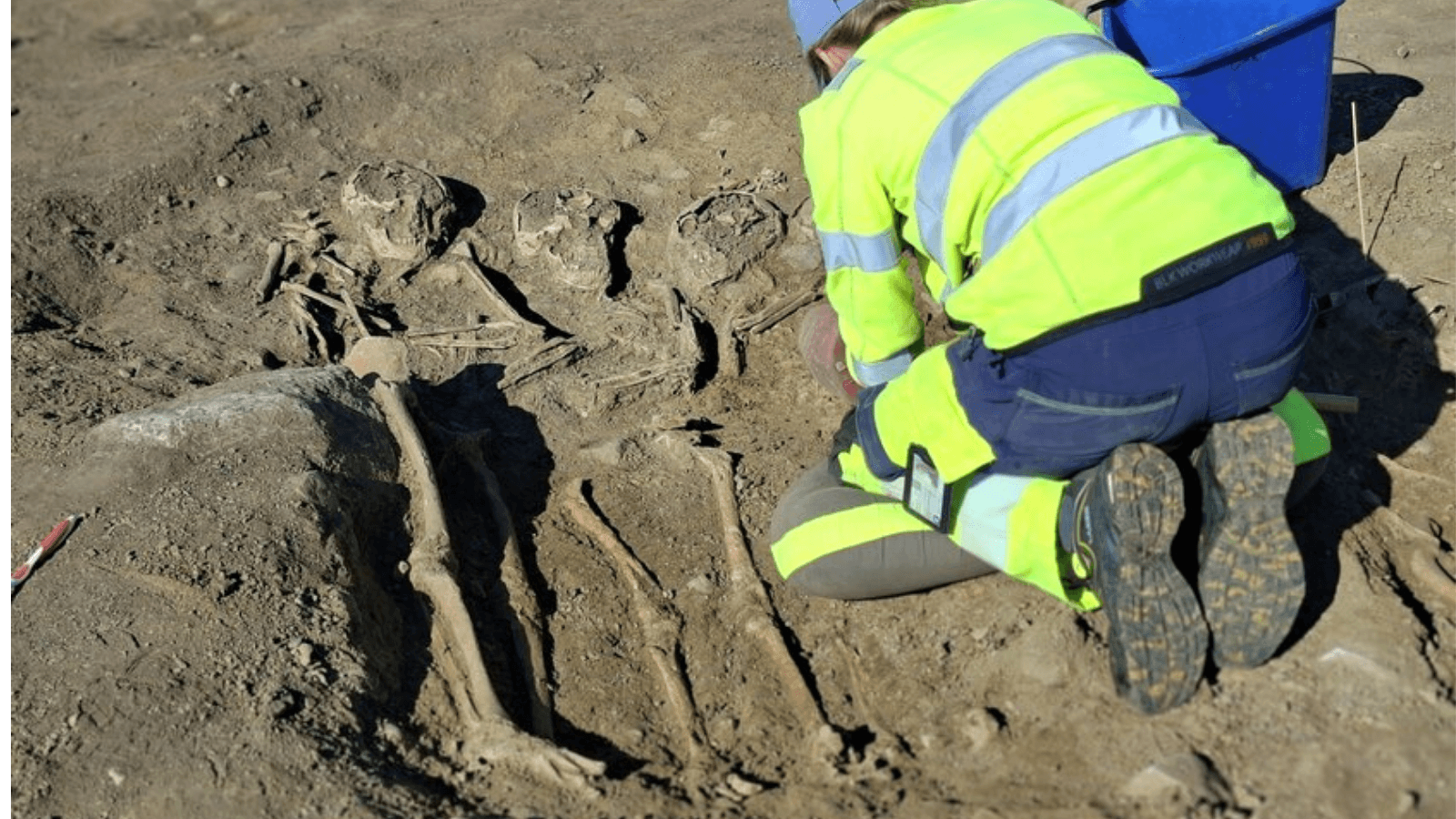
1,000-Year-Old Christian Cemetery in Norway Reveals Unusual Multiple Burials
Archaeologists investigating a 1,000-year-old Christian cemetery in Norway have uncovered 15 skeletons, including adults and children. Several of the graves contain two or more people, making the burial ground at Valum unusual for an early medieval rural community. One grave at Valum, near Hamar, held four individuals placed closely together, while others contained three or…
-
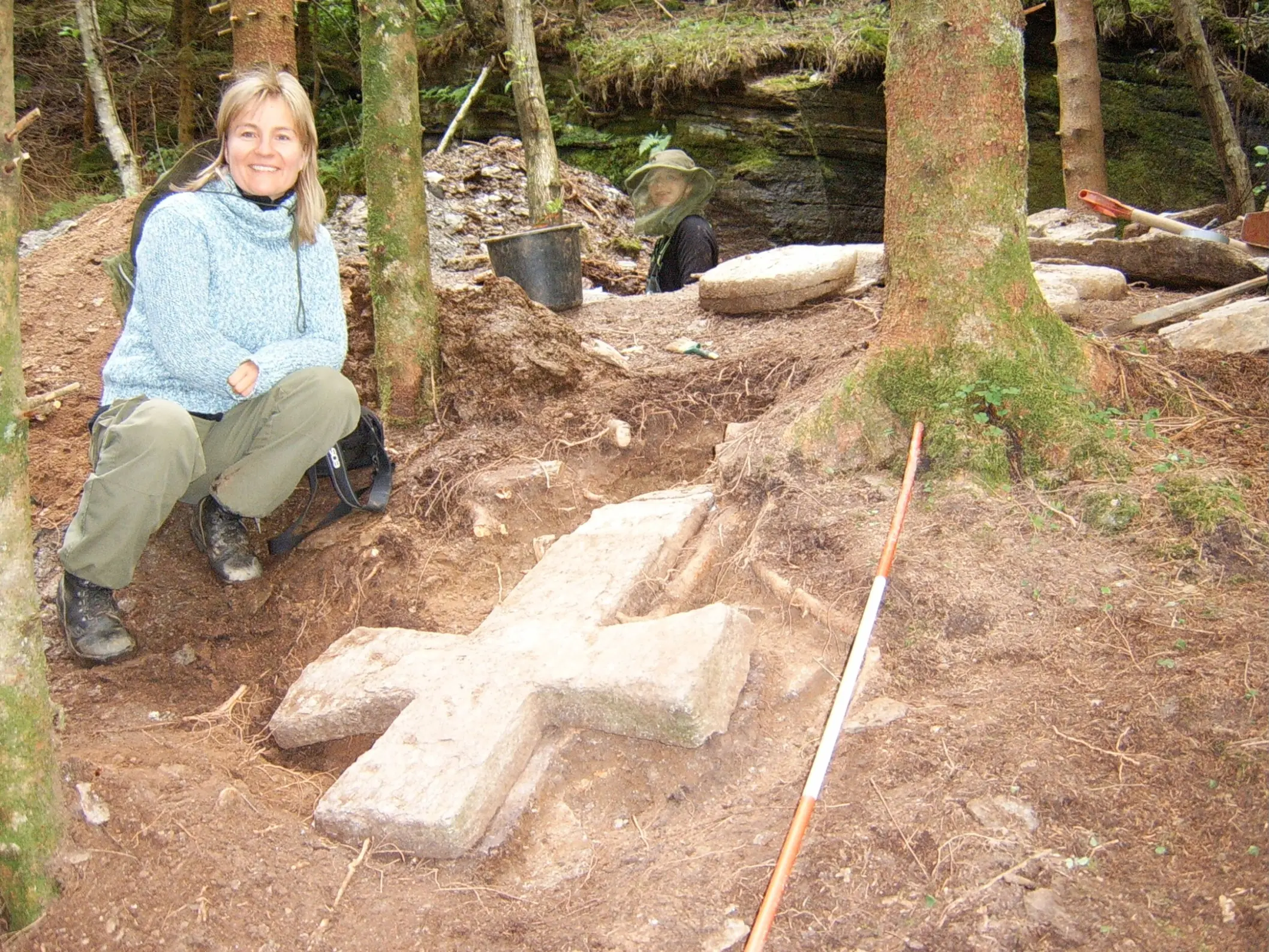
A Waste Heap at a Norwegian Quarry Hid Seven Medieval Stone Crosses
A heap of broken stone at Hyllestad in western Norway concealed more than ordinary quarry waste. Buried among the debris were fragments of seven medieval stone crosses, including pieces from monuments that may once have stood several metres high. The discovery was made in 2008 during an excavation led by University of Bergen archaeologist Irene…
-
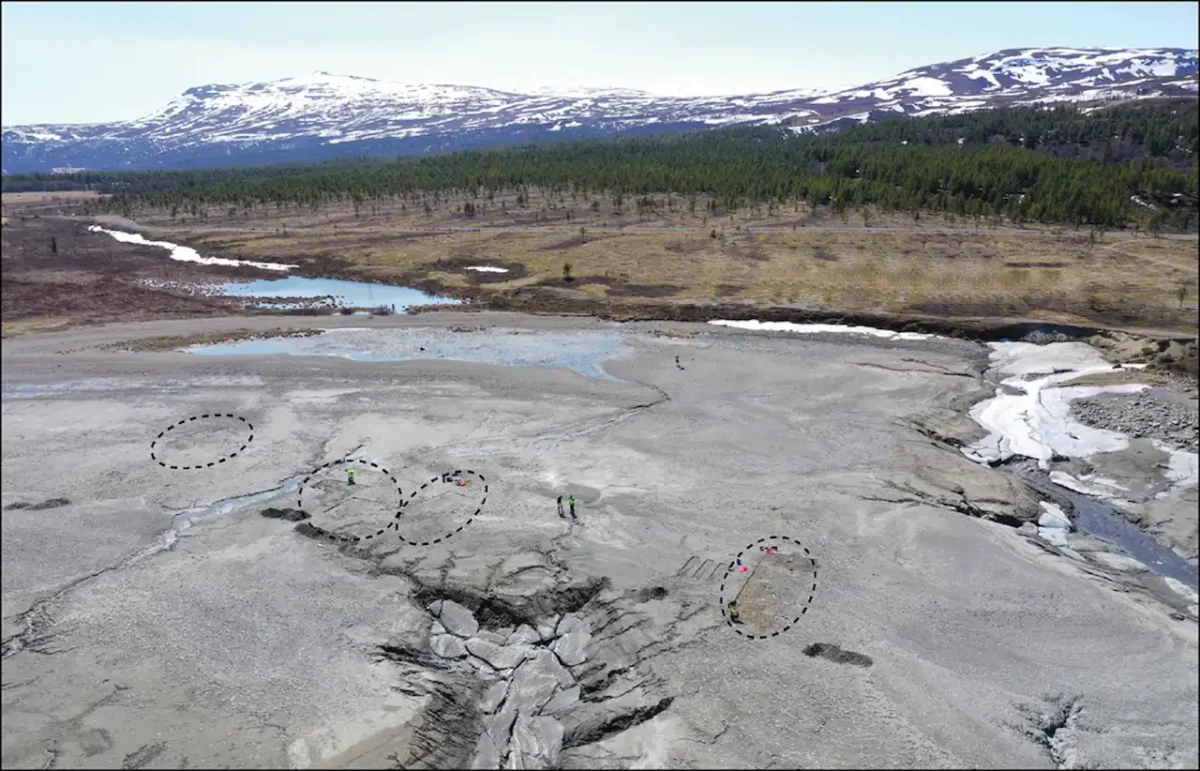
7,000-Year-Old Fish Traps Reveal Hunter-Gatherers Stocked Norway’s Mountain Lakes
Wooden fish traps discovered in a mountain lake in southern Norway have revealed that Mesolithic hunter-gatherers deliberately introduced brown trout into waters the fish could not have reached naturally. Radiocarbon dating places the earliest traps at around 5000 BC, making them direct evidence that communities in prehistoric Scandinavia were actively managing aquatic resources thousands of…
-
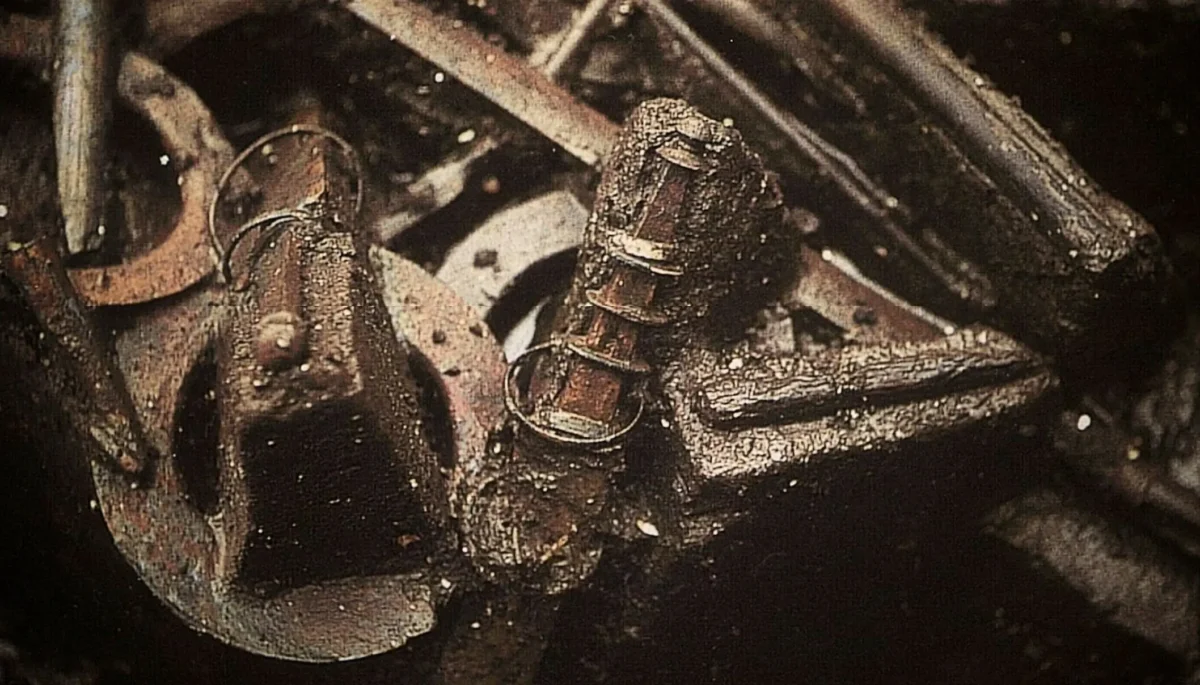
1,000-Strong Army Defeated in Denmark May Have Been Marching to Serve Rome
A dramatic reinterpretation of the Illerup Ådal battlefield is reshaping what we know about Iron Age Europe. New research suggests that a 1,000-strong Scandinavian army defeated in Denmark around AD 205 may not have been a local force at all—but a mobile warband possibly heading south to serve the Roman Empire as mercenaries. The theory,…
-
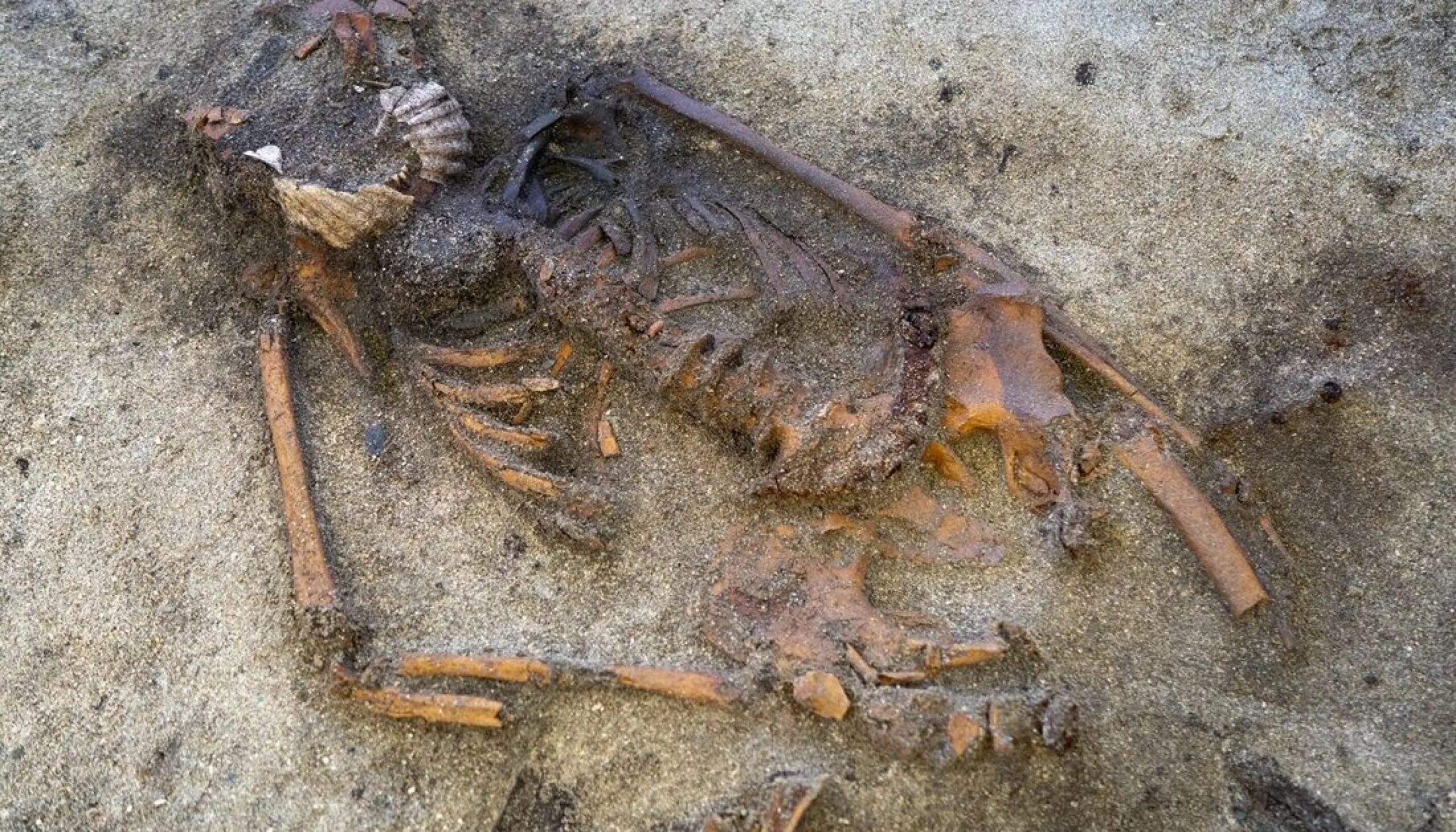
A 9th-Century Woman Buried with Scallop Shells at Her Mouth Baffles Archaeologists in Norway
Archaeologists in central Norway have uncovered a burial unlike anything previously recorded in the country: a 9th-century woman laid to rest with two scallop shells positioned on either side of her mouth, partially covering it like a silent seal. The discovery, made in Trøndelag, has quickly become one of the most enigmatic Viking-Age graves documented…