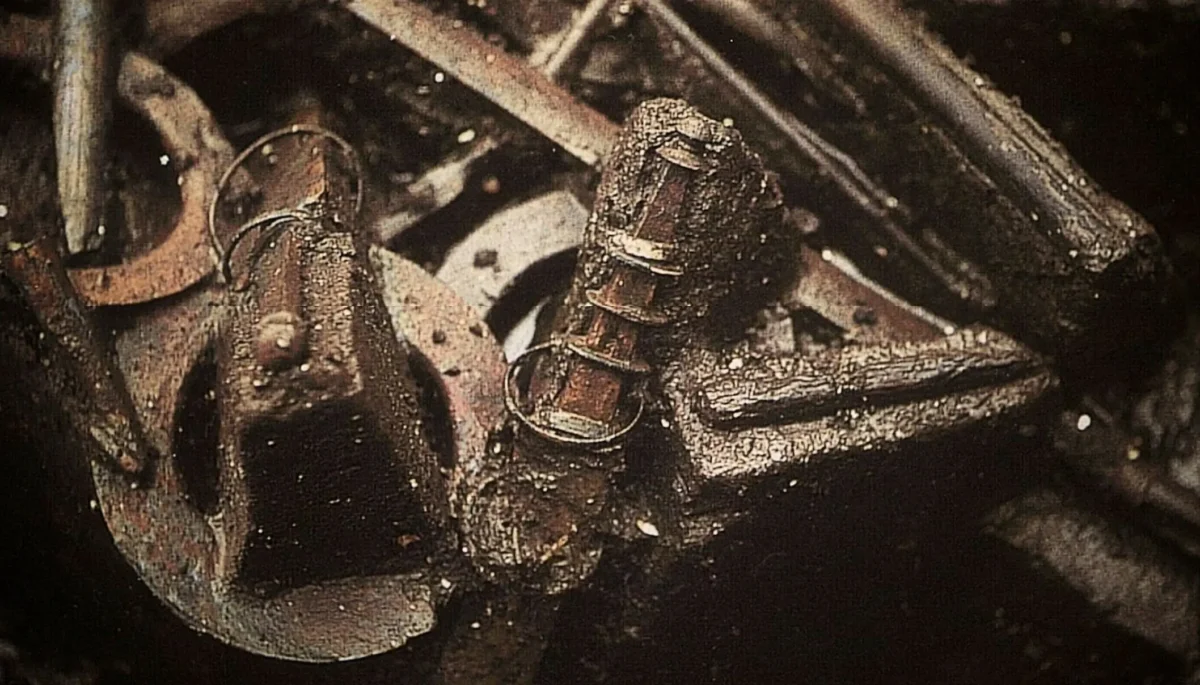
A dramatic reinterpretation of the Illerup Ådal battlefield is reshaping what we know about Iron Age Europe. New research suggests that a 1,000-strong Scandinavian army defeated in Denmark around AD 205 may not have been a local force at all—but a mobile warband possibly heading south to serve the Roman Empire as mercenaries.
The theory, highlighted by Science Norway and developed by Dagfinn Skre of the University of Oslo, reframes one of Northern Europe’s most important archaeological discoveries.
A Battlefield Preserved in Ritual Destruction
Few sites in Scandinavia offer a clearer snapshot of Iron Age warfare than Illerup Ådal. More than 15,000 objects have already been recovered from the bog, and researchers believe tens of thousands more remain buried beneath its surface.
The finds tell a strikingly deliberate story. Weapons were broken, shields dismantled, and personal belongings destroyed before being cast into the water. This was not chaos—it was ritual. The victors appear to have systematically dismantled the defeated army’s equipment before offering it to the gods.
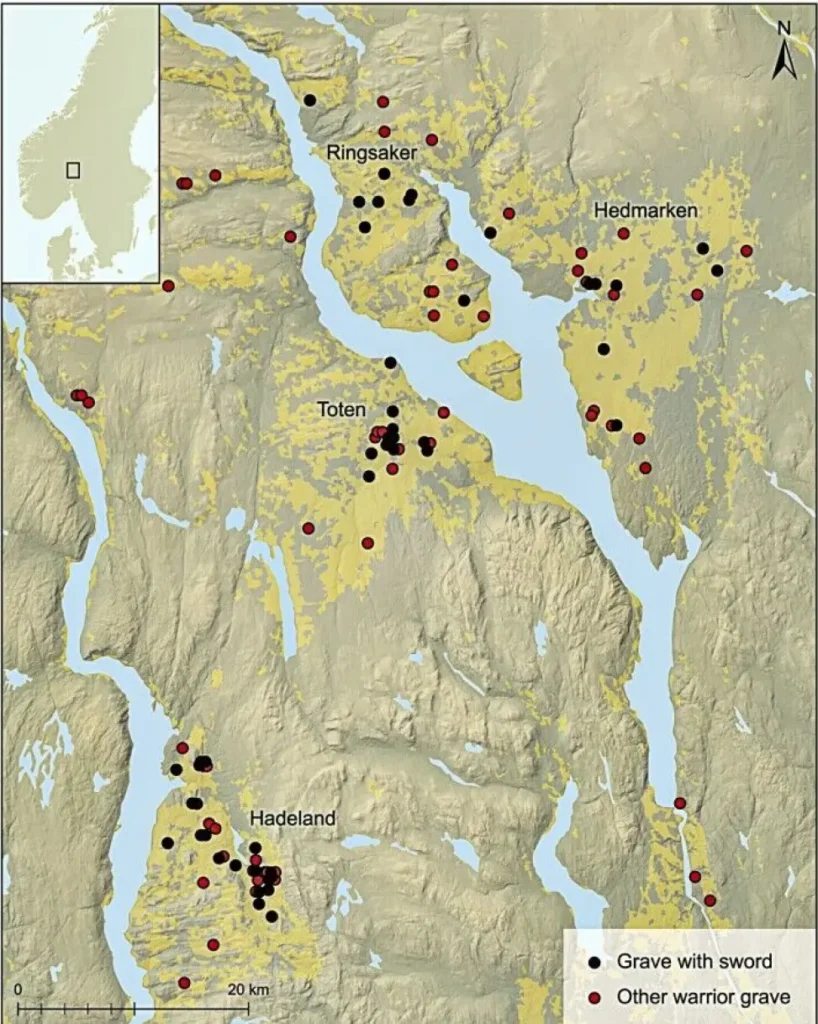
What emerges is the outline of a large, organized force. Archaeologists estimate around 1,000 warriors, likely transported across the sea in dozens of ships. This was not a small tribal raid, but a coordinated military expedition moving through the region.
Northern Clues Hidden in the Artifacts
The most intriguing question is not how the army was defeated—but where it came from.
Several finds point northward. Combs made from reindeer and moose antler, along with specific fire-starting tools, closely resemble objects associated with Norway. These are not generic items—they carry regional signatures.
Even more revealing are early runic inscriptions carved into weapons. Names such as Lagutewaz, Gaups, Nithijo, and Swarta provide rare personal identifiers from the period, and may hint at geographic origins.
Skre argues that many of these elements align strongly with Norwegian material culture. If correct, this suggests a force that had crossed the sea before meeting its end in Denmark.
Heading South Toward Rome?
The theory becomes more provocative when considering where this army might have been going.
By the late 2nd century AD, the Roman Empire was under increasing pressure along its northern frontiers. To strengthen its defenses, Rome relied heavily on Germanic auxiliaries—foreign warriors recruited beyond imperial borders.
According to Skre, the Illerup army may have been part of this system.
“All the swords and coins they carried were Roman,” he notes. The implication is difficult to ignore: this may have been a Scandinavian force moving toward Roman service, rather than away from it.
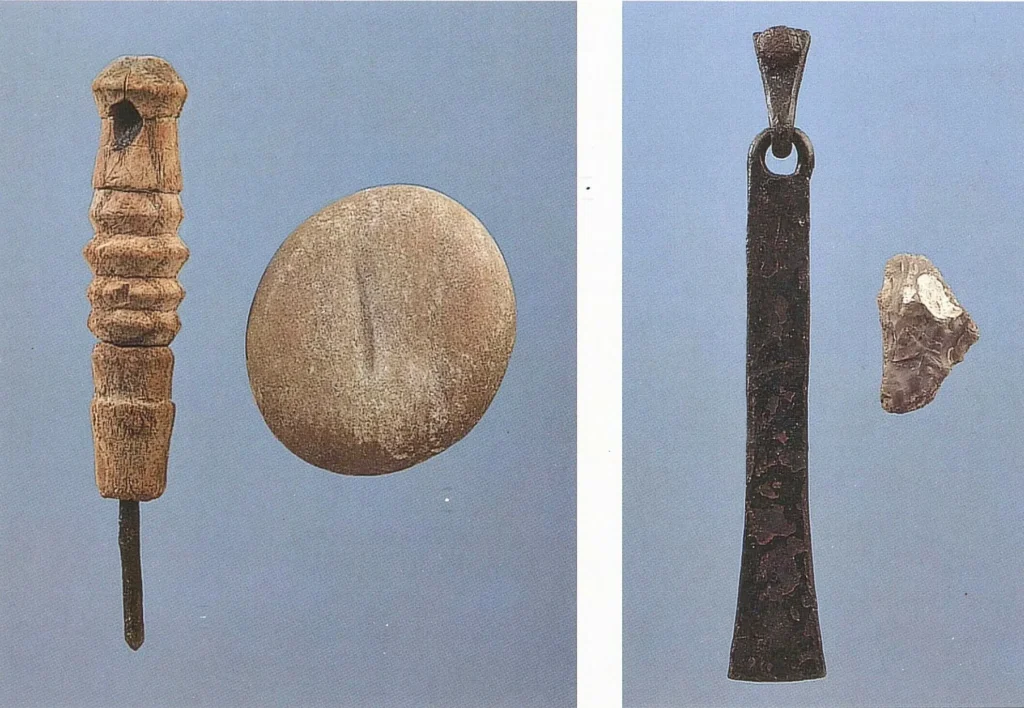
Credit: Preben Delholm / Moesgård Museum
From eastern Jutland, the Roman frontier lay roughly 650 kilometers to the south. For an army of this size, the journey would have required enormous resources—food, coordination, and constant movement. Sustaining such a force likely meant taking supplies from local communities along the route.
That pressure may have triggered the very conflict that led to their destruction.
A Violent Turning Point
The defeat at Illerup Ådal appears to have been decisive. The army’s weapons were stripped, deliberately damaged, and deposited in the bog in a ritual act that transformed a battlefield into a sacred site.
But the consequences may have extended far beyond that moment.
Skre links this event to a broader transformation in Scandinavian society around AD 180–200. Archaeological evidence from this period shows clear changes: larger burial mounds filled with weapons, the rise of monumental wooden halls, and a sharp increase in iron production and long-distance exchange.
These are not isolated developments. They suggest the emergence of more hierarchical, militarized societies—possibly shaped by warriors returning from contact with Rome.
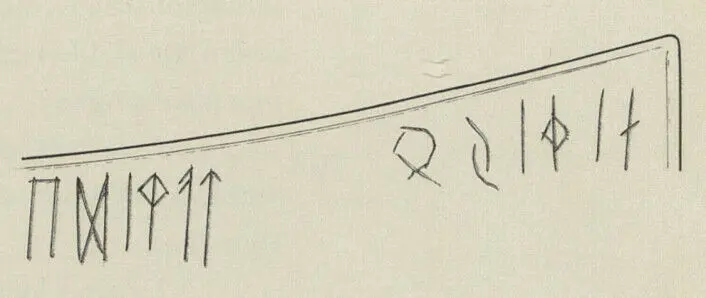
Credit: Preben Delholm / Moesgård Museum
Not Everyone Is Convinced
The Norwegian origin theory remains debated.
Archaeologist Andres Minos Dobat of Aarhus University points to strontium isotope analysis conducted on horse remains from the site. The results suggest the animals likely came from regions closer to Denmark or southern Sweden.
Since these were trained warhorses, Dobat argues they were unlikely to have been casually traded or acquired. If the horses were not Norwegian, it raises questions about whether the army itself originated there.
This tension between artifact analysis and scientific data highlights a key challenge in archaeology: material culture and mobility do not always align neatly.
A More Connected Scandinavia
Regardless of the army’s exact origin, the broader picture is becoming clearer.
Scandinavia was not isolated. Roman coins—particularly silver denarii from the late 2nd century—have been found in increasing numbers across the region. Many closely match the wages paid to Roman soldiers.
At the same time, graves containing Roman-style weapons suggest that some individuals were equipped—and perhaps trained—according to Roman military practices.
In other words, Scandinavia was already part of a wider economic and military network long before the Viking Age.
The Story Beneath the Bog
The Illerup battlefield ended in destruction, but that destruction preserved something rare: a moment frozen in time.
Today, the site stands as one of the most important archaeological windows into Iron Age warfare and early European connectivity. And yet, researchers estimate that a significant portion of the site remains unexplored.
What lies beneath the bog may not just confirm this theory—it could fundamentally reshape how we understand the relationship between Scandinavia and Rome.
Cover Image Credit: Some of the objects as they were found in the bog. Jørgen Ilkjær / Moesgård Museum