-
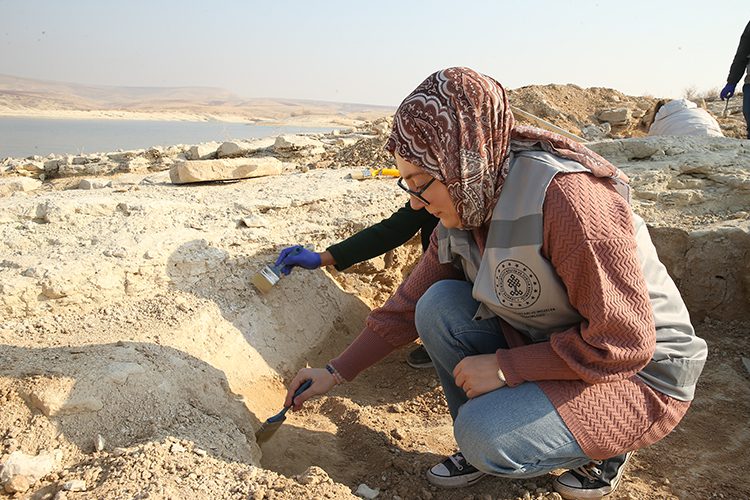
As the Euphrates Receded, Familiar Stones Emerged: Is the Taş Tepeler World Expanding?
When the waters of the Upper Euphrates pulled back, the stones left behind told a story archaeologists know well—but not from this place. Along the exposed shoreline of the Atatürk Dam reservoir in southeastern Türkiye, researchers have identified T-shaped stone elements—a form inseparable from the ritual landscape of Göbeklitepe. Their appearance here, hundreds of kilometers…
-
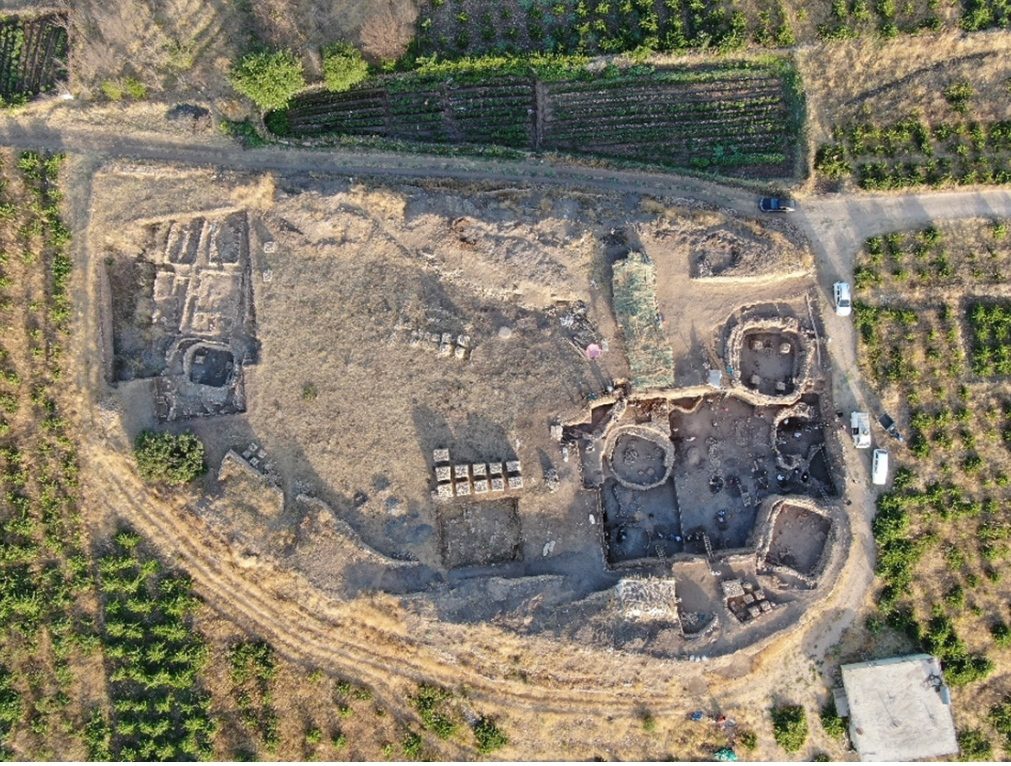
According to archaeologists, finds from the Gre Fılla Mound show the region was contemporary with Göbeklitepe
Archaeological research at the Gre Fılla Mound in southeastern Türkiye indicates that the site belongs to the same broad cultural horizon as Göbeklitepe, placing the region firmly within the Pre-Pottery Neolithic period. The available material evidence suggests that Gre Fılla was part of a wider network of early sedentary communities, active approximately 11,000 to 12,000…
-
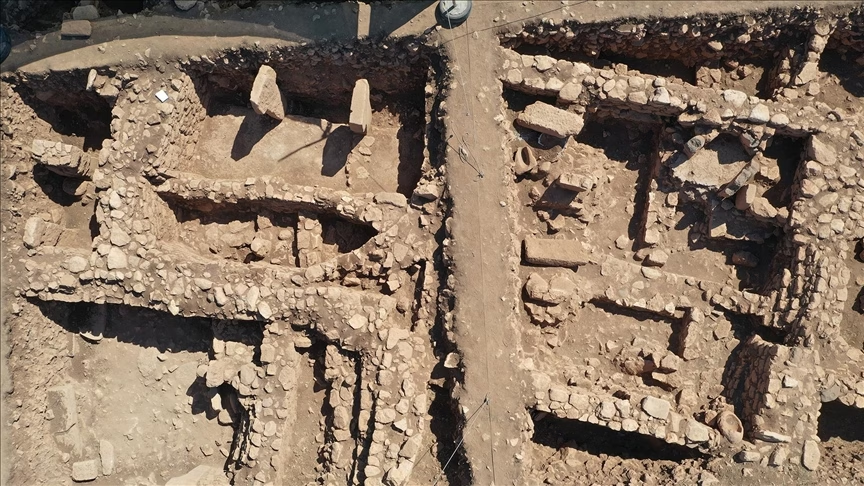
A 10,000-Year-Old Sketch: Sefertepe Excavation Uncovers Remarkably Detailed Boar Cub Carving
Archaeologists working at Sefertepe, one of the emerging Neolithic sites of Türkiye’s Taş Tepeler region, have uncovered a delicately incised depiction of a wild boar piglet carved into the underside of a heavily used grinding stone. The discovery, reported exclusively by Arkeolojihaber, adds a new layer to our understanding of symbolic expression in the 10th…
-

Turkey’s Taş Tepeler Reveals its Most Mysterious Neolithic Art Yet: New Faces, New Rituals, New Questions
A still-faced sculpture with a sealed mouth, unfamiliar stone portraits carved in the hills, and a double-sided bead that seems to look in two directions at once—Turkey’s Taş Tepeler region has entered a new phase of archaeological intrigue. In Şanlıurfa this week, the Ministry of Culture and Tourism introduced a set of discoveries that not…
-

9,000-Year-Old Ain Ghazal Statues Rewrite What We Thought We Knew About Early Human Art
Archaeologists are once again turning their attention to one of the most startling artistic breakthroughs of the Neolithic world: the monumental statues of Ain Ghazal, dating back nearly 9,000 years. Crafted between 7200–6250 BCE, these lime-plaster and reed figures rank among the earliest large-scale human representations ever created — and they refuse to fit into…
-
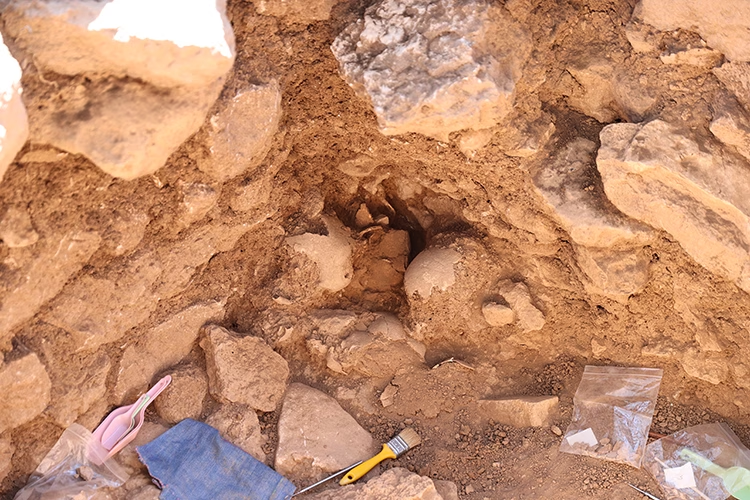
Sefertepe Excavation Reveals 12 New Human Skulls From the 10th Millennium BCE
In southeastern Turkey, the prehistoric settlement of Sefertepe has yielded another major discovery: archaeologists have uncovered 12 human skulls estimated to be 10,500 years old. The find adds to growing evidence of ritual practices in the region during the earliest stages of settled life. Located in Şanlıurfa Province, Sefertepe is one of several sites investigated…