-
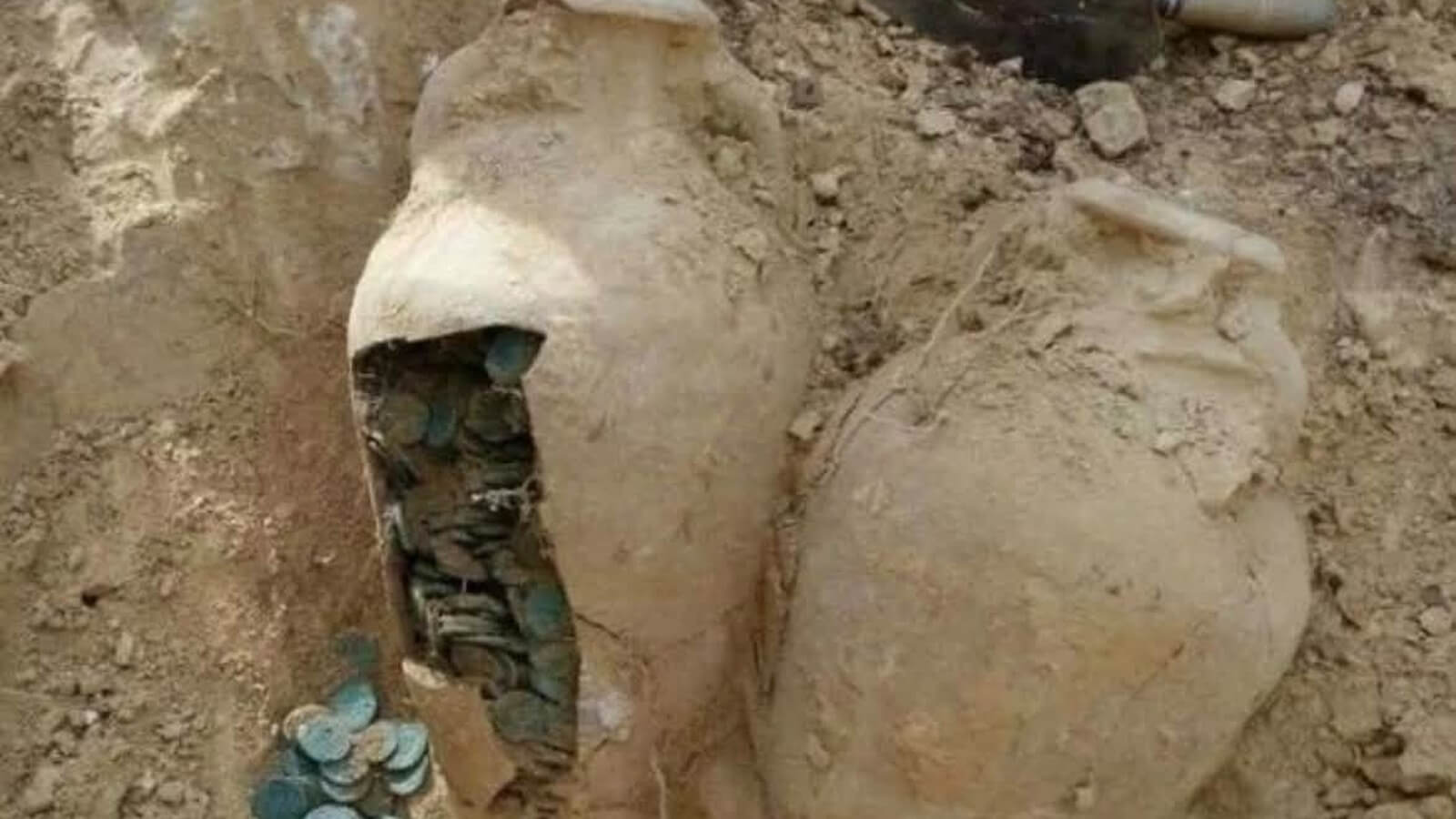
53,208 Roman Coins Were Buried in Spain. Ten Years Later, Their Purpose Remains a Mystery
Ten years after 53,208 Roman coins were discovered inside 19 amphorae near Seville, researchers have learned when the enormous deposit was assembled, where its money came from and how the containers were packed. One question, however, remains unanswered: what was all that money meant for? Known as the Tomares Treasure, the hoard was unearthed on…
-

Rare Gold Aureus of Emperor Tiberius Discovered at Roman Camp in Switzerland
A rare gold aureus minted during the reign of Emperor Tiberius has been discovered during excavations at Vindonissa, Switzerland’s only Roman legionary camp. The coin is one of the most remarkable finds from the latest excavation, as coins recovered at Vindonissa are generally made of bronze or silver. Tiberius ruled the Roman Empire from AD…
-
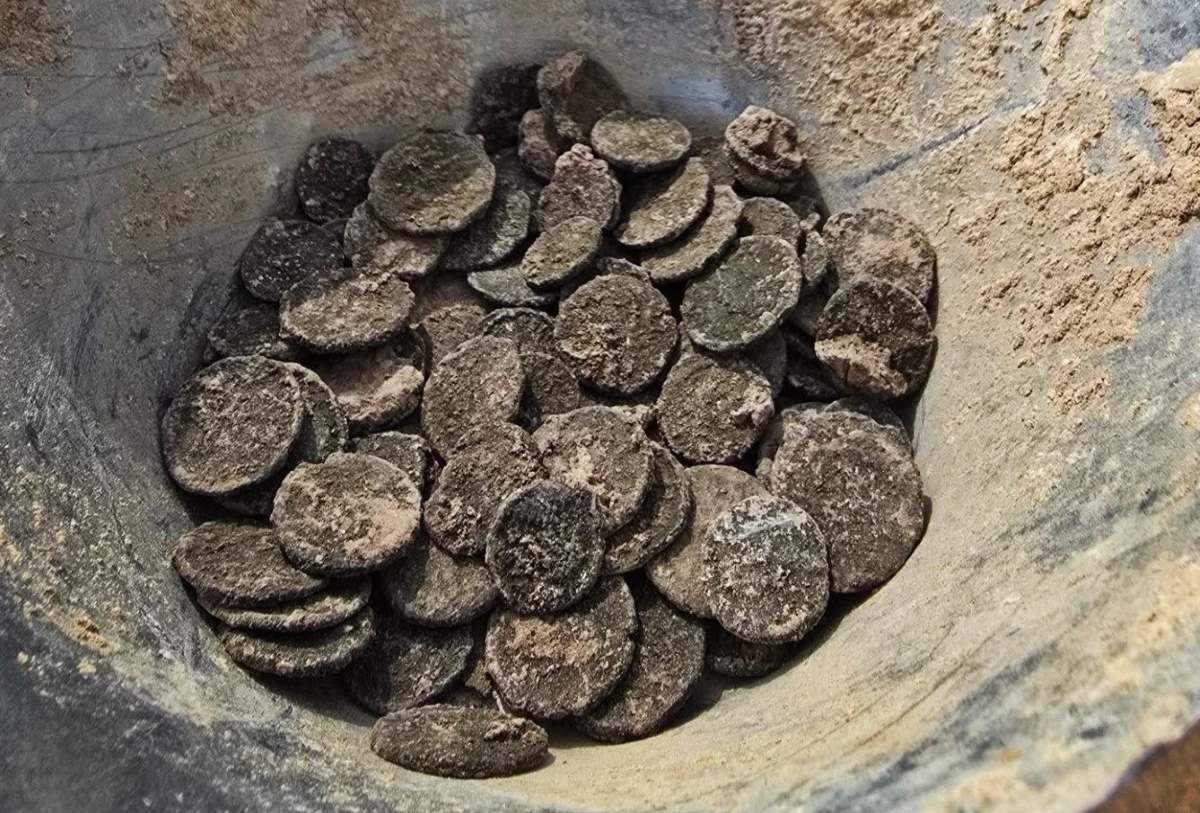
302 Roman Coins Found in Croatia May Mark the Last Pay of a Danube Watchtower Garrison
The first coin appeared in the soil of a defensive ditch. Then another surfaced. Within a small area near the village of Mohovo in eastern Croatia, archaeologists soon realized they were not dealing with ordinary lost change, but with a concentrated hoard of 302 Roman coins buried beside a frontier watchtower on the Danube. The…
-
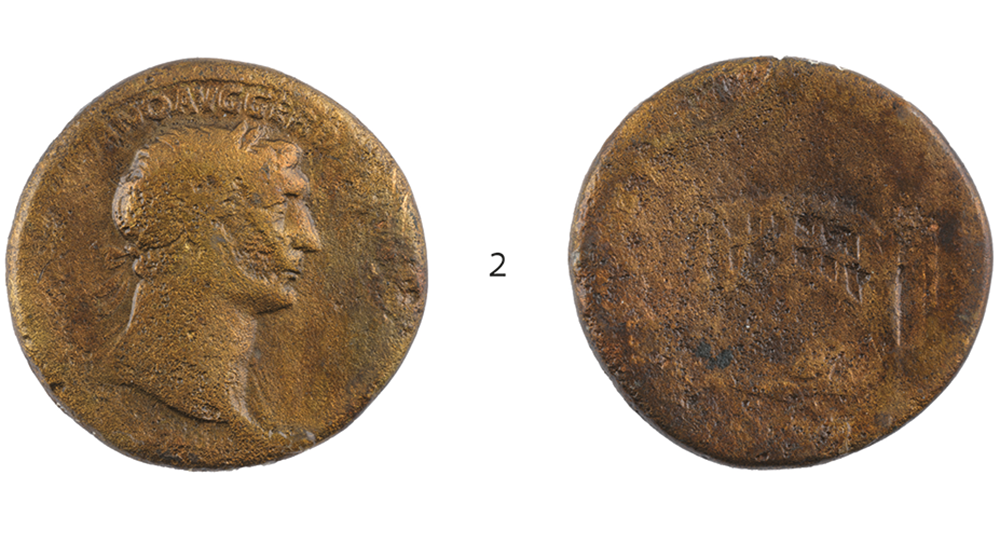
A 1,600-Year-Old Roman Purse May Reveal How People Paid When Rome’s Coins Ran Dry
A Roman purse found in a fifth-century grave at Oudenburg in Belgium may preserve a rare glimpse of everyday life at the moment when Rome’s small change stopped being enough. At first, the object did not look like much. It was a compact lump of corroded metal, earth and mineralized textile, recovered from Grave A-104…
-
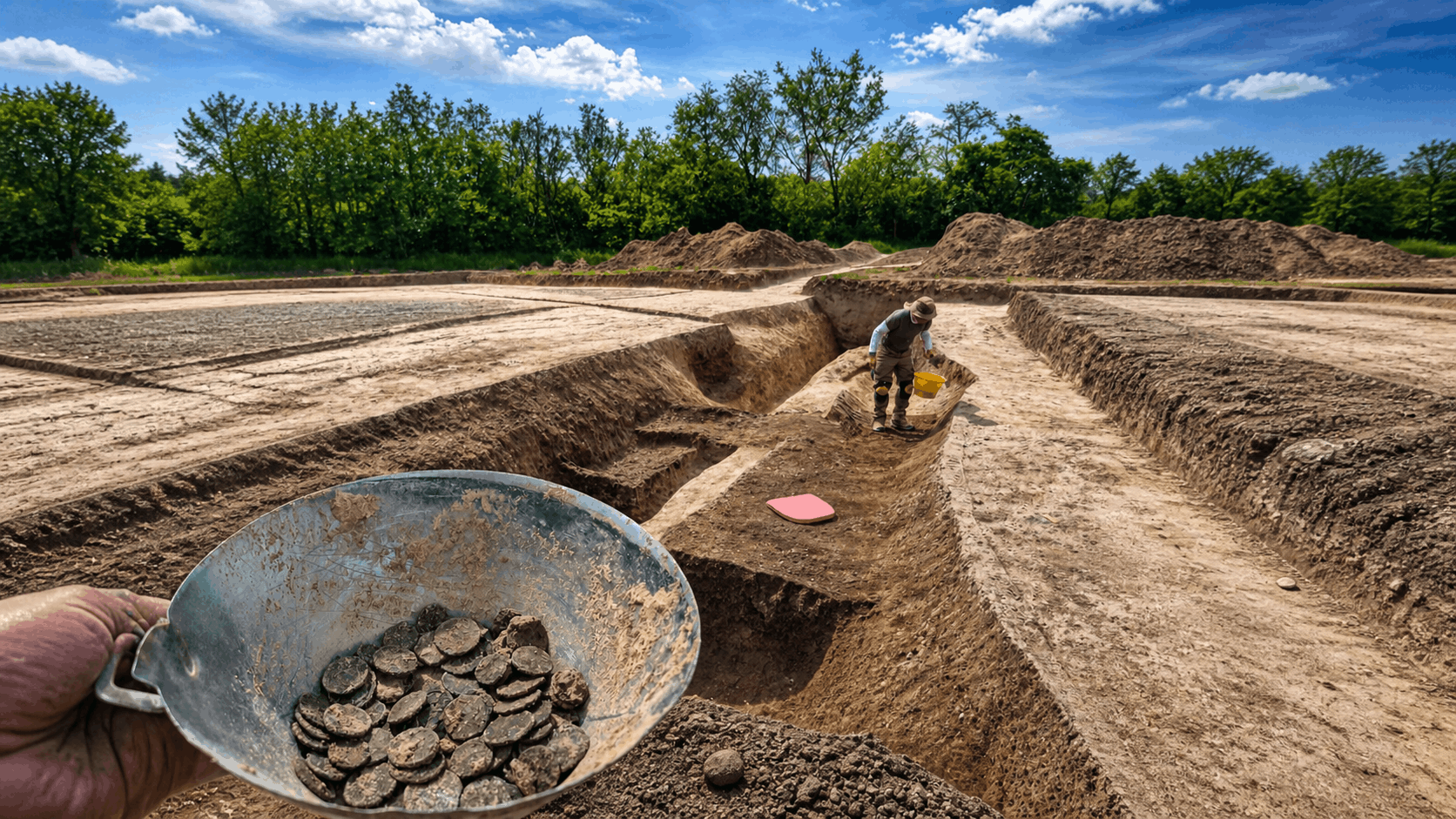
Nearly 300 Roman Coins Found Where Soldiers May Have Buried Their Pay on Croatia’s Danube Frontier
Nearly 300 Roman coins have been discovered near the Danube in eastern Croatia, where archaeologists believe a small frontier garrison may have buried its pay during a moment of danger. The hoard was unearthed in Mohovo, a village on the banks of the Danube River, during archaeological excavations focused on the Roman Empire’s defensive network…
-

Roman Silver and Gold Hoard Illegally Excavated in Lower Saxony Finally Revealed After 8 Years of Secrecy
A vast Roman-era hoard hidden for eight years has come to light in Lower Saxony, Germany — after the man who secretly unearthed it finally confessed to authorities. In 2017, metal detectorist Jannik Pauli illegally discovered a remarkable Roman coin and silver hoard near Borsum, in the Hildesheim district. The cache included around 450 silver…