-
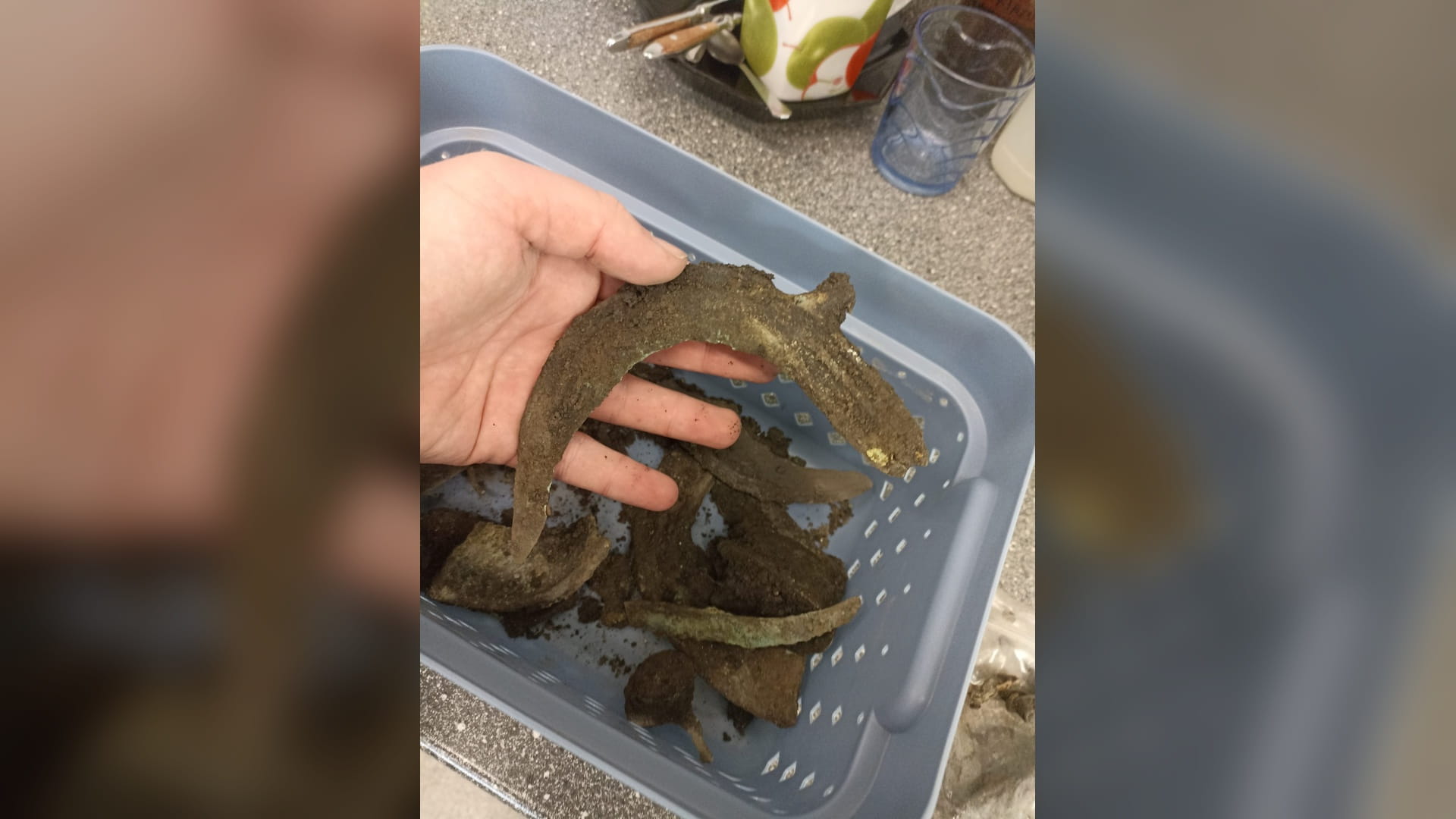
Archaeologists Find 3,000-Year-Old Hoard of Deliberately Broken Bronze Tools in Czech Wetland
Archaeologists near Kojetín in the Czech Republic have discovered a hoard of bronze tools that were used, deliberately damaged and then deposited in a wetland more than 3,000 years ago. The find includes nine bronze sickles, part of a sword blade, fragments of ornaments, three metal ingots and two unfinished objects. Researchers believe the assemblage…
-

Why Was a Rare Bronze Age Sword Left in the Meuse River 3,000 Years Ago?
More than 3,000 years after a rare weapon entered the Meuse near Buggenum in the Netherlands, archaeologists still cannot answer that question with certainty. What they do know is that the sword was too valuable to be treated as an ordinary lost object. The sword was discovered in 1964 during dredging work in an old…
-
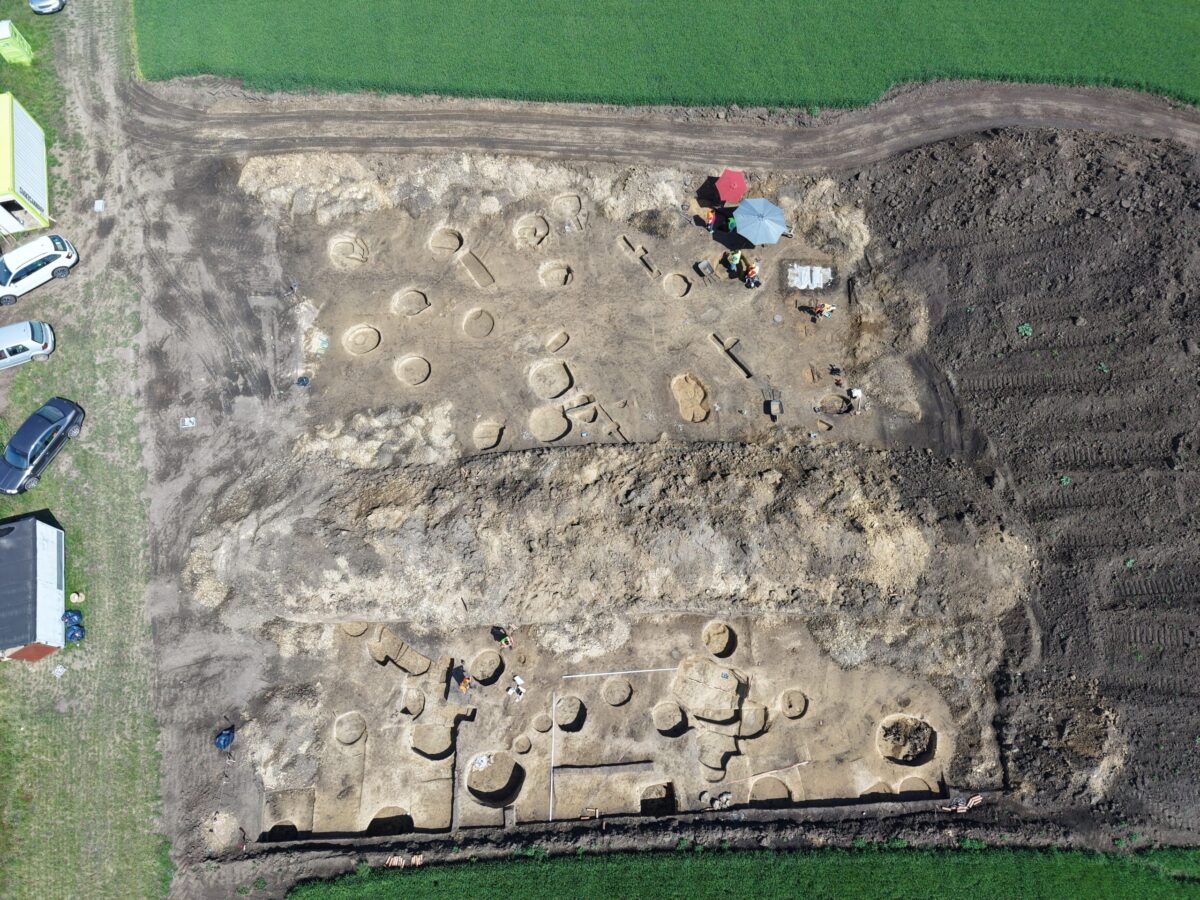
Roman Tool Discovered in Czech Republic May Reveal How Legionary Chainmail Was Made
A small iron plate, punctured with a precise sequence of holes, may hold the key to how Roman craftsmen produced one of the empire’s most recognizable forms of armor. Discovered in the Czech Republic, the object appears to have been used to draw metal wires—an essential step in the production of Roman chainmail. Archaeologists believe…
-
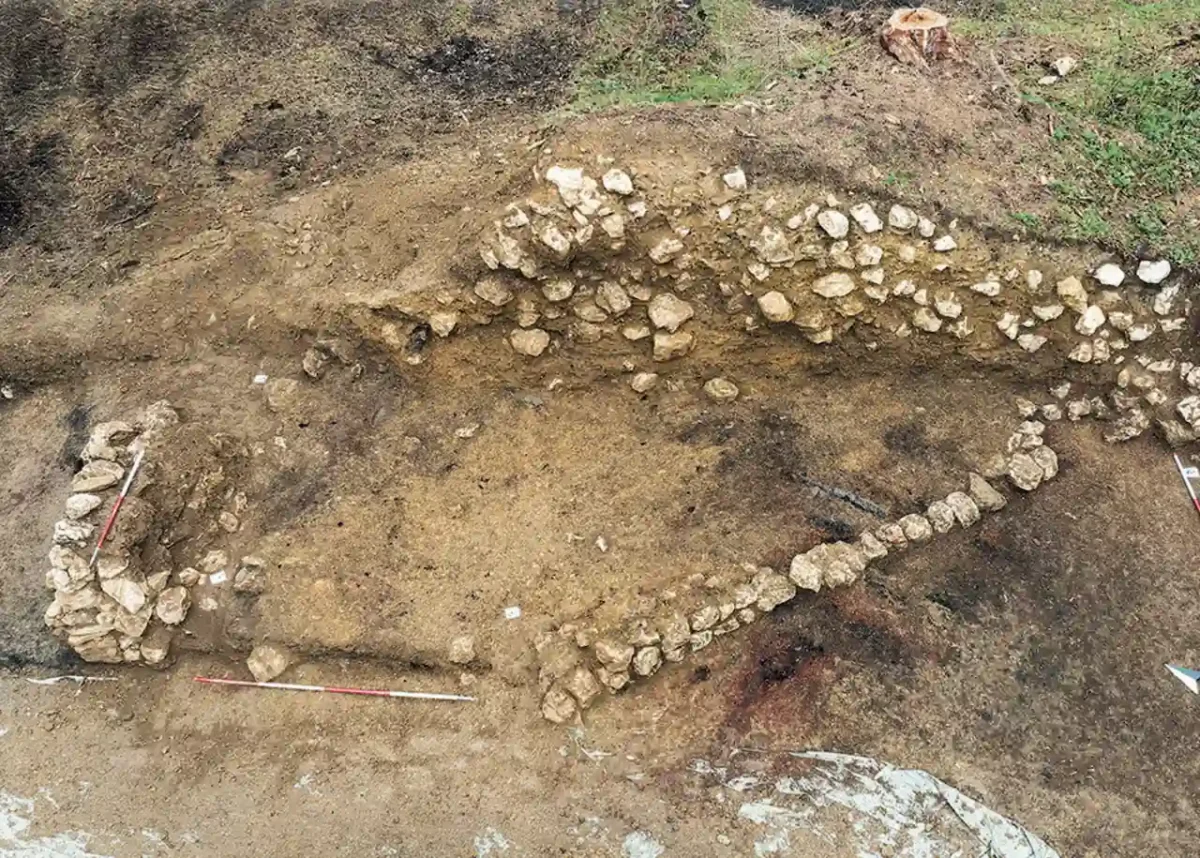
Bronze Age Ceremonial Site Discovered in Bosnia
A quiet hill above the Lašva River in Bosnia and Herzegovina has produced one of the most puzzling discoveries in recent Balkan archaeology. What looked like an ordinary rise in the landscape turned out to conceal a Bronze Age ceremonial site built around a wall that doesn’t defend anything. Instead of enclosing space, the structure…
-
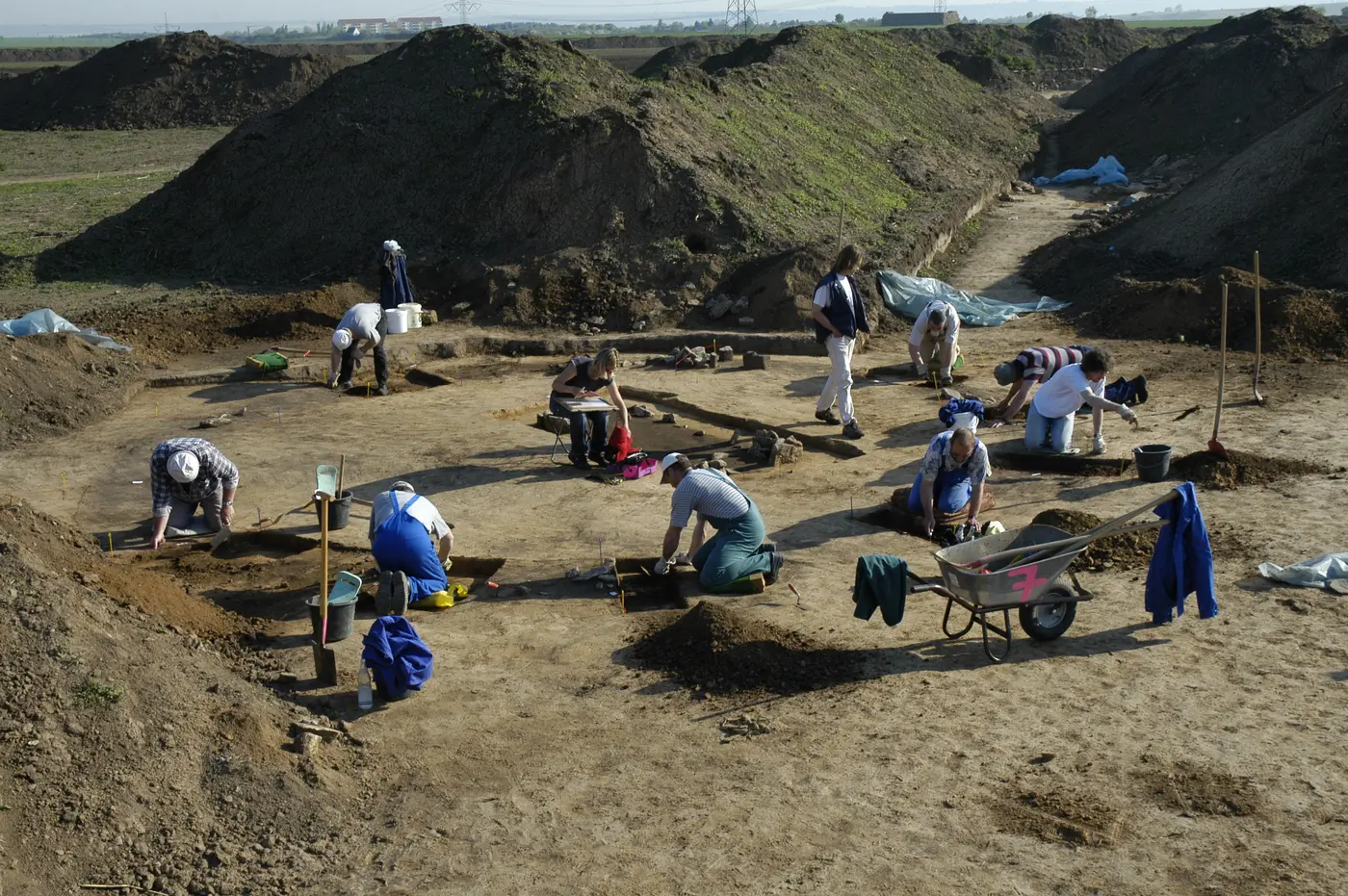
Life and Death in Bronze Age Europe Revealed Through Rare Burials
For generations, the Late Bronze Age of Central Europe has been defined by fire. Between roughly 1300 and 800 BCE, communities associated with the Urnfield culture increasingly cremated their dead, placing ashes in urns and burying them in carefully organized cemeteries. The ritual transformed Europe’s mortuary landscape — but it also erased much of the…
-
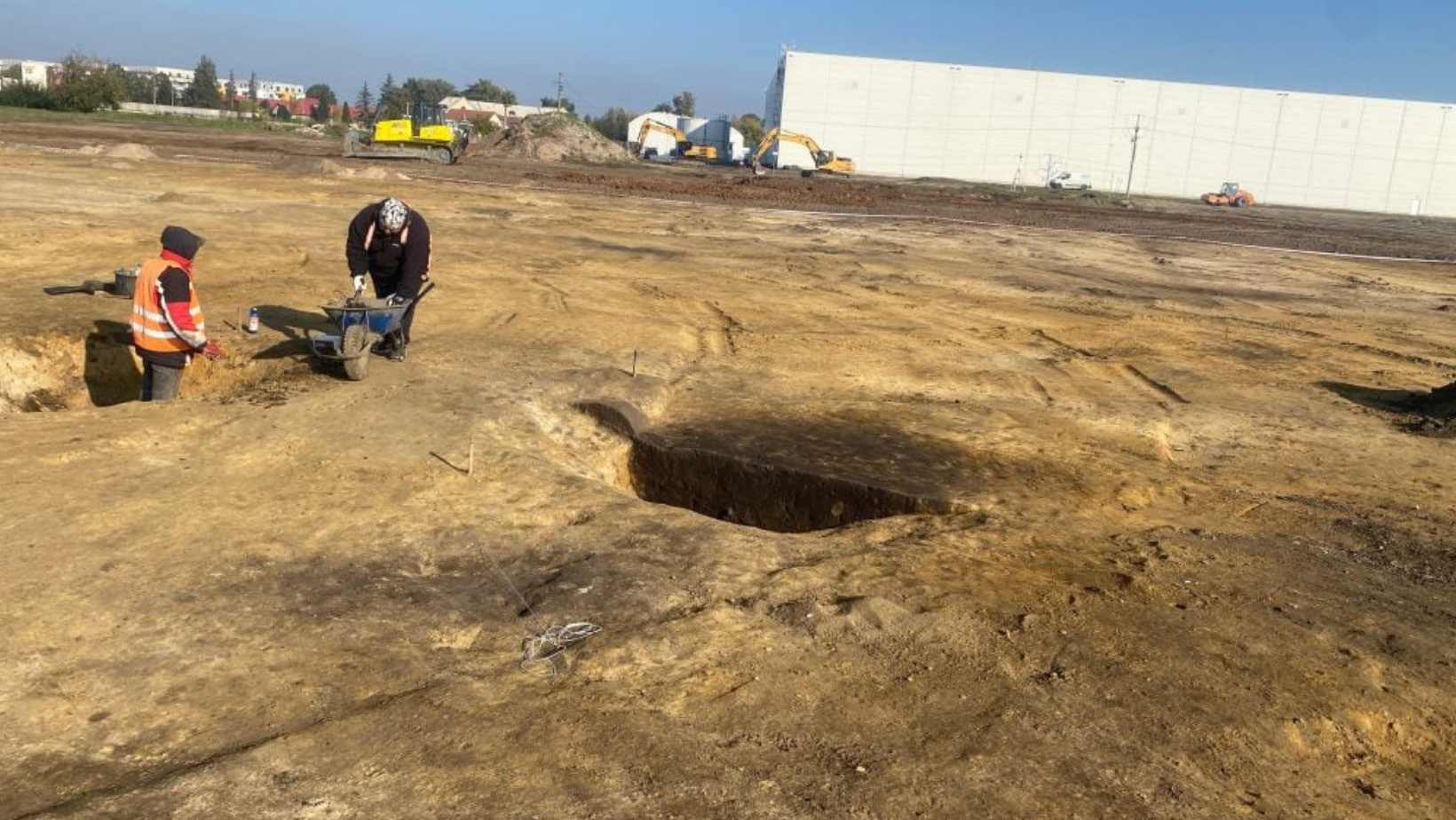
3,000-Year-Old Bronze Age Village Emerges Beneath a Czech Construction Site
Archaeologists from the East Bohemian Museum in Pardubice have unearthed the remains of a 3,000-year-old Bronze Age village during a rescue excavation in the town of Dašice, ahead of a planned construction project. What began as a routine preventive investigation quickly turned into one of the region’s most instructive glimpses into everyday prehistoric life. A…