-
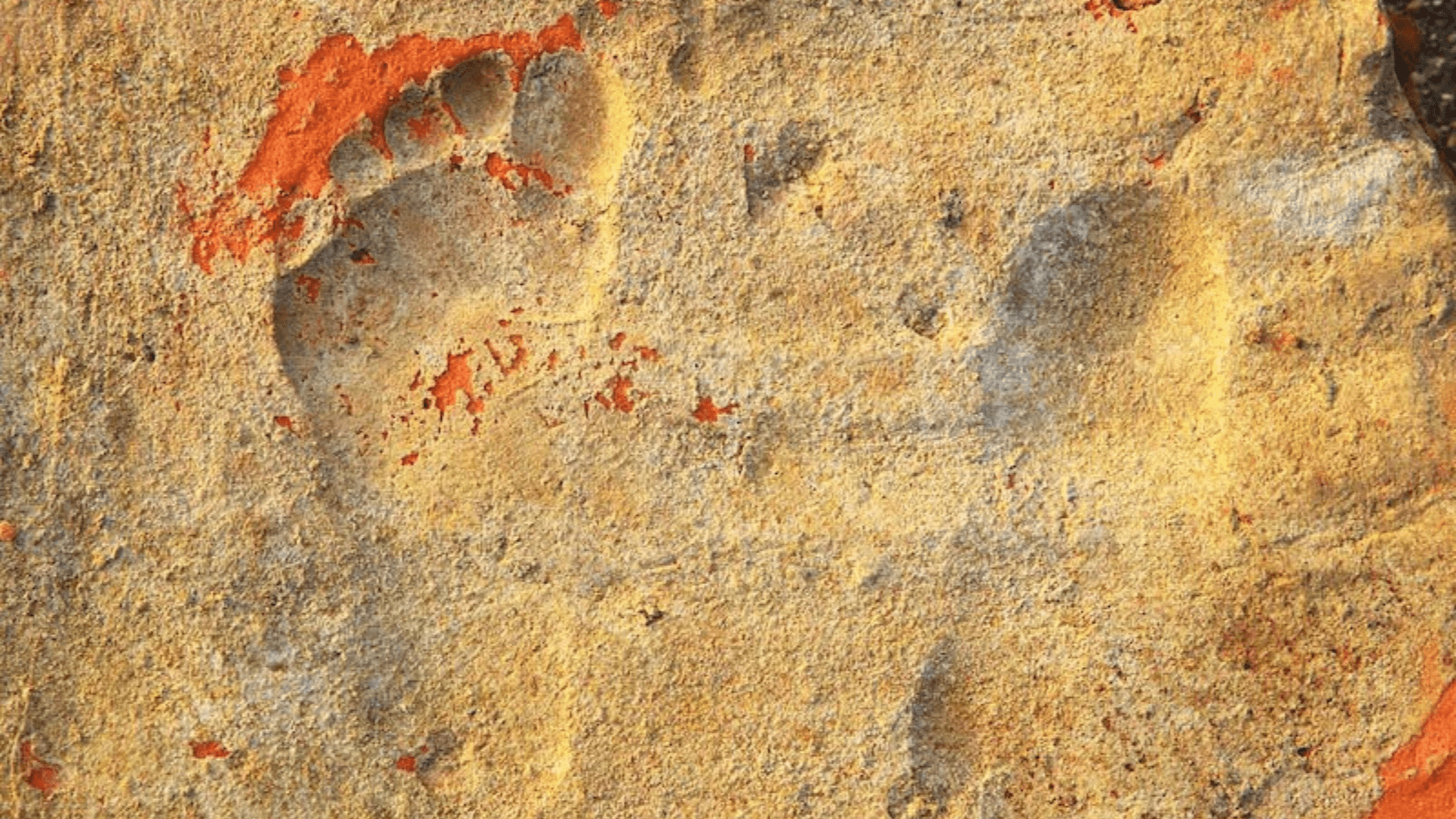
Three Children Left Their Footprints at Stratonikeia 1,900 Years Ago
The monumental ruins of Stratonikeia preserve the names of rulers, the decisions of civic officials and the ambitions of wealthy builders. Its latest discovery records something far quieter: the footsteps of three children who lived nearly 1,900 years ago. Archaeologists uncovered the footprints during excavations at a Roman bath complex in the ancient city, located…
-
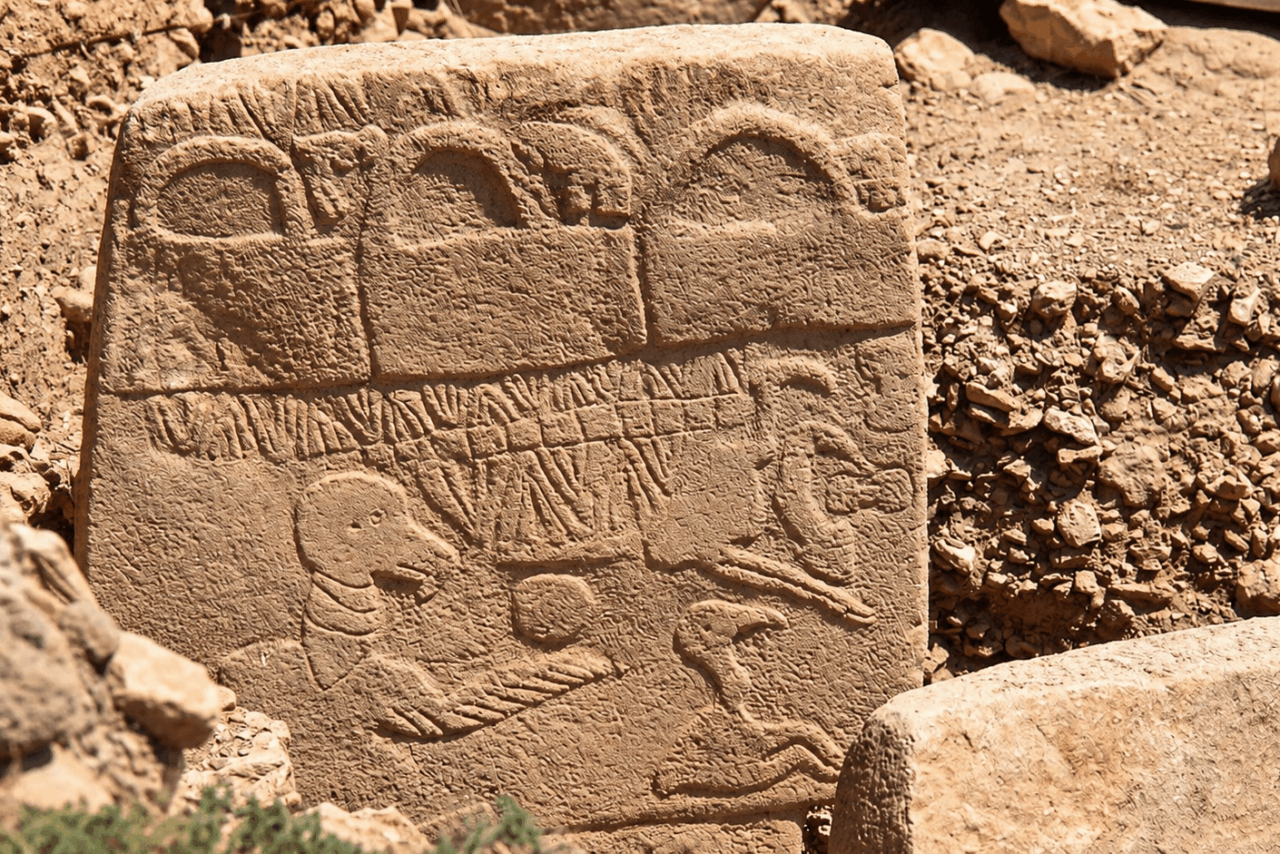
Three Mysterious Carvings May Reveal How Göbekli Tepe Was Designed 12,000 Years Ago
Long before written plans and measuring instruments entered the archaeological record, Göbekli Tepe’s builders were arranging enormous stone pillars within carefully organized monumental spaces. Three carvings on the site’s famous Pillar 43 may offer an unexpected clue to how those architectural ideas were visualized. Before a single pillar could be raised at Göbekli Tepe, someone…
-
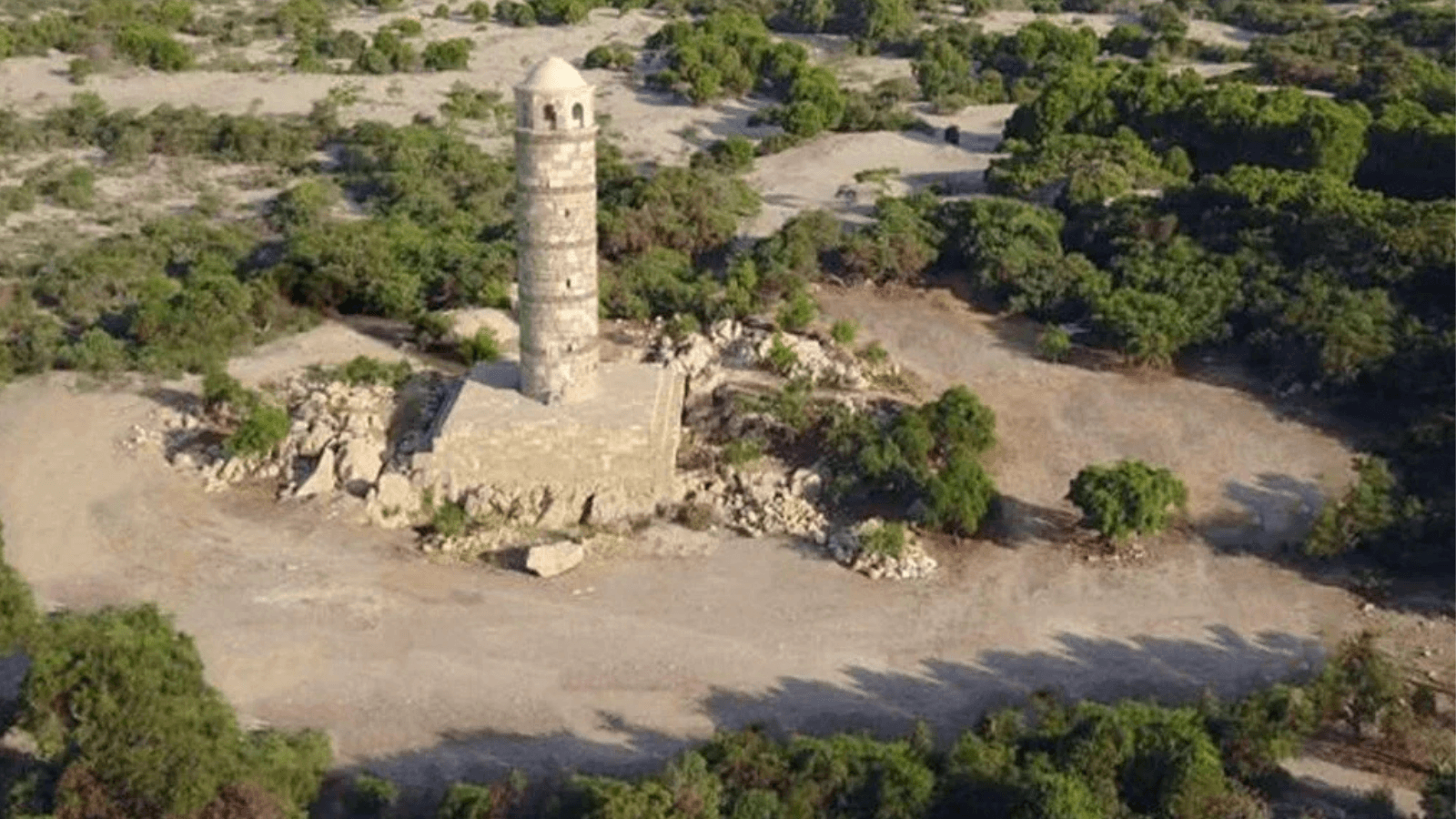
A 545-Year-Old Tsunami May Explain the Destruction of Patara’s Roman Lighthouse
Patara’s Roman Lighthouse stood at the entrance to one of ancient Lycia’s most important harbors for more than a thousand years. A new study now suggests that a devastating earthquake and tsunami in 1481 may help explain how the long-lived monument was finally destroyed. The disaster struck on May 3, 1481, when a major earthquake…
-
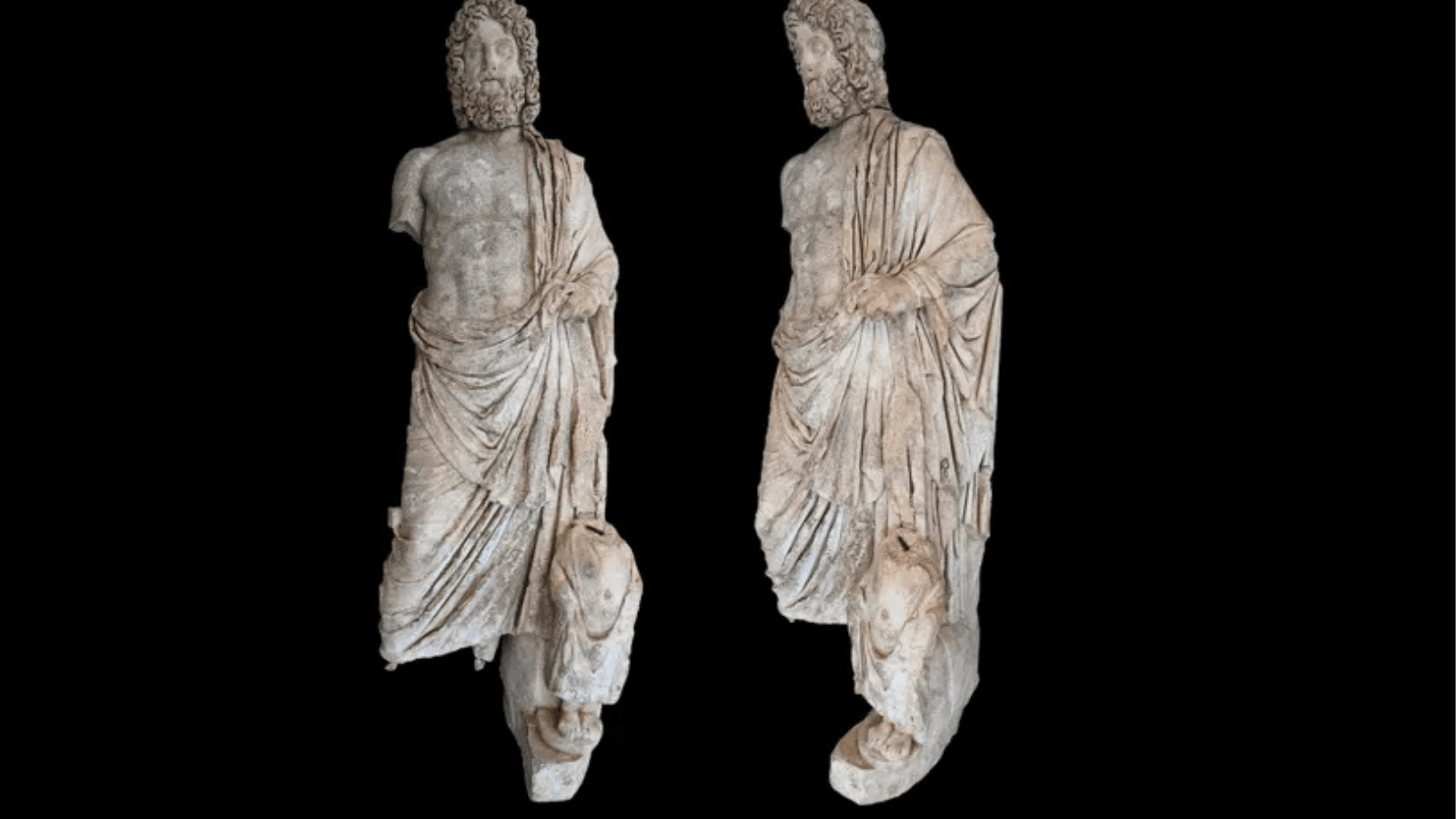
A 2.2-Meter Statue of the God of Medicine Emerges from a Monumental Gateway at Aspendos
Archaeologists excavating Aspendos in southern Türkiye have uncovered a 2.20-meter-high marble sculpture of Asclepius accompanied by Telesphorus, adding new evidence for the worship of healing deities in the Roman city. The sculpture group came to light amid fallen stone blocks from the northern section of a monumental gateway beside the East Square, according to Türkiye’s…
-
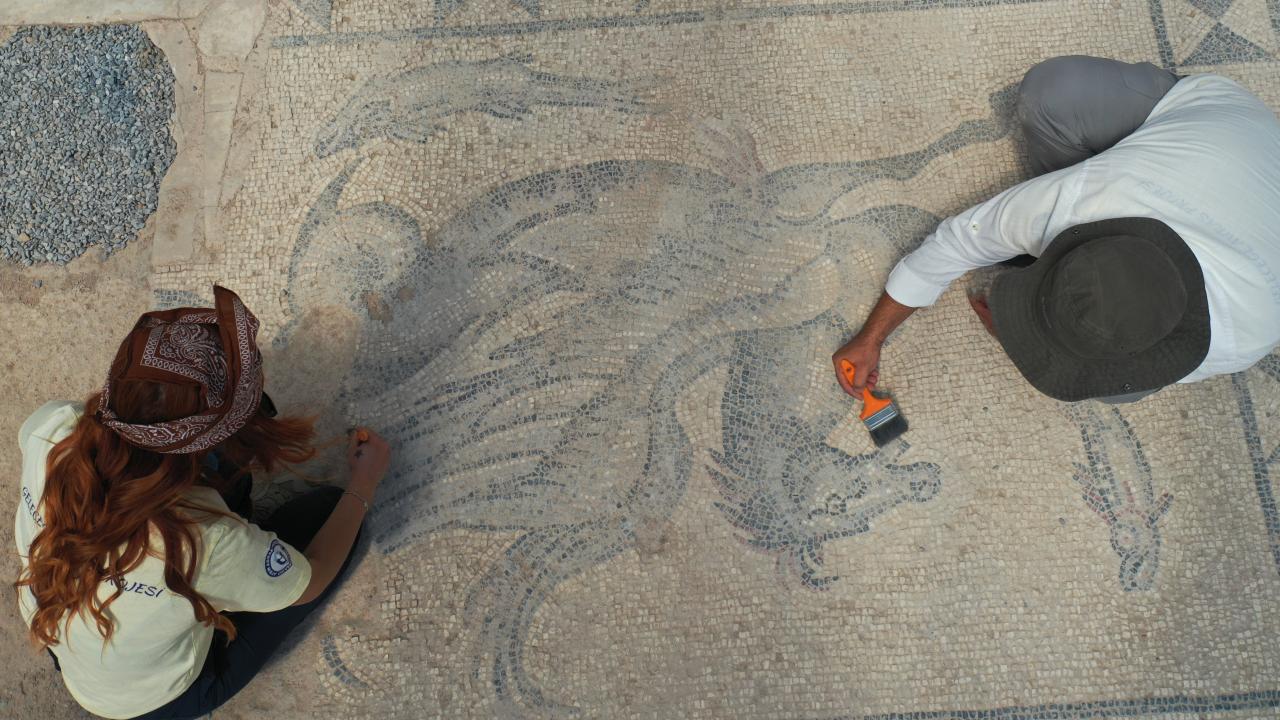
2,000-Year-Old Mosaic of Poseidon’s Mythical Sea Horse Found Beneath Byzantine Workshop at Tralleis
Archaeologists excavating the ancient city of Tralleis in western Türkiye have uncovered an exceptionally well-preserved Roman floor mosaic depicting a hippocampus, the mythical sea horse associated with Poseidon. Dating back nearly 2,000 years, the mosaic was discovered in a newly excavated hall within the northern section of the city’s monumental bath-gymnasium complex. Significant parts of…
-
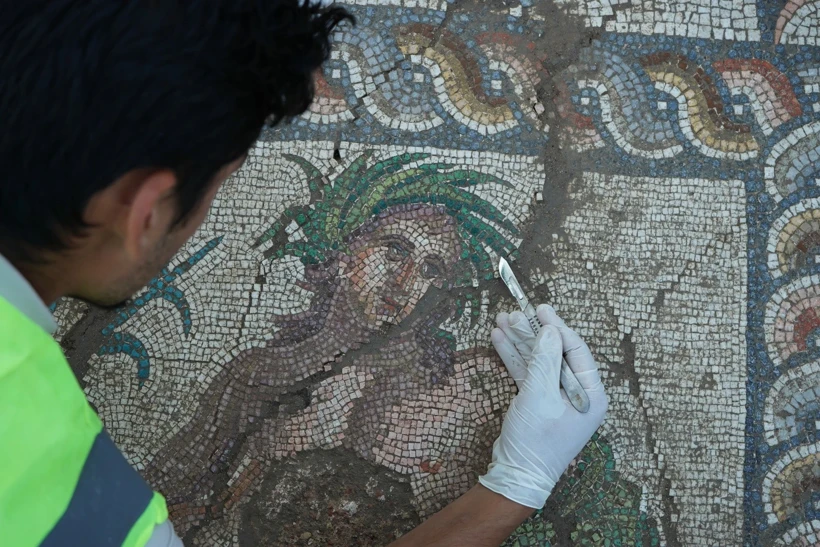
1,800-Year-Old River God Mosaic Found in Ancient Aspendos
A Roman mosaic uncovered in Aspendos has brought back the image of Eurymedon, the river that once fed the city’s fields, trade, and imagination. Archaeologists discovered the mosaic in the eastern square of Theater Street, the route linking the acropolis of Aspendos with its famous Roman theater in Antalya, southern Türkiye. The decorated structure measures…
-
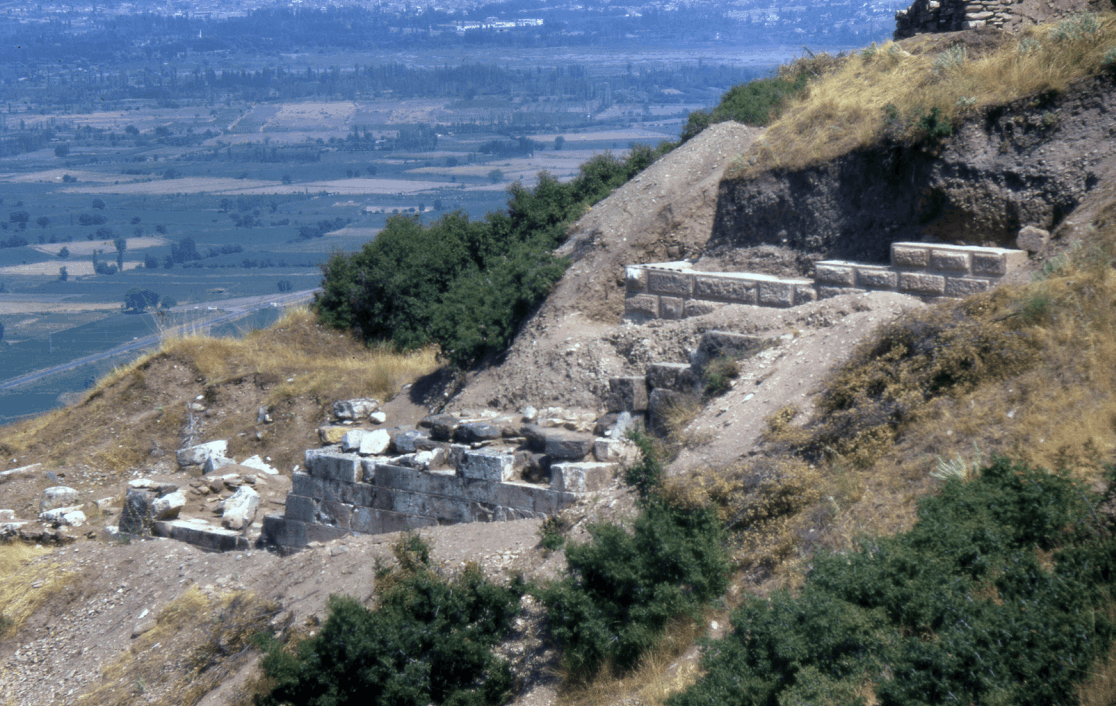
Before Croesus, 2,600-Year-Old Sardis Stepped Terraces Shaped Lydia’s Royal Capital
Sardis stepped terraces are giving archaeologists a new way to read one of the ancient world’s most powerful capitals: not only as a city of wealth, but as a city deliberately engineered into authority. A new study by Güzin Eren, published in Arkeoloji Dergisi, examines a group of 2,600-year-old stepped terraces built during the reign…
-
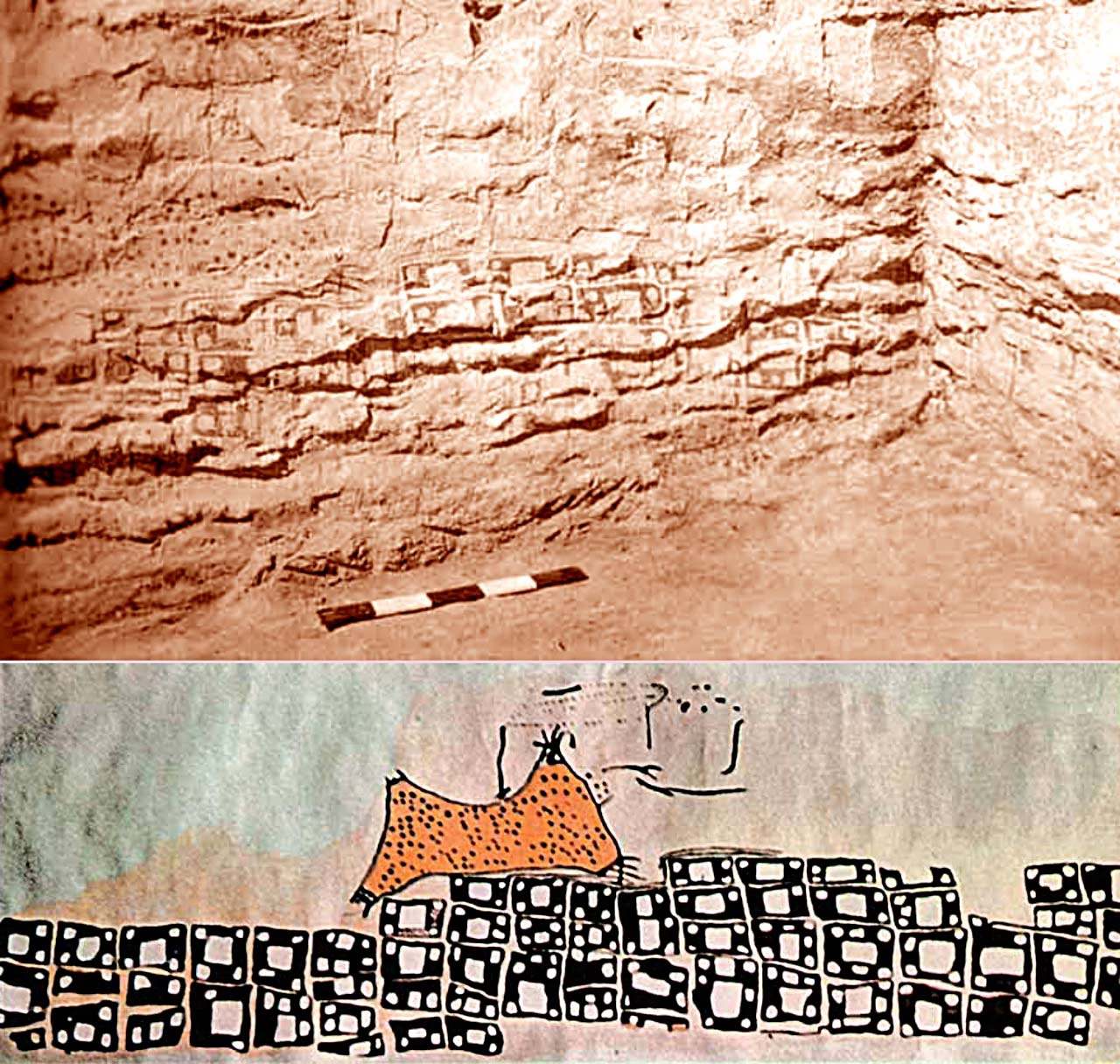
The World’s First Map at Çatalhöyük: 8,200 Years of Wisdom Etched in Earth
Long before satellites or cartographers, a Neolithic community in what is now central Türkiye created something extraordinary: a map—arguably the first in human history—not drawn on parchment or stone, but painted on the interior wall of a mudbrick house. This wall painting, measuring about 3 meters in length and 90 centimeters in height, is believed…