-
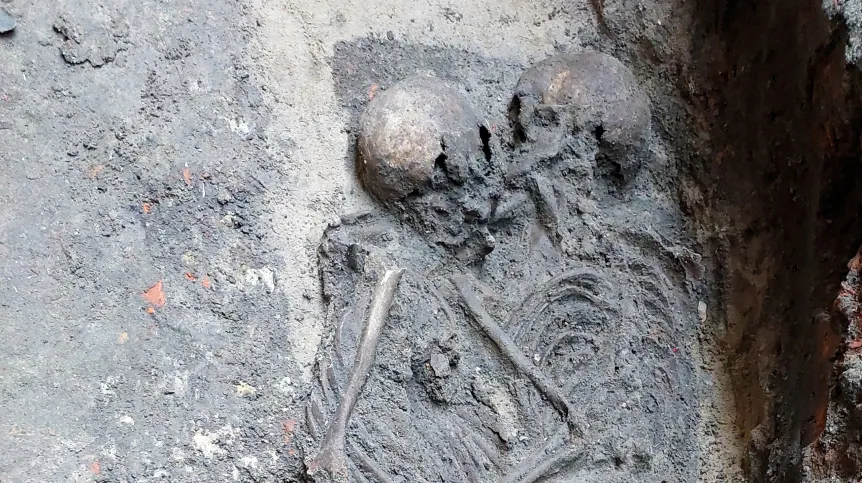
DNA Reveals Poland’s First Genetically Confirmed Same-Sex Medieval Burial
A rare same-sex medieval burial beside a cathedral wall in southern Poland is forcing archaeologists to rethink one of the oldest assumptions about people buried together: that closeness in death usually means family. In Opole, near the Cathedral of the Exaltation of the Holy Cross, researchers found the remains of two adults placed in a…
-

AI App Learns to Read Dinosaur Footprints—Without Knowing Their Names
At first glance, a fossilized dinosaur footprint looks deceptively simple. Three toes. A heel mark. But for paleontologists, identifying which dinosaur made which track has long been one of the field’s most stubborn puzzles. Now, a new artificial intelligence tool is offering a fresh way forward—by learning without labels. Researchers have launched DinoTracker, a free…
-
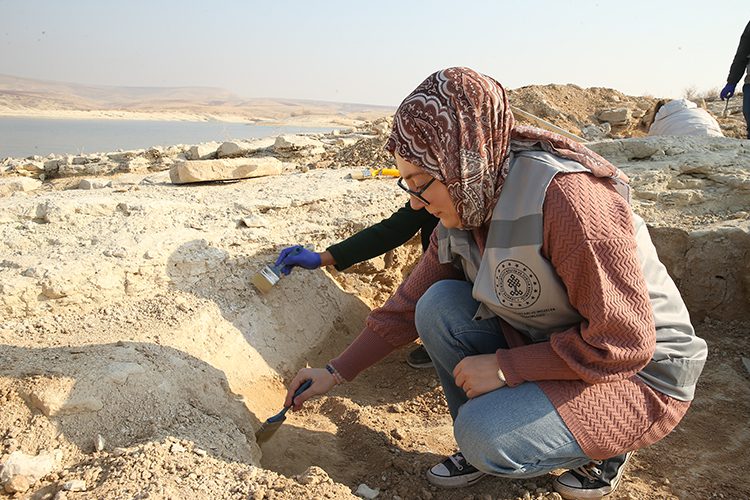
As the Euphrates Receded, Familiar Stones Emerged: Is the Taş Tepeler World Expanding?
When the waters of the Upper Euphrates pulled back, the stones left behind told a story archaeologists know well—but not from this place. Along the exposed shoreline of the Atatürk Dam reservoir in southeastern Türkiye, researchers have identified T-shaped stone elements—a form inseparable from the ritual landscape of Göbeklitepe. Their appearance here, hundreds of kilometers…
-
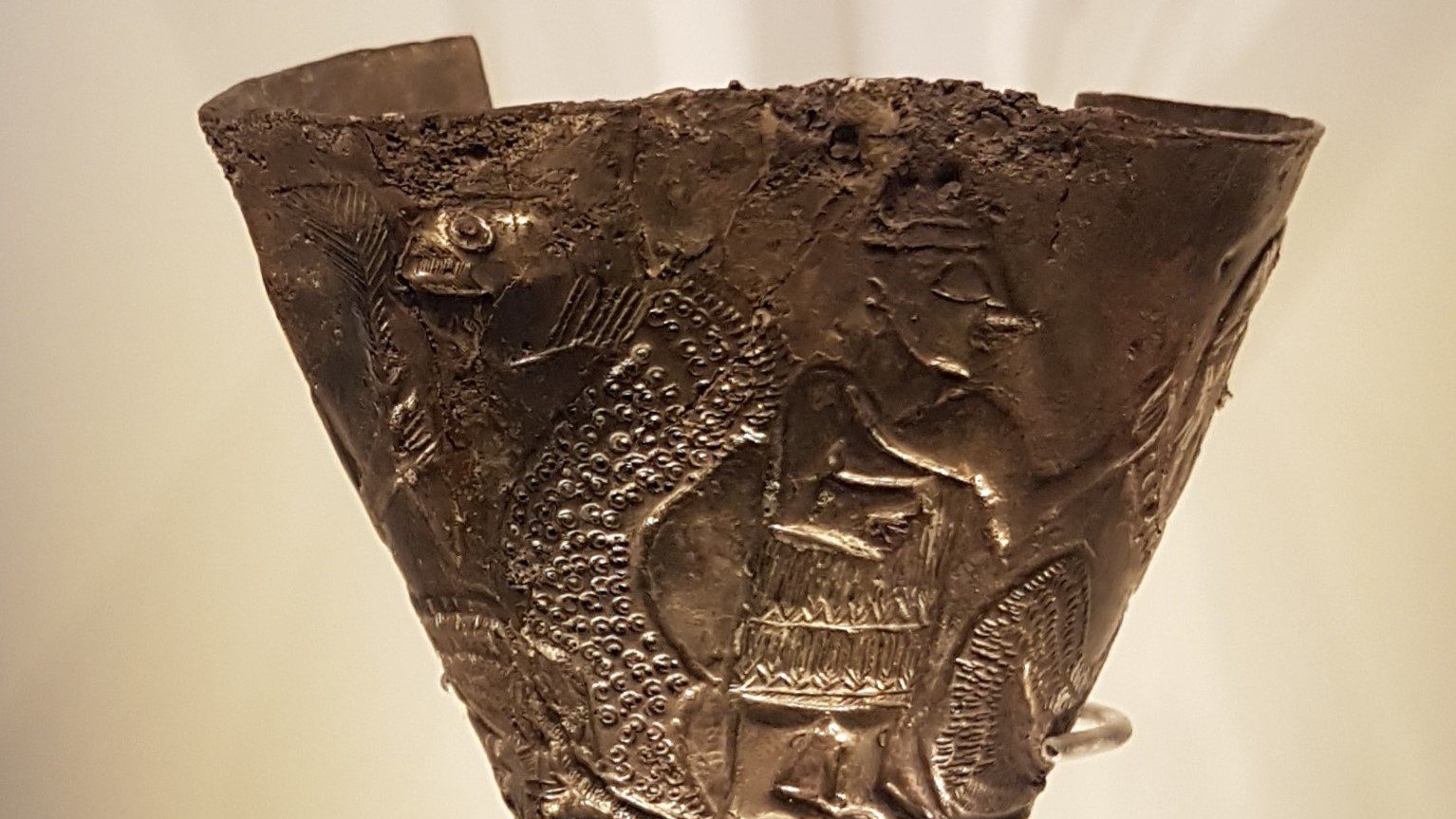
A 4,000-Year-Old Silver Goblet May Preserve One of Humanity’s Earliest Visions of the Cosmos
A small silver cup, barely taller than a matchbox, is reshaping how archaeologists think about the origins of cosmic thought. Known as the ʿAin Samiya Goblet, the vessel dates to the Intermediate Bronze Age (ca. 2650–1950 BCE) and carries an unusually complex symbolic program—one that may predate written creation myths by centuries. An Object That…
-
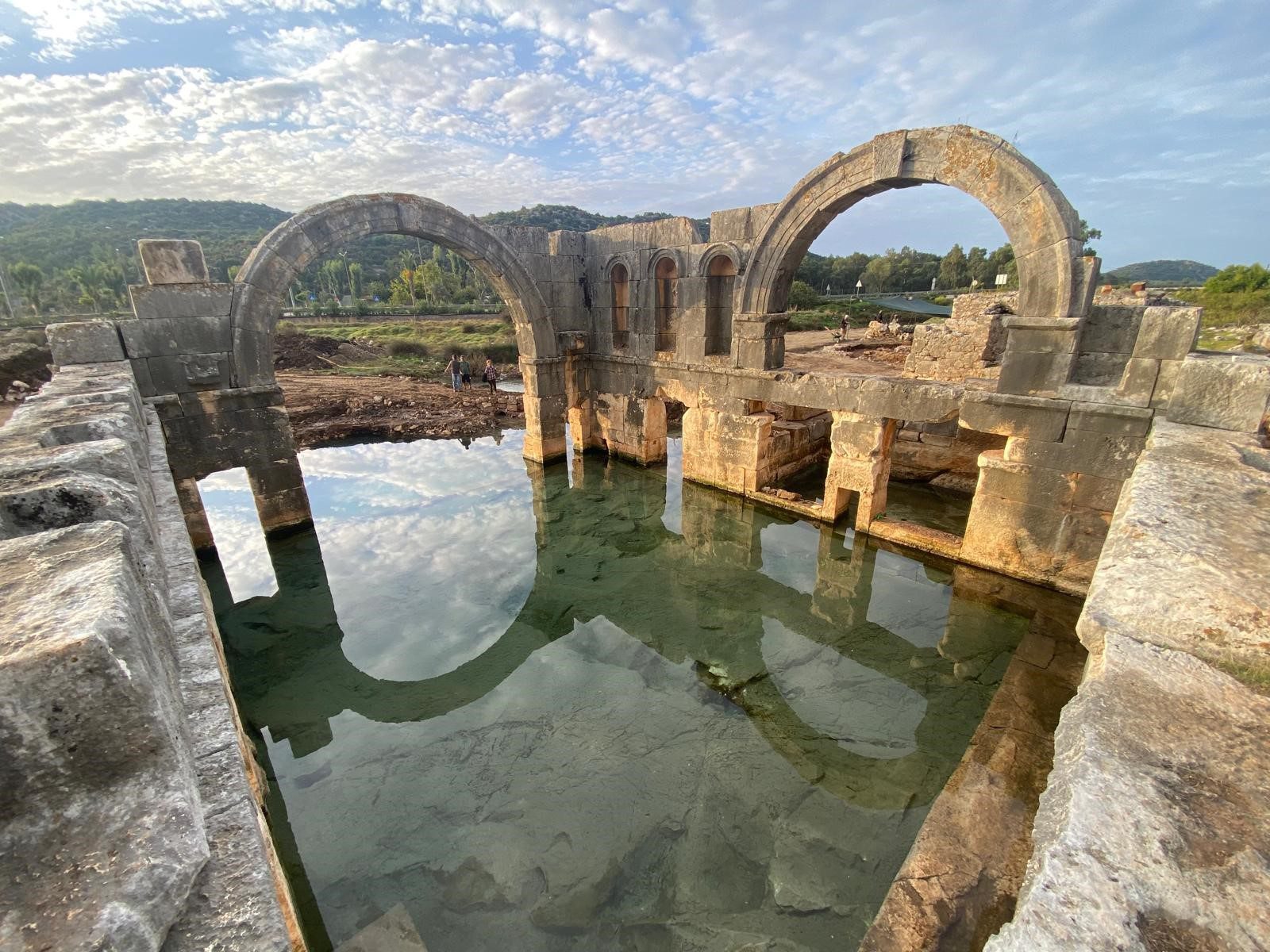
An 1,800-Year-Old Roman Bath Unlike Any Other Is Uncovered at Ancient Myra
At Myra Ancient City, archaeologists have uncovered an 1,800-year-old Roman bath whose design does not correspond to any known bath or water monument in the region. The discovery introduces a previously undocumented type of Roman thermal architecture, reshaping long-held assumptions about imperial-era building practices in Lycia. A Site Long Known, but Long Untouched The structure…
-

A Jewel of Power: Pearl-Inlaid Ivory Archer’s Ring from an Artuqid Palace Stuns Archaeologists
Archaeologists working at Hasankeyf have uncovered an object so rare that it has no known parallel in medieval archaeology. During the 2025 excavation season, a luxuriously decorated ivory archer’s ring (zihgir)—inlaid with pearls, silver, and turquoise—was discovered within the Great Palace complex, immediately raising questions about power, identity, and elite display in medieval Anatolia. An…
-

One of the World’s Oldest Churches Reopens in Aqaba, Dating Back to Around 290 AD
Jordan’s Red Sea port city of Aqaba has brought one of early Christianity’s rarest monuments back into public view. The Aqaba Archaeological Church, dated to around 290 AD, has officially reopened following a comprehensive restoration, reaffirming its place among the earliest known Christian churches in the world. A Church Built Before Christianity Was Legal What…