-
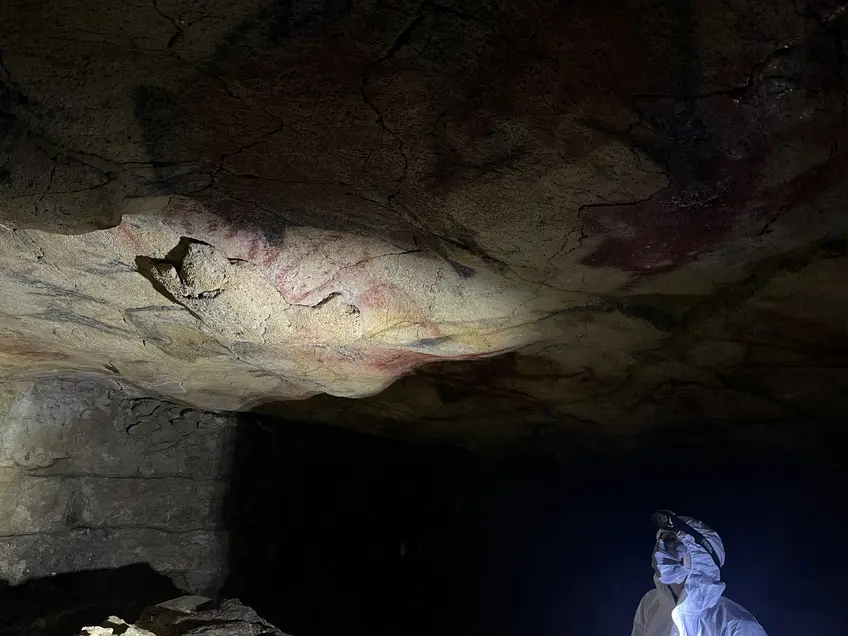
Ancient Human DNA Found on Cave Walls for the First Time
A cave wall is not usually treated like a genetic archive. In Spain and Portugal, however, researchers have recovered ancient human DNA from the surface of cave walls, including areas close to prehistoric rock art. The study, led by the Max Planck Institute for Evolutionary Anthropology and published in Nature Communications, examined 24 rock art…
-
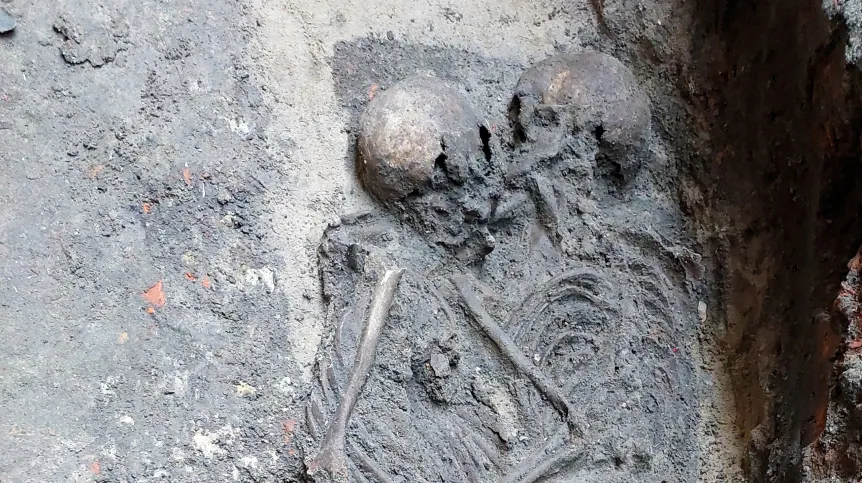
DNA Reveals Poland’s First Genetically Confirmed Same-Sex Medieval Burial
A rare same-sex medieval burial beside a cathedral wall in southern Poland is forcing archaeologists to rethink one of the oldest assumptions about people buried together: that closeness in death usually means family. In Opole, near the Cathedral of the Exaltation of the Holy Cross, researchers found the remains of two adults placed in a…
-
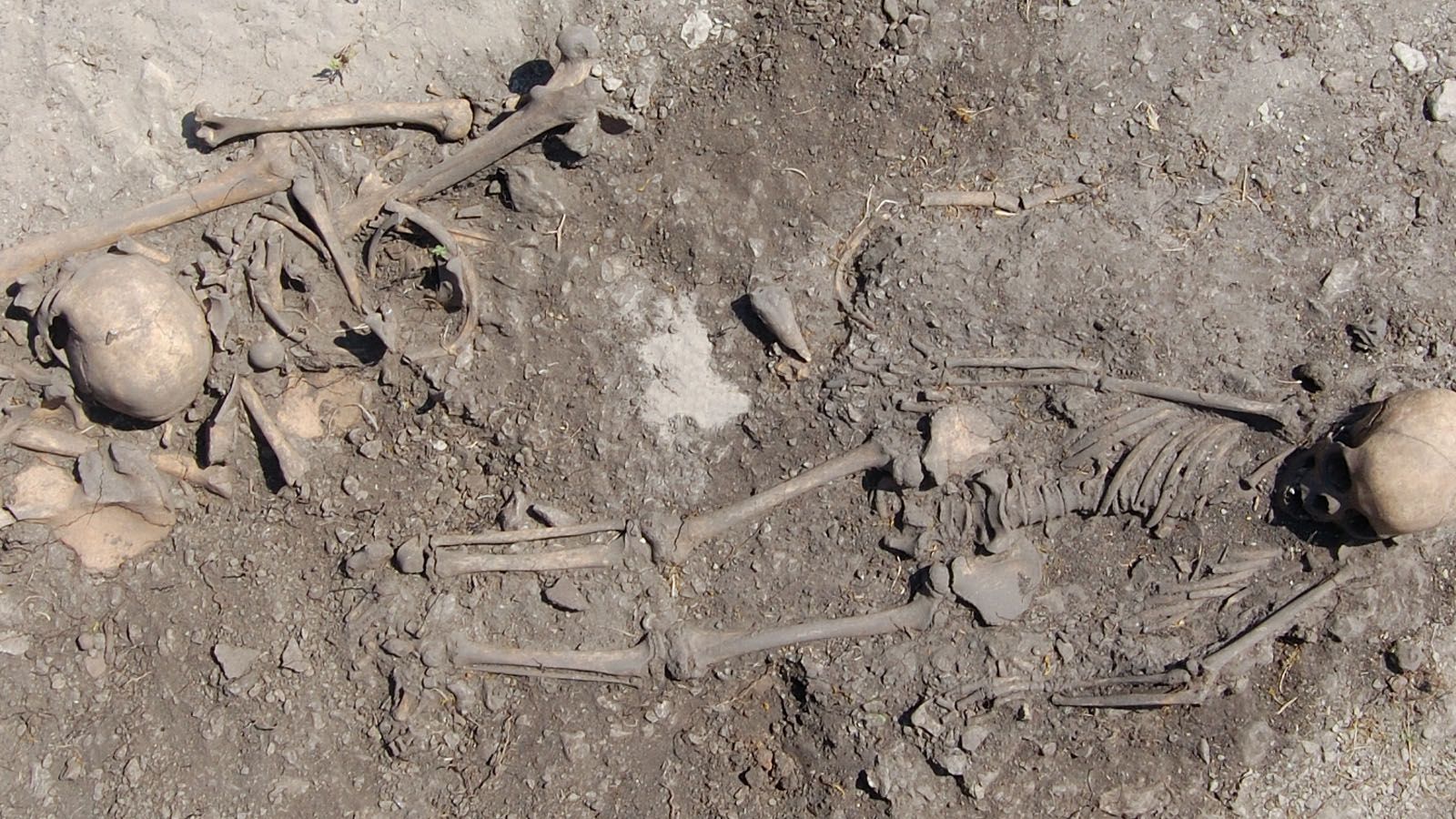
DNA Reveals Family Bonds Shaped 5,500-Year-Old Burials on Gotland’s Baltic Coast
On a windswept stretch of the Baltic coast, long before Scandinavia’s medieval towns or Viking ships, families were making deliberate choices about where their dead would rest. Now, new genetic research is showing that those decisions were anything but accidental. A major archaeogenetic study led by researchers at Uppsala University has reconstructed family relationships within…
-
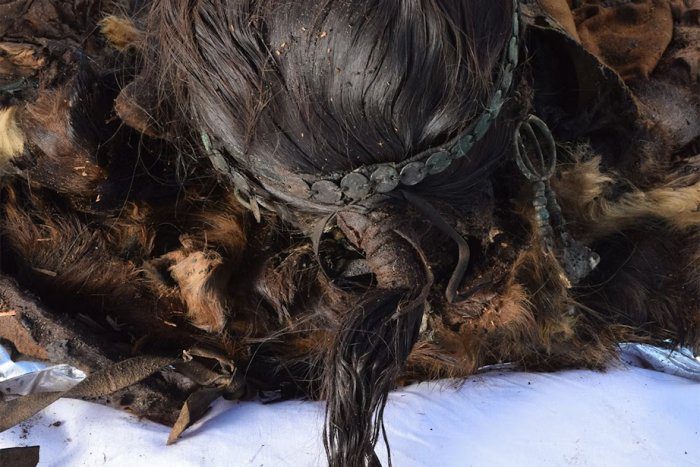
Frozen for 250 Years: DNA Reveals the Defiant Life of Siberia’s Last Shaman
In the deep cold of northeastern Siberia, where winter still reaches –50°C, the past does not decay—it waits. Now, cutting-edge genetic research has given voice to one of the most enigmatic figures ever recovered from the permafrost: an 18th-century Yakut shaman whose life and lineage overturn long-standing assumptions about conquest, culture, and survival. A large-scale…
-
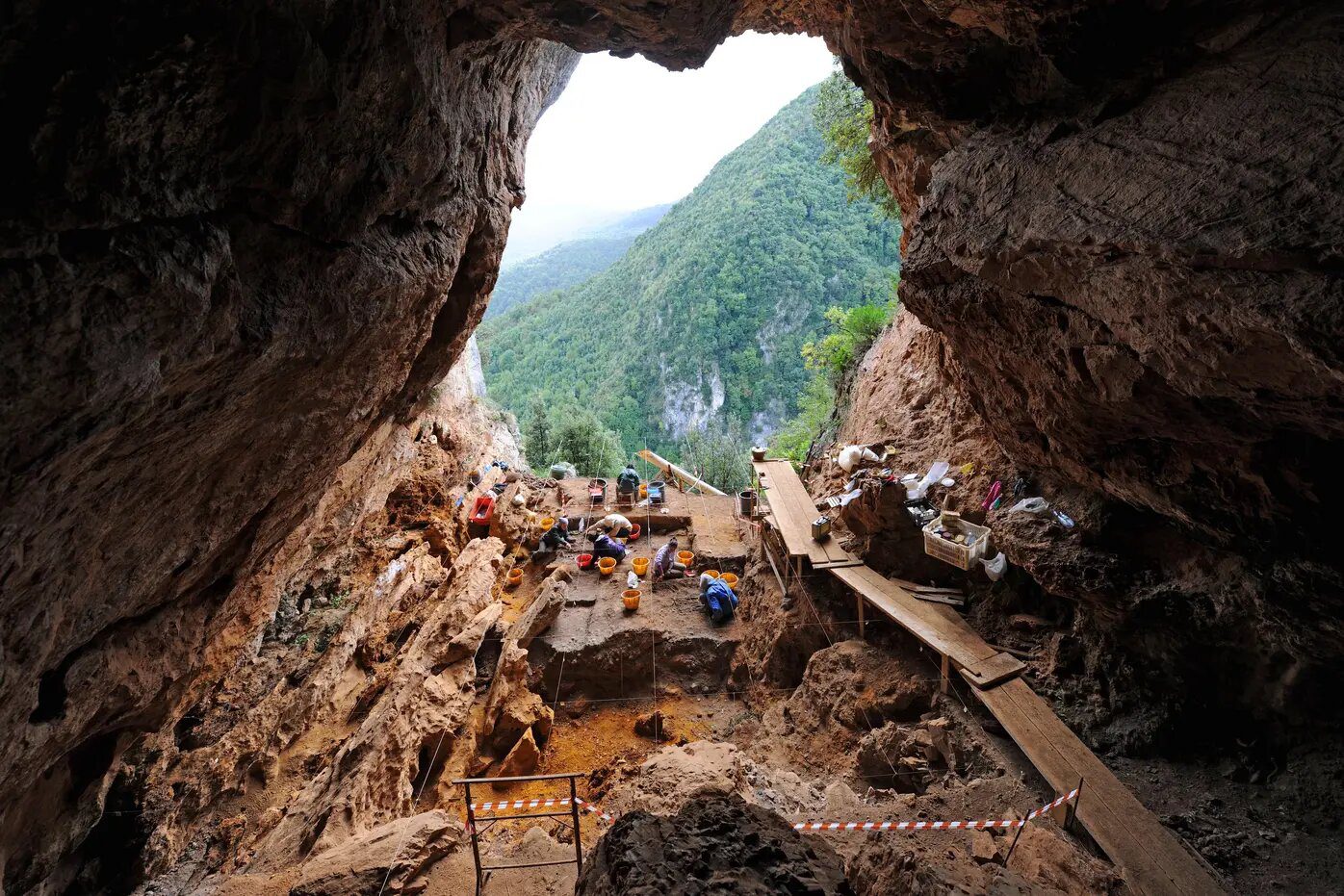
DNA Reveals the Hidden Social Life of a 3,500-Year-Old Bronze Age Community in Southern Italy
Deep in the rugged mountains of southern Italy, a prehistoric cave has quietly preserved the genetic memory of a forgotten Bronze Age community. Now, for the first time, scientists have reconstructed the biological and social fabric of this small society—revealing how people lived, moved, ate, and even organized family life in Calabria some 3,500 years…
-
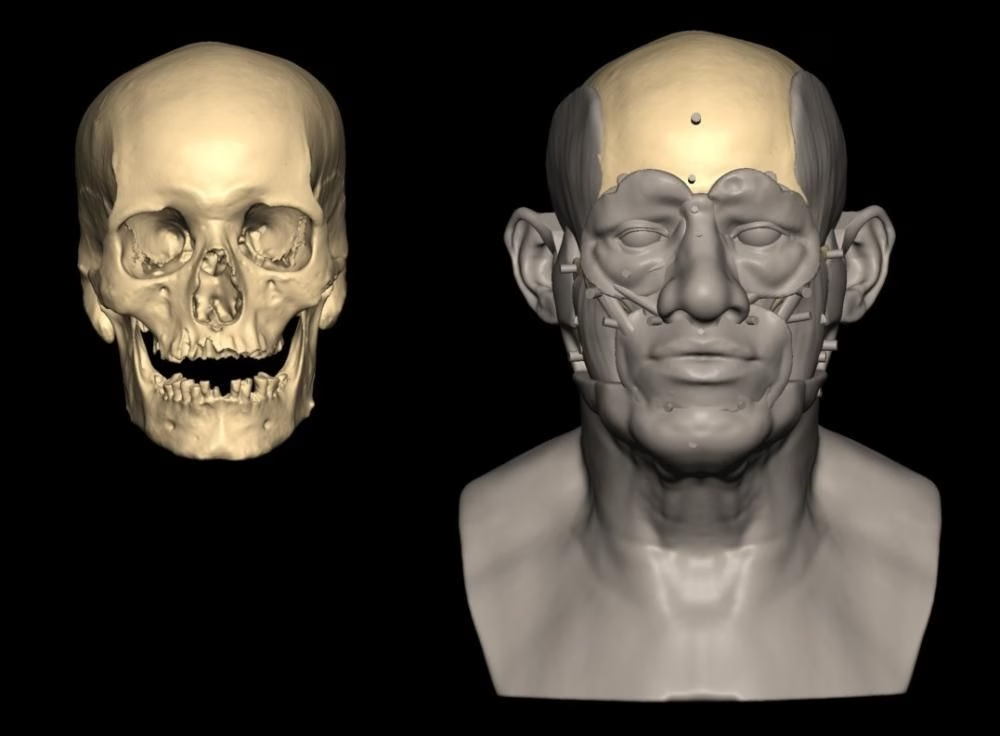
First Ancient Egyptian Genome Sequenced: A 4,500-Year-Old Genetic Breakthrough
Scientists have sequenced the first complete genome from ancient Egypt, unlocking a genetic time capsule from the age of the pyramids. A groundbreaking study by researchers from the Francis Crick Institute and Liverpool John Moores University has successfully extracted and decoded DNA from a man who lived between 4,500 and 4,800 years ago—during the formative…
-
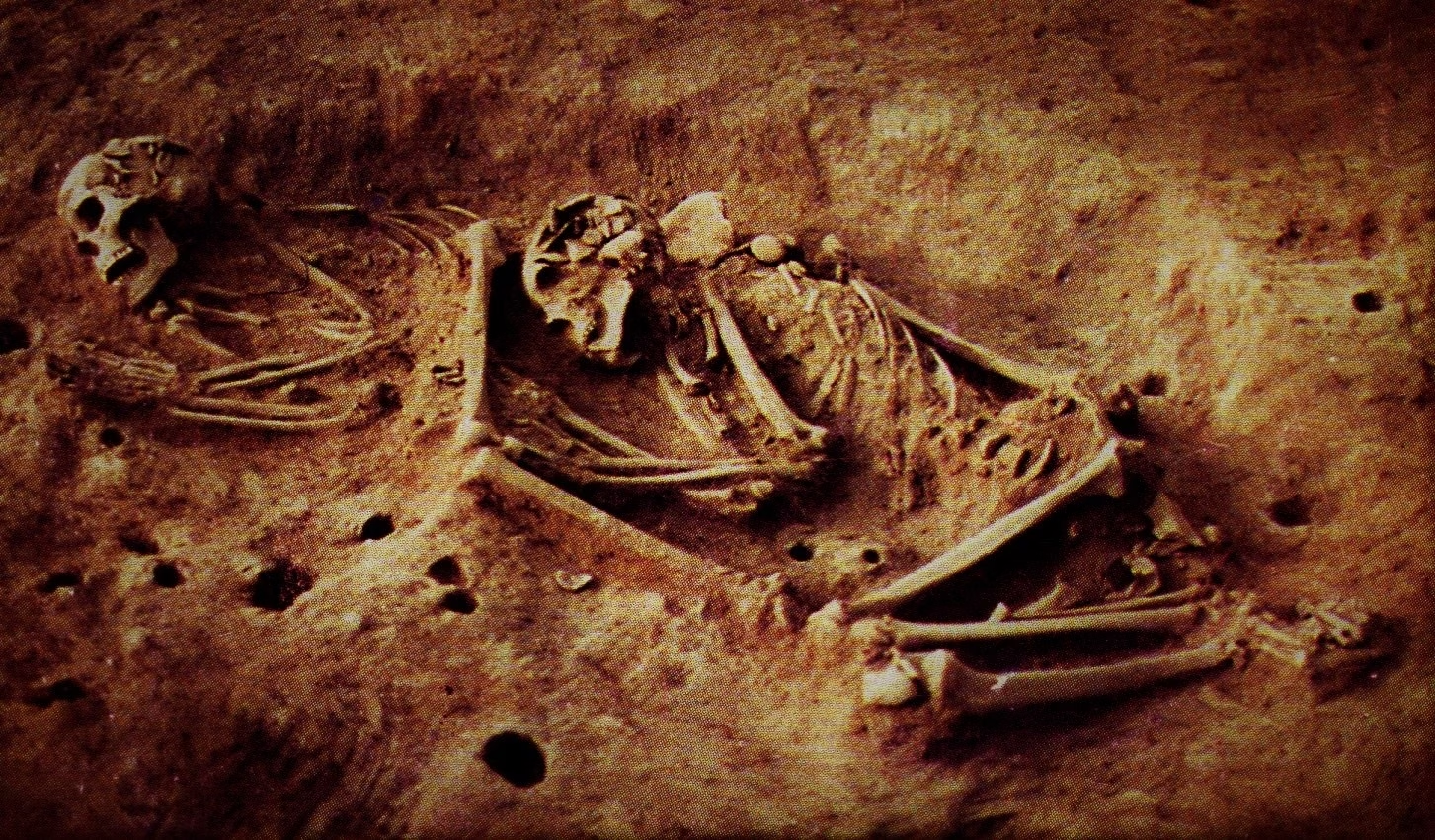
6,000-Year-Old DNA Analysis Reveals Colombia’s First Hunter-Gatherers Completely Disappeared
A groundbreaking genetic study in Colombia’s Altiplano region reveals that the first human groups who settled there left no genetic traces behind. DNA samples dating back 6,000 years show a complete population replacement in South America’s settlement history. Researchers from the University of Tübingen, the Senckenberg Center for Human Evolution and Paleoenvironment, and the National…