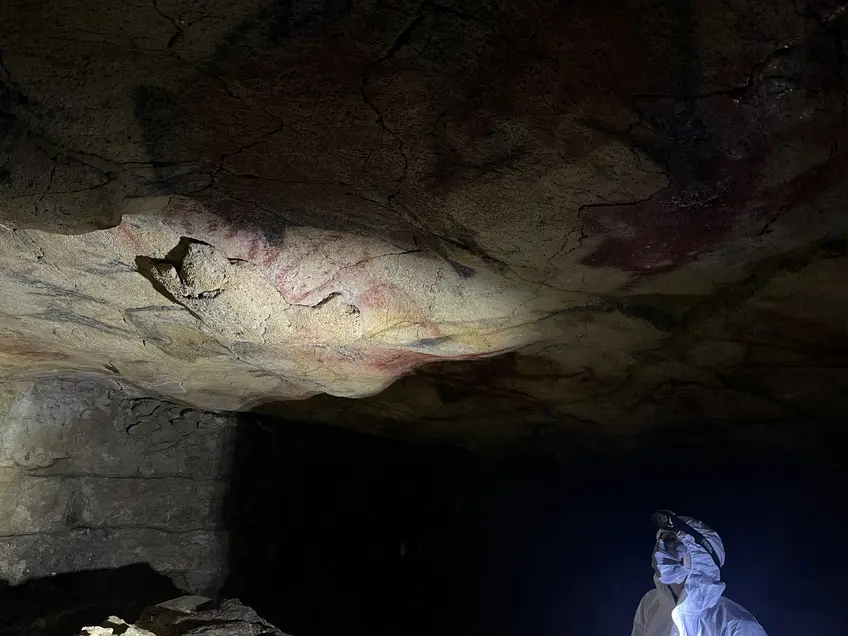
A cave wall is not usually treated like a genetic archive. In Spain and Portugal, however, researchers have recovered ancient human DNA from the surface of cave walls, including areas close to prehistoric rock art.
The study, led by the Max Planck Institute for Evolutionary Anthropology and published in Nature Communications, examined 24 rock art panels from 11 caves. The team sampled painted surfaces, hand stencils, simple markings, unpainted wall areas, sediments, bones and a bird-bone airbrush from Altamira Cave.
The result was limited but important: only five of 120 samples produced authentic ancient human mitochondrial DNA. That low number is not a weakness in the story. It shows how difficult the method is — and why the successful samples matter.
The strongest results came from Escoural Cave in Portugal and Covarón Cave in northern Spain. At Escoural, researchers detected ancient human DNA in a pigmented calcite crust and also on unpainted wall surfaces. At Covarón, two unpainted samples near rock art also yielded ancient human DNA.
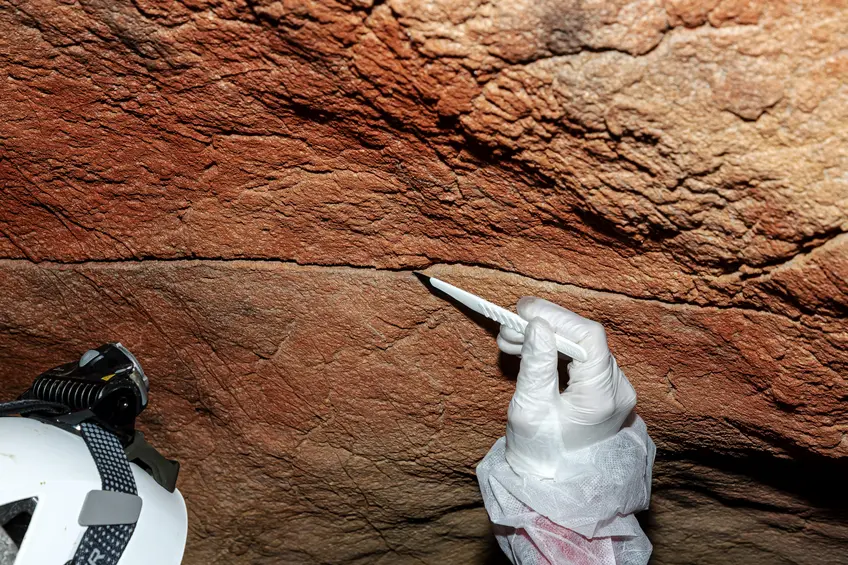
The DNA is at least 2,000 years old and probably older, although the study does not yet give a precise date for each trace. Further analysis of two Covarón samples showed that the DNA belonged to modern humans and fits within the Western hunter-gatherer genetic cluster, a population already known from ancient Iberia.
The careful wording matters here. The study does not prove that scientists have found the DNA of the artists who made the cave paintings. A person may have touched the wall, leaned against it, moved through the cave, or visited the space long after the art was made.
That is why the result should not be read as “the cave painter has been identified.” It is better understood as a proof of possibility: cave walls can preserve ancient human genetic traces.
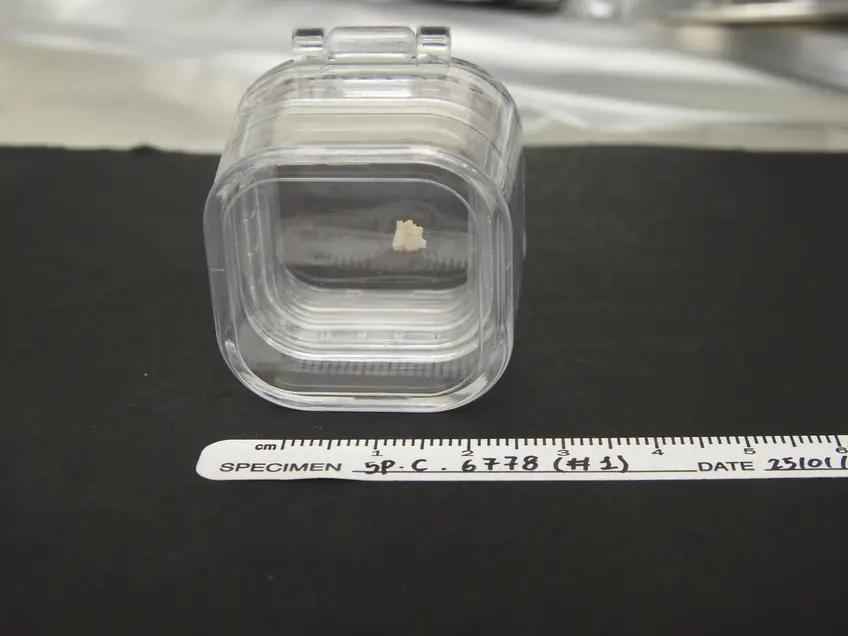
For archaeology, that possibility is significant. Many painted caves do not contain human skeletons. Some have little or no occupation debris. In those cases, a clean wall sample could one day help researchers study who entered these spaces, how often they were used, and whether different groups visited the same painted areas over time.
The study also shows the method’s limits. The Altamira bird-bone airbrush, a promising object because it may have been used with the mouth to spray pigment, did not produce ancient human DNA. Researchers suggest that modern handling and the small amount of material sampled may have erased or overwhelmed any ancient signal.
Cave walls have always preserved the visible traces of prehistoric life. This study suggests they may also preserve invisible ones, offering archaeologists a new way to investigate people who left little else behind.
Cover Image: Polychrome ceiling at Altamira Cave, where researchers analysed pigment samples for the ancient DNA study. Credit: Matthias Meyer