-
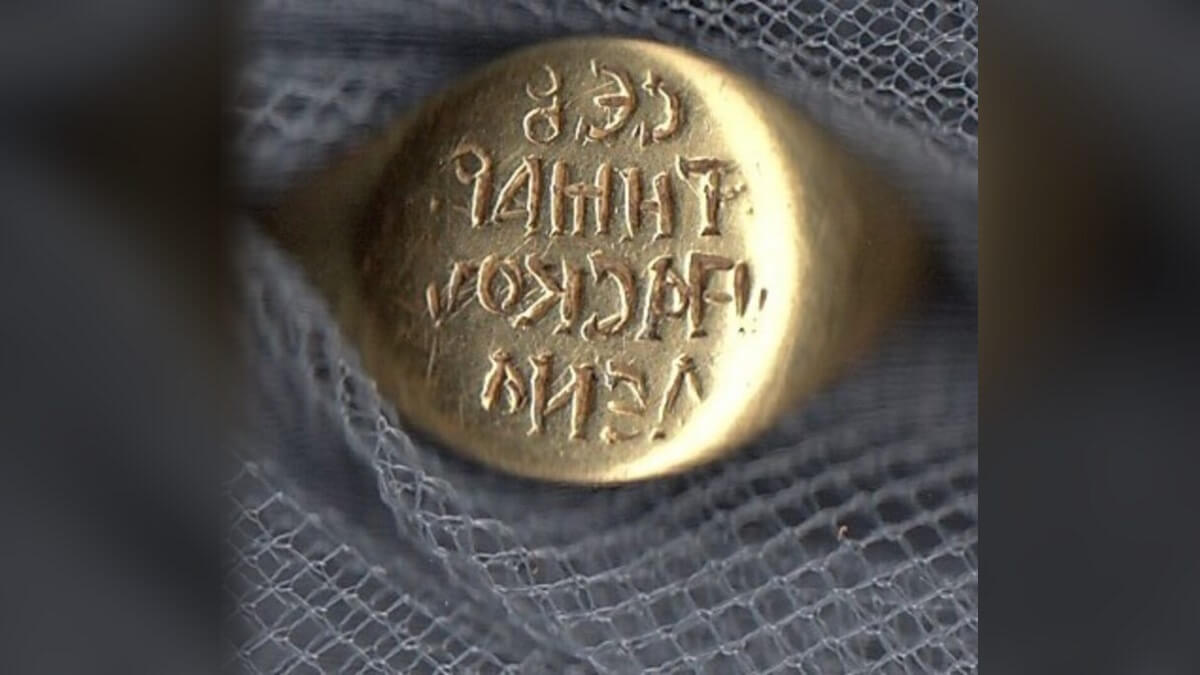
A 700-Year-Old Gold Ring from Bulgaria Carried a Byzantine Woman’s Name and Authority
A 14th-century Byzantine gold seal ring associated with southern Bulgaria preserves more than the name of an aristocratic woman. Inscribed for “sevasta Maria Skulena,” the ring was designed to authenticate documents in her name—an unusual glimpse of a woman exercising social or legal authority in the late Byzantine world. The gold ring reportedly originated near…
-
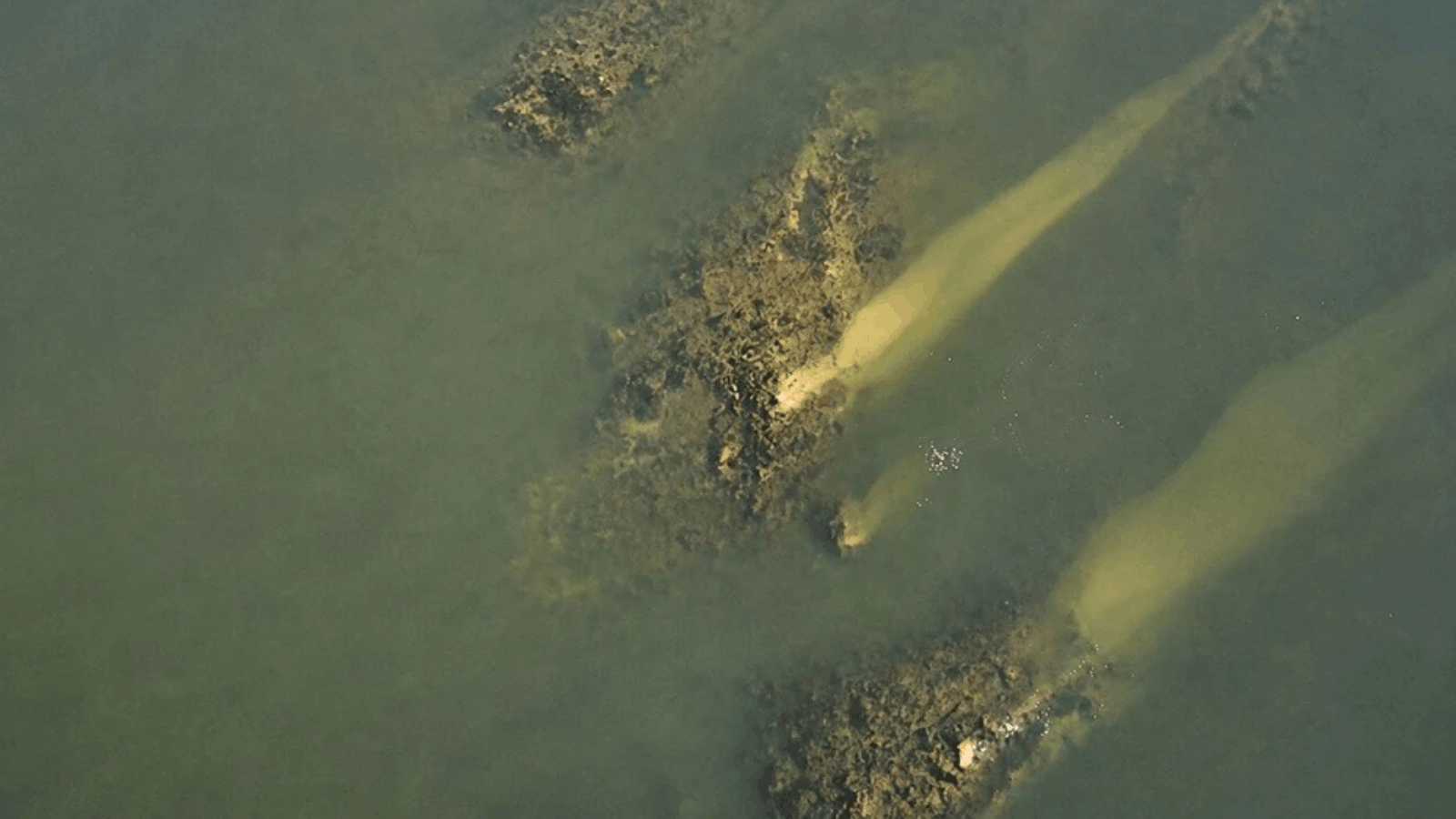
Low Danube Waters Expose Remains of Constantine’s 1,700-Year-Old Roman Bridge
Exceptionally low water levels in the Danube have exposed parts of a vast Roman bridge built during the reign of Emperor Constantine the Great, allowing archaeologists to document foundations that normally remain hidden beneath the river. The remains have emerged near the village of Gigen in northern Bulgaria, close to the ruins of the Roman…
-
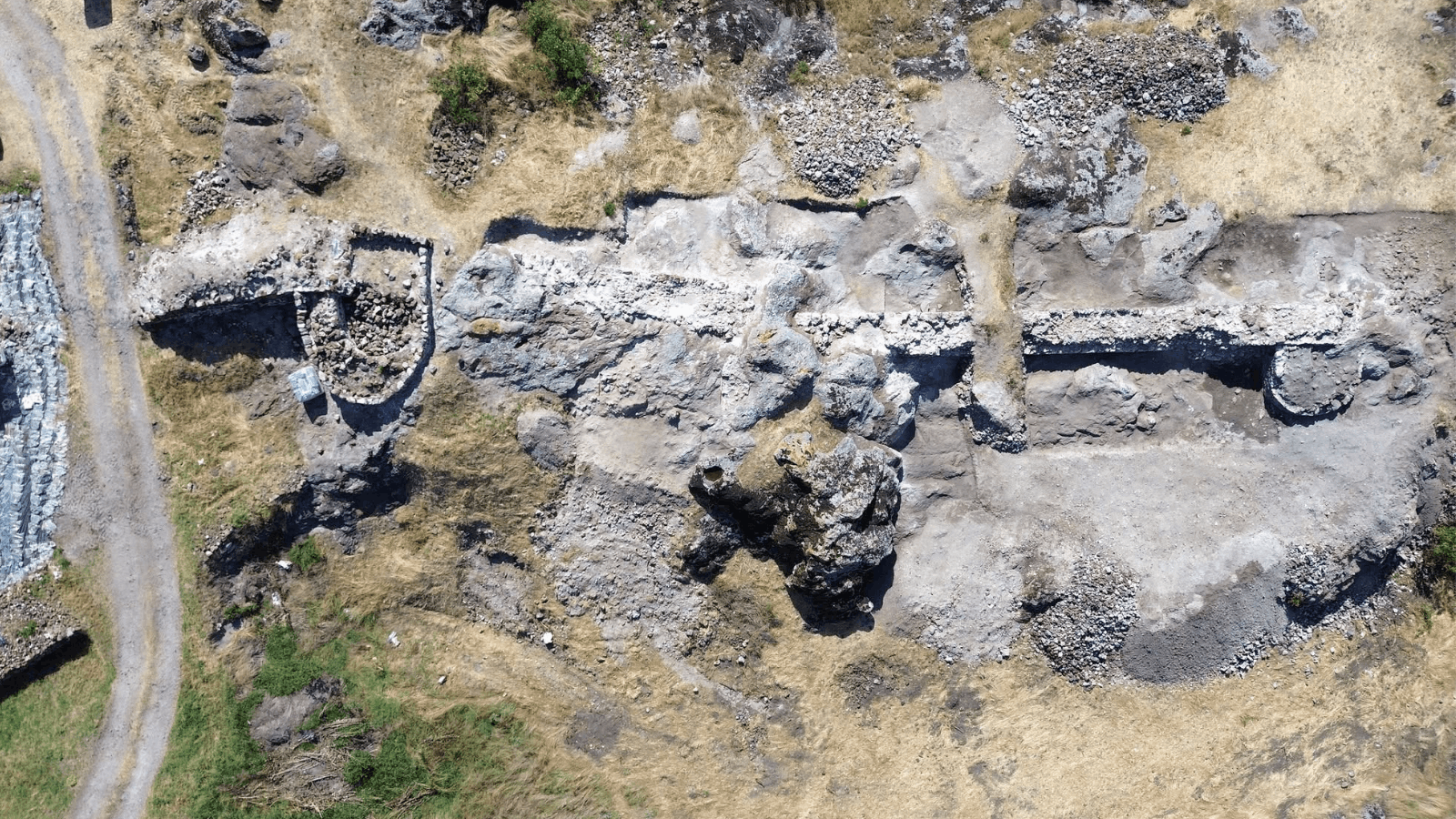
Two Towers and 18 Arrowheads Reveal Signs of Fighting at Rusokastro Fortress
Archaeologists investigating Rusokastro Fortress in southeastern Bulgaria have uncovered two previously unknown defensive towers and 18 iron projectile points concentrated beside the medieval walls. Several of the points were bent after striking stone, offering physical evidence of fighting around this part of the fortress. The discovery was announced by the Regional Historical Museum – Burgas,…
-
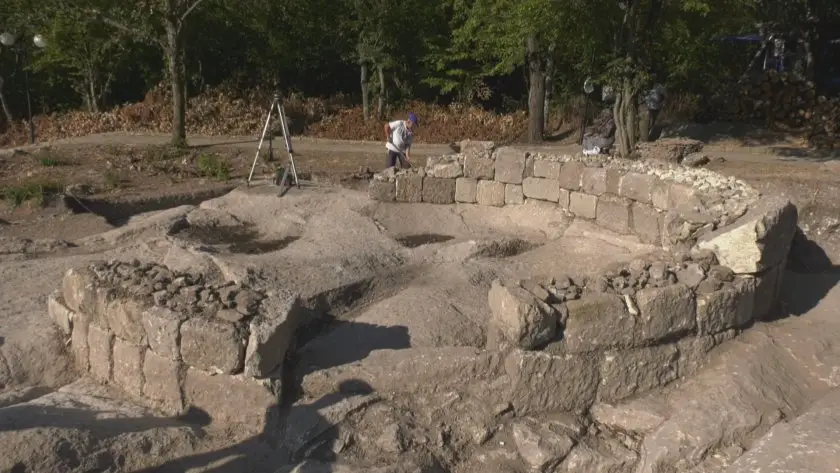
Rock-Cut Tomb Linked to a Deified Thracian Ruler Unearthed Beside a 1,700-Year-Old Mausoleum at Perperikon
Archaeologists at Perperikon in Bulgaria have uncovered a monumental circular mausoleum and two unusual rock-cut graves, one of which may have belonged to a Thracian ruler worshipped after death. The discoveries were made in a necropolis beside the ancient road leading toward Perperikon’s acropolis. Excavators say the concentration of circular mausoleums found there has no…
-
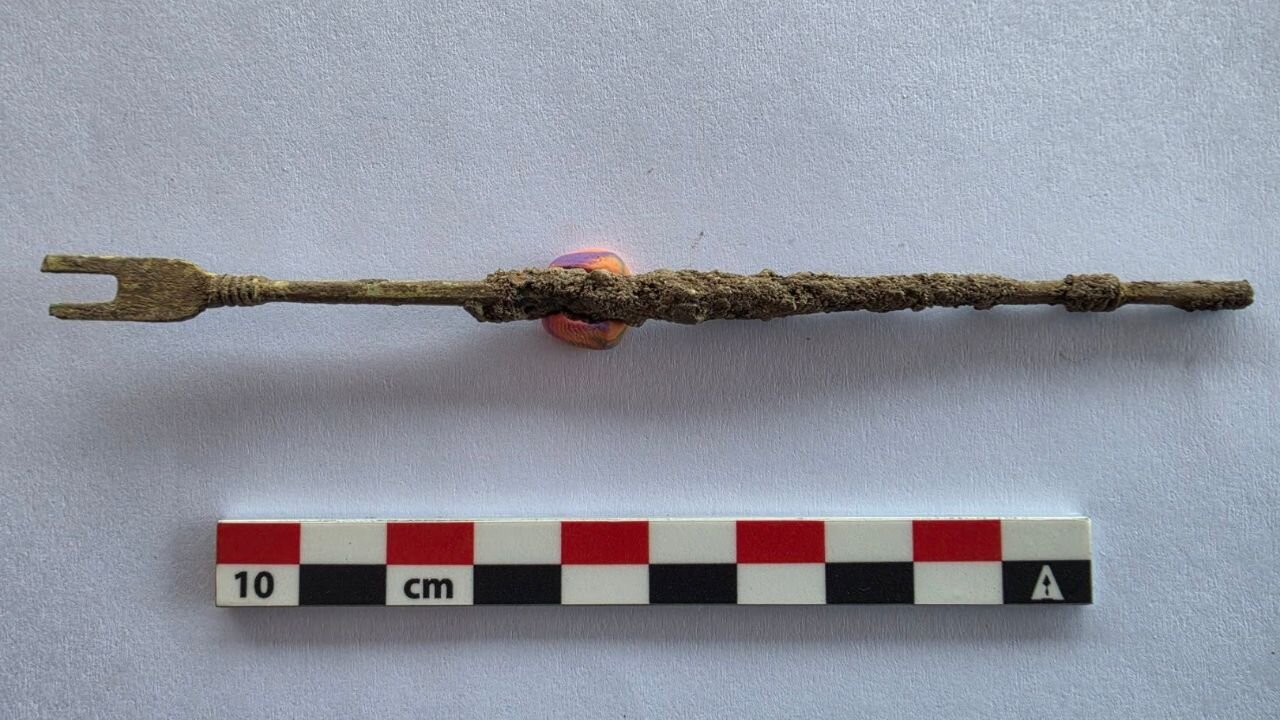
Rare Roman Surgical Tool for Bladder Stone Surgery Found Beside Temple of Hercules in Bulgaria
Archaeologists excavating the ancient city of Heraclea Sintica in southwestern Bulgaria have uncovered an exceptionally rare Roman-era surgical instrument used to remove bladder stones — a small bronze object linked to one of the most painful and risky operations known in ancient medicine. The instrument was found in a room adjoining the Temple of Heracles,…
-
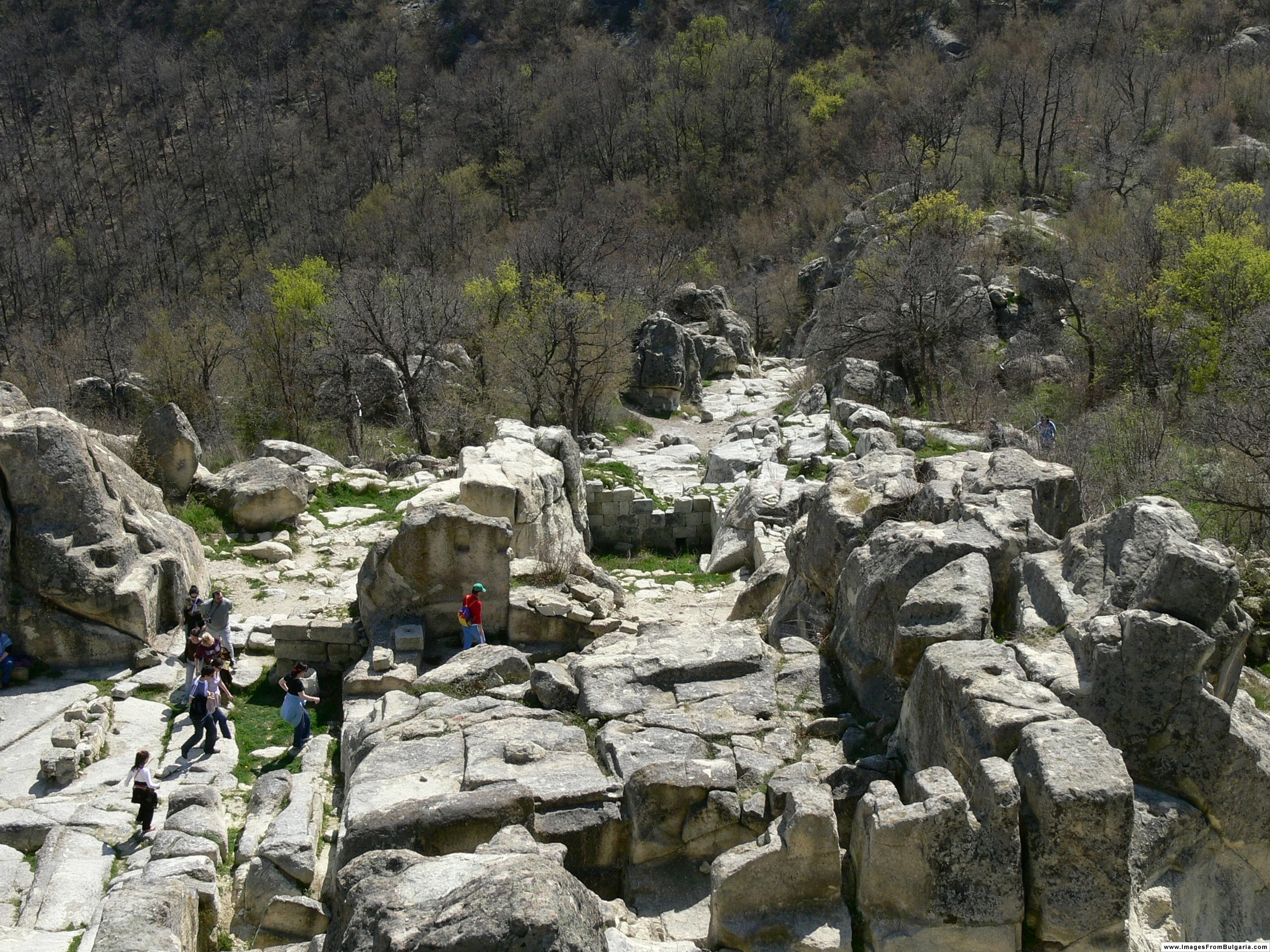
Medieval ‘City of the Hobbits’ and War Artifacts Unearthed at Bulgaria’s Ancient Thracian Site Perperikon
Archaeologists working at the ancient Thracian city of Perperikon in Bulgaria have uncovered a fascinating medieval settlement nicknamed the “City of the Hobbits” alongside war artifacts that reveal the site’s turbulent past. Led by Professor Nikolay Ovcharov, the excavation team is shedding new light on this 8,000-year-old archaeological treasure nestled in the Eastern Rhodope mountains.…