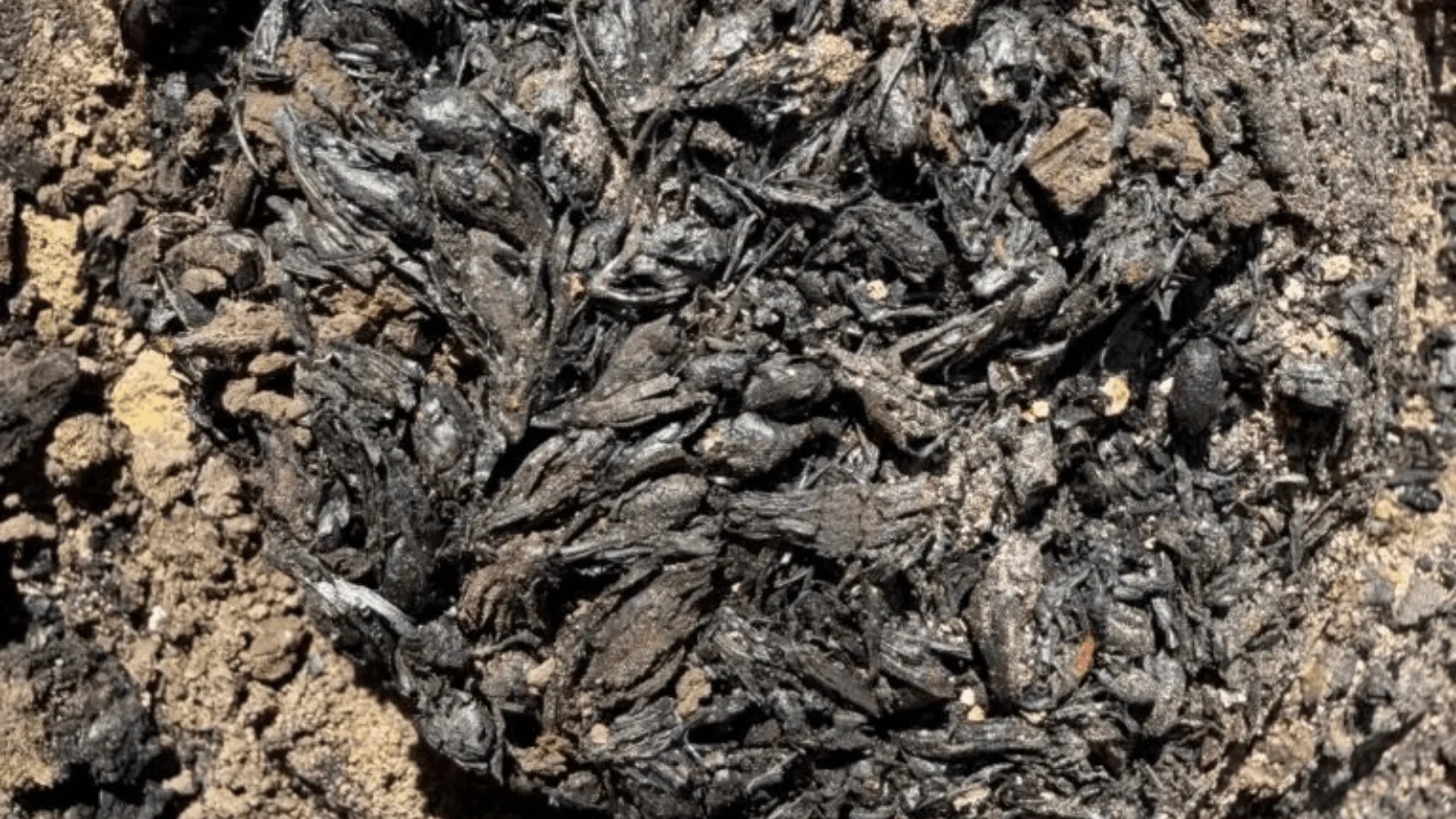
A fire that destroyed a prehistoric house in Bulgaria around 6,500 years ago may have preserved evidence of one of Europe’s earliest beer-making traditions.
Archaeologists working at Provadia-Solnitsata found charred emmer wheat inside a Late Chalcolithic building dating to around 4500 BC. What made the grains unusual was not simply their survival. Many had begun to germinate, a crucial step in producing malt and one that has led researchers to suggest that the inhabitants of the settlement may have been brewing beer.
The discovery adds an unexpected dimension to a site already known for something very different. Provadia-Solnitsata became prosperous through large-scale salt production and has often been described as one of prehistoric Europe’s earliest major economic centres.
Sprouted grain inside a burned house
The grains were recovered from a substantial two-storey house destroyed by fire at Provadia-Solnitsata. Archaeologists found two small ceramic vessels turned upside down, with charred ears and grains of wheat preserved nearby.
Archaeobotanical analysis by Dr. Elena Marinova-Wolff identified the cereal as emmer wheat, one of the crops widely cultivated by prehistoric farming communities in southeastern Europe. Examination of the grains showed that they had germinated before they were carbonized.
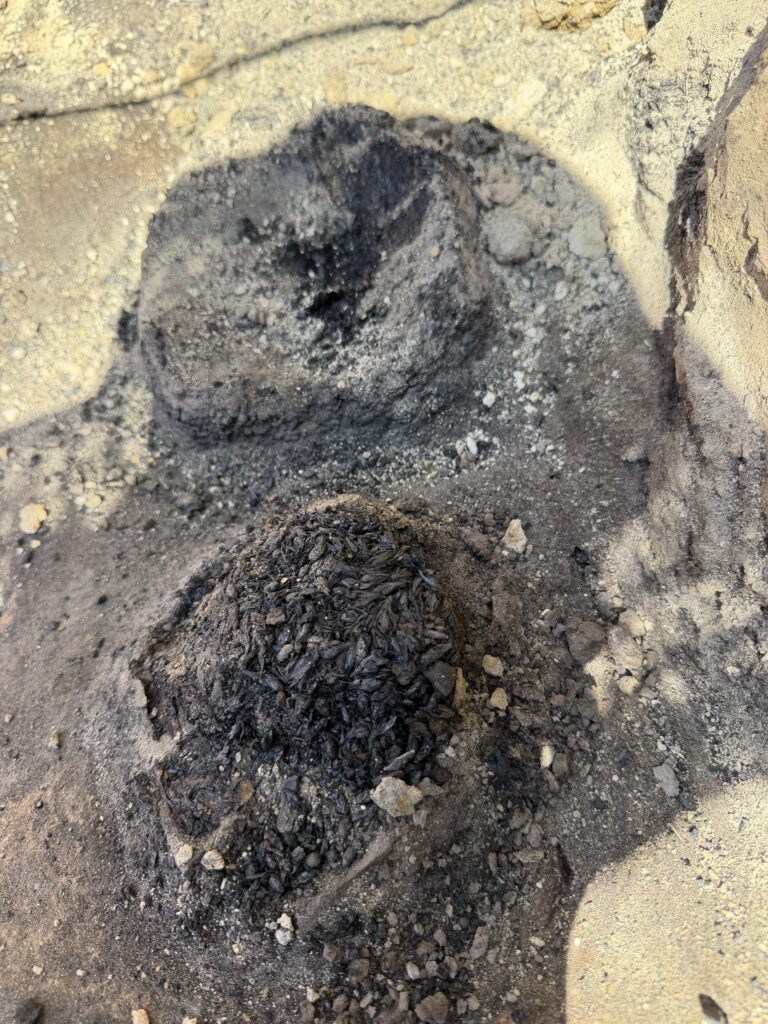
That detail matters because malting begins by deliberately soaking grain and allowing it to sprout. Germination activates enzymes that begin converting starches inside the grain into sugars. The process is later halted, usually by drying or heating the grain, leaving malt that can be used for brewing.
The excavation team believes the condition of the Solnitsata grains is consistent with intentional malting rather than accidental exposure to moisture.
The fire that destroyed the building then carbonized the organic material, creating the unusual circumstances that allowed the grains to survive for thousands of years.
Evidence for beer, but not the beer itself
The discovery does not mean archaeologists found prehistoric beer preserved in a container. No liquid survived, and germinated grain alone cannot prove every stage of brewing took place.
Malted cereals could also have been used in other forms of food preparation. For that reason, researchers generally rely on several lines of evidence when identifying ancient alcoholic drinks, including botanical remains, residues inside vessels and the archaeological context in which they were found.
At Provadia-Solnitsata, however, the intentional germination of emmer offers a strong indication that malt was being produced. The excavation team considers beer-making the most likely explanation.
Academician Vasil Nikolov, who leads research at the site, has described the discovery as the earliest evidence currently known for beer production in what is now Bulgaria and potentially one of the earliest examples in Europe.
That distinction is important. Archaeologists have identified other early evidence for fermented cereal drinks at Neolithic and Chalcolithic sites elsewhere in Europe, and the precise chronology of prehistoric brewing remains debated. Solnitsata therefore adds significant new evidence to that discussion rather than providing an uncontested “first beer.”
A community built around salt
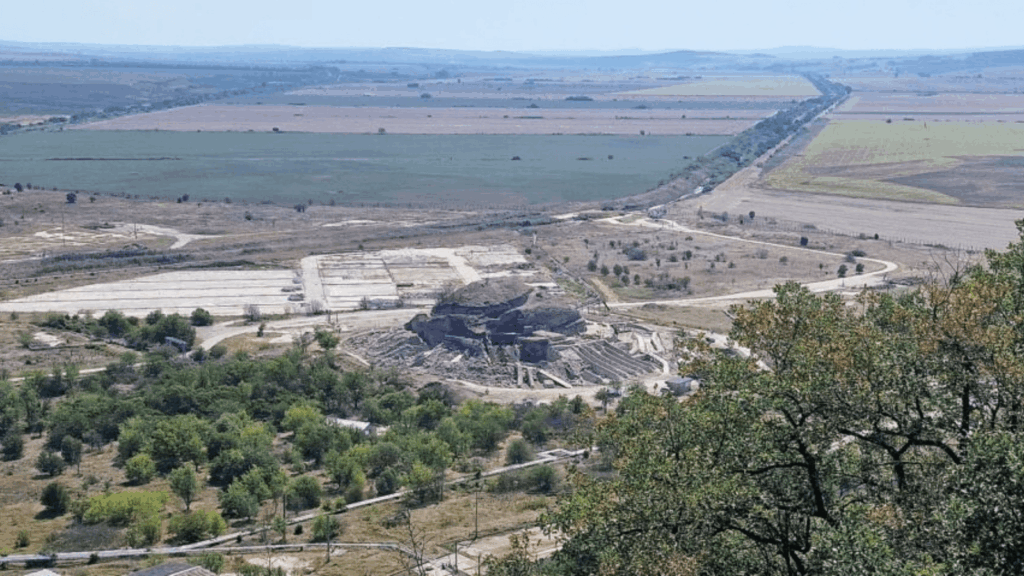
Provadia-Solnitsata lies near rich salt springs in northeastern Bulgaria, where people began exploiting brine thousands of years before the burned house was built.
The settlement developed around the production of salt by boiling brine in ceramic vessels. Over time, production increased and salt became a resource that could be stored, exchanged and transported.
Excavations have revealed large houses, storage areas and massive stone fortifications, pointing to a community with considerable resources and specialized economic activity. Some buildings rose to two or even three storeys, while lower floors appear to have been used partly for storage.
Salt was an unusually valuable commodity in prehistoric societies. Beyond its importance in food preparation, it could help preserve meat and other foods at a time when long-term storage was critical to survival.
The malted wheat now suggests that Solnitsata’s inhabitants were also experimenting with sophisticated methods of processing cereals.
Beer in prehistoric life
Why people at Solnitsata may have produced beer remains unknown.
Fermented cereal drinks could provide calories and nutrients, but archaeological and historical evidence from other regions also connects alcohol with communal meals, feasting and ritual activity. Any similar role at Solnitsata would remain speculative without further evidence.
What the charred wheat does show is that people living there understood how carefully controlled moisture and germination could change cereal grain.
The discovery also illustrates how destruction can sometimes preserve the smallest details of prehistoric life. The same fire that brought down the house transformed fragile plant remains into archaeological evidence that survived for more than six millennia.
At a settlement best known for salt, a handful of blackened grains now points toward another product that may have been part of daily life in prehistoric Bulgaria: beer.
Cover Image: Close-up of the charred emmer wheat from Provadia-Solnitsata. The germinated grains provide evidence that prehistoric inhabitants may have been producing malt for beer around 6,500 years ago. Credit: Provadia-Solnitsata Archaeological Project.