-
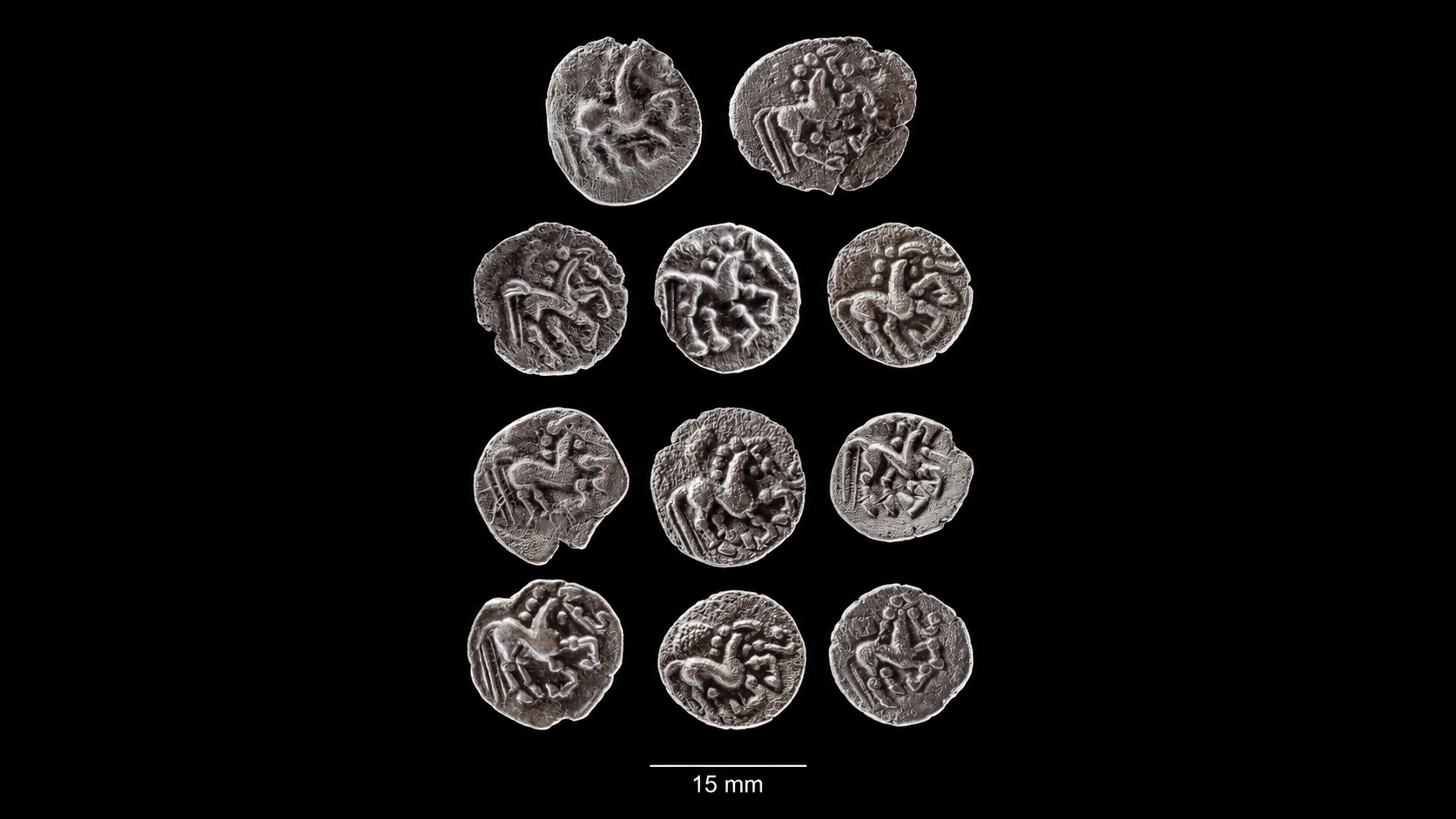
Ploughing Scattered This 2,000-Year-Old Celtic Silver Hoard Across a German Sports Field
Eleven small silver coins discovered beneath a former sports field in central Germany have been identified as the largest Celtic hoard of its kind ever recorded in Thuringia. Although centuries of farming had pulled the coins away from their original hiding place, archaeologists were able to show that they once formed a single deposit. The…
-
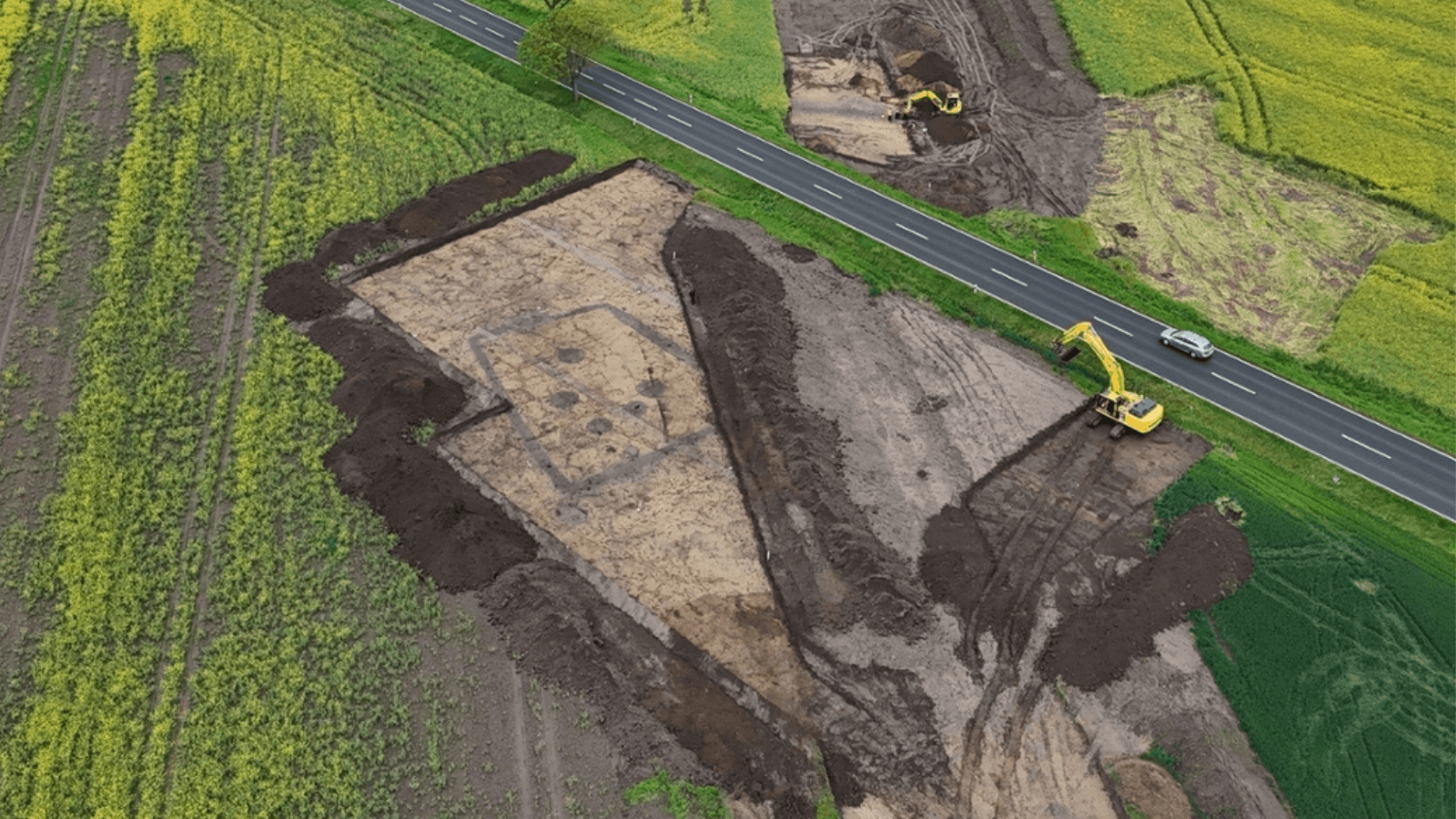
A Giant Trapezoidal Monument in Germany Reveals a 5,500-Year-Old Grave
A rare Neolithic burial monument in Germany has emerged along the route of a new pipeline, revealing a vast trapezoidal structure built around a single grave more than 5,000 years ago. Archaeologists discovered the monument near Döhlen in Saxony’s Leipzig district during investigations preceding the construction of a district-heating and hydrogen pipeline between Leuna and…
-
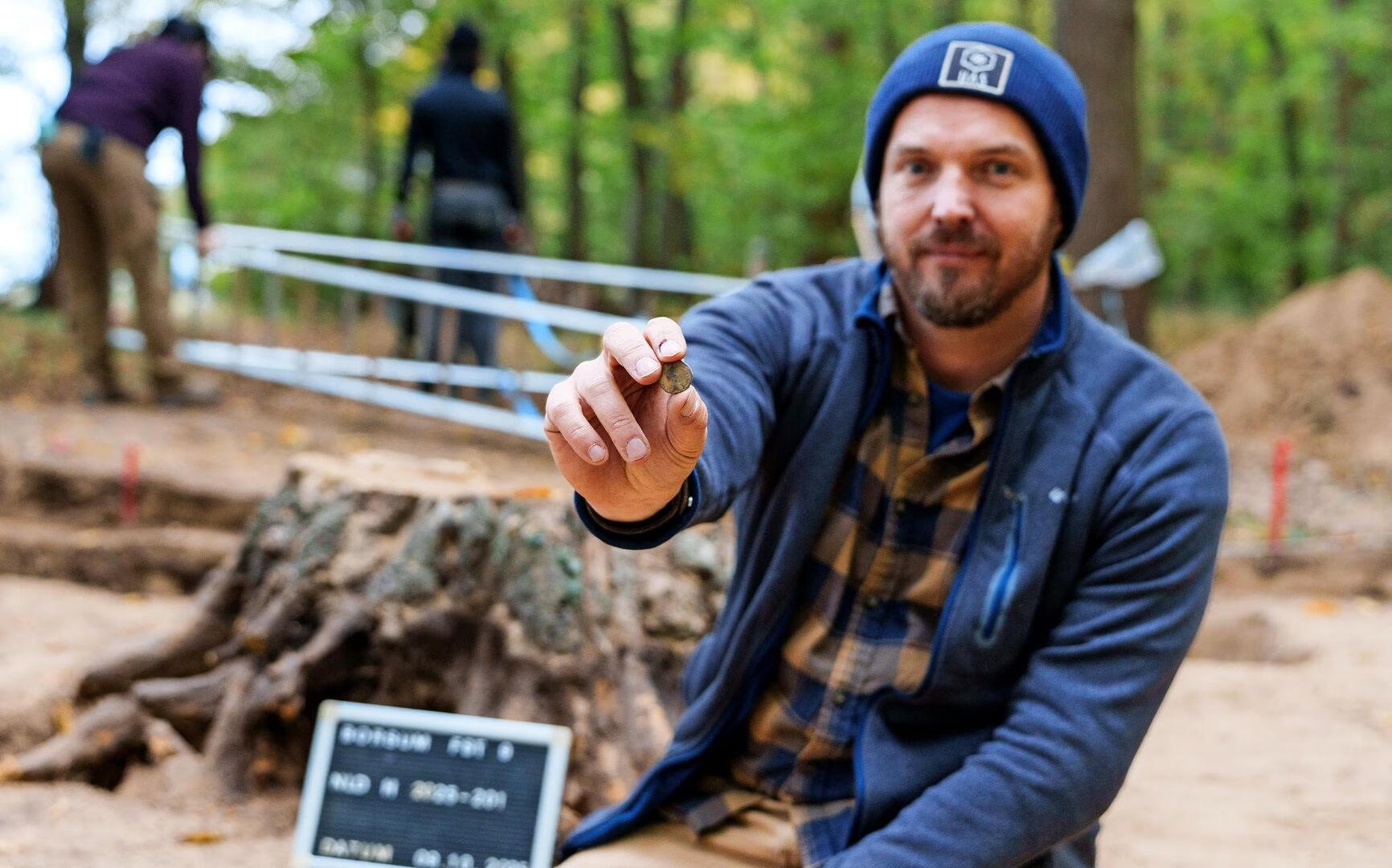
Roman Silver and Gold Hoard Illegally Excavated in Lower Saxony Finally Revealed After 8 Years of Secrecy
A vast Roman-era hoard hidden for eight years has come to light in Lower Saxony, Germany — after the man who secretly unearthed it finally confessed to authorities. In 2017, metal detectorist Jannik Pauli illegally discovered a remarkable Roman coin and silver hoard near Borsum, in the Hildesheim district. The cache included around 450 silver…
-
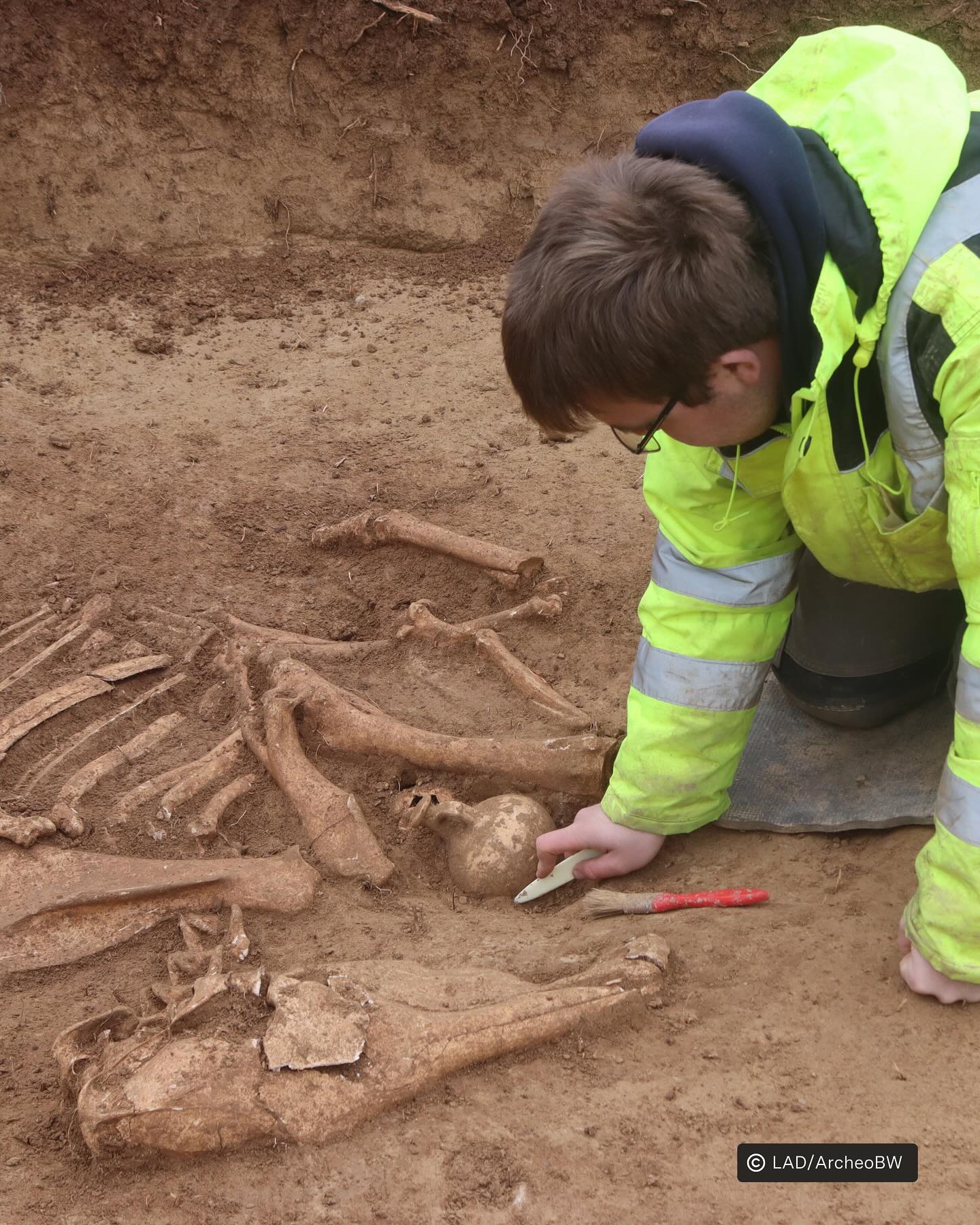
Vast Roman Horse Cemetery Belonging to Cavalry Unit Discovered in Germany
Over 100 horse skeletons dating back to the 2nd century AD have been unearthed in an ancient Roman cemetery in southern Germany, shedding light on the role of animals in ancient military life. One burial, in particular, stands out to archaeologists. Ahead of a planned construction project, archaeologists began excavating an area in Stuttgart in…
-
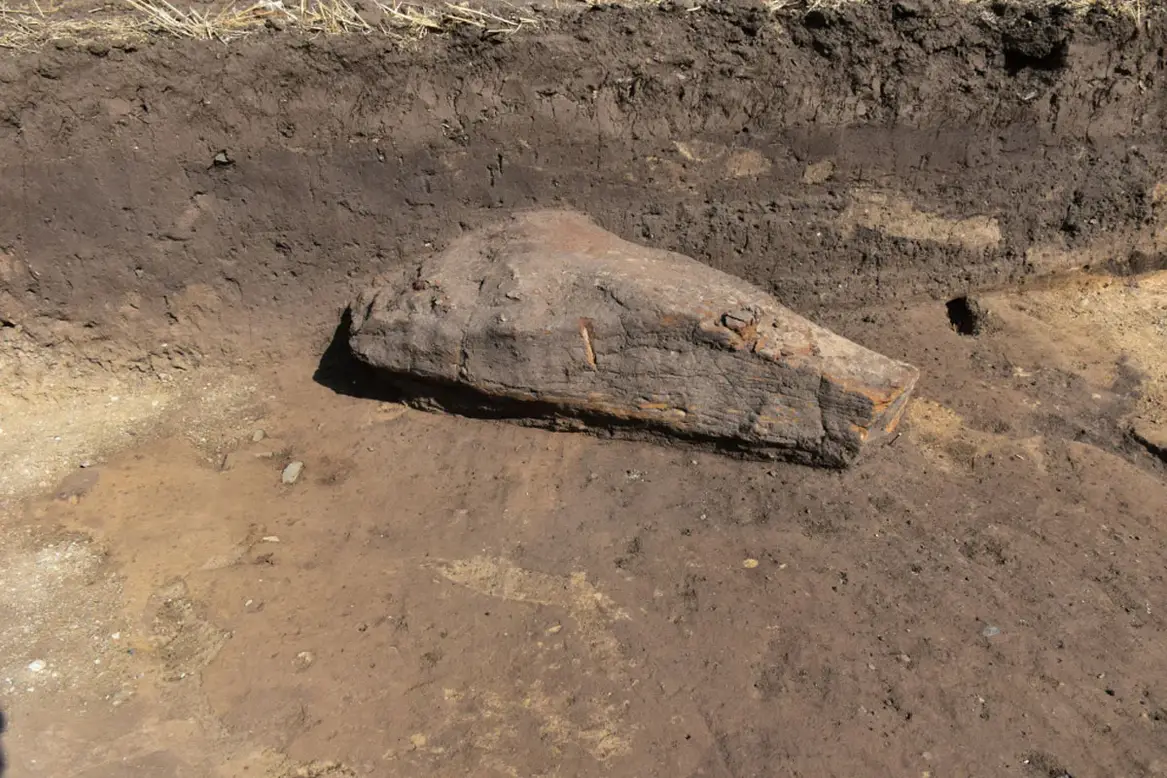
German Archaeologists Discover a Rare Monolithic Menhir
In the Warmholzberg area near Halberstadt, in the German state of Saxony-Anhalt, archaeological excavations have uncovered a monolithic menhir dating back to the Middle Bronze Age. Initially thought to be remnants from the medieval period, the examination of underground ditches actually pointed to a burial site belonging to the Baalberg culture from the 4th millennium…