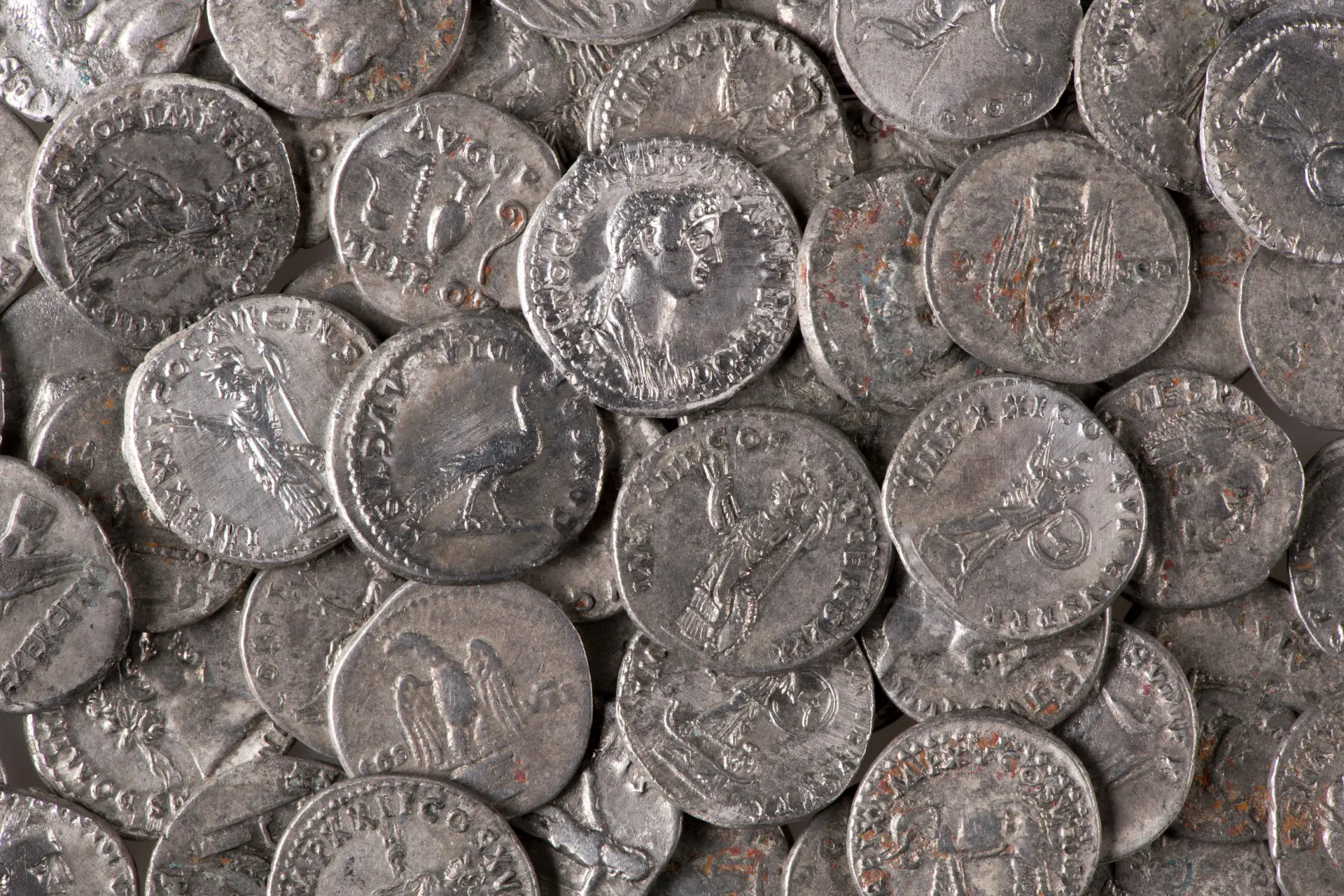
A silver coin minted in 148 BC was still part of someone’s savings more than 270 years later. Archaeologists found it among 934 Roman denarii buried in a field near Wesseling, Germany. The newest coin in the hoard dates to AD 124 or 125, raising a question the excavation cannot answer: who kept this money for so long, then left it in the ground?
The hoard weighs 3.1 kilograms. According to the LVR Office for Archaeological Heritage in the Rhineland, it is the largest coin hoard from Hadrian’s period found in Germany and the fifth largest worldwide. Yet most of its coins were minted decades before Hadrian became emperor.
Money from several generations
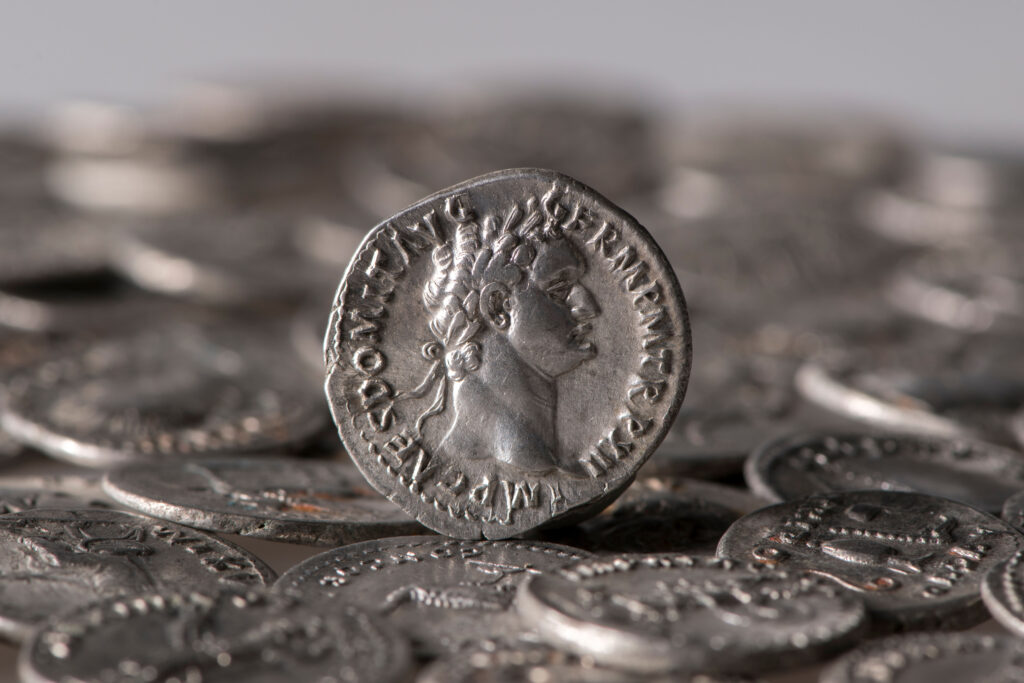
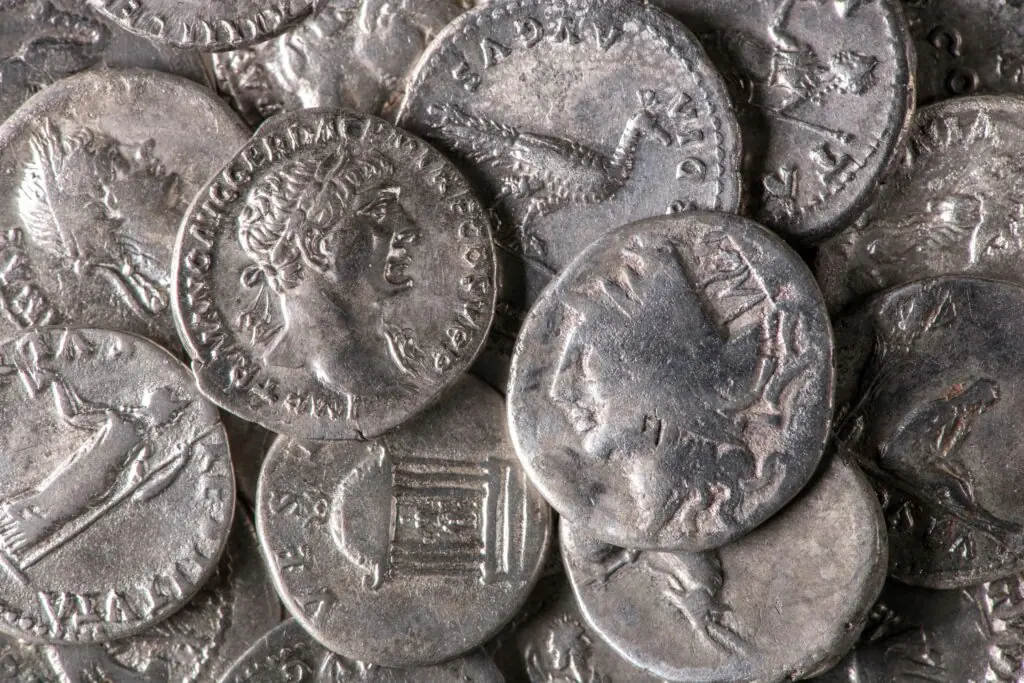
The oldest denarius belongs to the Roman Republic. Most of the others date to the Flavian emperors, who ruled from AD 69 to 96, while the youngest was struck during Hadrian’s reign. The oldest coin remained valid when the hoard went into the ground, despite the generations that had passed since its minting.
LVR archaeologists think someone may have assembled the money around AD 100 and buried it later, during the second quarter of the second century. That sequence remains an interpretation of the coins, rather than a record of one person steadily adding to a private collection. The excavation has not identified who owned the denarii or exactly when they were hidden.
The sum was substantial. An ordinary Roman legionary of the period earned 300 denarii a year, according to LVR archaeologist Rahel Otte, but deductions for food and equipment consumed roughly half his pay. By her estimate, he would have needed to save all his remaining income for about six years to match the Wesseling hoard. That gives a sense of its scale; it does not mean a soldier buried it. The owner may instead have lived on one of the Roman rural estates nearby.
A broken pot beneath the field
The find began with metal detectorist Oliver Riedl, who had permission to search the field. After he recovered 15 silver coins, his detector continued to signal. Riedl contacted the LVR archaeological office, whose team excavated the site and recovered the rest of the hoard.
The archaeologists lifted a concentration of coins inside a block of soil and brought it to the restoration workshop at the LVR State Museum in Bonn. An X-ray examination revealed more than metal: the block also contained fragments of a ceramic pot and traces of straw. Otte thinks someone may have lined the pot with straw before placing the coins inside. Farming over the intervening centuries broke the container and spread the denarii through the soil.
That damaged pot offers a glimpse of the burial, but the reason for it remains uncertain. The owner may have intended to keep the money safe and return for it. LVR state archaeologist Erich Claßen suggests the person could have died without passing on its location, though there is no evidence establishing that explanation.
The coins are now on display at the LVR State Museum in Bonn. Their dates show that silver minted under the Republic and several emperors could end up together in one buried pot. What happened after its owner covered it with earth is the part of the story the coins cannot tell.
Cover Image: A selection of the 934 Roman silver denarii recovered near Wesseling, Germany. Credit: Marcel Zanjani/LVR-Amt für Bodendenkmalpflege im Rheinland.