-
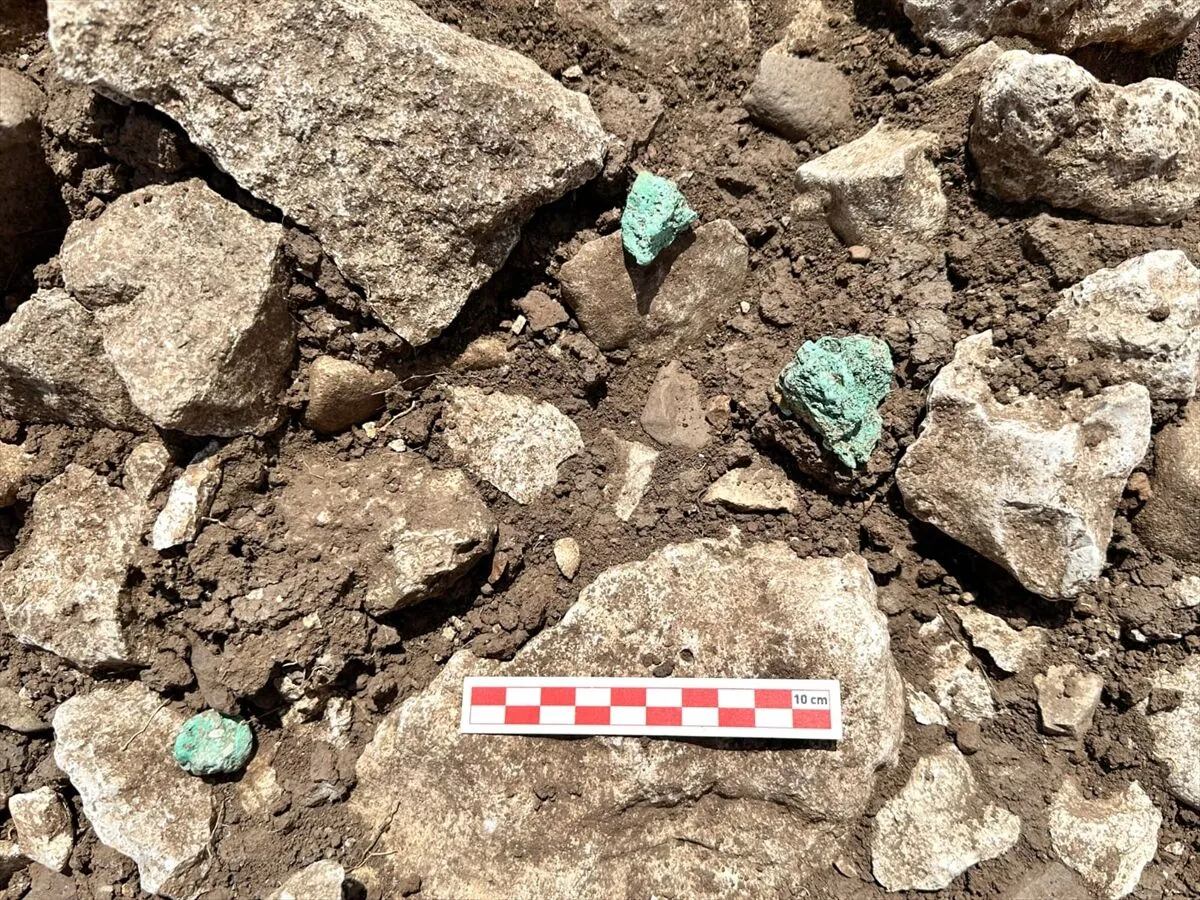
9,000-Year-Old Workshop Discovered in Türkiye Reveals Neolithic Malachite Processing and Copper Working
Archaeologists have discovered a 9,000-year-old malachite and copper workshop at Çayönü Tepesi in southeastern Türkiye. The stone-paved workspace contained raw and partly worked malachite, processed samples, copper beads and other copper objects, preserving several stages of Neolithic production within the same excavated area. The excavation team uncovered the workshop during the 2026 season near Ergani…
-
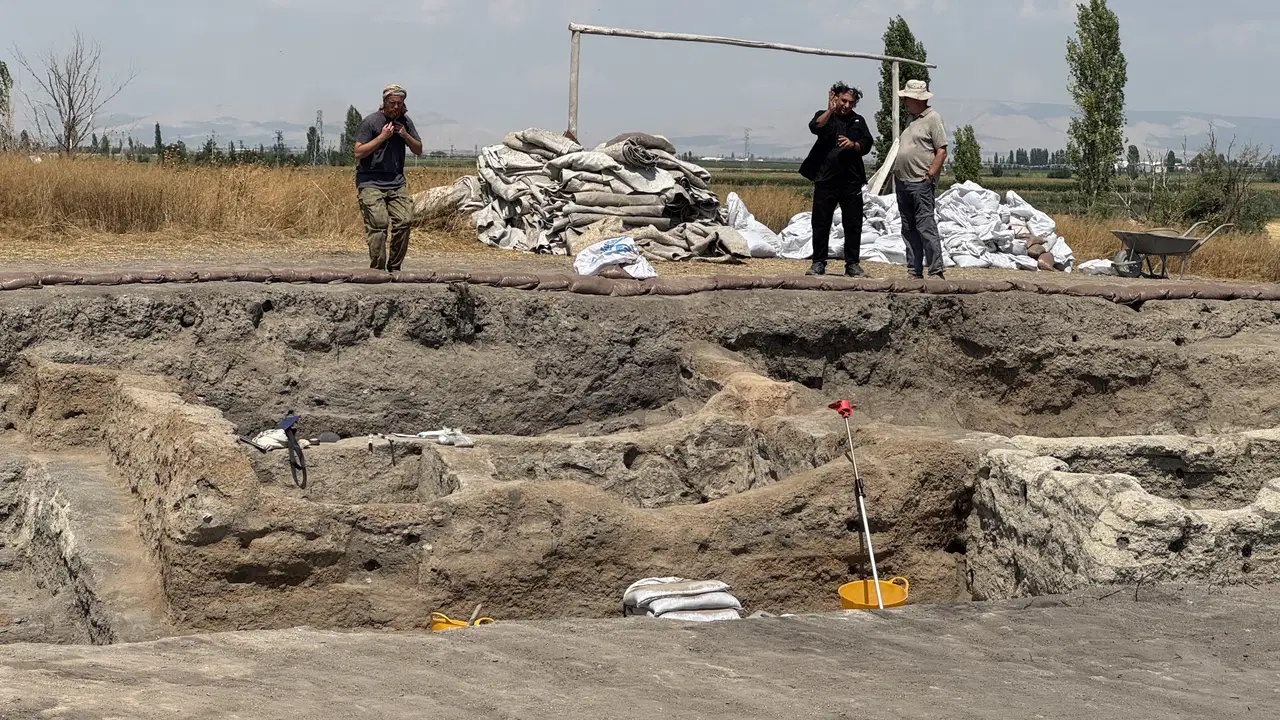
Eight Infant Skeletons Found Beside Çatalhöyük’s “House of the Dead” Raise a Neolithic Mystery
Eight infant skeletons found beside Çatalhöyük’s “House of the Dead” are raising new questions about how the Neolithic community treated its youngest dead. Preliminary examination indicates that none of the babies was older than about six months. Infant graves are not uncommon at Çatalhöyük, where generations buried their dead beneath floors and platforms. The new…
-
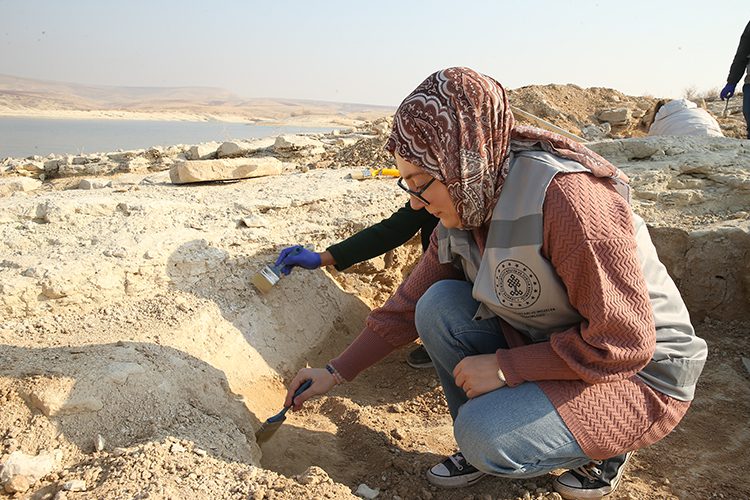
As the Euphrates Receded, Familiar Stones Emerged: Is the Taş Tepeler World Expanding?
When the waters of the Upper Euphrates pulled back, the stones left behind told a story archaeologists know well—but not from this place. Along the exposed shoreline of the Atatürk Dam reservoir in southeastern Türkiye, researchers have identified T-shaped stone elements—a form inseparable from the ritual landscape of Göbeklitepe. Their appearance here, hundreds of kilometers…
-

The Earliest Neolithic Street and an 8,500-Year-Old Obsidian Mirror Discovered at Canhasan in Central Turkey
A gentle morning light still hung over the plains of Karaman when archaeologists realized they were standing on something unusual—a narrow, compacted passageway running between two early Neolithic structures. What looked at first like a simple gap in the settlement turned out to be one of the oldest known streets in Central Anatolia, dating back…
-
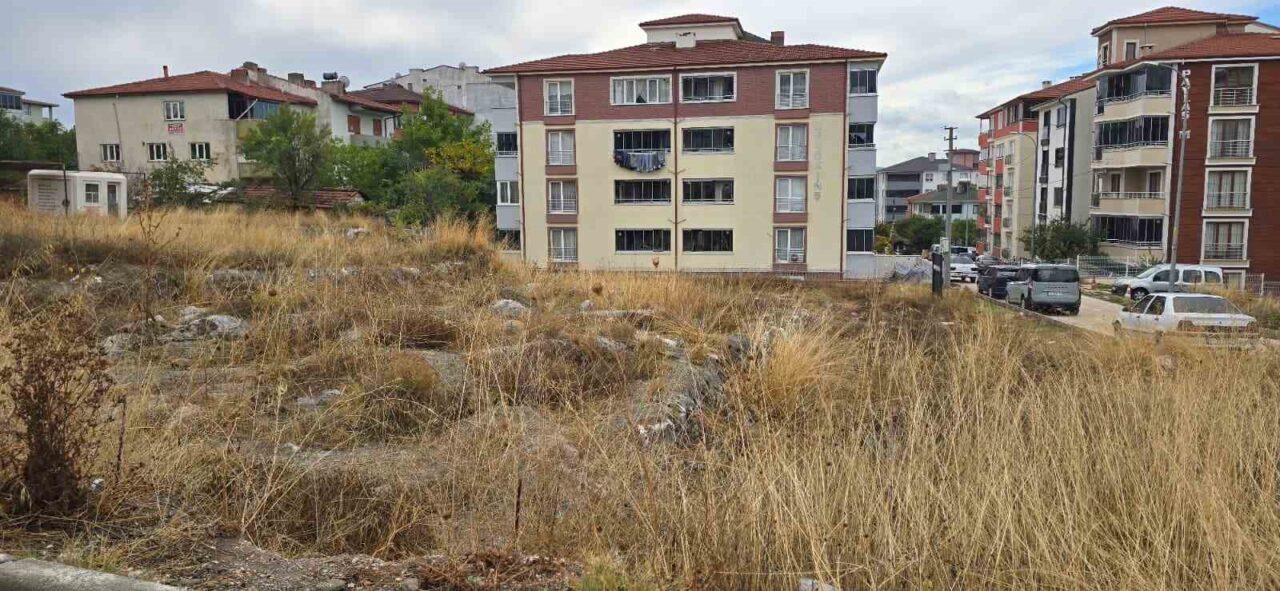
9,000-Year-Old Settlement in Bilecik Lies Forgotten Beneath Weeds — Archaeologists Call for an Open-Air Museum
In central Türkiye’s Bilecik province, traces of a 9,000-year-old Neolithic settlement — discovered by chance in an empty field — have shed new light on the region’s prehistoric past. But while the site ranks among western Anatolia’s earliest farming communities, archaeologists warn that the ancient settlement now lies neglected under wild grass, calling for its…
-
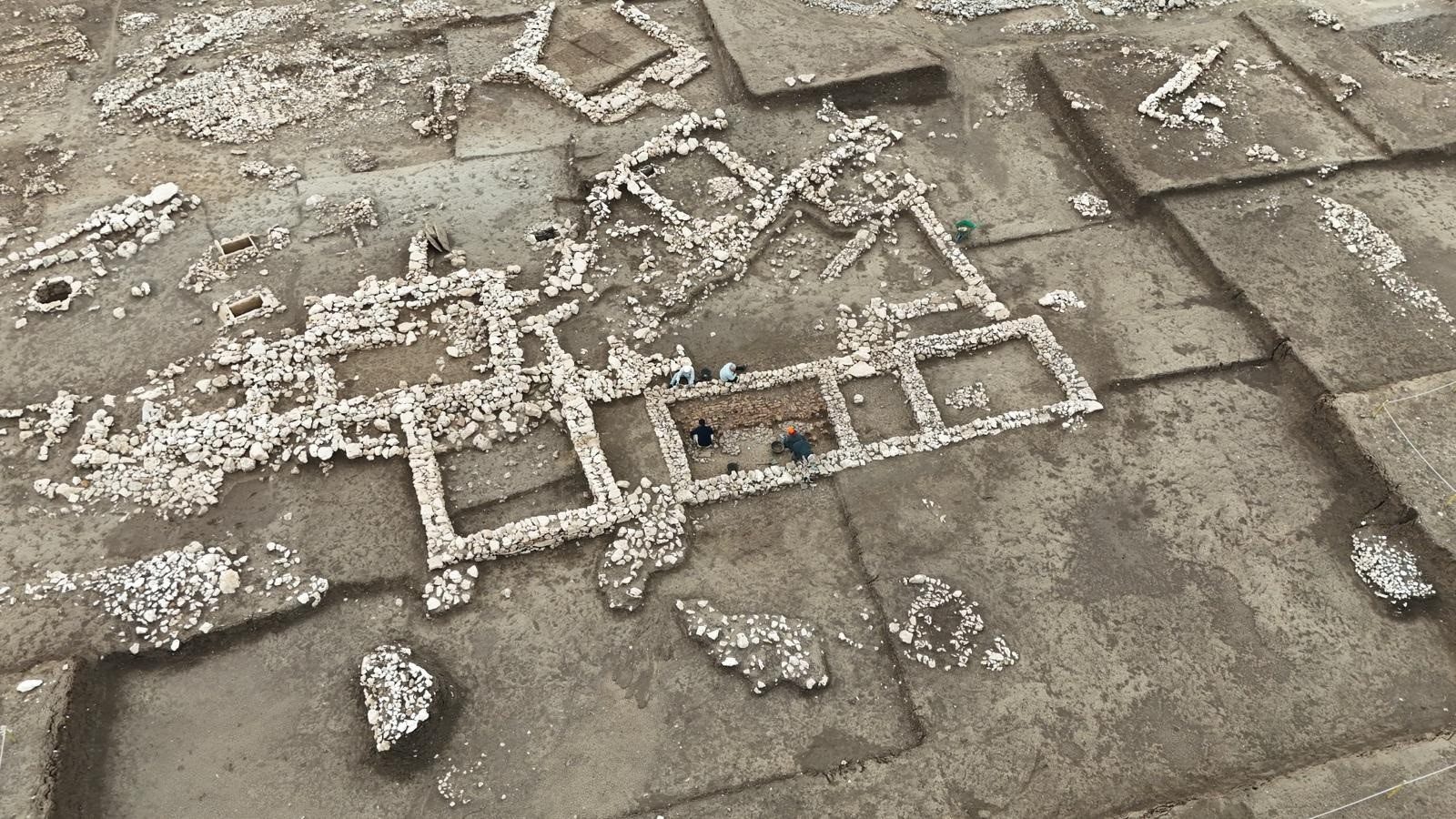
Traces of a 5,000-year-old earthquake have been uncovered beneath Çayönü, one of the oldest agricultural settlements in southeastern Turkey
Beneath the rolling plains of southeastern Turkey, archaeologists have uncovered traces of a devastating earthquake that struck some 5,000 years ago, toppling a rectangular mudbrick structure at Çayönü, one of the earliest agricultural communities in human history. The discovery offers rare evidence of prehistoric seismic activity in the heart of ancient Upper Mesopotamia — and…
-
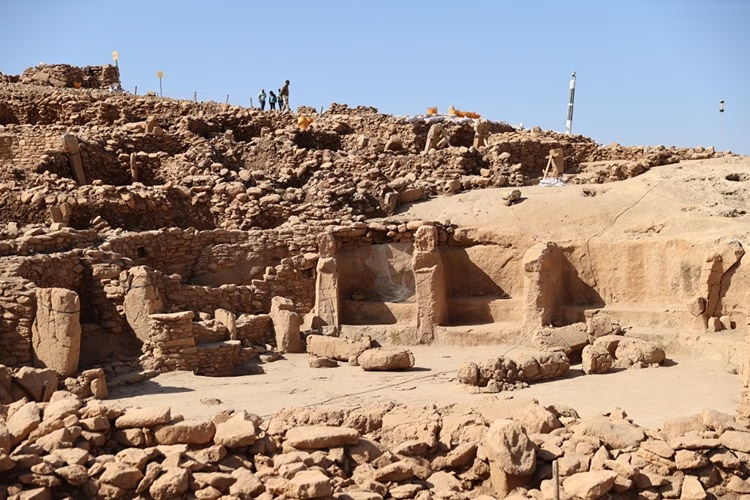
Daily Life Unearthed at Karahantepe: Over 30 Neolithic Dwellings Reveal the Human Side of an 11,000-Year-Old Settlement
Archaeologists excavating the Neolithic site of Karahantepe in southeastern Türkiye have uncovered more than 30 small, subterranean dwellings dating back around 11,000 years. The discovery provides the clearest glimpse yet into how early Anatolian communities lived, worked, and organized their daily routines — long before the rise of cities or agriculture as we know them.…
-
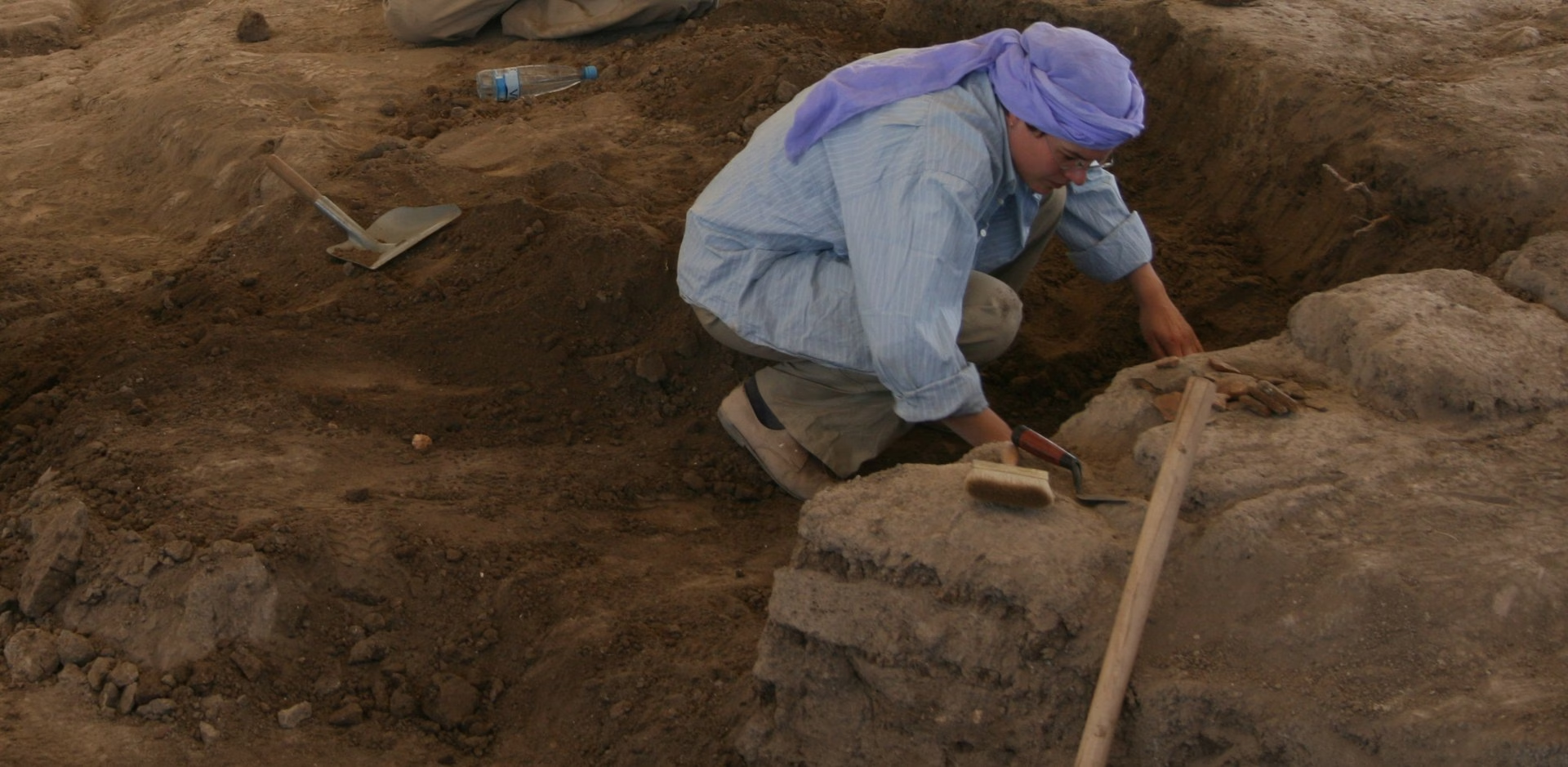
What Was the Role of Women 9,000 Years Ago? New Findings from Çatalhöyük Offer Answers
In the heart of central Turkey, the ancient settlement of Çatalhöyük—one of the world’s earliest known urban centers—is once again rewriting what we know about early human society. A recent international study has uncovered groundbreaking genetic evidence suggesting that women played a central role in shaping Neolithic households nearly 9,000 years ago. The research, conducted…