
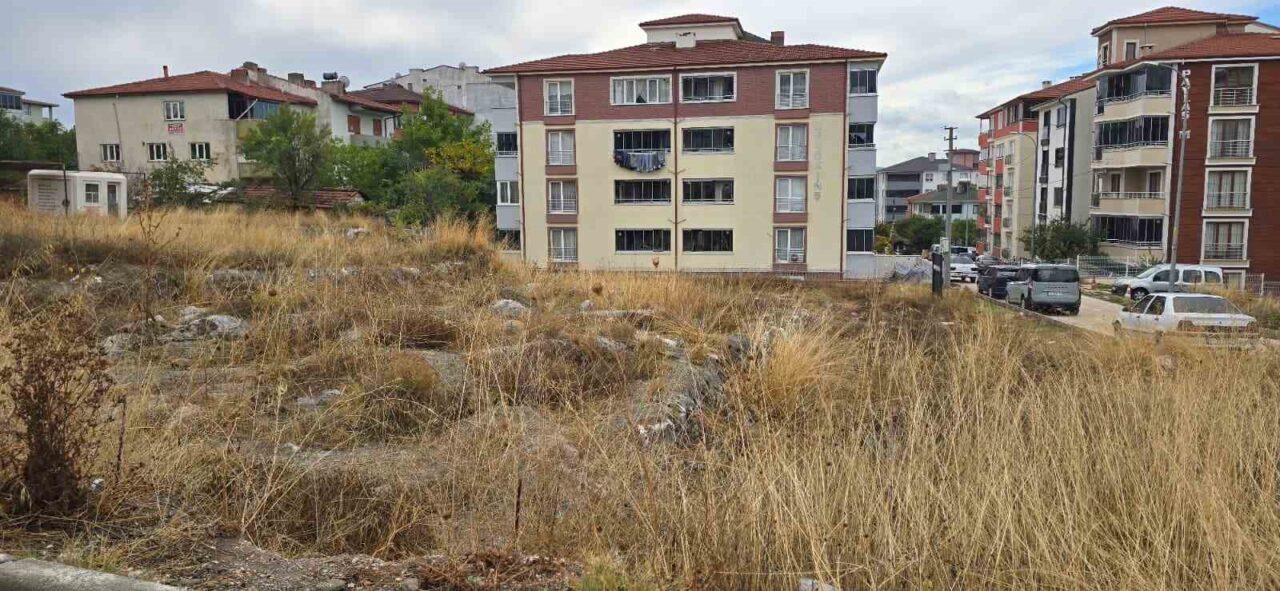
In central Türkiye’s Bilecik province, traces of a 9,000-year-old Neolithic settlement — discovered by chance in an empty field — have shed new light on the region’s prehistoric past. But while the site ranks among western Anatolia’s earliest farming communities, archaeologists warn that the ancient settlement now lies neglected under wild grass, calling for its preservation as an open-air museum.
Discovery: A Chance Find That Rewrote Bilecik’s Past
The discovery began in 2019 when a local resident noticed fragments of ancient pottery scattered across a vacant lot in Bilecik’s Bahçelievler neighborhood. His report to the provincial museum triggered a rescue excavation under a protocol signed between the Ministry of Culture and Tourism and the Bilecik Municipality, supported by the Bilecik Şeyh Edebali University.
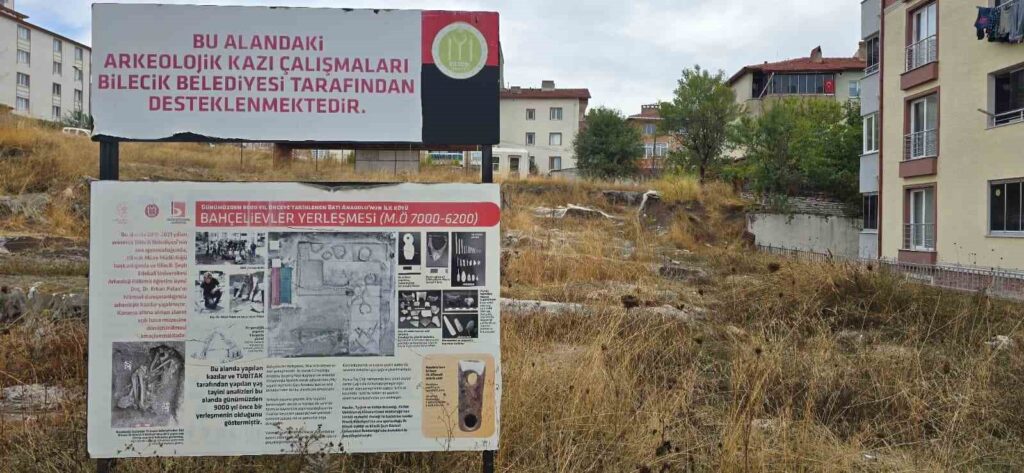
Excavations revealed oval-shaped houses, early ceramic samples, and even an 8,500-year-old human skeleton, confirming the site as one of the earliest known settlements in western Anatolia.
Radiocarbon dating places the occupation around 7000 BCE, contemporary with the earliest farming communities of Central Anatolia and the Aegean basin.
Archaeologists emphasize that such early architectural and burial evidence is extremely rare west of the Phrygian highlands, making Bahçelievler crucial for understanding the spread of Neolithic life across Anatolia.
Neglect After Discovery
Despite its significance, the excavation area has since been abandoned.
After the completion of fieldwork, no protective measures were taken: the area is overgrown with weeds, lacking signage, fencing, or interpretation panels.
Local residents and historians have voiced frustration, urging authorities to transform the site into an archaeological park or open-air museum, allowing the artifacts to be exhibited in situ.
As one local resident told regional media, “We want the 9,000-year-old settlement to live again — not disappear beneath the grass.”
Why This Site Matters
- Chronological importance: It represents one of the westernmost extensions of early farming life in Anatolia.
- Cultural insight: The architecture and ceramics provide data on how Neolithic groups organized domestic life and production.
- Human story: The 8,500-year-old skeleton offers rare biological evidence for population studies in early western Anatolia.
- Regional identity: For Bilecik, a city better known for medieval and Ottoman heritage, this discovery rewrites its origins — connecting it to the dawn of agriculture itself.
Scholarly Perspective and Preservation Debate
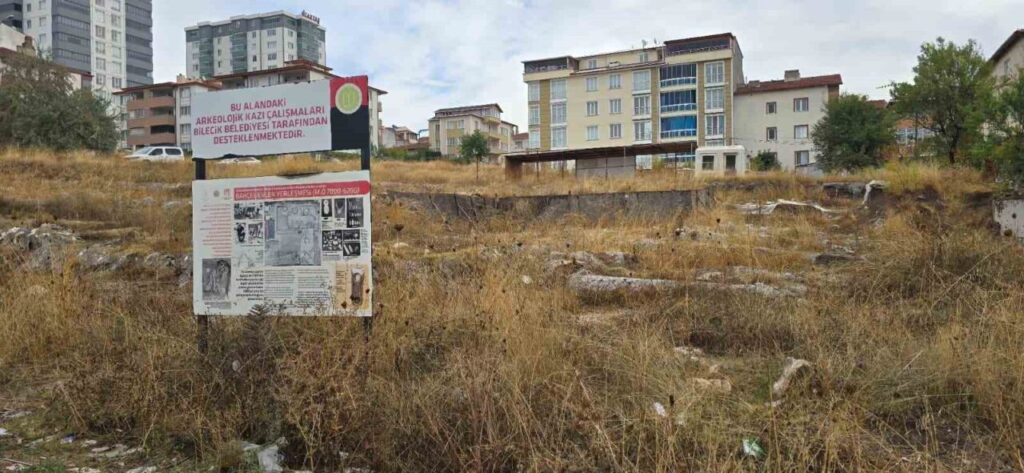
Archaeologists from BŞEÜ have highlighted that the Bahçelievler settlement could fill a major chronological gap between central and western Anatolian Neolithic networks.
However, without proper conservation, the site risks irreversible damage.
Experts suggest several urgent measures:
- Granting the site official archaeological protection status.
- Creating a visitor-friendly open-air museum integrated with the city’s cultural tourism plan.
- Establishing a long-term management strategy with university and municipal collaboration.
- Launching public archaeology programs to connect residents with their deep local heritage.
If implemented, these measures could turn Bilecik into a new educational and heritage hub for western Türkiye — rather than another forgotten excavation pit.
Global Context
The Neolithic period (c. 9000–6000 BCE) marks humanity’s transition from nomadic to settled life.
Sites like Çatalhöyük, Boncuklu, and Aşıklı Höyük have defined central Anatolia’s role in this transformation, but western regions remain underrepresented in research.
The Bahçelievler discovery helps close that gap — proving that the roots of sedentary life extended far beyond central plains, reaching deep into the Marmara hinterland.
Its preservation would not only honor local heritage but also contribute to the global understanding of how farming communities expanded across Eurasia.