-
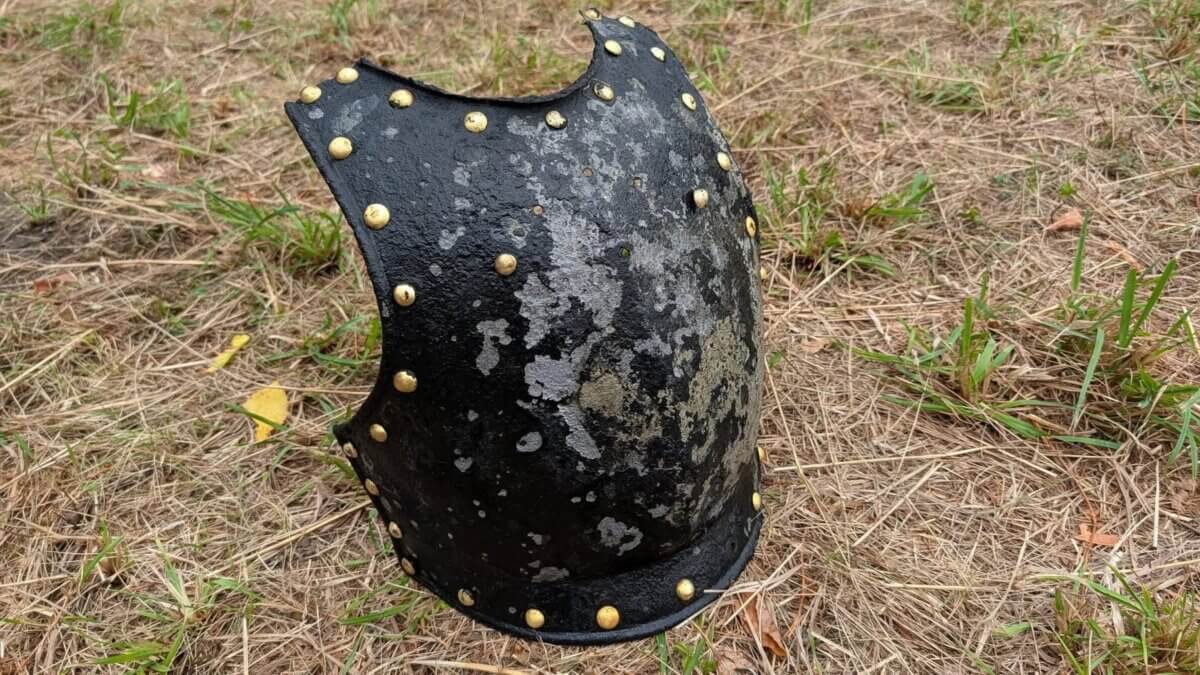
19th-Century Cavalry Armour Emerges from the Moat of the Palace Where Napoleon Made His “Greatest Mistake”
A 19th-century cavalry breastplate has emerged from the mud-filled moat of Pielaszkowice Palace in southwestern Poland, a residence closely associated with the armistice that Napoleon Bonaparte later regarded as one of the greatest mistakes of his life. The metal armour was discovered by Wiesław Andrysiak of the DRACO History Explorers Association, who reportedly sank waist-deep…
-

A Polish King’s 500-Year-Old Tomb Was Opened—Then 15 People Died
When researchers opened the tomb of Polish King Casimir IV Jagiellon in 1973, they entered a burial chamber that had remained sealed for almost 500 years. Inside were the king’s remains, fragments of a decayed wooden coffin and a biological environment that had developed undisturbed for centuries. Over the following decade, 15 people associated with…
-
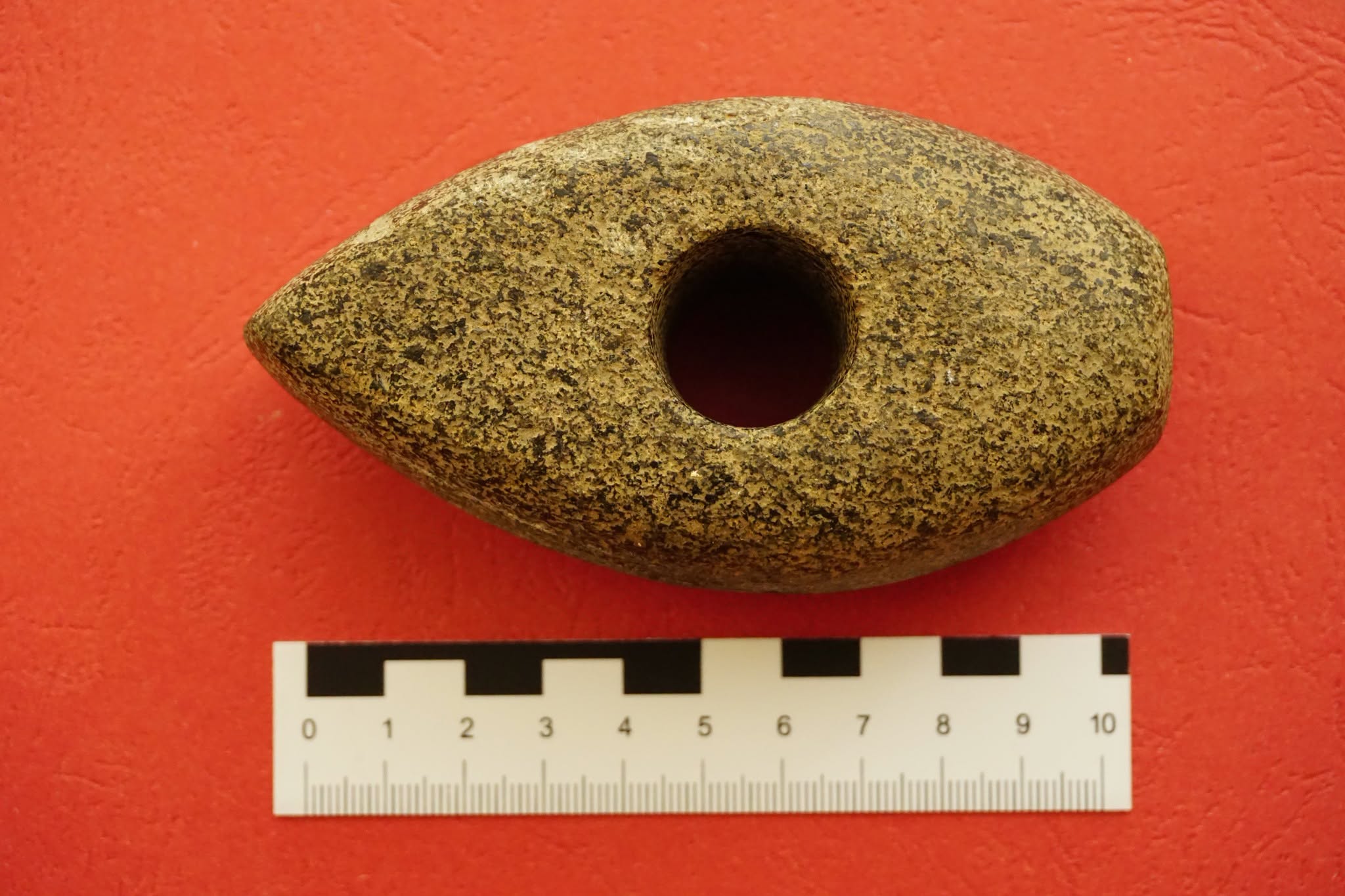
Stone Axe Handed to Polish Heritage Officials May Point to Early Bronze Age Mierzanowice Culture
A stone axe handed over to heritage officials in Lublin, eastern Poland, may belong to the Early Bronze Age Mierzanowice culture, despite sharing features with better-known Corded Ware axe forms. The object was delivered to the Provincial Office for the Protection of Monuments in Lublin by Roman Szymajda. According to the office, it will soon…
-
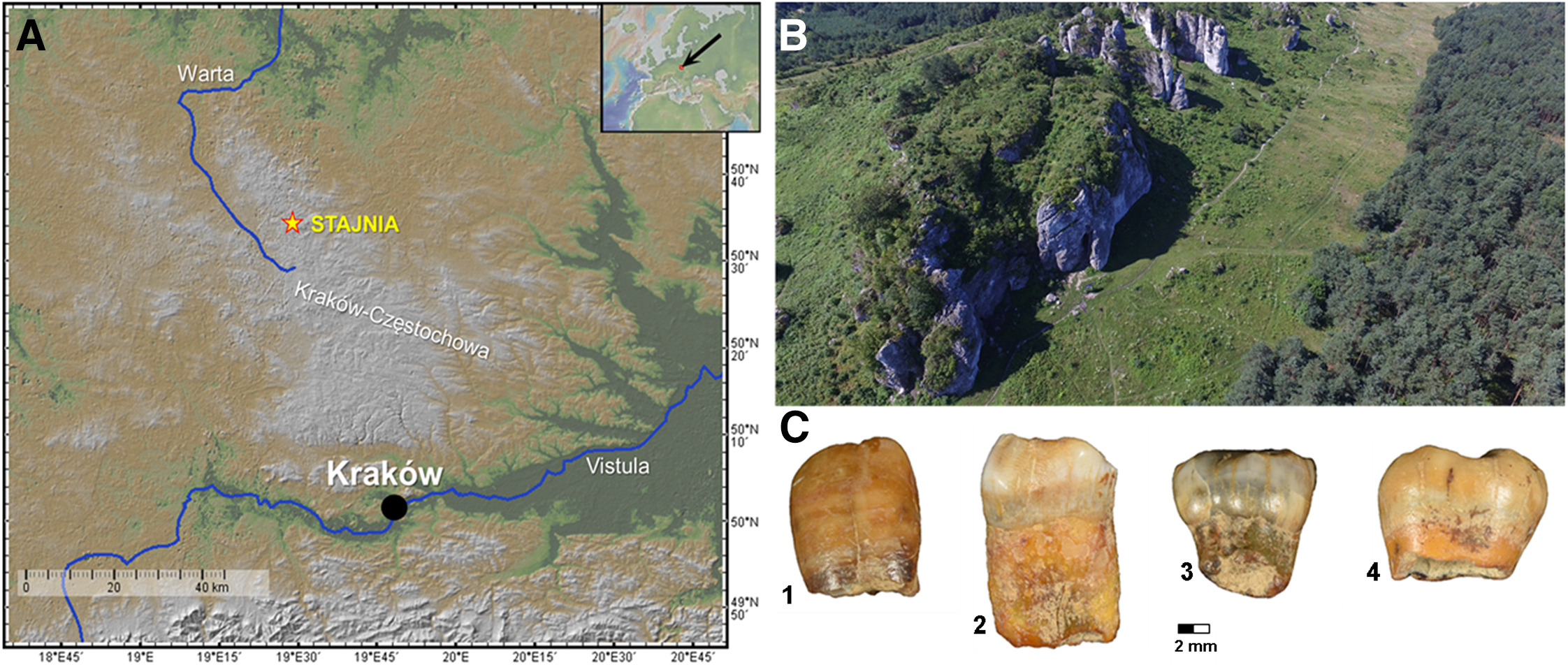
100,000-Year-Old Teeth from a Polish Cave Reveal Central Europe’s Oldest Neanderthal Genetic Group
A few ancient teeth from a cave in southern Poland have given researchers a rare genetic portrait of Neanderthals who lived north of the Carpathians nearly 100,000 years ago. The teeth, recovered from Stajnia Cave in the Kraków-Częstochowa Upland, belonged to at least seven Neanderthals who lived between about 120,000 and 92,000 years ago. The…
-
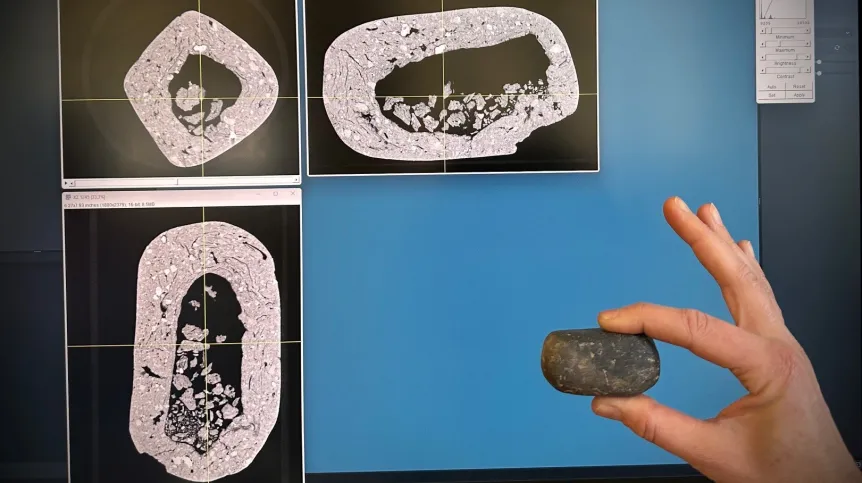
2,000-Year-Old Clay Rattle Scanned with CT Reveals the Secret Behind Its Ancient Sound
A small clay rattle more than 2,000 years old, preserved in the collections of the Tarnów Regional Museum in southern Poland, has revealed its hidden internal structure after being examined with computed tomography (CT). The non-invasive scan allowed researchers to look inside the fragile artifact without opening it, uncovering the mechanism responsible for the faint…
-

Rare Medieval Flail Weapon Found Near the Battlefield of Grunwald in Poland
A compact iron weapon recovered from farmland in northeastern Poland is offering an unusually direct physical link to late medieval warfare. Archaeologists have confirmed that the object—a rare kiścień, or medieval flail—dates to the same era as the famous Battle of Grunwald, one of the most consequential military confrontations in European history. A Weapon Rarely…
-
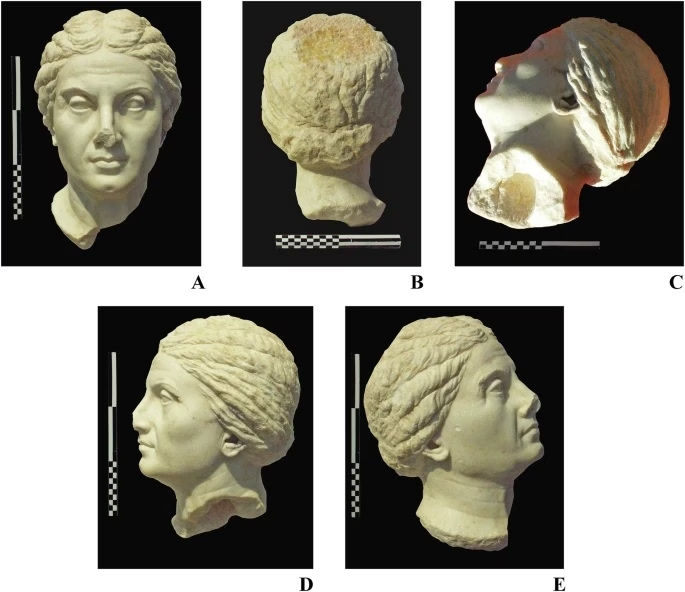
Roman Portrait from Crimea Identified After Two Millennia: Scientists Name the Woman as Laodike
A 2,000-year-old marble portrait discovered in Crimea has finally revealed its secret.An international team of researchers from Poland and Spain identified the sculpture as depicting Laodike, a Roman woman who lived in the early centuries of the Empire and held a prominent social position in the ancient city of Chersonesos. Rediscovering a Forgotten Roman Lady…